The First Gift: Exclusive Breastfeeding Gives Babies the Healthiest Start
From a mother's first embrace to six months of exclusive breastfeeding, families in Girei are giving children a stronger start in life.

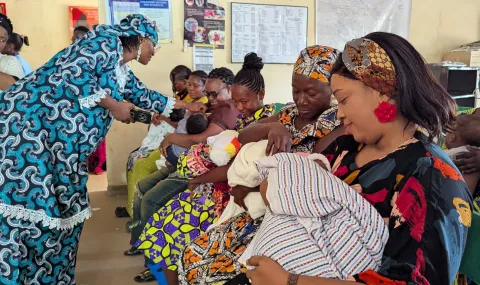
The first cry of a newborn fills a room with relief, gratitude and hope. For most parents, those first few moments are unforgettable. But for Pwadyakai Saul, a nutrition focal person at Girei B Primary Health Care Centre in Adamawa State, another moment is just as important.
It is the moment a mother places her baby to her breast for the very first time.
"The first hour after birth is very important," she says. "Starting breastfeeding immediately helps protect the baby from infections and begins a journey that gives the child the healthiest possible start in life."
Every day, Pwadyakai counsels pregnant women and new mothers, reminding them that the choices they make during pregnancy and the first two years of a child's life can shape that child's future.
"The nutrition a child receives during the first 1,000 days has a lifelong impact," she says. "When mothers eat well during pregnancy and breastfeed their babies, they are giving them the best chance to grow, stay healthy and thrive."
Long before a baby is born, her conversations begin during antenatal clinics. She encourages expectant mothers to eat nutritious meals, attend regular check-ups and prepare themselves for breastfeeding.
"I always tell mothers that taking care of themselves during pregnancy is also taking care of their babies," she says. "A healthy mother is already giving her child a better start."
But she also knows that information alone is not enough. Mothers need confidence. They need reassurance. And they need support from the people around them. One of the most important messages she shares is simple: begin breastfeeding within the first hour after birth and feed the baby only breast milk for the first six months.
"For the first six months, breast milk is all a baby needs," she says. "It provides the nutrients, antibodies and protection that no other food or drink can replace."
Years of working with families have convinced her that the difference is visible.
"I have seen it myself," she says. "Children who are exclusively breastfed are generally healthier. They fall sick less often and grow well."
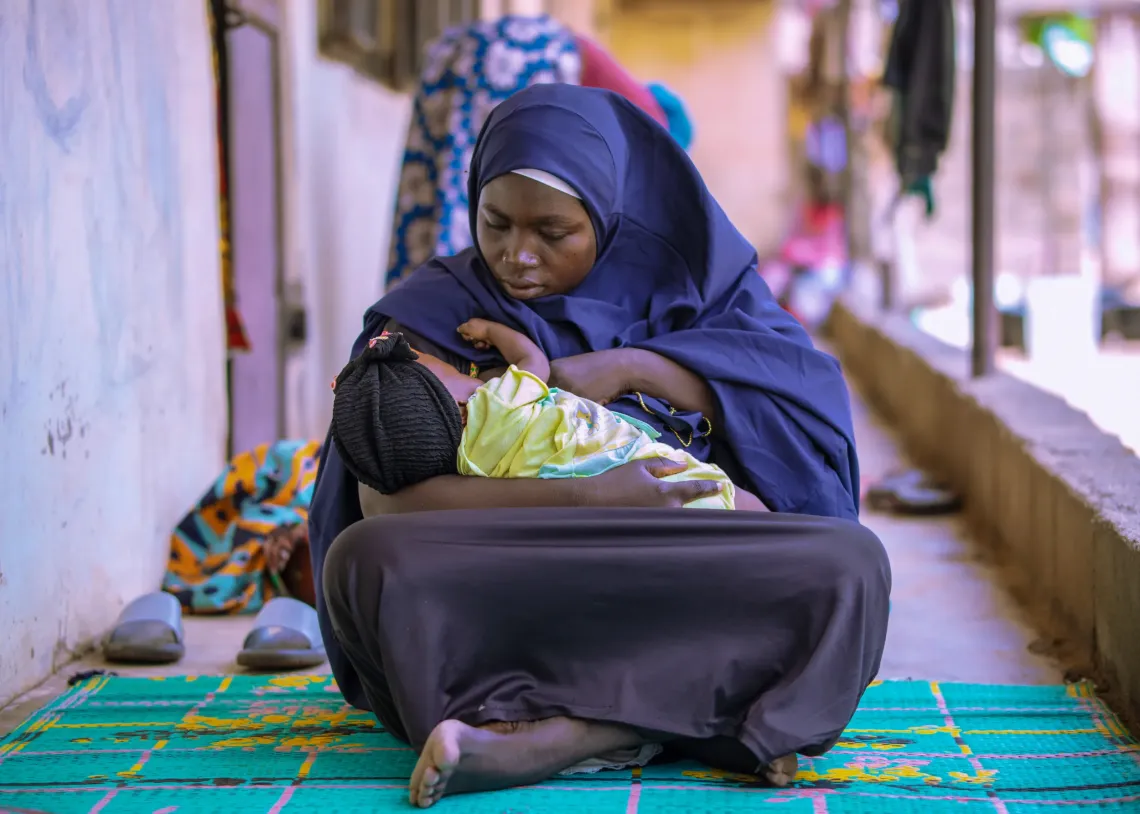
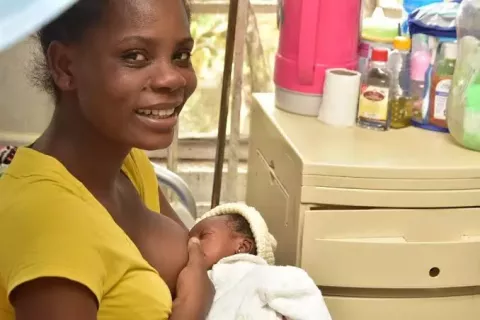
Rejoice Hopson still remembers the regret she felt with her first child.
"I didn't exclusively breastfeed my first child because I didn't fully understand its importance," she says. "But after receiving counselling, I decided to do it for my other children."
She says the results were impossible to ignore. "My children whom I exclusively breastfed hardly fall sick."
Zarau Abdullahi tells a similar story.
"My first child was not exclusively breastfed because I didn't have the right information," she says. "When I became pregnant again, the health workers explained why breast milk alone is enough for the first six months."
She followed the advice and today encourages other mothers to do the same.
"I tell other women in my community to practice exclusive breastfeeding because I have seen the benefits in my own child."
Looking around her community, she believes the difference is often clear.
"You can often tell the difference between babies who were exclusively breastfed and those who were not."
For Zarau, one reason she succeeded was because she was not alone.
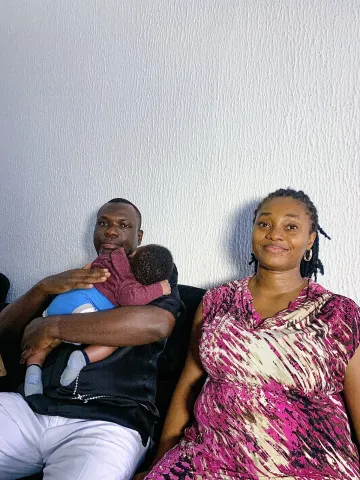
"My husband encouraged and supported me to exclusively breastfeed," she says.
That support made all the difference.
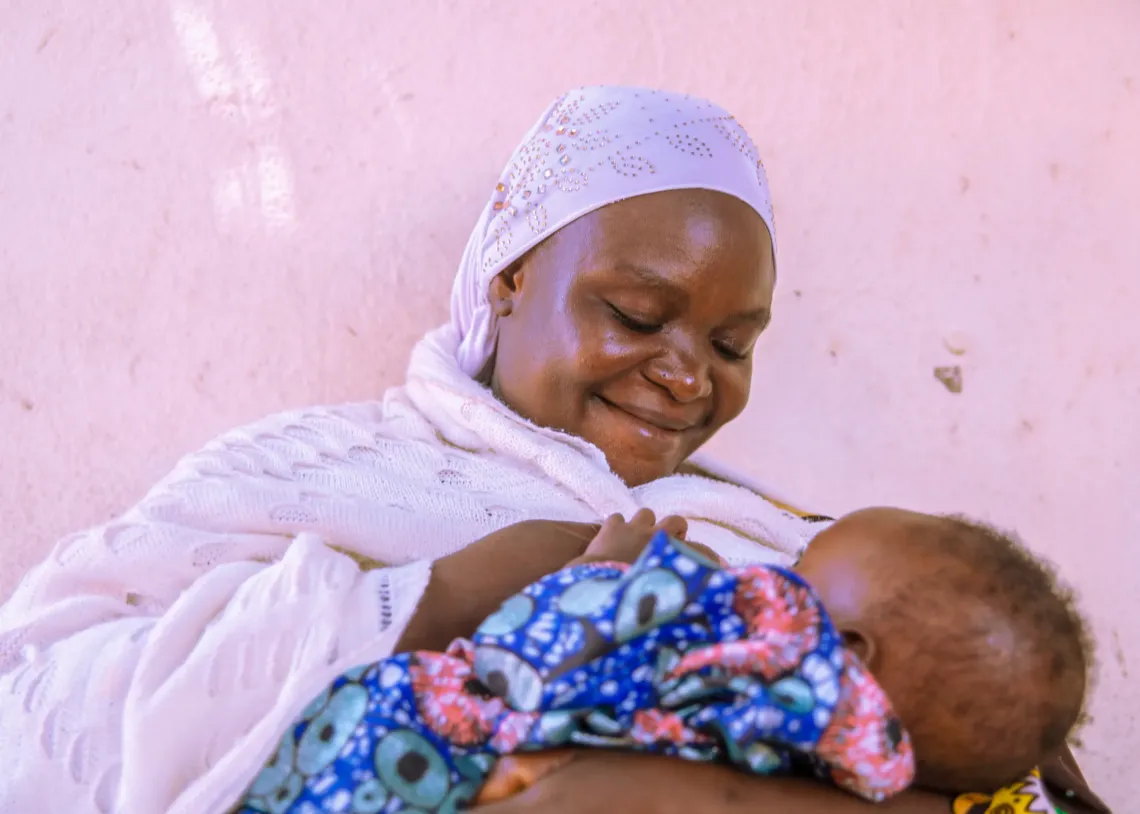
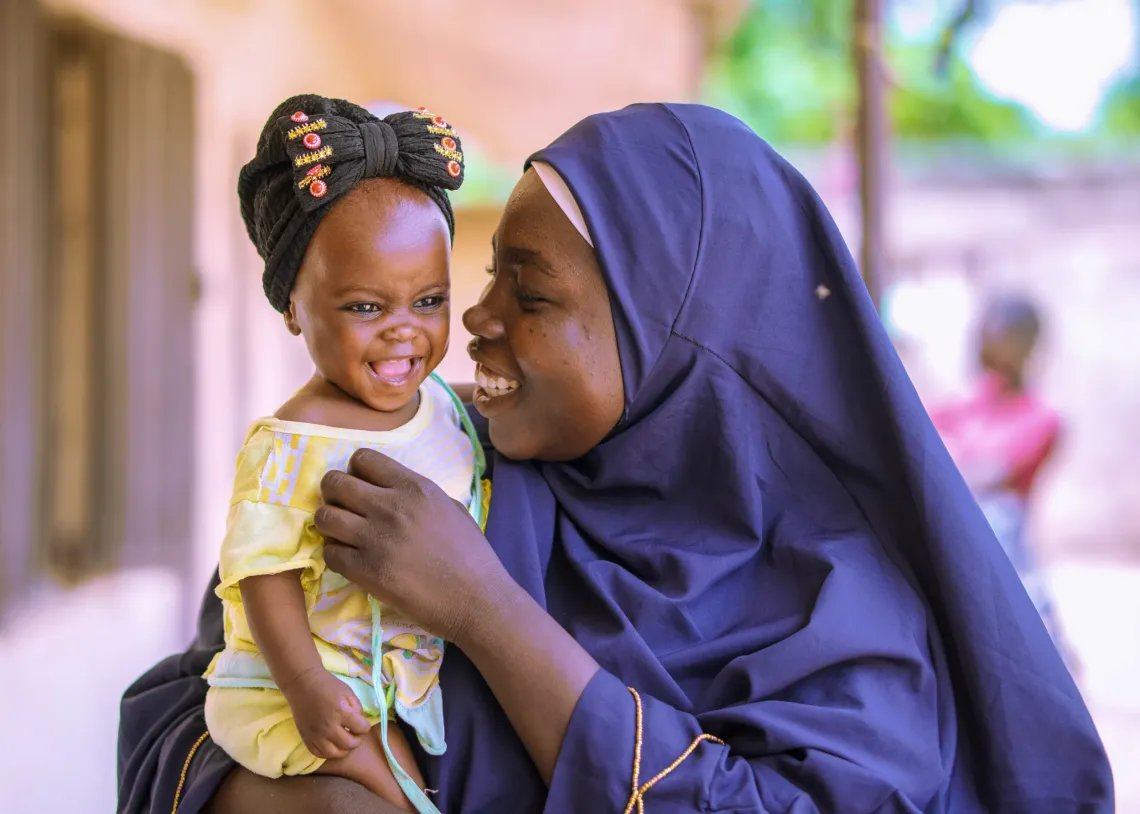
Rita Suleiman shares a similar experience. While health workers guided her at the clinic, it was her family who helped her continue at home.
"My mother encourages me to exclusively breastfeed my son, Yelami," she says.
For Rita, breastfeeding is about more than nutrition.
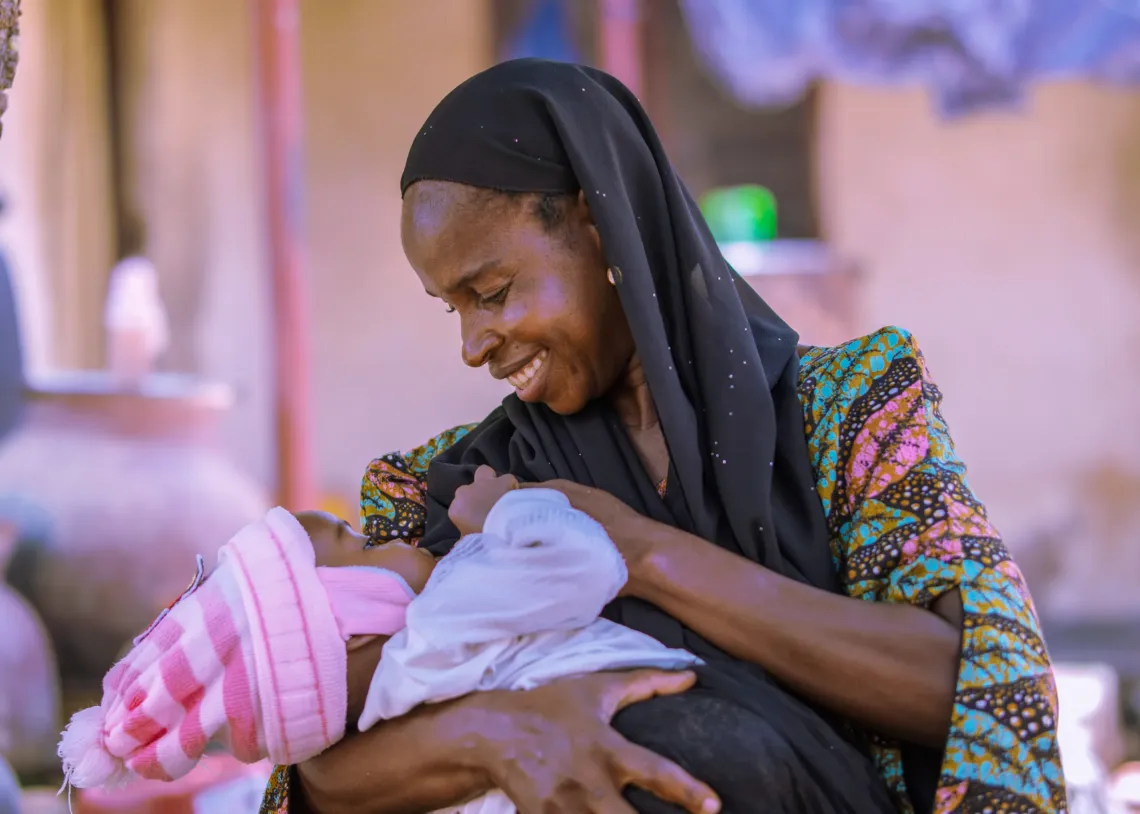
"Nothing can explain the feeling I have whenever I lock eyes with my son while he breastfeeds."
It is a quiet moment of love, comfort and connection that she treasures every day.
At Girei B Primary Health Care Centre, Pwadyakai and her colleagues continue to answer questions, calm fears and encourage mothers who may be uncertain or overwhelmed.
Recently, through the Global Affairs Canada-funded nutrition programme, she received additional training on Infant and Young Child Feeding (IYCF) and the prevention of malnutrition during a child's first 1,000 days. The training strengthened her counselling skills and equipped her with updated knowledge to better support mothers from pregnancy until a child's second birthday.
"The training reminded us that breastfeeding is not just a mother's responsibility," she says. "Families, health workers, communities and the health system all have a role to play."
In Girei, that support is helping more mothers give their babies the greatest first gift they can offer.
A healthy start.
One feed, one day and one child at a time.