A Father's Hands, A Child's Future
For one family in Imo State, breastfeeding became a shared promise, proving that when fathers stand beside mothers, children get the strongest possible start in life.

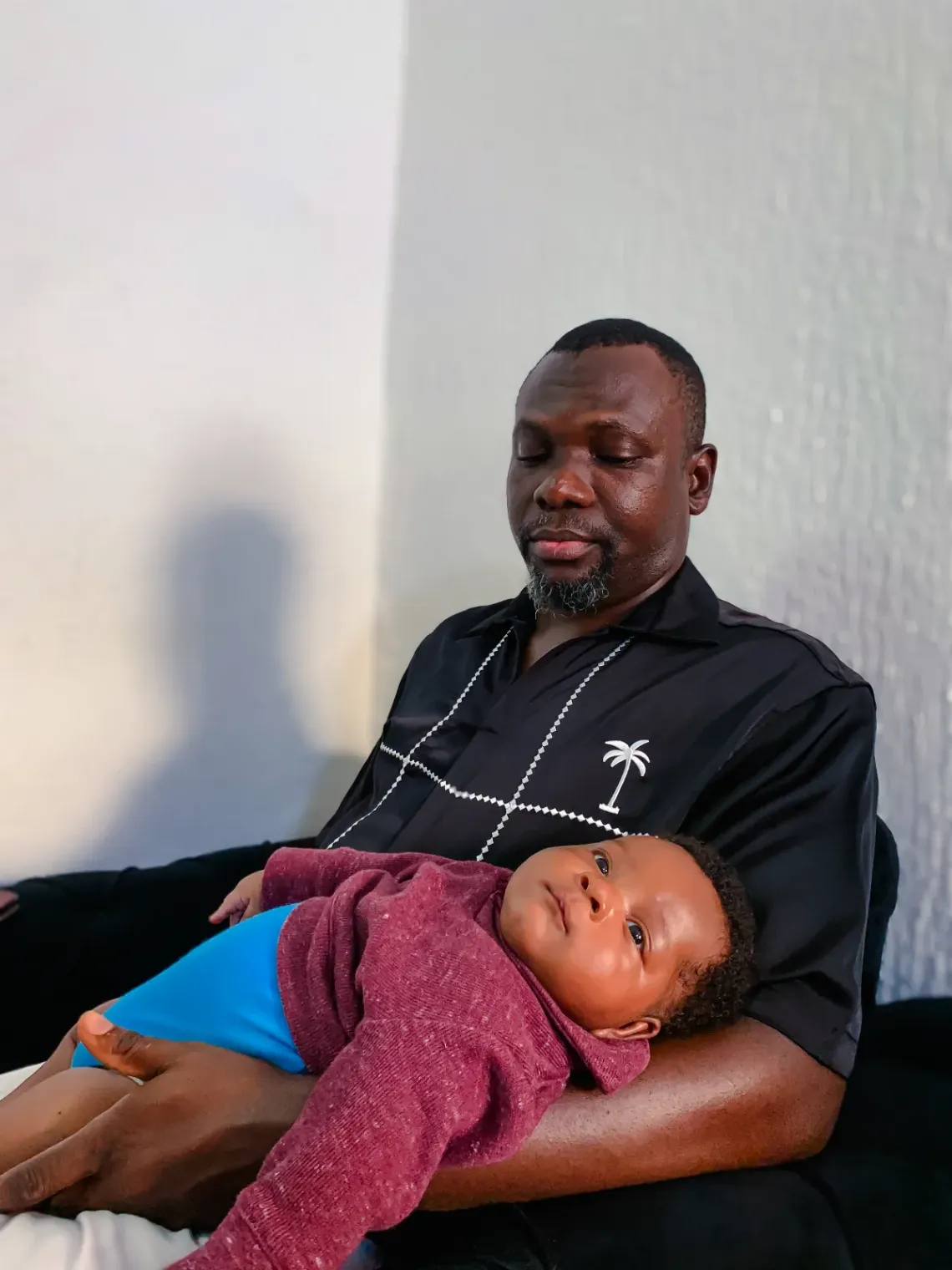
Every morning before leaving for work, Nwabueze Aham-Anyanwu follows the same routine.
He quietly lifts three-month-old Kamsiyochukwu into his arms while his wife, Uchenna, enjoys a few uninterrupted moments to prepare for the day. Sometimes he rocks the little boy back to sleep. Sometimes they simply sit together in silence before the bustle of the morning begins.
It is a small act.
But for the Aham-Anyanwu family, it has made all the difference.
Over the past three months, these quiet moments have become part of a partnership that helped Uchenna exclusively breastfeed their son, giving him the healthiest possible start in life.
As the world marks World Breastfeeding Week 2026, under the theme "Breastfeeding for a Sustainable Start in Life: Strengthen What Works," their story reminds us that successful breastfeeding is rarely the work of mothers alone. It flourishes when fathers, families, health workers and communities stand beside them.
"We decided from the beginning that breastfeeding was our responsibility as parents, not just my wife's," says Nwabueze.
"Whenever she needed to rest, I carried the baby, comforted him and took care of things around the house so she could focus on feeding him without worrying about anything else. We were a team."
His support went far beyond holding the baby.
He made sure nutritious meals were always available, accompanied his wife to clinic visits whenever work allowed and constantly encouraged her through the more difficult days.
"Every sacrifice was for our son's future," he says. "Fathers have an important role to play. Supporting your wife is one of the greatest gifts you can give your child."
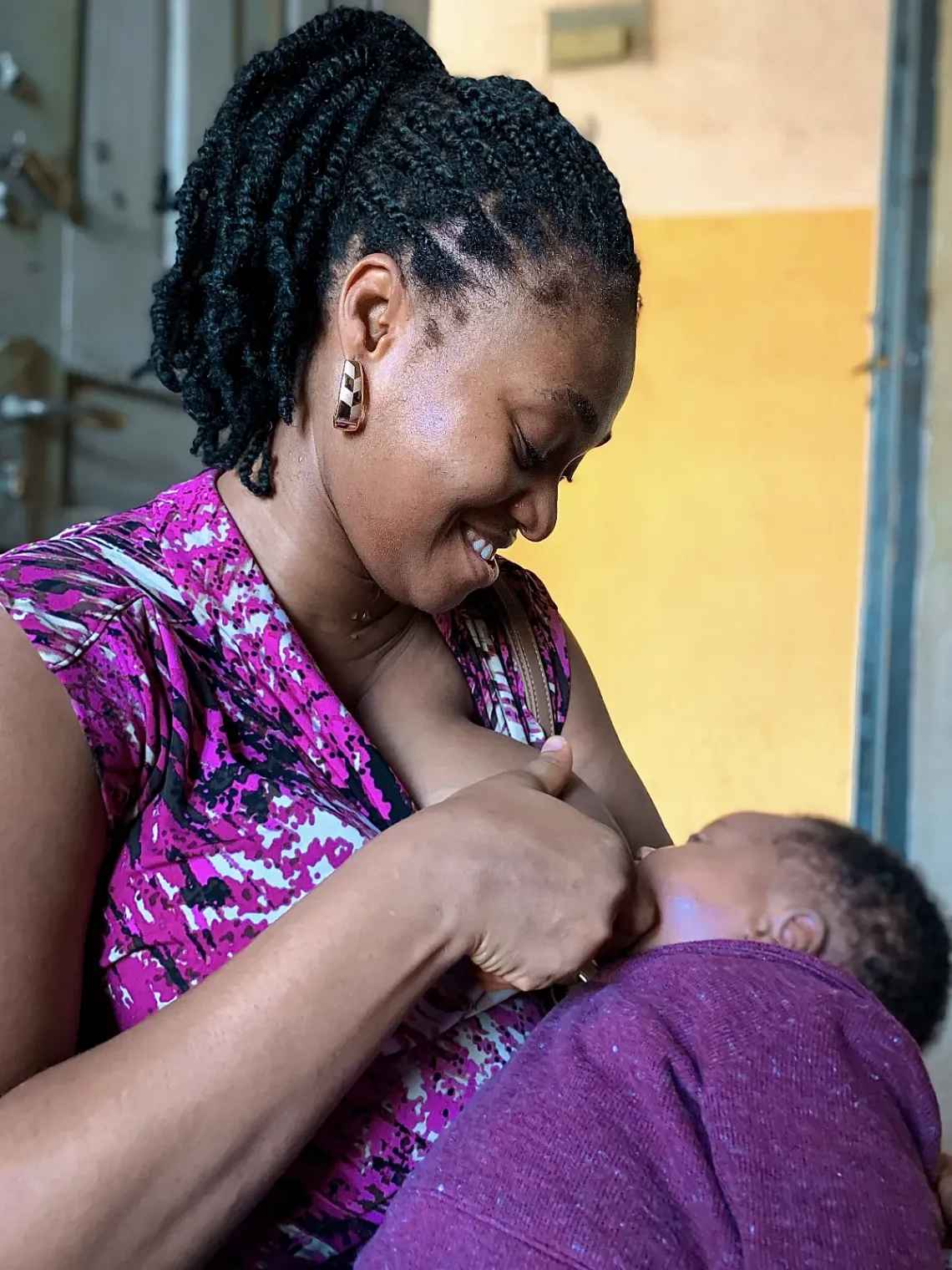
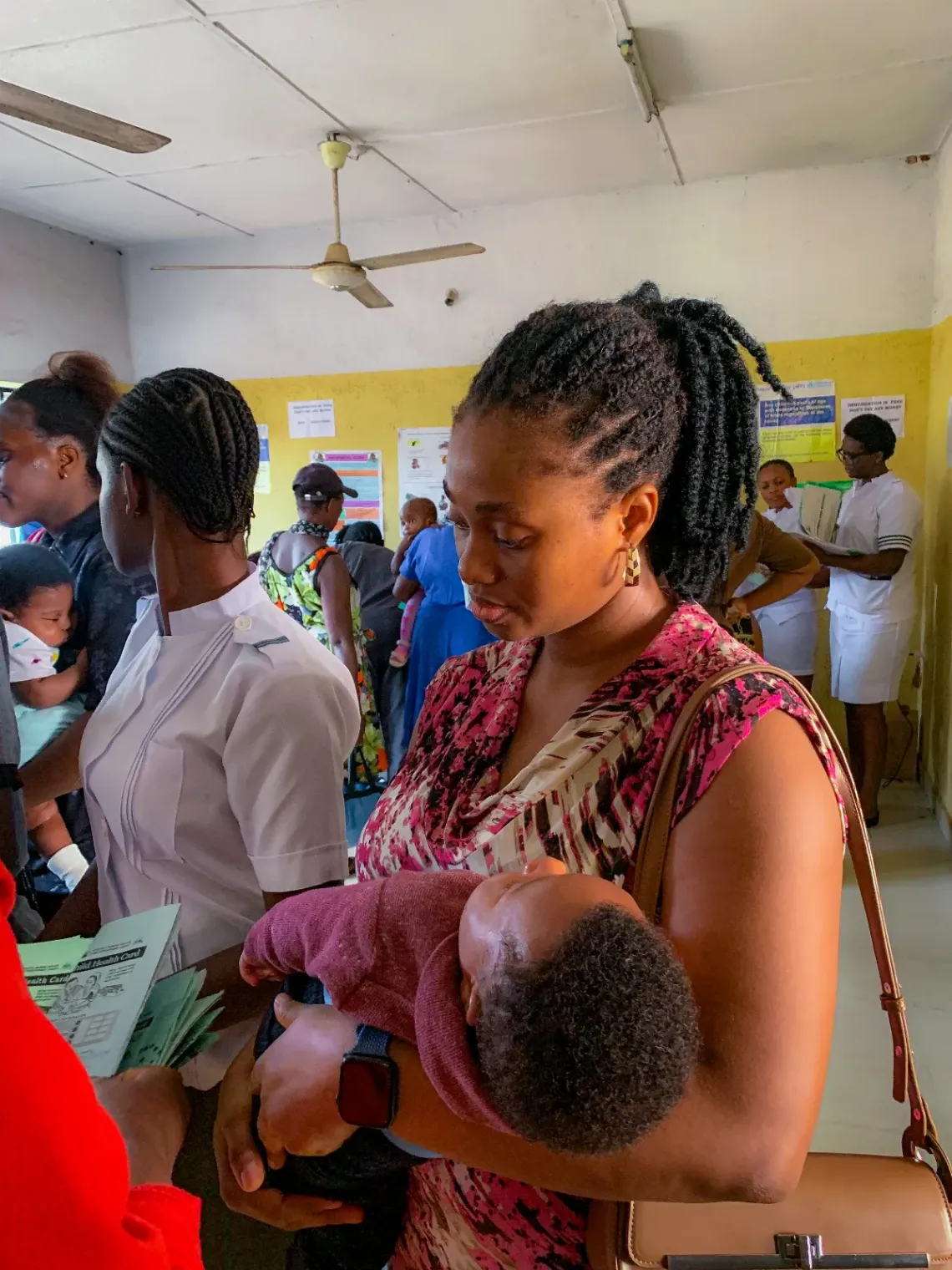
For Uchenna, that support transformed what could have been an exhausting experience into one she remembers with gratitude.
"It was truly a partnership," she says.
"While I breastfed our son, my husband stepped in wherever he was needed. There were days I felt tired and overwhelmed, but he reminded me why we had chosen exclusive breastfeeding. His encouragement gave me confidence."
"He is growing well, rarely falls ill and is reaching his developmental milestones," says Uchenna with a smile.
"I always tell other mothers that breastfeeding becomes much easier when fathers and families actively support you."
The journey does not end here.
The family plans to continue breastfeeding alongside nutritious complementary foods until Kamsiyochukwu reaches two years of age.
"We've come this far together," says Nwabueze. "We'll continue supporting each other because every child deserves the best possible start."
Their story reflects a much bigger picture.
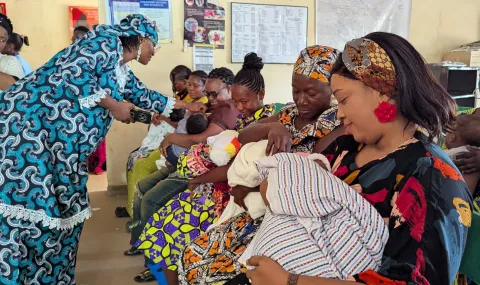
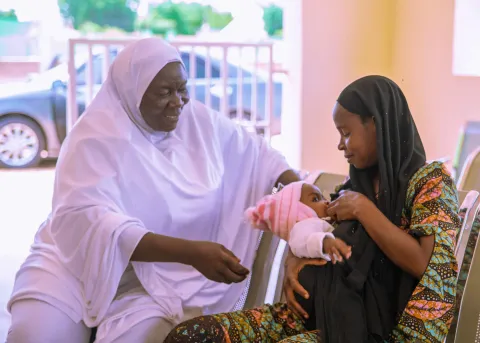
Breastfeeding is one of the most effective ways to protect children's health and development. It provides all the nutrients babies need during their first six months of life, strengthens immunity, supports brain development and protects against common childhood illnesses. It also reduces household spending on infant formula, lowers healthcare costs and contributes to a healthier environment by eliminating waste associated with breastmilk substitutes.
Yet many mothers struggle to breastfeed successfully because they lack support at home, in the workplace or within their communities.
According to Ngozi Ounora, Nutrition Specialist at UNICEF Nigeria's Enugu Field Office, that support makes all the difference.
"Breastfeeding is the first and most natural investment families can make in their children's future," she says. "But mothers cannot do it alone. Fathers, grandparents, employers, health workers, communities and governments all have important roles in creating an environment where women can breastfeed successfully."
Juliet Chiluwe, Chief of UNICEF's Enugu Field Office, believes every investment in breastfeeding pays dividends for generations.
"Supporting breastfeeding improves child survival, strengthens families, reduces healthcare costs and helps build healthier, more productive societies," she says. "When we strengthen what already works, we give every child a sustainable start in life."
At the Comprehensive Health Centre, World Bank, in Imo State, where baby Kamsiyochukwu receives his routine immunizations, health workers often point to the young family as an example of what is possible when parents work together.
Back at home, another morning begins. Nwabueze gently cradles his son before leaving for work. Kamsiyochukwu nestles comfortably in his father's arms while Uchenna prepares for the day ahead.
It is a simple routine repeated in countless homes. Yet within that quiet embrace lies a powerful truth.
Every child's future is shaped not only by a mother's love, but also by fathers who choose to be present, families who share the journey and communities that make breastfeeding possible.
Sometimes, a healthier future begins with something as simple as a father holding his child.