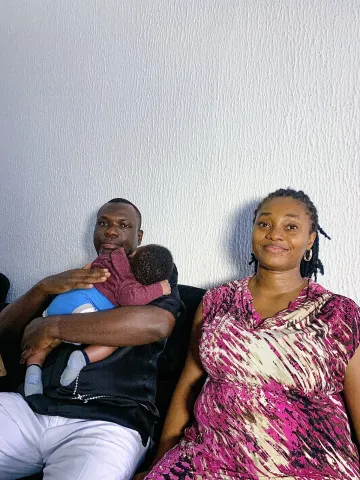
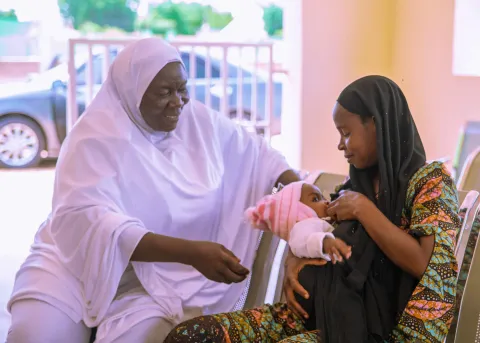
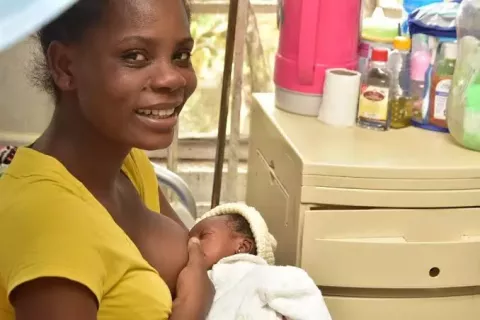
Breastfeeding is a Universal Language of Love
Across Kaduna State, six mothers show how the first embrace, the first feed and the first hour of life can shape a child's future.

There is a quiet rhythm inside the maternity ward of Primary Health Care Sabon Tasha in Kaduna State.
A newborn cries softly before settling into silence. A nurse gently places the baby on the mother's chest. Almost instinctively, the tiny child begins searching for the breast. Within moments, mother and baby find each other.
No words are spoken.
Yet in that simple moment, a lifelong conversation begins.
Breastfeeding is often described in terms of nutrition and health. For the mothers at Sabon Tasha, it means much more. It is comfort after the pain of childbirth. It is reassurance for a first-time mother. It is protection against illness. Above all, it is love expressed in its purest form.
Health workers at the facility encourage every mother to begin breastfeeding within the first hour after birth, often called the "golden hour." Babies who are breastfed during this period are more likely to survive the first month of life. Early skin-to-skin contact also helps regulate a newborn's breathing, body temperature and blood sugar while strengthening the bond between mother and child.
For the women of Sabon Tasha, however, the science simply confirms what they already know.
Love begins with the first feed.
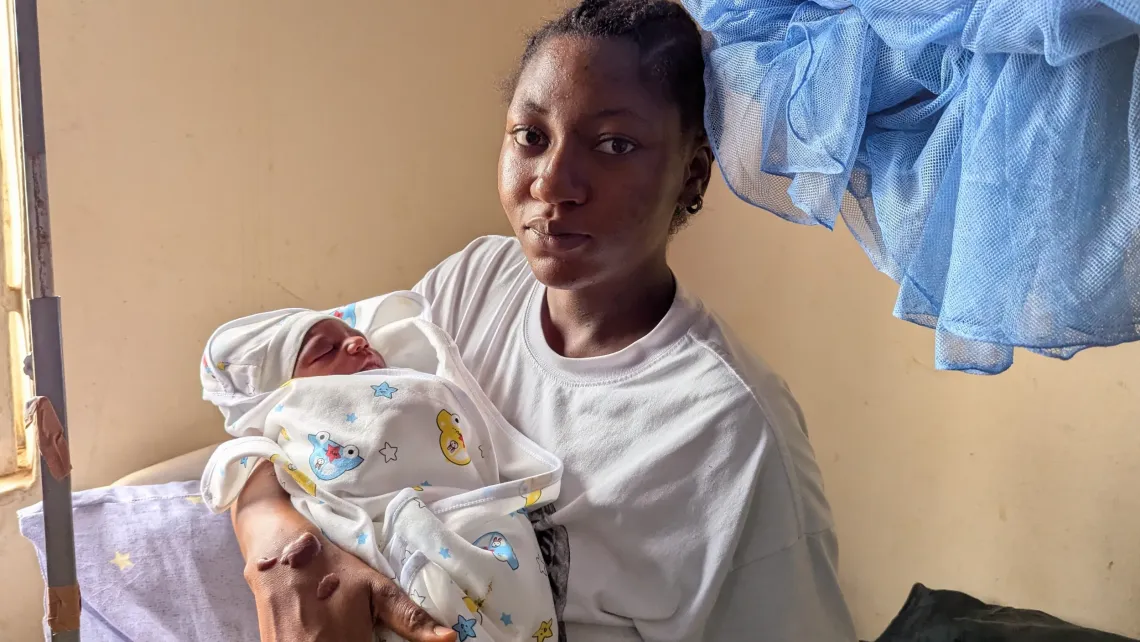
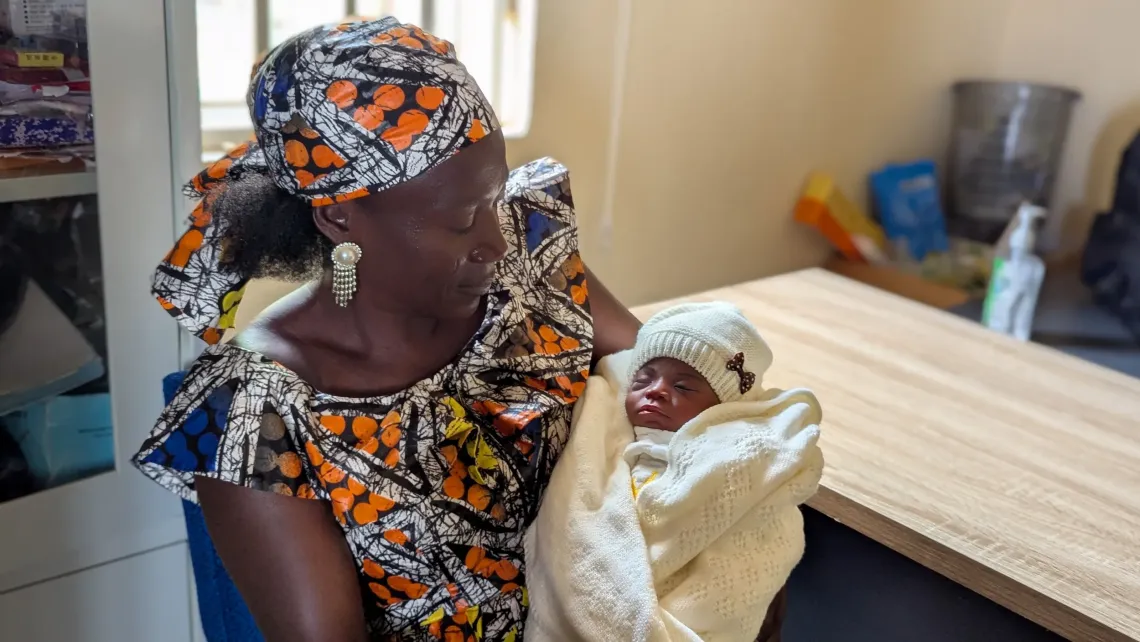
Miriam and Leo: Love Begins in the First Hour
Baby Leo was barely 45 minutes old when Miriam held him against her chest for the first time.
Supported by her mother and sister-in-law, she breastfed him before finally getting some much-needed rest. The midwife encouraged immediate skin-to-skin contact, placing Leo gently on his mother's chest. After a few attempts, he latched on.
"I felt emotional," Miriam recalls. "Everything happened so naturally."
At Sabon Tasha Primary Health Care Centre, every mother remains at the facility for at least 24 hours after delivery. The extra time allows mothers to rest, establish breastfeeding and receive support before returning home. The following morning, Leo received his first routine vaccinations before settling into another peaceful feed.
Sylvia: Confidence from the Very Beginning
When Sylvia delivered her first baby through a caesarean section, she worried that breastfeeding might be difficult.
Instead, her daughter surprised her.
"I was amazed by how quickly she latched on," Sylvia says. "Thankfully, there was enough breast milk."
A teacher by profession, Sylvia says the counselling she received convinced her to exclusively breastfeed her daughter for the first six months without giving water, herbal remedies or any other foods.
She believes the six months of maternity leave will allow her to give her daughter the best possible start.
"I want her to grow healthy, strong and mentally sound."
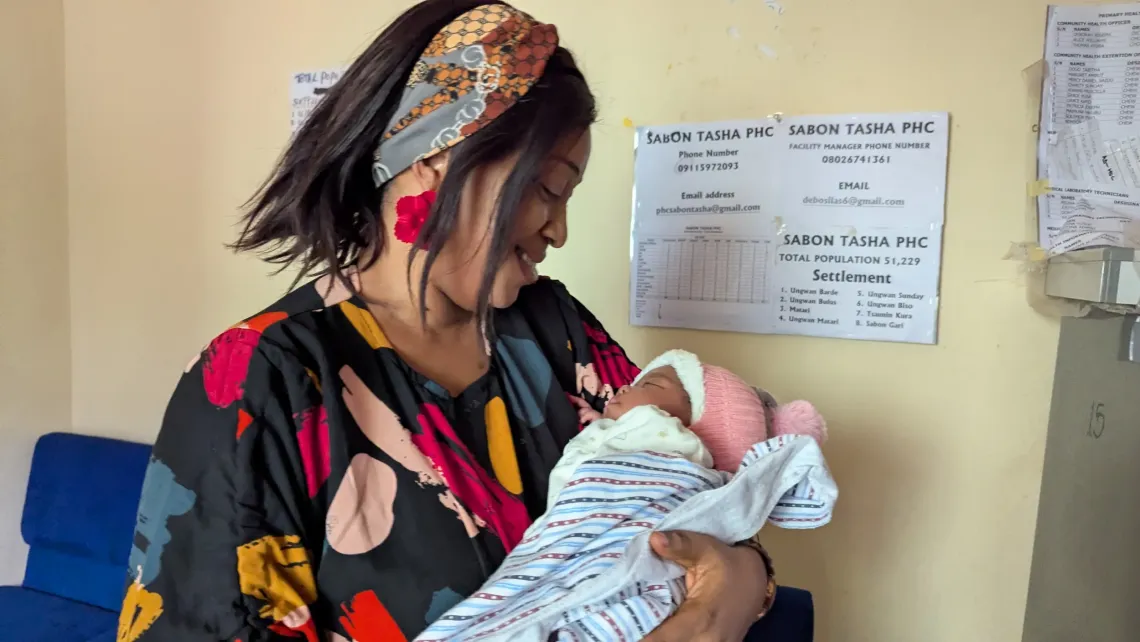
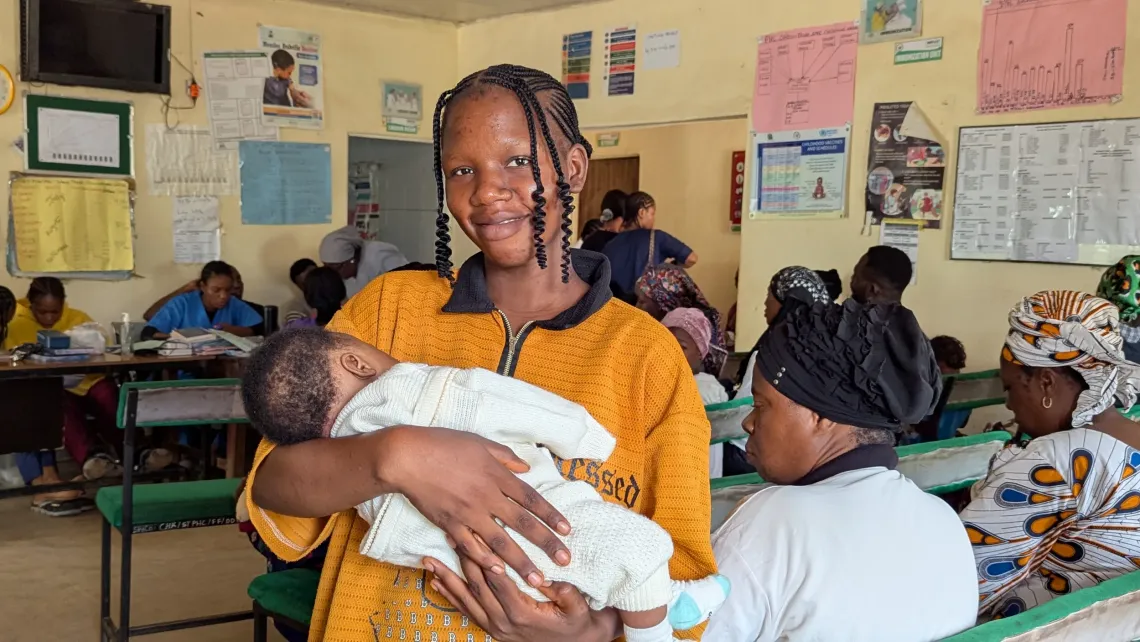
Kemi: Discovering Confidence Close to Home
After delivering in a private hospital, Kemi chose to continue her postnatal care at Sabon Tasha Primary Health Care Centre because it was closer to her home.
She did not expect the experience to transform her confidence as a new mother.
"My mother encouraged me to exclusively breastfeed, and my husband has been very supportive," she says. "The health talk today opened my eyes even more. It explained breastfeeding and postnatal care in a way that made everything clear."
Now attending immunization appointments with her daughter Brianna, Kemi has become a strong advocate for exclusive breastfeeding.
"I find breastfeeding to be a beautiful experience. Your baby is healthier, smarter and less likely to fall sick. It is also pocket-friendly, especially considering the current economic situation."
Stephanie: Trusting the Process
Long before her son Blessed was born, Stephanie had already decided she would exclusively breastfeed him.
When no milk appeared immediately after delivery, she became anxious.
The nurses encouraged her to keep trying.
"They told me the more he suckled, the sooner the milk would come," she remembers.
She trusted their advice.
Within a day, her milk began to flow.
The thick golden colostrum, often called a baby's first vaccine, gave Blessed his earliest protection against disease while providing all the nutrients he needed for a healthy start.
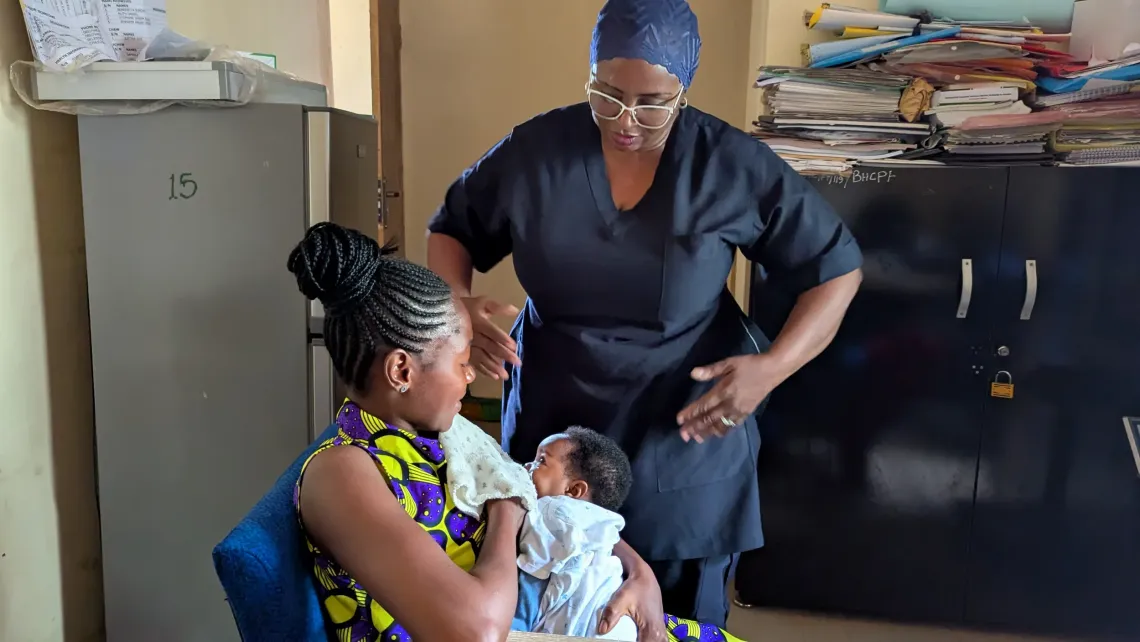
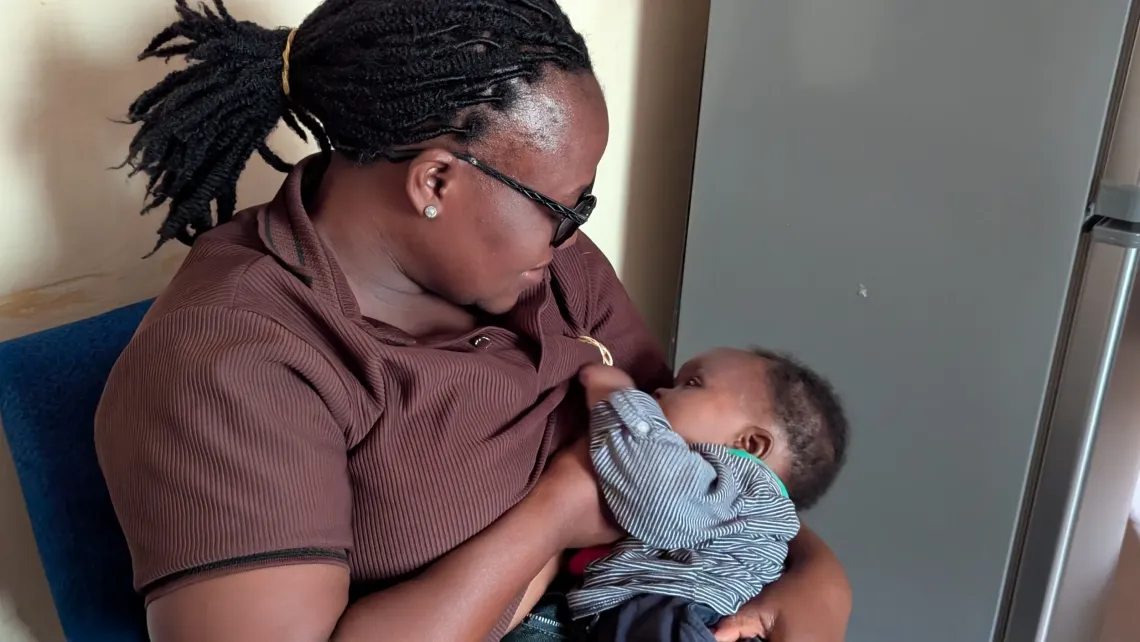
Rifkatu: Experience Makes the Difference
When Rifkatu welcomed her second daughter, Ciyona, she already knew exactly what she wanted.
She had seen how exclusive breastfeeding benefited her first child.
Although her milk did not come immediately after delivery, she continued putting her baby to the breast. Within two days, breastfeeding had been established successfully.
Today, two months later, feeding comes naturally.
"I feel happy whenever I breastfeed her," she says. "I already knew I would exclusively breastfeed because I saw how healthy my first child became. As you can see, Ciyona is also growing very well."
Her experience reminds new mothers that patience often brings its own reward.
Rebecca: A Mother's Experience Speaks Loudest
Rebecca's second child, Harmony, arrived after less than an hour of active labour.
Soon after birth, Harmony began making sucking motions. Rebecca offered him her breast, and he latched on almost immediately.
Three months later, breastfeeding has continued without difficulty.
"I was convinced because I saw what exclusive breastfeeding did for my first son," she says. "He had fewer episodes of diarrhoea and grew steadily. I also recovered faster after delivery, lost my baby weight more quickly and Harmony has been growing really well."
As an online business owner balancing work and family, Rebecca admits breastfeeding has not always been easy.
"There are sleepless nights, cracked nipples and constant feeding," she says. "But it has made caring for my second child easier than I imagined."
More Than Nutrition
Every mother at Sabon Tasha has travelled a different path.
Some delivered naturally. Others had caesarean sections.
Some are first-time mothers. Others relied on lessons learned from raising older children.
Yet their stories all point in the same direction.
Successful breastfeeding rarely happens by chance. It grows through timely support from health workers, encouragement from families and confidence built one feed at a time.
Exclusive breastfeeding for the first six months gives babies all the nutrients they need while protecting them against diarrhoea, pneumonia and malnutrition, some of the leading causes of death among children under five in Nigeria. Continued breastfeeding alongside safe, nutritious complementary foods up to two years of age provides children with the best opportunity to survive, grow and thrive.
A Language Every Child Understands
Miriam remembers the emotion of holding Leo for the first time. Sylvia found confidence as a first-time mother. Kemi discovered reassurance through the support of health workers.
Stephanie learned that patience brings its own reward. Rifkatu drew strength from experience. Rebecca saw the difference breastfeeding had already made in the life of her first child.
Different journeys. One shared belief.
For these mothers, breastfeeding is far more than a health recommendation.
It is protection without medicine. Nutrition without cost. Comfort without words.
It is the first promise a mother makes to her child.
A promise that says: You are safe. You are loved. And I will give you the very best start in life.