Dreams from the Streets of Kano
In Kano, Nigeria, UNICEF and partners strive for equitable, quality education for economically disadvantaged children, fostering their national potential.
A stroll through Kano's upscale Nasarawa Government Reserved Area reveals a landscape adorned with exquisite hotels, sprawling private mansions, bustling shopping malls, businesses, commercial establishments, and government edifices. Amid the manicured lawns of these architectural marvels, young children, many clutching rubber plates, traverse the streets in playful groups of three or more. I took the opportunity to engage with a few of them.
I met Shehu Adamu, a 14-year-old adolescent residing near the Brigade Market in Kano, a place known for its multiple stalls and shops which sell commodities like farm produce of fresh and dried food items, housewares, textiles, and domestic appliances. His days are spent in and around the market, engaged in odd jobs such as assisting shoppers with carrying their groceries. "Sometimes, when there's nothing to do, I ask passersby for spare change, and some are kind enough to oblige," Shehu shares. Orphaned at a tender age, Shehu aspires to become a businessman but lacks formal education and is not registered in any school. When not working or attending Islamic study classes, he finds solace in playing football with his friends.
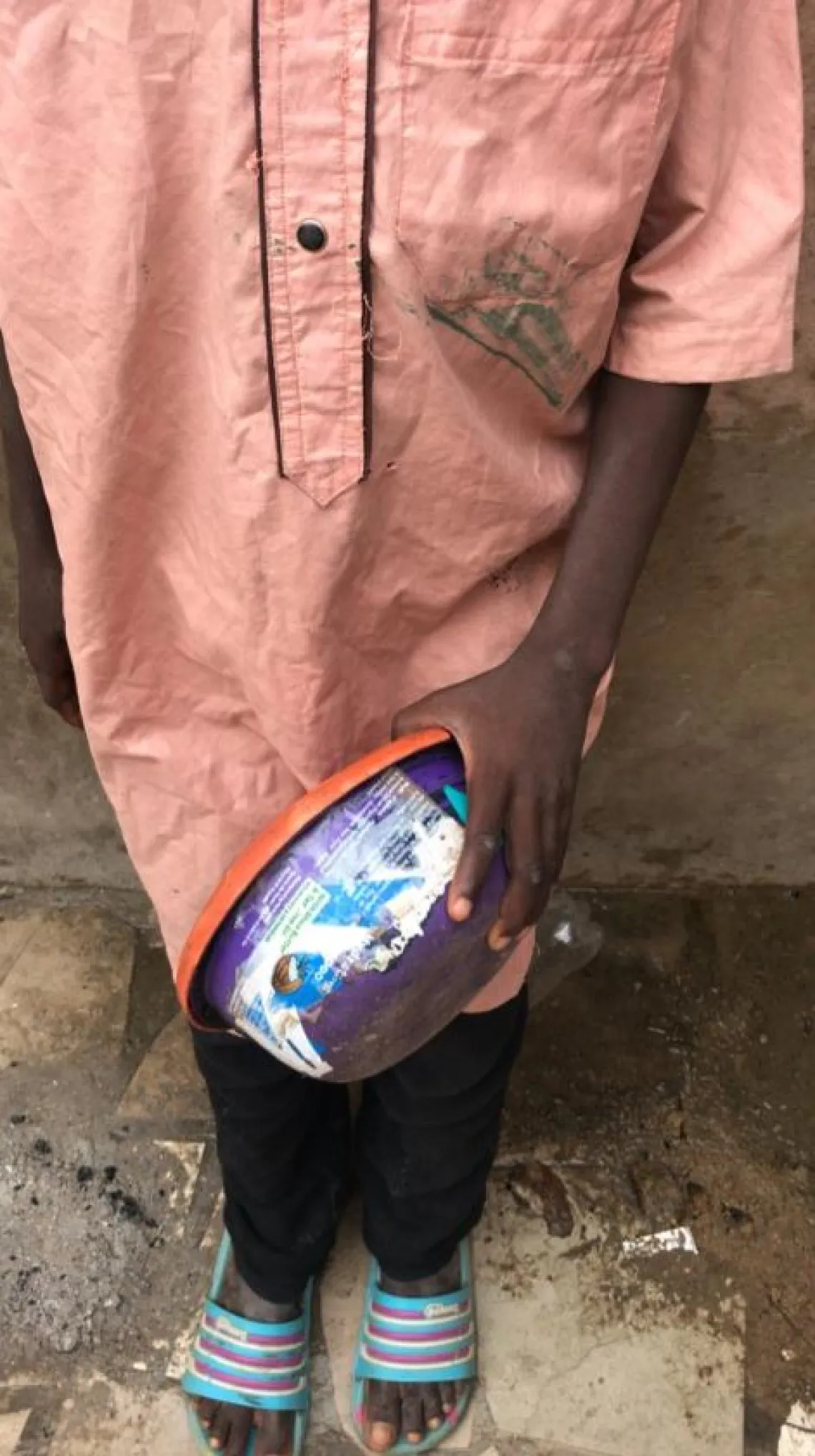
Then there's Mansir Ahmed, 13, hailing from Kazaure in Bauchi State. Residing in the Kasuwar Yankaba vicinity of Kano; Mansir has never experienced formal education or training. Yet, he aspires to become a teacher to guide young minds in the future. He recognizes that schooling might pave the way for a brighter future but also states that he never had any opportunities to be enrolled in a formal classroom.
Mansir and ‘his brothers’ as he fondly calls them spend their days doing odd jobs at the markets or beg for sustenance from kind passer byes and market goers. During the farming seasons, his days are consumed by working on farmlands to grow food crops like groundnuts, maize, and guinea corn
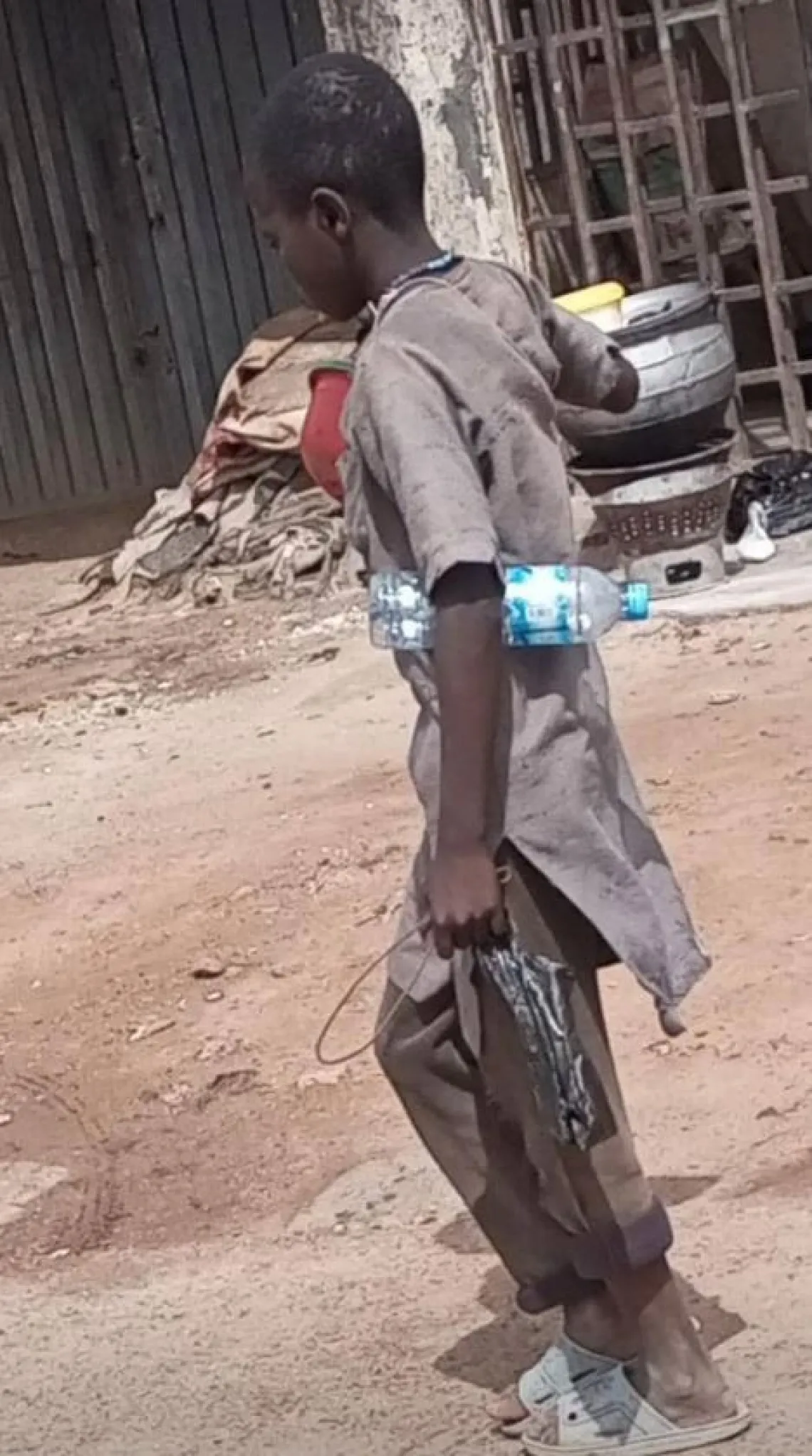
Eleven-year-old Fatimah Kabir peddles roasted groundnuts on the streets of Kano's Badawa layout, her home. Balancing a tray of the delicacy, a tin cup of groundnuts fetches 50 Naira (approximately 0.12 USD) a day. "On better days, I can vend up to 10 tin cups, but the presence of friends and sisters brings competition that may affect my sales," Fatimah explains. Amid occasional quarrels, camaraderie prevails among the group. Inspired by a kind woman who visits her compound clad in a white uniform and a draped hijab, Fatimah aspires to be a health worker. "The medicine will make us strong and beautiful," Fatimah exclaims, her smile radiant.
Shehu, Mansir, and Fatimah reside in Kano State, the most populous region in Nigeria, boasting an estimated population of over 16 million people. Renowned as a commercial hub, Kano's inhabitants exhibit a profound interest in political affairs and economic trade, central to the state's identity and burgeoning economy.
Yet, amid these economic strides and human advancements, UNICEF reveals that a staggering 18.3 million Nigerian children and adolescents remain outside the realm of formal basic education system. Kano, contributing a quarter of Northwest Nigeria's population, shelters over 7.7 million children under 15 years old. While the precise number of out-of-school children is elusive due to population growth, migration, and societal shifts, the imperative lies in championing the rights of children like Shehu, Mansir, and Fatimah—rights that UNICEF promotes through its core principles of birth registration, foundational literacy and numeracy programmes .
UNICEF, in collaboration with partners such as the United Kingdom's Foreign, Commonwealth Development Office (FCDO), the Bill & Melinda Gates Foundation, the World Bank, the Government of Norway, KFW Development Bank, Germany, and the European Union, stands united in its commitment to shaping a brighter future for children like Shehu, Mansir, and Fatimah. For UNICEF , it is about equitable access to quality learning for every Nigerian child irrespective of gender, location and economic status. They are the architects of our nation's future progress and development, so they deserve paramount protection and nurturing to unfurl their fullest potential.