Displaced by Flooding in Jigawa
Ladi Adamu, mother of six, and her life after being displacement caused by flooding her community
Ladi Adamu, a 47-year-old mother of six, will never forget the day the floodwaters her community, Nassarawa, Jigawa state, North-West Nigeria. "I thought it was the end for us," she remembers. The flood destroyed homes and farmlands, displacing hundreds, including Ladi and her family, who took refuge at the Nassarawa Primary School Internally Displaced People (IDP) Camp.
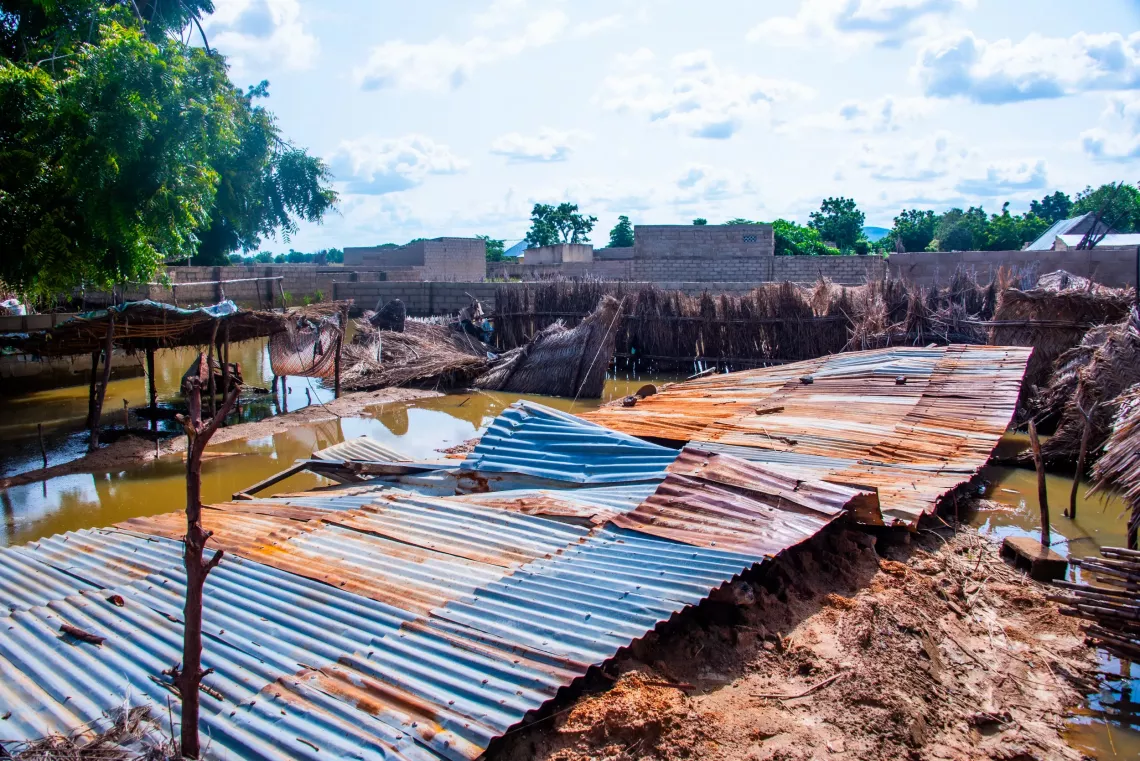
Aminu Ibrahim, also of Nasarawa, who headed the Nassarawa IDP camp, lost his five-room apartment and two-hectare farmland to the flood. "The water occupied our communities for a long time . We spent five weeks in the IDP camp," he narrated.
The people of Nassarawa had never experienced flooding for a long time and were completely unprepared for what befell them that Thursday morning.
It had been raining all night, and in the morning, the floods came! Our husbands tried to prevent the surge, but the flood overpowered them. We were lucky to escape. We ran for our dear lives.
Ladi and her family found shelter at the Nassarawa IDP Camp, but the family’s predicament didn't end; it seemed to have followed them there. Since she got to the camp, Ladi has been battling diarrhoea while her children also have had bouts of Malaria.
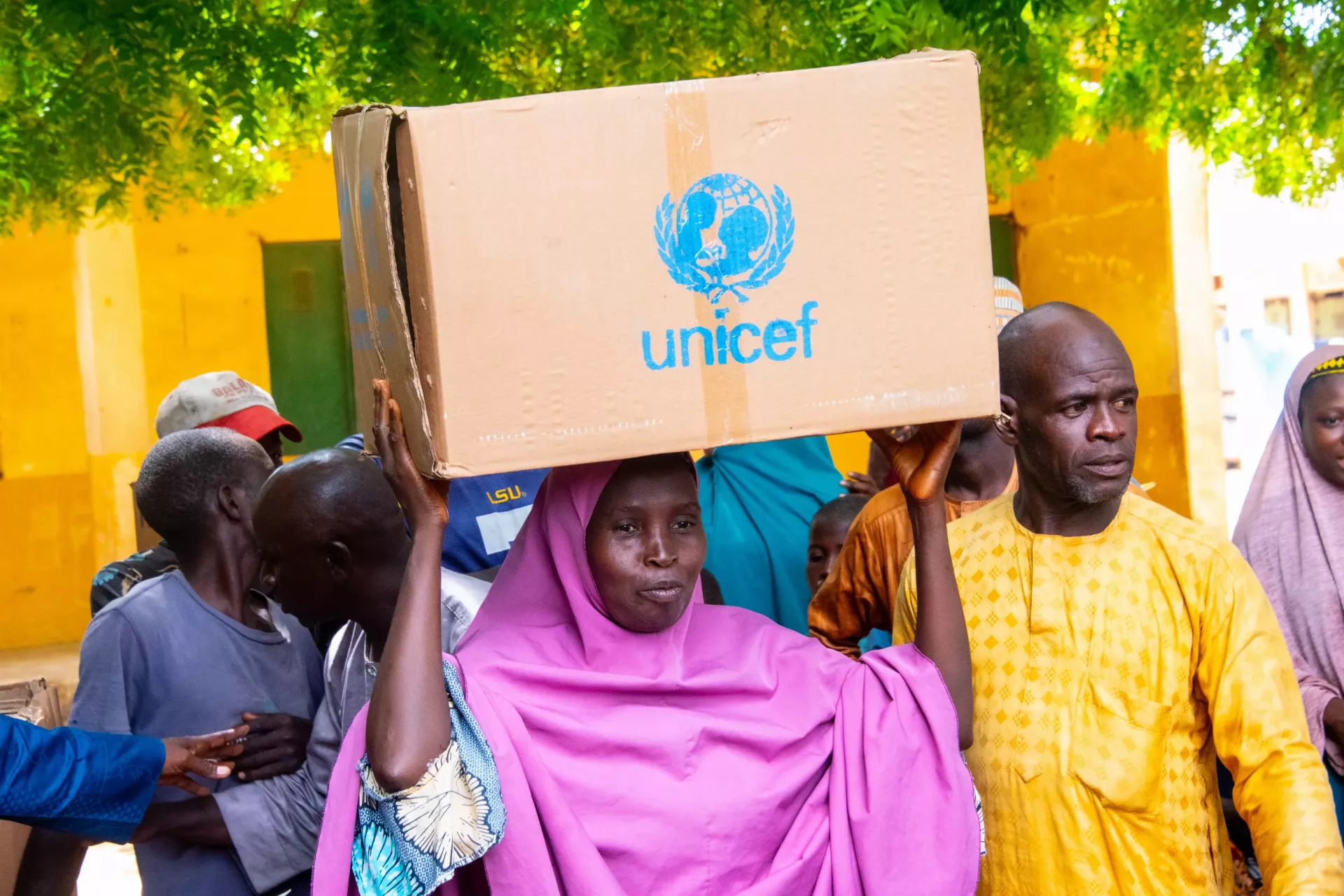
UNICEF, through the Jigawa state Rural Water Sanitation Agency (RUWASSA) has distributed Water, Sanitation and Hygiene (WASH) dignity kits, including water purification tablets to Ladi and the nearly 1,000 displaced persons at the Nassarawa IDP camp – to donated by UNICEF prevent water-borne diseases. The WASH dignity kits contain detergents, buckets, and soap, including reusable sanitary pads.
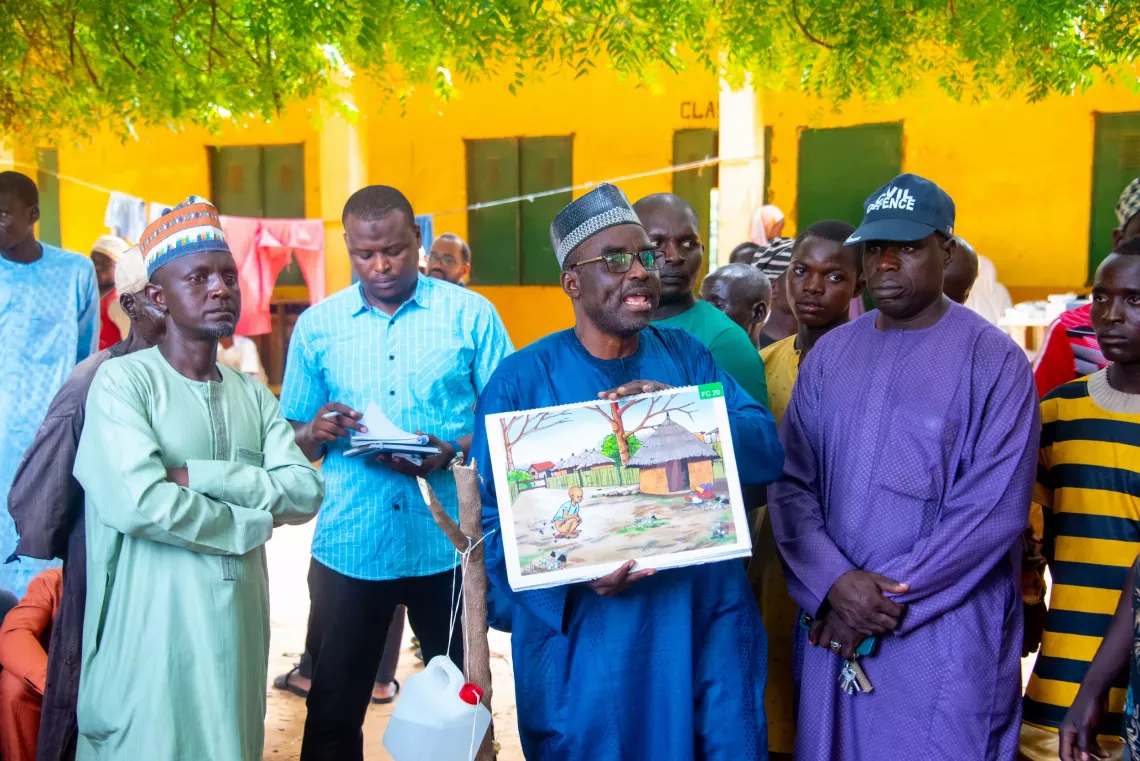
“We’re committed to helping affected communities recover from this disaster," said Engineer Kamal Ahmad of Jigawa RUWASSA, while distributing the WASH kits to displaced women donated by UNICEF at the Nassarawa IDP camp.
"We're grateful for UNICEF's support," Ladi said, appealing for more support so she and her family could begin to rebuild their lives. “We’ve lost everything; it’s going to be difficult to start all over again, but the sooner we start that phase, the better for us,” noted Ladi. Her husband, Malam Adamu, corroborated: "We're starting from scratch."