Promoting a safer online experience for children in Namibia
Safer Internet Day 2019 - Together for a better internet
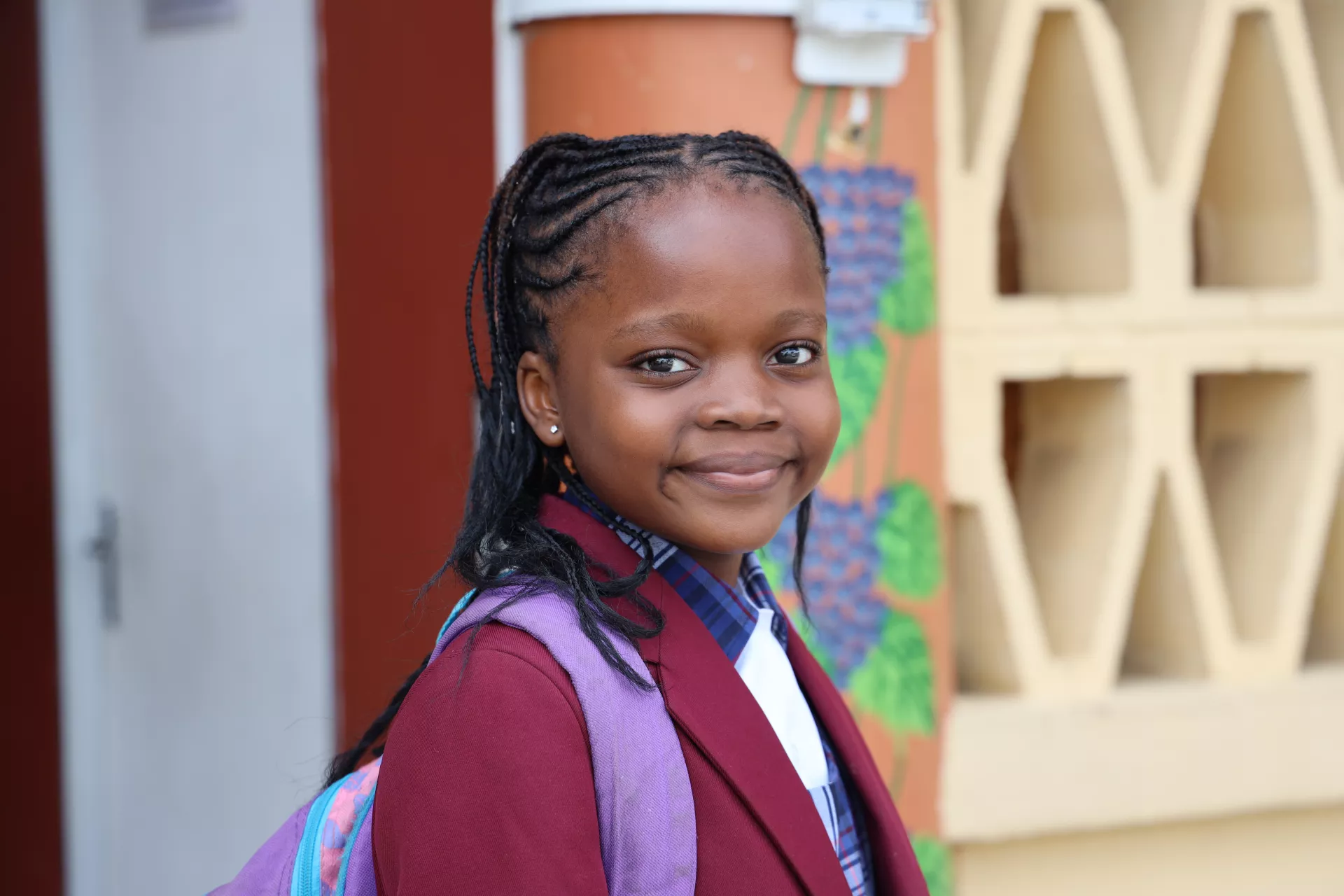
Windhoek, 01 April 2019 - Dressed in her blue and white school uniform accompanied by a maroon blazer, tech savvy 10-year-old Tunohole Uundjenu who is also a radio presenter for Lifeline Childline’s Uitani Radio, has learnt a thing or two about using and protecting herself online.
“I mostly use the internet to research school projects, but I also use it to entertain myself. I watch funny videos on YouTube and play online games like Fortnite and Roblox” says the outspoken grade 4 learner from the Windhoek Central Primary School.
Tunohole is just one of the increasing number of young people with access to the internet.
According to the International Telecommunications Union (ITU) more than 65% of young people in developing countries are online.
Furthermore, a study conducted by UNICEF Namibia in 2016 showed that 93% of surveyed Namibian children between the ages of 13 – 17 used the internet or had access to a mobile phone.
Despite the known benefits of the internet such as exchange of ideas and maintaining friendships, various research shows the potential risk it can pose to children if not managed properly.
The UNICEF Namibia study conducted in 2016 also indicated that 68% of surveyed children reported having seen sexual content they did not wish to see online. This is just one of several risks Namibian children face online.
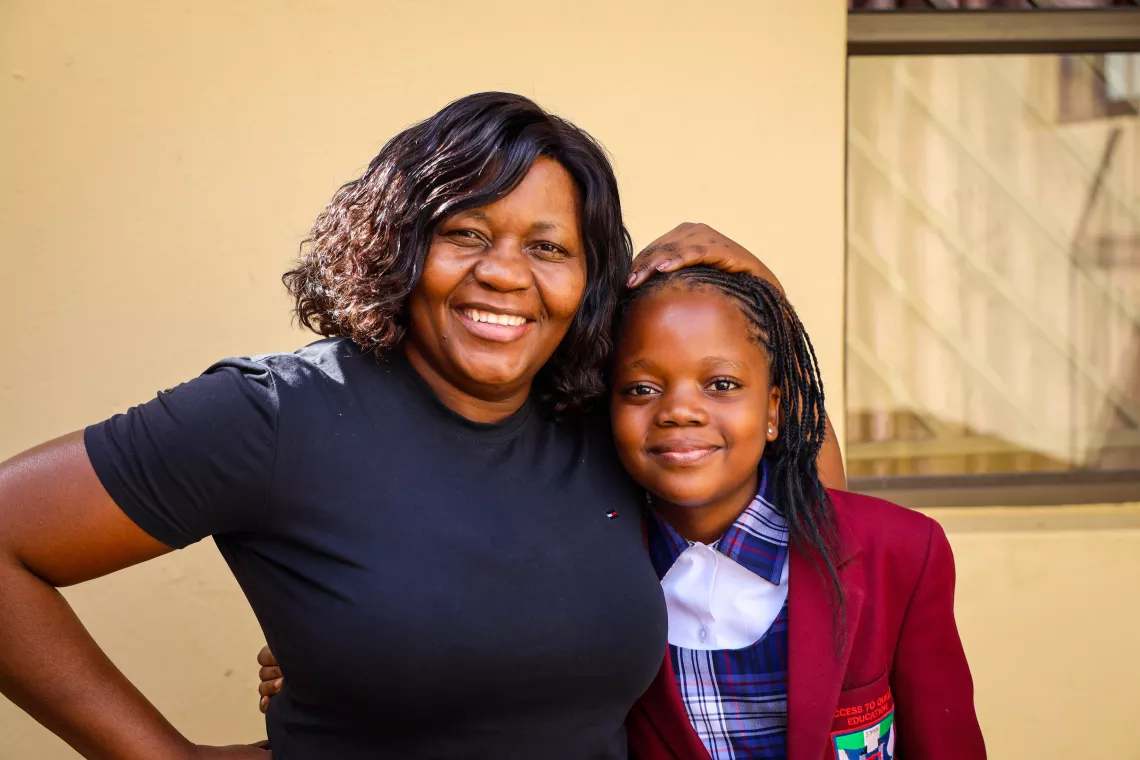
Thankfully Tunohole has not experienced this because of interventions her mother Johanna Uunjenu has put in place. According to Tunohole, her mother ensures that she uses her login credentials for all her online interactions. This provides Tunohole with a sense of safety as her mother can easily monitor anything that may happen to her online.
“I protect myself online by logging onto chrome with my mother’s Gmail account. This way it connects to her phone and shows my online history. I also use the knowledge I’ve gained through Lifeline Child Line, to identify and report any unwanted or inappropriate activities” she says
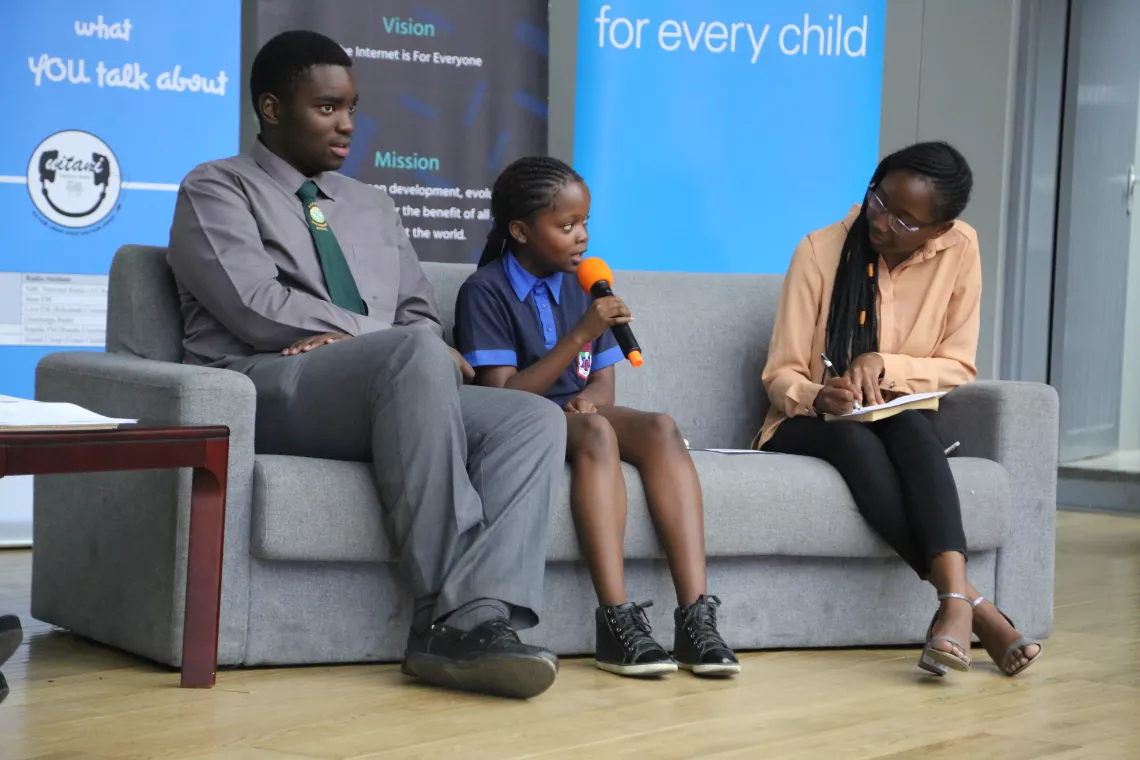
The issue of parental supervision versus access to information was a bone of contention during Safer Internet Day commemorated on the 5th of February where Tunohole was a panelist, discussing key issues regarding safety online.
Each year, the UNICEF supported Safer Internet Day, aims to raise awareness on emerging online issues by focusing on a topic reflecting current issues affecting children on the internet.
At this year’s celebration Tunohole was joined by around 120 learners from 35 schools around Windhoek. The learners were also joined by parents, teachers and various stakeholders who actively participated in the event by sharing their views on why it’s important to stay safe online.
Days like Safer Internet Day are just a part of a larger discussion about what Namibians from all walks of life can do to keep their children safe online. As a build up to the day, Lifeline/Childline with support from UNICEF Namibia, conducted regional school outreach campaigns in eight regions with a focus on child online safety, reaching 11,229 children just like Tunohole.
The overall goal of the campaign was to engage learners on the various risks and dangers they might encounter online and provide them with concrete advice on how to respond to risky situations.
Speaking at the commemoration, which took place at a local school in Windhoek, UNICEF Namibia Representative, Rachel Odede said that the government of Namibia, with support from UNICEF continue to create awareness of emerging issues that affect children online such as cyberbullying, phishing and sexting.
“In Namibia, the government has since 2015 greatly invested in strengthening Namibia’s capacity to ensure all children have a safe online experience" said Ms. Odede
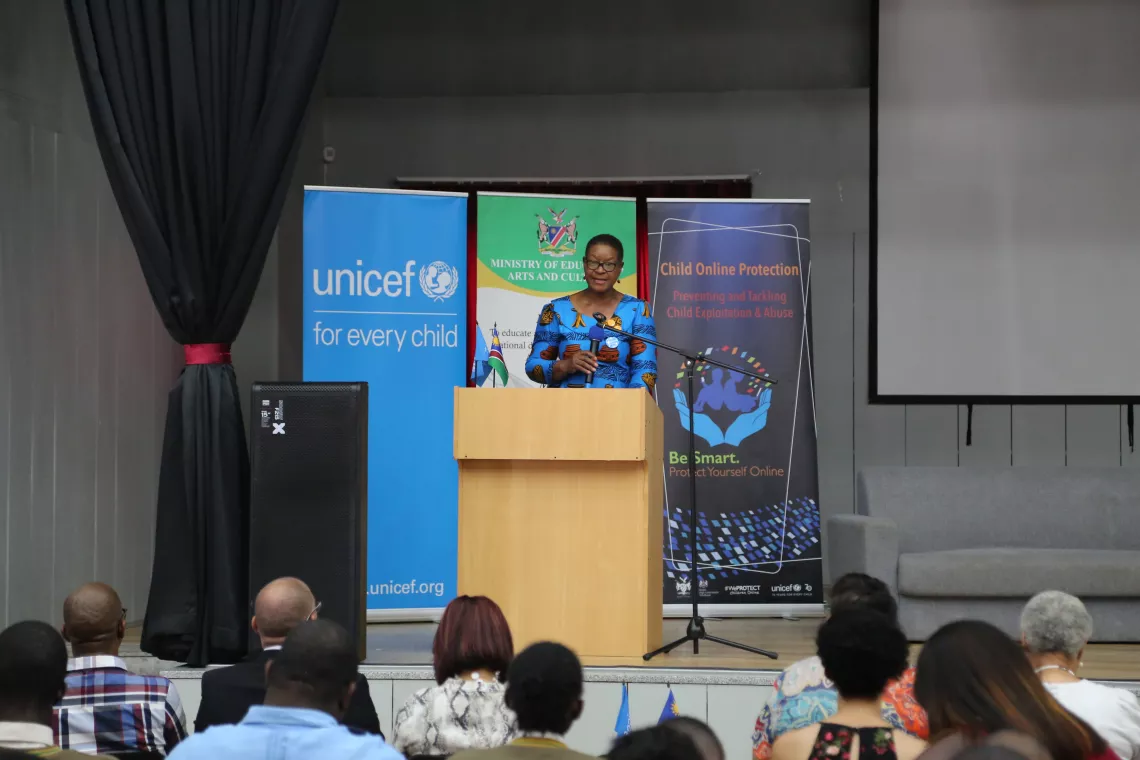
"The Child Online Protection Task Force, which is made up of various government entities, industries and NGO’s, will continue to play a pivotal role by working towards putting mechanisms in place to make the internet safer for Namibian children,” she said
Tunohole realizes the power of the internet. She strongly feels that every young person should have access to the internet, as a way to get information and to connect with other young people across the globe. “I would like a smartphone because everyone in class has a smartphone and they’re always getting together on WhatsApp, so I’d like to keep in contact with my friends even if it’s not physically but technologically” she says with a smile on her face.
Fortunately, with all interventions in place she has enough knowledge to recognize that with the great power of the internet, there’s an even greater responsibility to protect yourself from harm online.