Support for parents and children from birth
With support from UNICEF and the Republic of Korea, healthcare workers are being trained to better support parents during home visits after childbirth
- Crnogorski
- English
- Shqip
Podgorica, 27 June 2024 – Even during the pregnancy with their recently born son Luka, their first child, Ana and Nikola were not sure whether they would handle the role of parents well.
“There are always fears – even if you think you’re strong and can handle everything. You wonder if you’ll be able to do it, how to pick him up because he’s so small,” Ana says.
Nikola, her partner, had a different concern – whether he could provide enough support for Ana.
“Because now she bears the greatest burden of raising Luka, I worried about whether I could provide her with sufficient support. Even today, I think about this, but I see that we’re doing well,” he says.
“You’re doing great,” Ana responds.
Ana Čobeljić and Nikola Banićević are participants in UNICEF’s “Caring for the Caregiver” programme, implemented worldwide since 2020. It trains healthcare workers to better support parents during pregnancy and after childbirth.
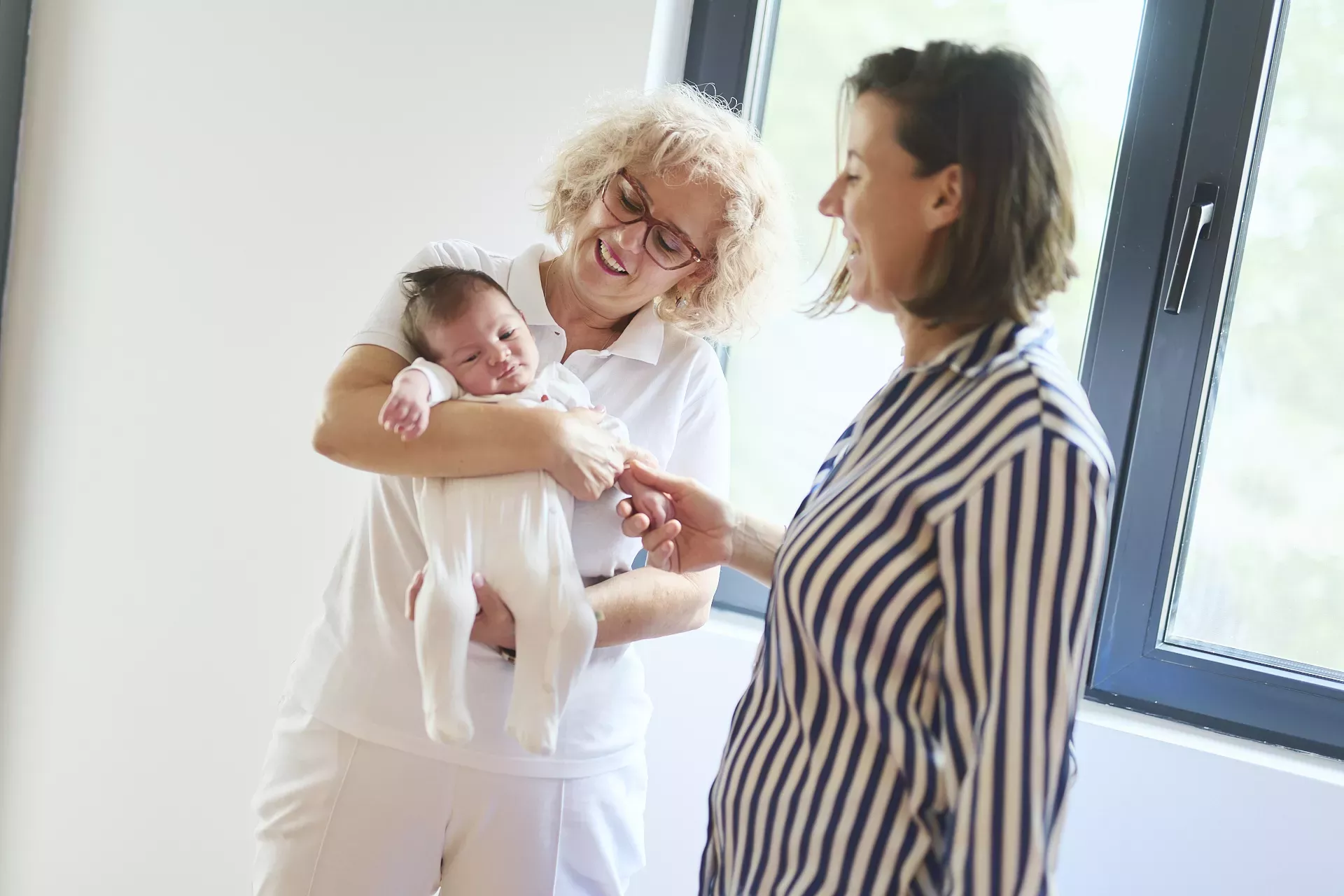
Vesna Vukčević, a home-visit nurse from Podgorica’s Primary Healthcare Centre, completed this training and is now a vital support to Ana and Nikola.
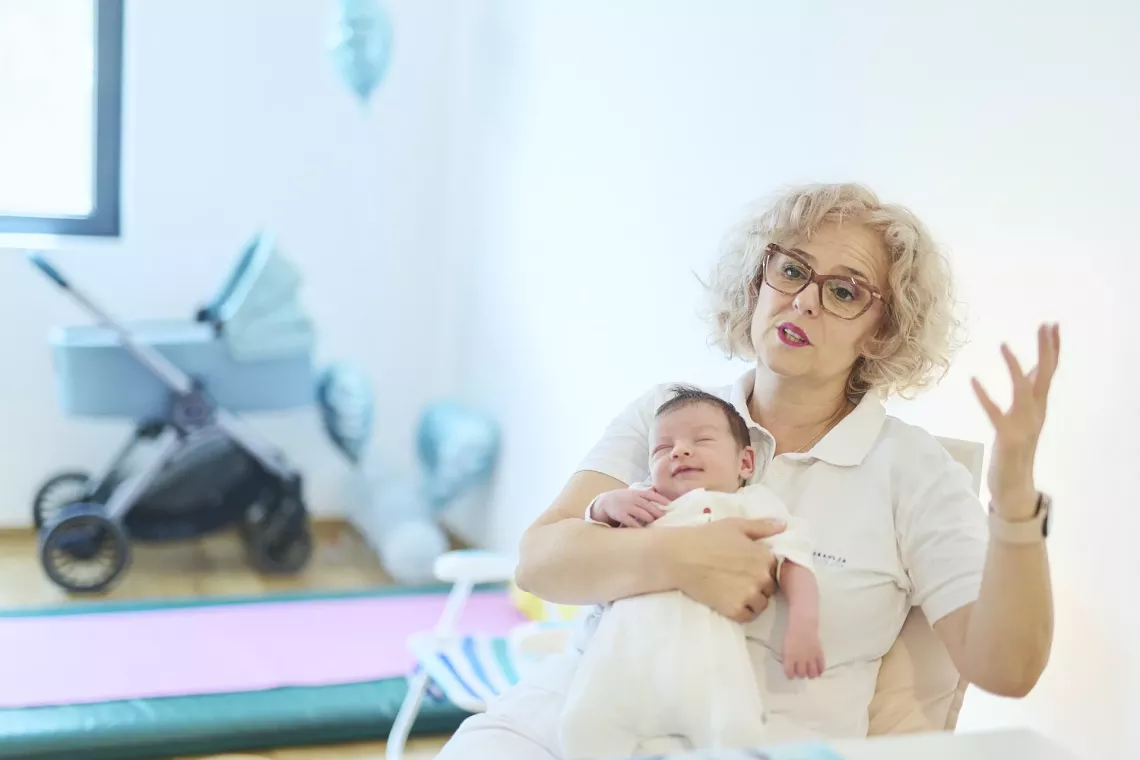
I used to ask parents how they were feeling, but it was more casual. Now, we focus more on how they feel
Before joining this programme, Ana and Nikola thought that home visits were just about someone demonstrating the technical aspects of baby care. It turned out to be quite the opposite. They both say that Vesna has become a person of trust, almost like a family member.
Vesna points to the crucial role of parents’ emotional wellbeing, as their children rely on them for everything. This responsibility can be exhausting, especially if parents carry this burden alone. Healthcare workers can provide vital support to all parents, particularly those experiencing stress or living in challenging circumstances.
“We make an effort to listen more to parents and strive to be a person of trust,” Vesna adds.
When asked about the parents’ common concerns, Vesna mentions fears about inadvertently harming the baby’s umbilical cord, ensuring the baby sleeps well, feeding and changing routines, bathing frequency, and whether they should take the baby outdoors.
Reflecting on their experiences with Vesna, Ana and Nikola believe that this parental support programme should continue with an increased number of home visits beyond the planned three.
The state should become more involved in the programme
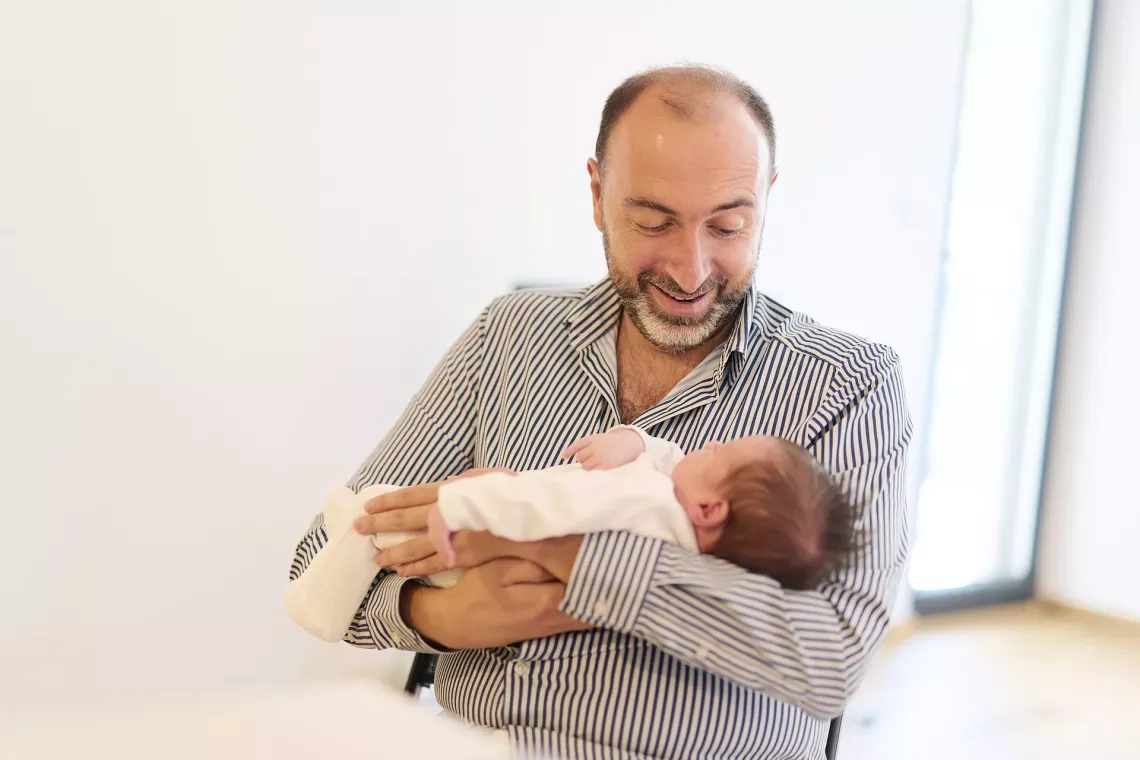
In Montenegro, this programme has been implemented since March 2024 in the primary healthcare centres in Berane, Bijelo Polje, Budva, Cetinje, Podgorica, Kotor, Nikšić and Ulcinj, with the support of UNICEF and the Republic of Korea. So far, nearly 200 families have benefitted from it after only 15 practitioners were trained for its implementation.
Contact with the home-visit nurses starts when mother leaves the maternity ward and gives her contact details and address or through the child’s chosen paediatrician at the primary healthcare centre. Pregnant women can also establish contact through their chosen gynaecologist at the primary healthcare centre.