"The golden minute" - crucial for baby's life and development
Maternity wards in Montenegro are enhancing their knowledge and skills in neonatal resuscitation in line with UNICEF’s recommendations on the quality of maternal and neonatal services
- Crnogorski
- English
- Shqip
Podgorica, 4 November 2024 − The “golden minute”, which begins immediately after birth, can be critical for a baby’s development. “Timely intervention can save the lives of many newborns, as the decision of whether the baby requires routine care or resuscitation is made within seconds,” Milorada Nesovic, a paediatric neonatologist with over 25 years of experience, explains.
She elaborates that approximately 85 per cent of newborns start breathing spontaneously at birth, while the remaining 15 percent need some form of assistance. On average, 10 percent begin breathing after stimulation, 5 percent require positive pressure ventilation, 2 percent need intubation, and 1 to 3 out of every 1,000 newborns require chest compressions and medication.
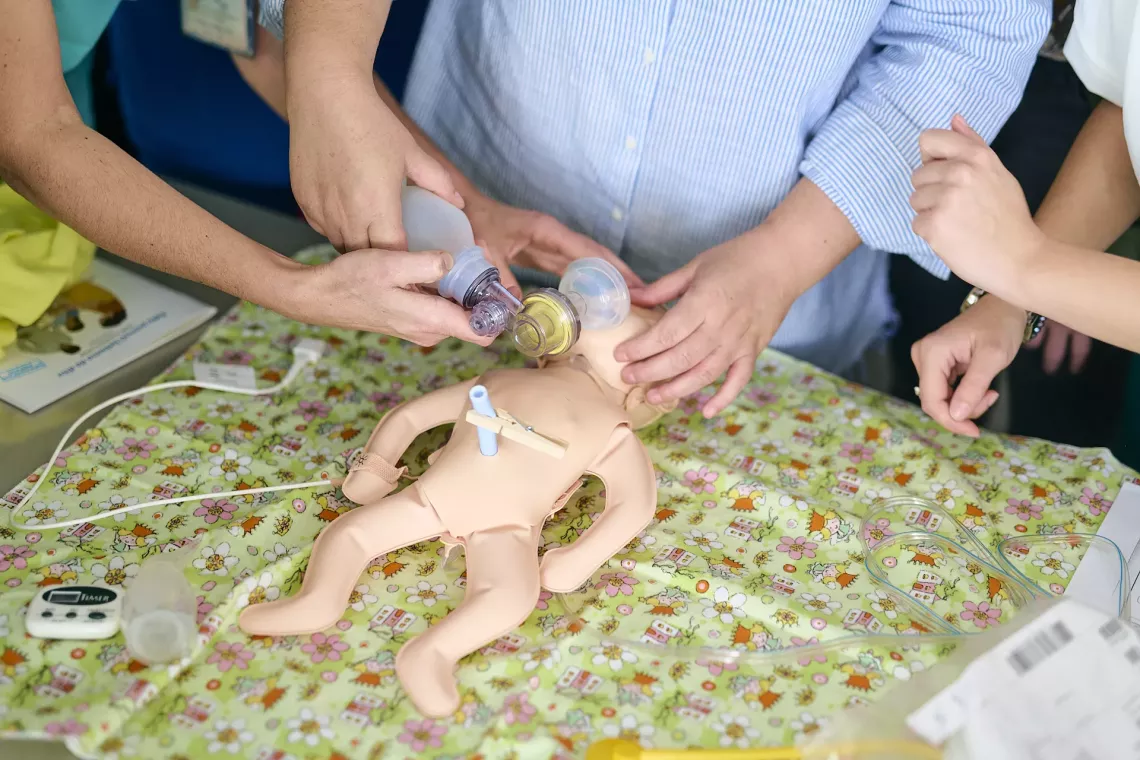
To ensure that birth attendants can act effectively during the “golden minute”, all maternity wards in Montenegro have conducted neonatal resuscitation training with support from LDS Charities and UNICEF, in harmony with UNICEF’s recommendations following the Assessment of the Quality of Maternal and Neonatal Services in Montenegro.
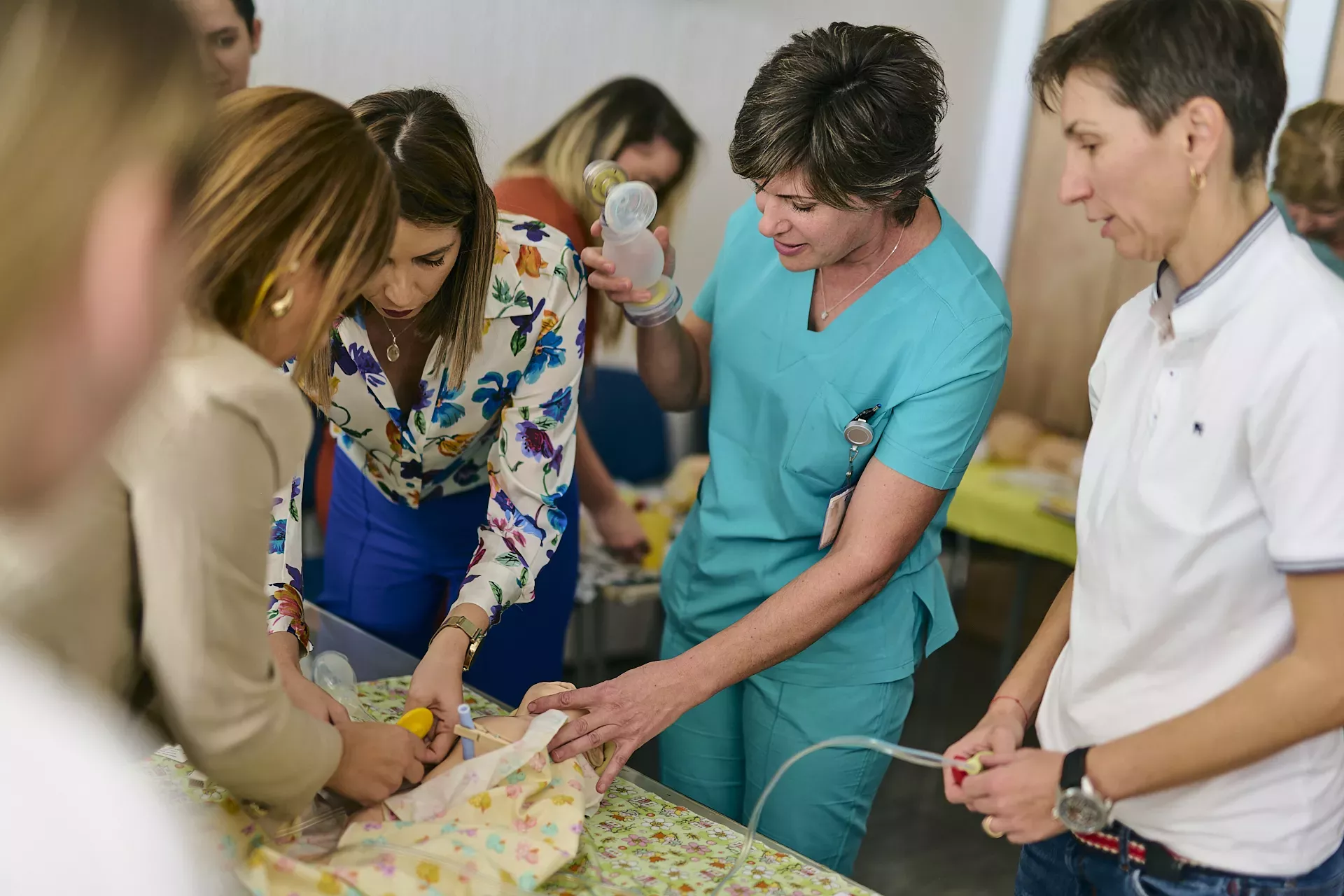
Dr. Nesovic, who served as a trainer in these sessions, conducted a workshop on 28 October for 35 doctors and nurses at the Gynaecology and Obstetrics Clinic of the Clinical Centre of Montenegro, the facility handling the highest number of deliveries annually. Similar training sessions were previously held at maternity wards across the country.
“What’s new about this training is that it involves everyone who works with newborns — gynaecologists, midwives, paediatricians and paediatric nurses. Previous sessions were mainly limited to paediatricians, neonatologists and paediatric nurses. We are striving to ensure that everyone working with babies is trained to provide help when needed,” Dr. Nesovic emphasizes.
Saveta Stanisic, a neonatologist and head of the Term Newborn Department at the Gynaecology and Obstetrics Clinic, highlights the importance of including gynaecologists and midwives in these sessions, as they are the first to be beside the mother during delivery. “No matter how well the pregnancy was monitored, every birth can surprise us. It is essential to be educated and ready to provide proper assistance to the baby. The person closest to the newborn must act in the child’s best interest,” Dr. Stanisic concludes.
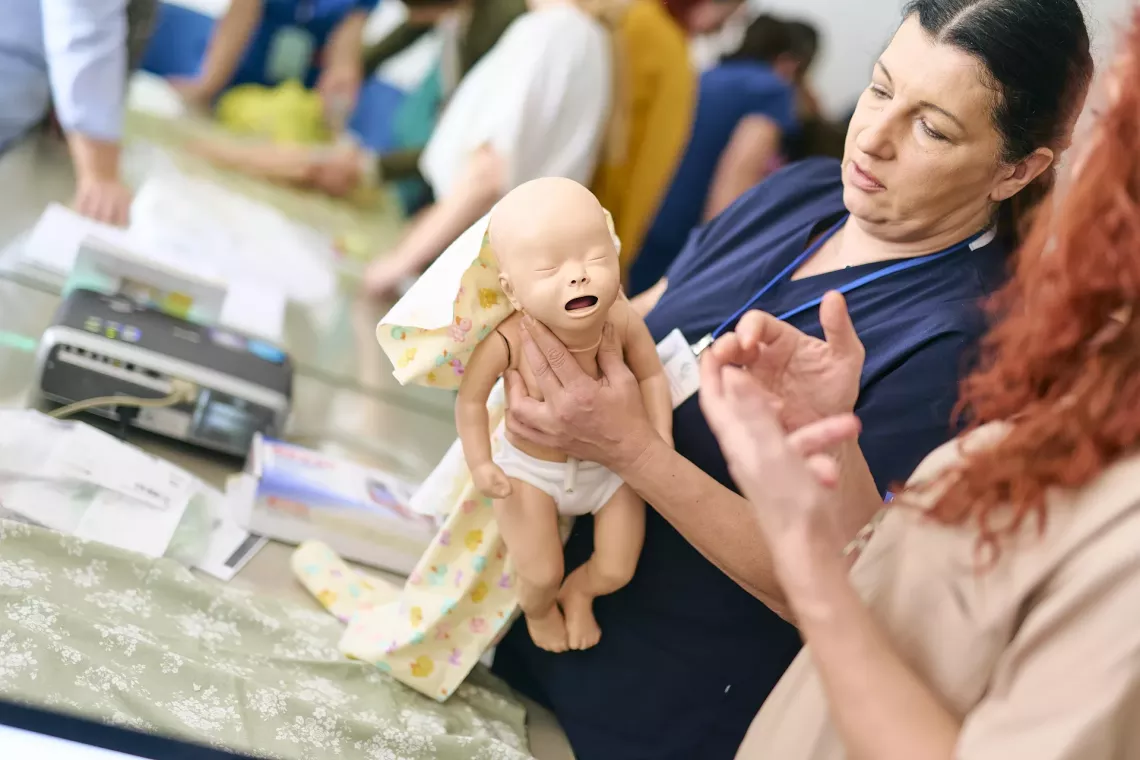
For Vladana Orucevic, a midwife with 23 years of obstetrics experience in the delivery room, this was her first training of this kind. “I learned something new that will be useful in my future work. Hopefully, I will not need it too often, but it is vital for preparation and gaining experience that I did not have before. These kinds of training programmes should be held more frequently to ensure that as many of us as possible are prepared for high-risk situations,” she stresses.
Paediatrician Ana Dedic also underscores the importance of these skills and their application. “We heard today that over 80 per cent of babies transition smoothly, but you can never predict everything, even with a perfectly normal medical history. Unforeseen situations can always arise. Being part of a well-trained team helps us feel more confident in providing the best and most effective care for the baby,” she says.
With UNICEF’s support, the Clinical Centre of Montenegro plans to develop standardized protocols for newborn care next year, ensuring that all maternity hospitals adhere to the best international practices.
Dr. Nesovic concluded by sharing that the most beautiful sound in the delivery room is the baby’s cry and its first breath.