Roma children among the most vulnerable in access to basic services
UNICEF and the Ombudsperson call for accelerated reforms to improve access to and quality of services for all disadvantaged children
- Crnogorski
- English
- Shqip
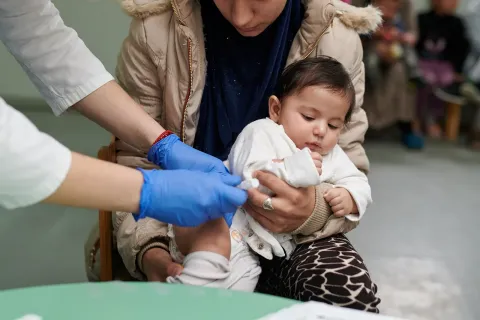
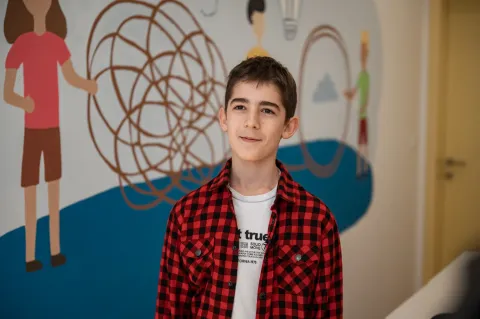
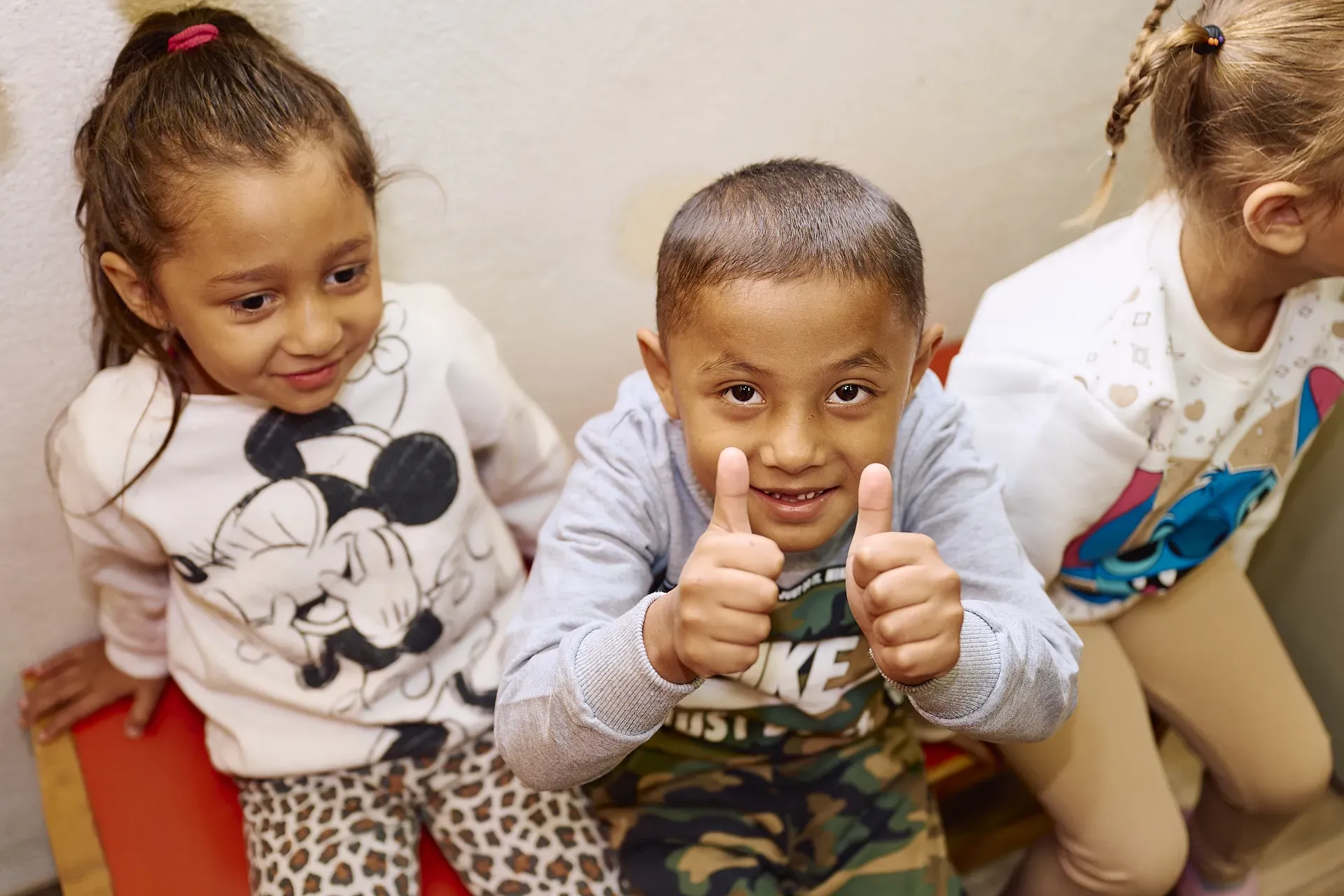
PODGORICA, 8 April 2026 – On the occasion of International Roma Day, UNICEF Montenegro and the Protector of Human Rights and Freedoms of Montenegro warn that many Roma children in Montenegro are among the most vulnerable when it comes to access to basic services, and call for accelerated reforms to ensure that every child has equal opportunities.
Montenegro has made progress in increasing the enrolment of Roma children in education, including through the provision of free textbooks and the engagement of school mediators. However, significant challenges remain. While almost all Roma children enrol in primary school, only one in four attends preschool education, and the same proportion continues to secondary education. In addition, one in three Roma girls enters into marriage before the age of 18, limiting their opportunities and making it more difficult to break the cycle of poverty.
“When children face barriers in accessing basic services, their opportunities are limited from the very beginning. For example, inadequate housing conditions and lack of access to water make it harder for Roma children to access education. Removing these barriers is essential to ensure that no child is left behind,” said UNICEF Montenegro Representative Michele Servadei.
Child poverty is a consequence of limited access to quality services. For many children, especially those growing up in vulnerable communities, this means being unable to attend preschool, access healthcare and social protection, and growing up in inadequate living conditions. Without accessible and quality services, children face a significantly higher risk of remaining trapped in intergenerational poverty.
“Equal access to education and basic services is a fundamental human right. Institutions must take concrete measures to prevent discrimination and remove barriers that prevent children from fully exercising their rights and reaching their full potential,” said the Ombudsperson Siniša Bjeković.
Although Roma children are among the most affected, these challenges also impact other children growing up in poverty and inadequate conditions, highlighting the need for inclusive solutions that improve the lives of all disadvantaged children.
UNICEF and the Ombudsperson for Human Rights and Freedoms of Montenegro call on the competent institutions to strengthen coordinated action to advance the rights of Roma children and families, including:
- ensuring birth registration and issuance of personal documents for every child, especially children without citizenship or at risk of statelessness;
- improving access to basic services and living conditions for the most vulnerable families, including accelerating social housing programmes;
- enhancing access to quality healthcare, social and child protection services, including parenting support and employment assistance;
- systematising and strengthening the role of Roma mediators in healthcare, employment, and the social and child protection system, with clearly defined responsibilities and standardised job descriptions;
- increasing the enrolment of Roma children in preschool education through support to parents, improved outreach, and provision of transportation to kindergartens;
- preventing school dropout through the engagement of social work centres, additional learning support, and assistance in completing primary and secondary education;
- supporting youth employment to help break the cycle of intergenerational poverty.
UNICEF and the Ombudsperson also call for stronger prevention of all forms of violence, including violence in digital and offline environments, begging, exploitation, and child marriage.
Accelerated reforms are necessary to ensure that quality services become accessible to all children and respond to their real needs, especially those growing up in poverty and social exclusion.
Continuous investment in inclusive and quality services is key to breaking the cycle of poverty and exclusion. Every child has the right to grow up in dignity, safety, and with equal opportunities.