Children learn how to resolve conflicts through conversation
With the support of UNICEF and the Ministry of Education, Science and Innovation, schools in Montenegro are introducing peaceful conflict resolution among students

- Crnogorski
- English
PODGORICA, 17 March 2026 – At a time when conflicts among children are becoming increasingly common, schools in Montenegro are introducing school mediation – a new approach to preventing peer violence, based on dialogue, mutual understanding and students’ active participation in finding solutions.
Mediation is a process in which a neutral third party – a student or teacher – helps children who are experiencing a misunderstanding or conflict reach a solution themselves through dialogue. The role of a school mediator is not to decide who is right, but to guide the process towards reconciliation through a carefully facilitated conversation. The programme is being implemented in 19 primary schools across Montenegro and is still in its pilot phase. It was launched by the Association of Mediators of Montenegro, in cooperation with UNICEF and the Ministry of Education, Science and Innovation, drawing on practices from the European Union.
At Novka Ubović Primary School in Podgorica, students have a dedicated space called the “mediation corner”, designed for the peaceful resolution of conflicts. According to the students, they often leave the space having reached an agreement.
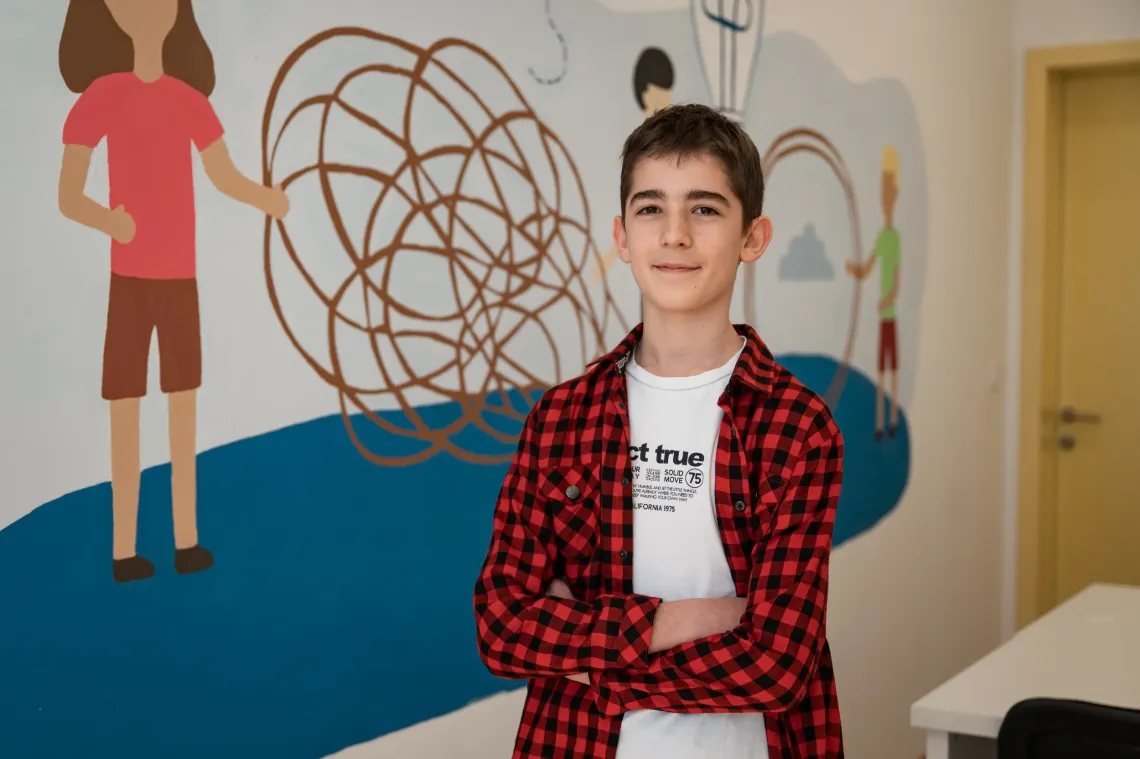
“When they come in, they think there is no way out. But there is a way out, and they are the ones who find it,” says David Sorat, a seventh-grade student who completed a ten-day training programme and became a peer mediator.
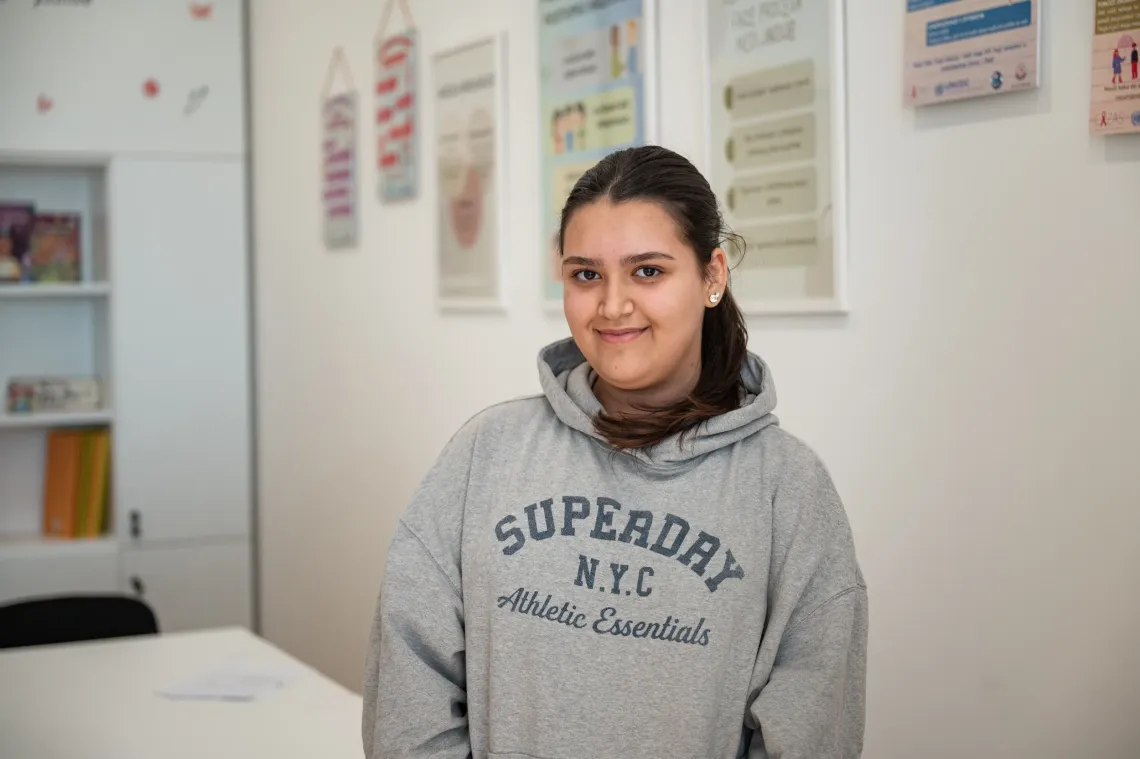
His schoolmate Đina Ražnatović, who is also a peer mediator, says that the programme has changed the way she responds in conflict situations.
“I used to take sides or get involved and become upset. Now I respond more calmly, listen to both sides and work with them to identify the cause of the problem. The hardest part for me was remaining neutral. At first, it was difficult because you always know one person better or feel closer to them. But I realized that I had to focus on the problem, not the person,” says Đina.
The support of school staff is essential to the success of the programme. School principal Ljiljana Ćorac-Ražnatović points out that mediation helps create a safe environment in which children learn to listen to one another and reach solutions through tolerance, mutual respect and understanding.
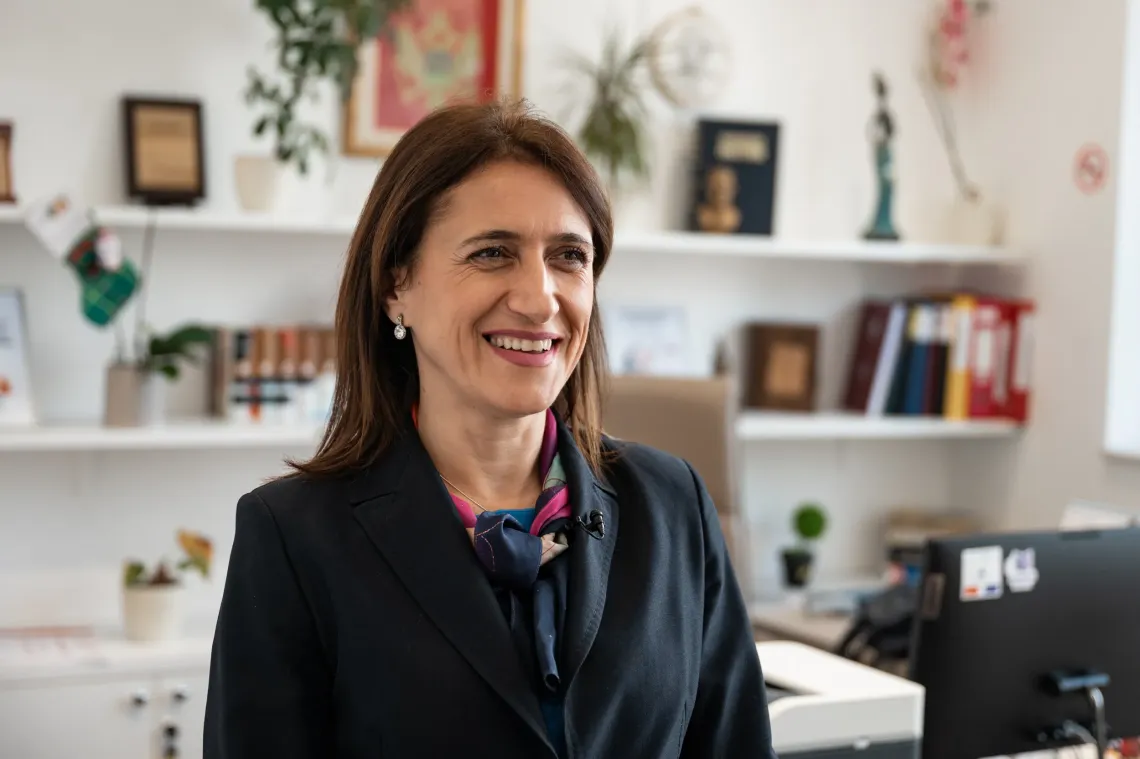
“Although there were challenges at the outset, experience quickly demonstrated the value of school mediation, as children leave the mediation corner feeling satisfied and explain how they found a solution themselves, with the guidance of a mediator,” she says.
Marina Lutovac from the Association of Mediators says that the programme was launched in response to the rise in peer violence in schools.
Two years ago, the Council for the Rights of the Child adopted an Action Plan for the Prevention of Peer Violence, which identified school mediation as one of its activities. The Association then launched the project with the support of UNICEF and the Ministry of Education, Science and Innovation.
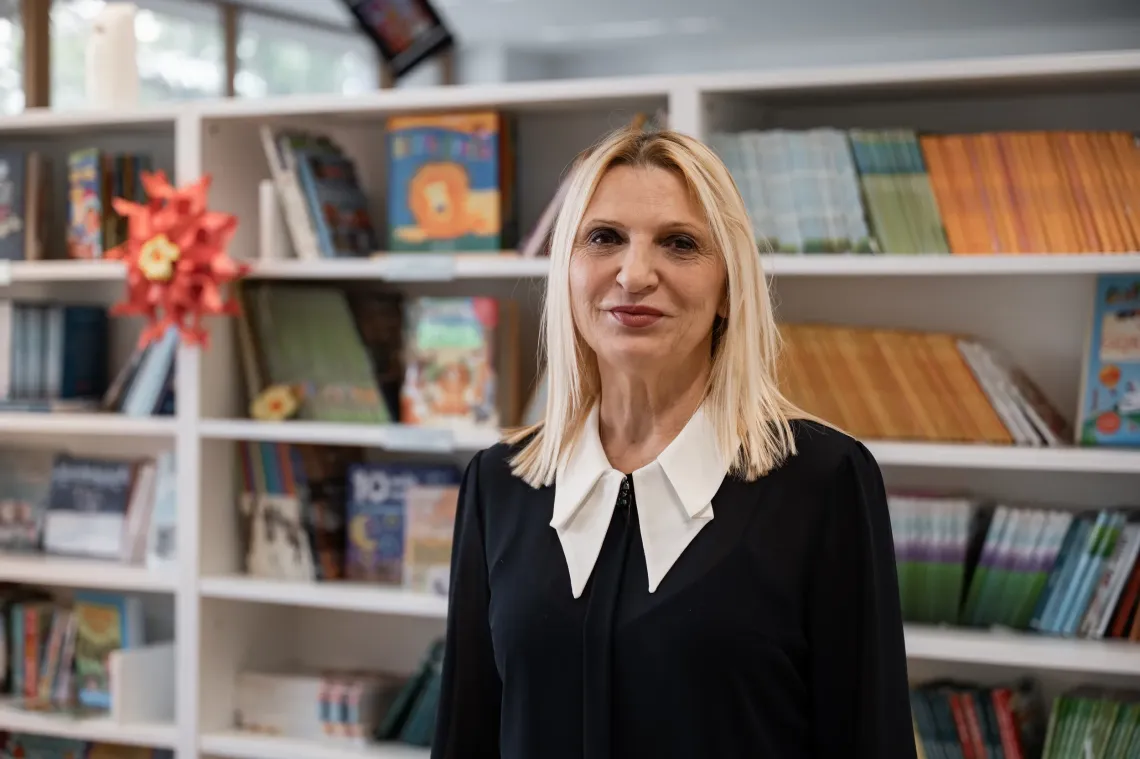
“Our goal is to introduce mediation in every school and make schools safe spaces where conflicts are resolved peacefully. For children, the hardest part is often admitting that they have a problem, and mediation provides them with a safe space to talk about it,” said Lutovac, highlighting the importance of UNICEF’s support in enabling the project to take root and continue developing.
According to Lutovac, children who grow up with programmes like this will be more empathetic and will approach potential conflicts in a peaceful and constructive manner.
“When we teach children from an early age to listen, respect others and embrace differences, we are raising generations that are more responsible and tolerant. This is extremely important for society,” Lutovac says.
Psychologist Marija Zejak points out that children find it easier to open up to their peers, allowing problems to be resolved in a timely manner, before they develop into more serious conflicts.
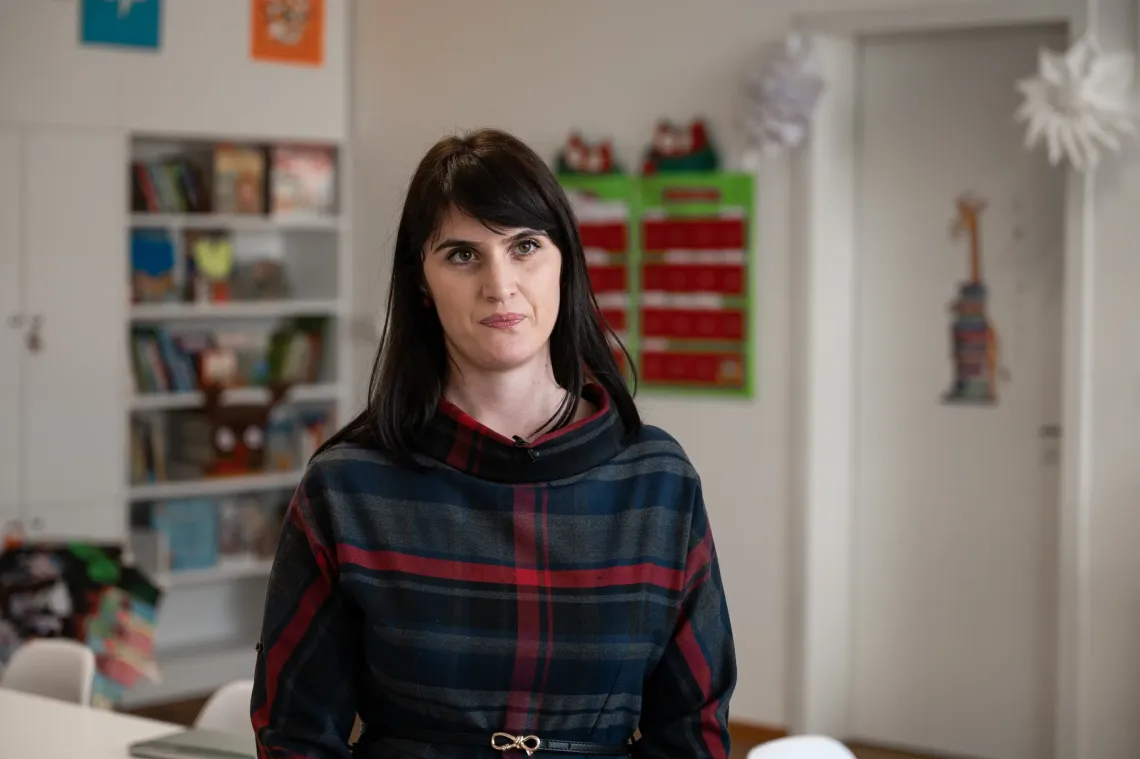
She cites the example of a conflict between two students over comments made in a Viber group, which later escalated at school. Through mediation, the girls focused on their feelings rather than making accusations and realised that the conflict had arisen from a misunderstanding and a lack of communication. They agreed to communicate more effectively in the future.
David also confirms that the path to reconciliation is not easy, as students are sometimes unwilling to talk even to him at first, let alone to each other.
Resolving conflicts at an early stage prevents more serious problems and strengthens relationships among children, which is why school mediation should be introduced in all schools across Montenegro. In 2026, the programme is being expanded to an additional 10 primary schools as part of the initiative “Strengthening the system support on prevention of violence against women, girls and boys”, implemented by UNICEF and UN Women in partnership with the Government of Montenegro, with support from the Montenegro Acceleration Fund (MAF), backed by the European Union and the governments of Luxembourg, Switzerland, Montenegro, Austria and Ireland.