Home-visiting programme maturity model assessment
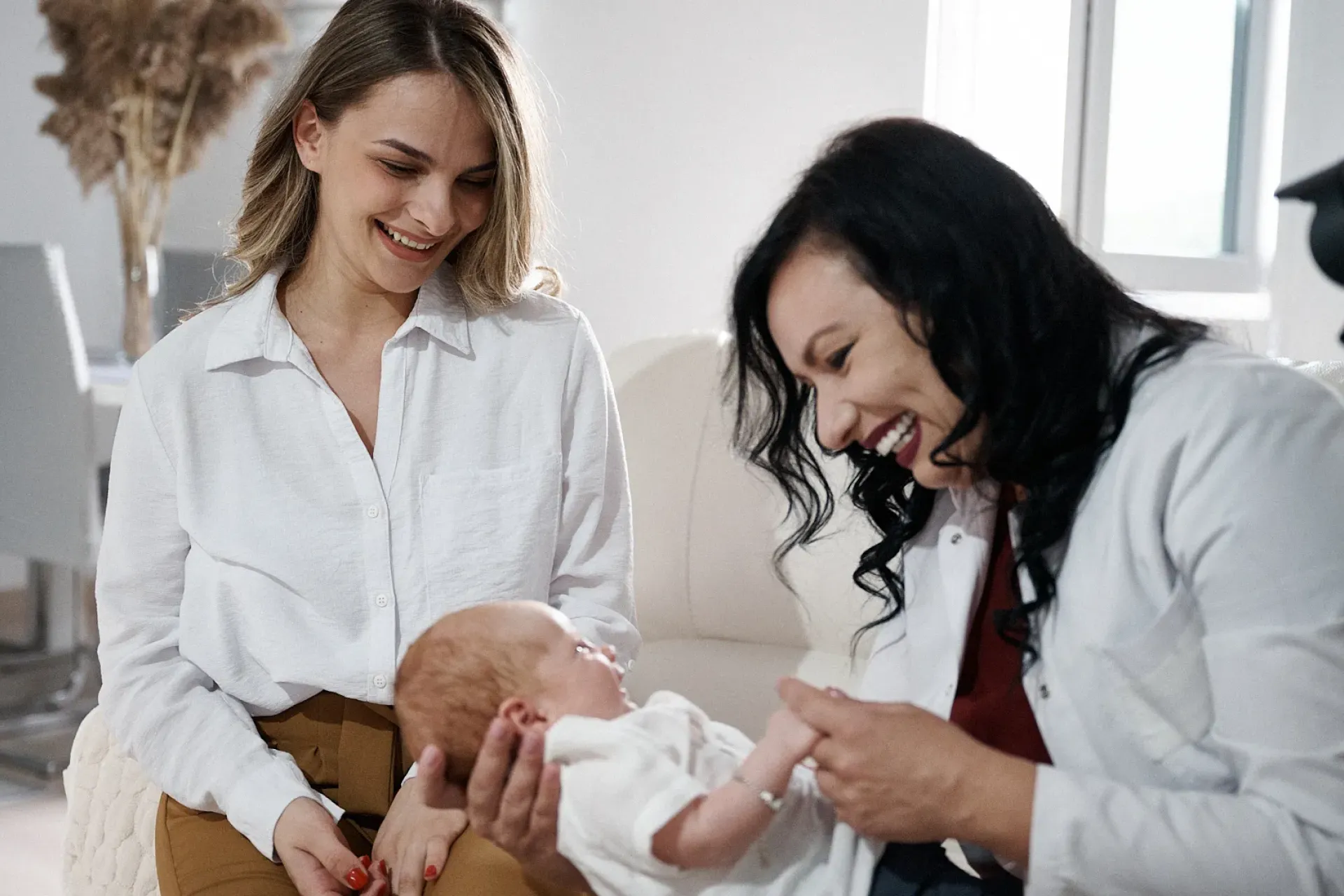
Home visiting services are one of the key services for improving the health of children, pregnant women, postpartum women and families through preventive and counselling support provided in the home
- Crnogorski
- English
Highlights
Home-visiting services are an important component of primary healthcare in Montenegro and represent a key service for improving the health of children, pregnant women, new mothers and families through preventive and counselling work in home settings, particularly in communities with greater health and social needs. Although Montenegro is currently applying a universal home-visiting model, additional visits are also carried out as needed by home visiting (“patronage”) nurses, providing a foundation for the development of a progressive model. Given the presence of indicators of inadequate healthcare and parenting practices, it is necessary to strengthen home-visiting services to ensure timely and continuous support for all families – particularly those in vulnerable circumstances – and thereby improve child health and early childhood development.
The Universal Progressive Home-Visiting Programme Maturity Model Assessment (UPHVMMA) is a UNICEF standardized tool for assessing the maturity of systems that enable and support home visiting. It is based on best practices and frameworks developed by the World Health Organization (WHO) and covers key health system domains. The model aims to identify strengths and areas
for improvement, guide decision makers in optimizing services, and encourage dialogue among all stakeholders. In doing so, it contributes to improving the quality, accessibility and sustainability of home visiting services for children and families.