Nourishing mothers, nurturing futures: How MMS is supporting pregnant women in Mongolia
Munkhtuya and Otgonjargal's story
- English
- Mongolian
Around the world, hundreds of millions of women experience anaemia and micronutrient deficiencies during pregnancy. These invisible conditions can weaken immunity, raise the risk of complications during pregnancy and birth, and affect a child’s growth and cognitive development.
Multiple micronutrient supplements (MMS) – a small tablet containing essential vitamins and minerals – are one of the most effective, low-cost ways to safeguard maternal health and improve birth outcomes.
Through UNICEF’s Improving Maternal Nutrition Acceleration Plan, this life-saving intervention is now reaching more women than ever before thanks to coordinated financing and in-kind support from partners.
Expanding maternal nutrition in Mongolia
In Mongolia, anaemia and nutrient deficiencies remain a concern, especially in rural and nomadic communities. Although the government began including MMS in local health budgets in 2019, currently around half of pregnant women access these supplements.
With support from UNICEF, Mongolia is helping to close this gap. Since 2024, 55,000 bottles of 180 MMS tablets have been distributed, using the United Nations International Multiple Micronutrient Antenatal Preparation (UNIMMAP) formulation – enough for six months of daily supplements for each pregnant woman. A further 55,000 bottles of UNIMAPP MMS will be arriving in-country shortly.
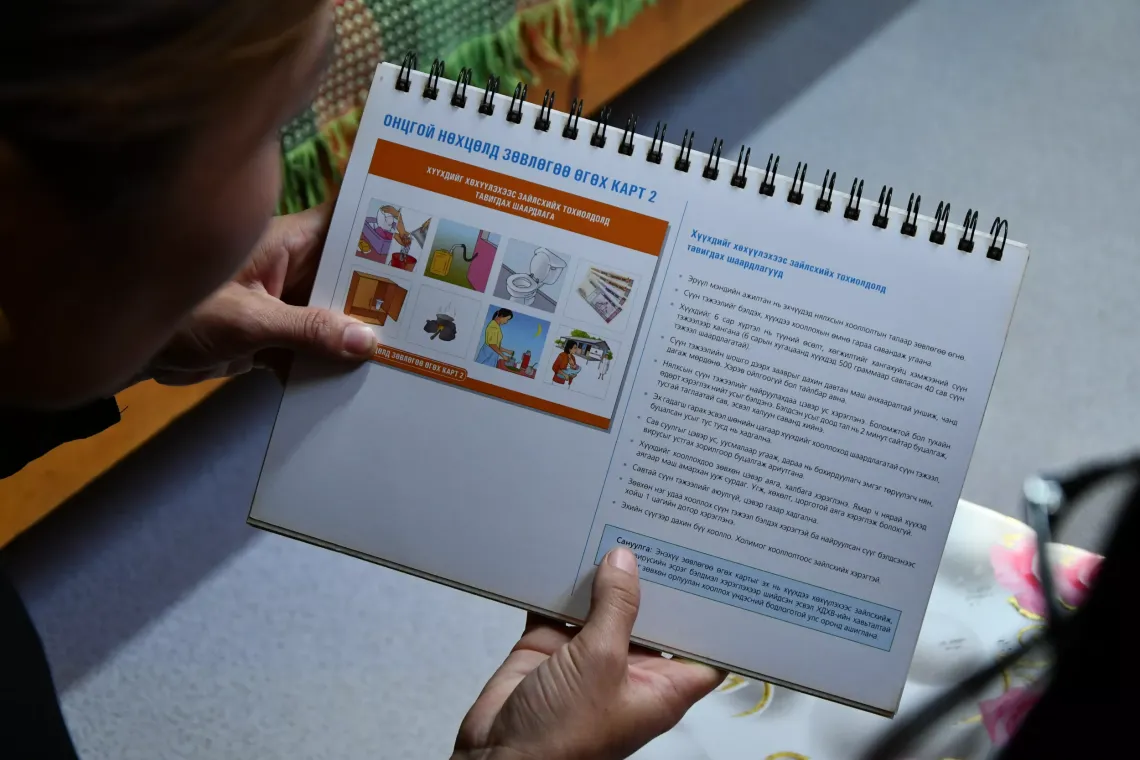
UNIMAPP MMS is specially formulated with 15 essential vitamins and minerals to support women’s health during and after pregnancy. Each supplement provides 10 key vitamins – including A, D, E, C and the B-vitamin group with folic acid – along with five important minerals such as iron, zinc, copper, selenium and iodine. Taken daily throughout pregnancy and the early months after childbirth, MMS helps mothers stay healthy, reduce the risk of anaemia and other micronutrient deficiencies, and gives their babies a stronger start in life |
“I felt like I could enjoy my pregnancy” – Munkhtuya’s story
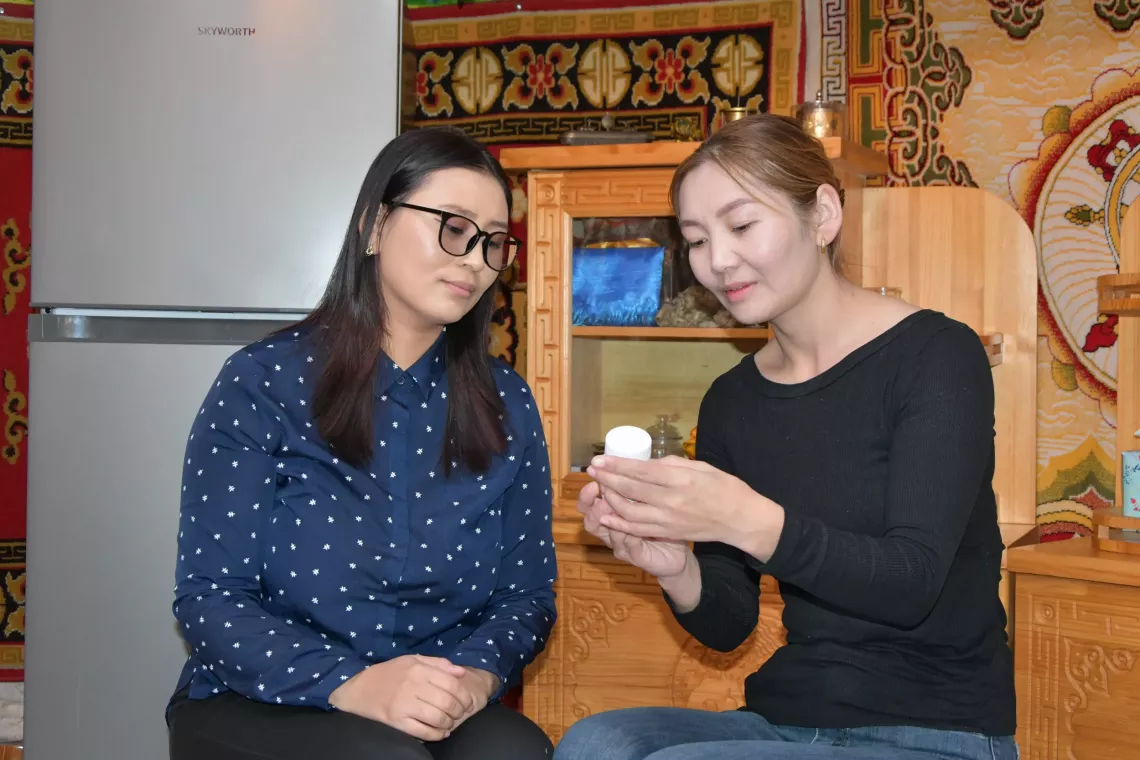
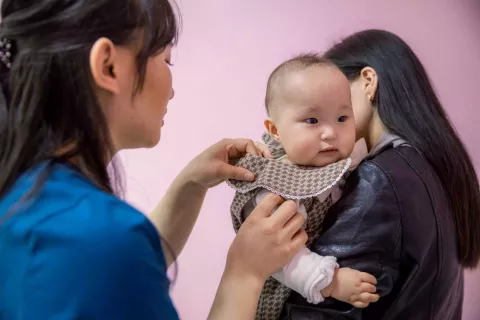
In the quiet steppes of Sukhbaatar province, 24-year-old Munkhtuya remembers the early months of her pregnancy as an emotional time.
“During my first trimester, I had morning sickness, food aversions and mood swings,” she says. “I used to search online about how to manage them and joined a pregnant women’s group to learn more.”
When she visited her local clinic, her doctor introduced her to MMS – explaining that it contained essential vitamins and five minerals, including iron, zinc and folic acid, that are vital for a healthy pregnancy.
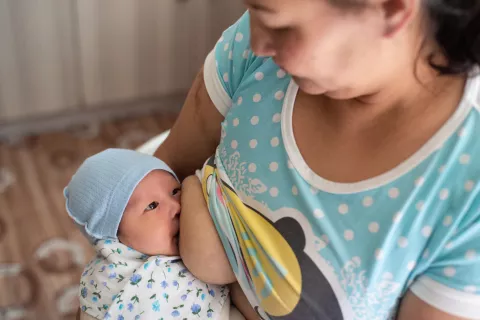
After a few weeks, I began to notice a significant reduction in my symptoms. I felt less nausea and had a better mood,” says Munkhtuya with a smile. “Even after labour, I felt less tired and full of energy. I’m a happy mother raising my child.”
“I want more mothers to experience the same” – Otgonjargal’s story
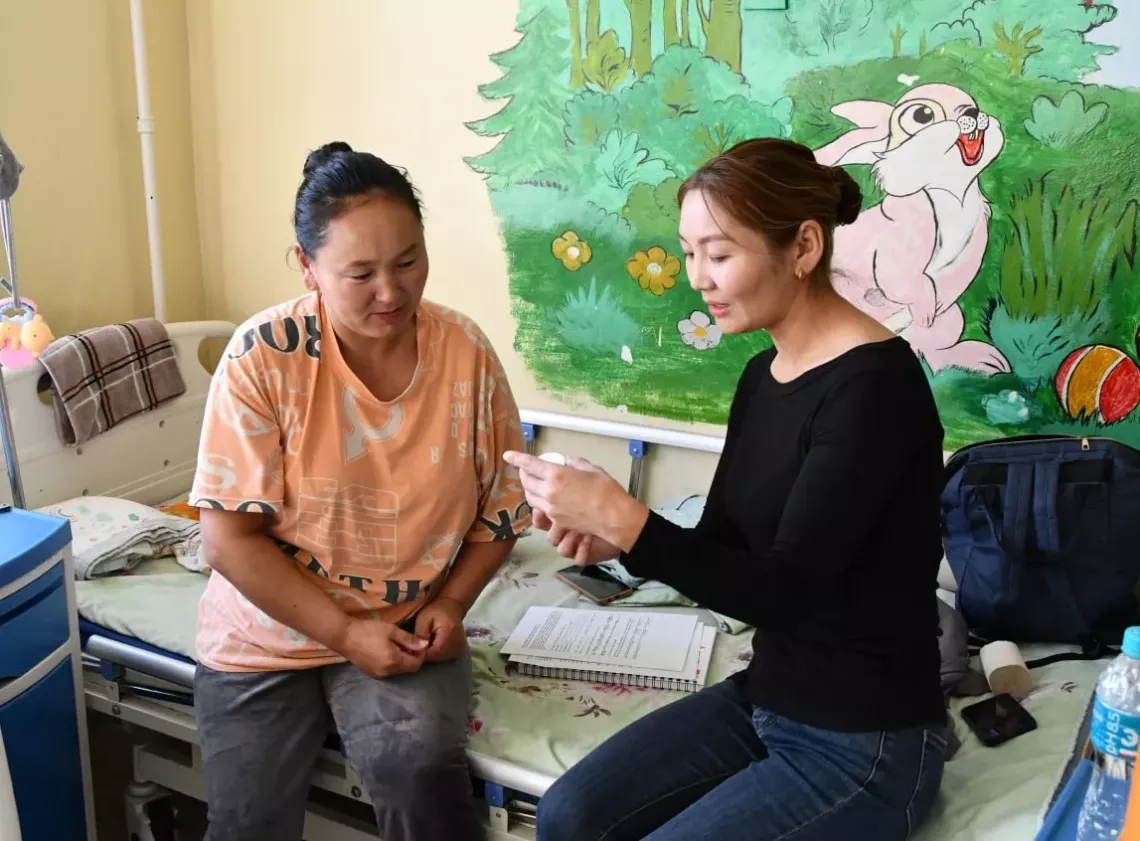
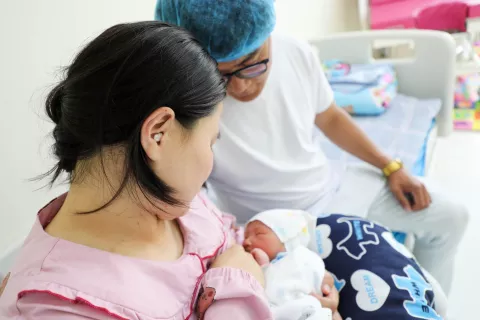
For 37-year-old Otgonjargal, also from Sukhbaatar, this was her fourth pregnancy – but the first time she received MMS.
“In my previous pregnancies, I never took any supplements,” she recalls. “This time, my doctor gave me MMS supplied by UNICEF and explained how and why to take them.”
A month later, she felt a difference.
“I felt lighter and had reduced symptoms. Compared to my previous pregnancies, I was more energetic and had fewer complications. Before, I was told I had anaemia, but this time, the doctor said I didn’t.”
She also noticed less fatigue.
“I used to think pregnancy symptoms were unavoidable,” she says. “Now I know they can be reduced. I want more mothers out there to take MMS and experience the results.”
Partnerships for change
Since 2024, UNICEF Mongolia has procured and distributed 55,000 bottles of MMS for pregnant women – made possible through the generous backing of the Mohammed bin Rashid Al Maktoum Global Initiatives (MBRGI) for programming funding and Kirk Humanitarian supplying the MMS. This effort has already reached around 80 per cent of expectant mothers nationwide, improving their health and that of their babies.
The vision is long term: to ensure every woman has the nutrients she needs for a healthy pregnancy – and every child the best possible start in life.