No child under the age of 6 from Nisporeni is growing up in residential care
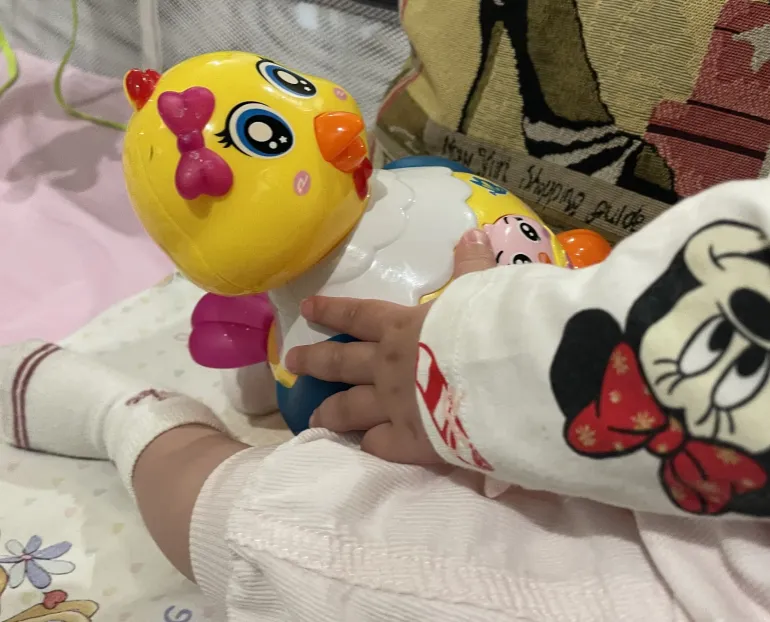
Nisporeni, 8 June 2026 – Nisporeni district has marked an important milestone in the reform of the child protection system: the last child under the age of 6 from Nisporeni has been deinstitutionalized from a placement centre for young children.
This result is part of the efforts carried out under UNICEF Moldova’s “Better care for children” project, implemented with the financial support of the Government of Sweden, in partnership with the Ministry of Labour and Social Protection of the Republic of Moldova and CCF Moldova.
Four years ago, Nisporeni was among the districts with a high number of children placed in residential care. Today, no child aged 0–6 from the district is growing up in a residential institution. Instead of an institutional setting, children now have the chance to grow up in a family, with individualized care, safety, emotional stability and a sense of belonging.
This achievement reflects the commitment of national and local authorities, child protection professionals, professional foster care families and development partners to ensuring every child’s right to grow up in a family-based and protective environment.
“Family is the first and most important protective environment for a child, and strengthening the capacity of families and communities to care for children is essential to upholding the rights of every child. Through the joint efforts of national authorities, UNICEF and civil society, the Republic of Moldova has made important progress in reforming the child care system, including through the deinstitutionalization of children, the development of family-based alternative care services and the strengthening of community-based services.
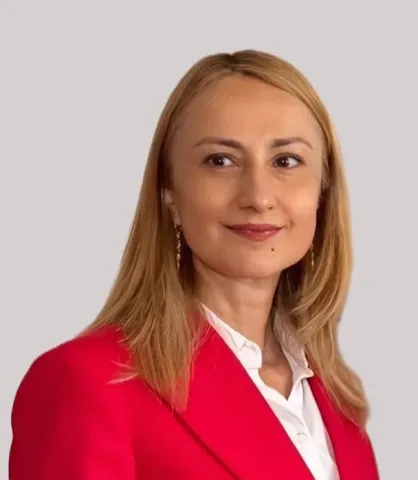
This transformation gives children the opportunity to leave residential institutions and grow up in an environment based on relationships, attachment and individualized support. The most important efforts must focus on preventing the separation of children from their families, which means not only protecting the child, but also strengthening the family, thereby reducing the need for more complex interventions later on. Experience shows that deinstitutionalization requires significant efforts and entails higher social and financial costs than timely investments aimed at keeping children safe with their families,” said Viorica Dumbrăveanu, Child Protection Officer, UNICEF Moldova.
“The Centre-West Territorial Social Assistance Agency, through the Nisporeni Territorial Social Assistance Structure, reiterates that every child has the right to grow up in a family, in a safe, loving and protective environment. The results achieved in Nisporeni district — zero young children in residential institutions — demonstrate that, through collaboration, perseverance and joint commitment, children’s right to family life and community belonging can be ensured. For every child, deinstitutionalization means the chance to receive care, emotional stability and a future built at home. These achievements mark important progress in child protection and reaffirm our shared commitment to promoting the right of every child to grow up in a family environment,” said Marina Croitoru, Director of the Centre-West Territorial Social Assistance Agency.
The deinstitutionalization of young children is essential for their healthy development. The first years of life are decisive for a child’s emotional, cognitive and social development, while separation from family care can have profound effects on their well-being and development. Strengthening family support services, developing family-based alternatives and preventing the separation of children from their families are therefore key priorities in the reform of the child protection system.
The progress achieved in Nisporeni district was made possible through the collaboration of the Ministry of Labour and Social Protection of the Republic of Moldova, the Centre-West Territorial Social Assistance Agency, the Nisporeni Territorial Social Assistance Structure, professional foster care families, UNICEF and CCF Moldova, with the financial support of the Government of Sweden.
UNICEF continues to support authorities and partners in their efforts to reform the child protection system, so that every child in the Republic of Moldova can grow up in a family-based, safe and protective environment.
About the “Better Care for Children” project
UNICEF’s “Better Care for Children” project supports the Republic of Moldova in advancing the reform of the child protection system, so that every child can grow up in a safe, protective and nurturing family environment. Implemented with the financial support of the Government of Sweden, in partnership with the Ministry of Labour and Social Protection and in collaboration with national and local authorities, territorial social assistance structures, social service providers and partner organizations, the project contributes to preventing the separation of children from their families, developing family and community support services, strengthening family-based alternative care and transitioning children from residential care to family- and community-based services.
By 2025, through the project, 10,271 children had benefited from support aimed at preventing separation from their families and strengthening the resilience of families in situations of risk, including 62 children with disabilities and 81 young children. In addition, 327 children in residential care were assessed, 155 children were deinstitutionalized, 189 children received support for family reintegration or placement in family-based care, and 1,586 professionals were trained to support the reform of the child protection system.
Media contacts
About UNICEF
UNICEF promotes the rights and wellbeing of every child, in everything we do. Together with our partners, we work in 190 countries and territories to translate that commitment into practical action, focusing special effort on reaching the most vulnerable and excluded children, to the benefit of all children, everywhere.
For more information about UNICEF and its work for children, visit www.unicef.org
Follow UNICEF on Twitter, Linkedin and Facebook