For the first time in the Republic of Moldova, the intersection of violence against children and women is addressed through a national study
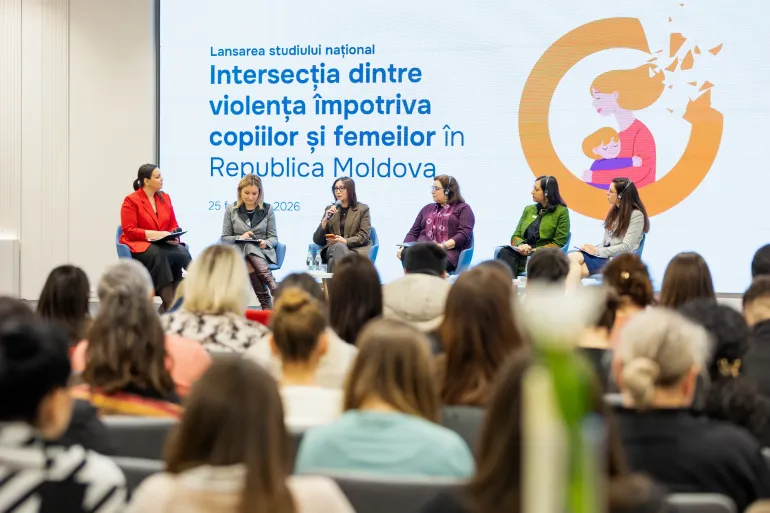
Chisinau, 26 february 2026. Violence against women and violence against children are not parallel phenomena. They coexist, overlap and, often, are transmitted from one generation to the next. For the first time in the Republic of Moldova, this intersection is being examined systemically through a national study that provides an integrated perspective on the scale, nature and implications of the phenomenon.
During the launch event of the National Study “The Intersection between Violence against Children and Violence against Women in the Republic of Moldova”, data, findings and recommendations were presented, outlining the need for a paradigm shift — from fragmented interventions to coordinated public policies and intersectoral prevention and response mechanisms.
The event brought together approximately 100 representatives of central public authorities and Parliament, development partners, civil society organizations, academia, students and child protection professionals, creating a space for dialogue on the intersectoral nature of preventing and combating violence against women and children.
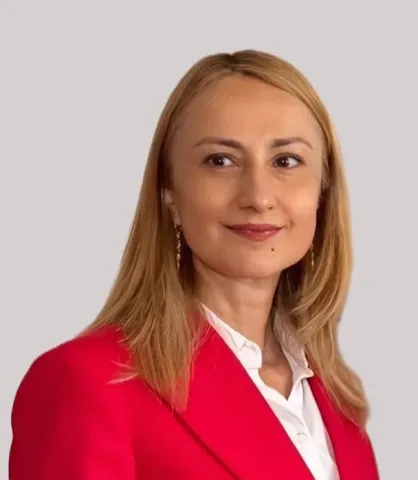
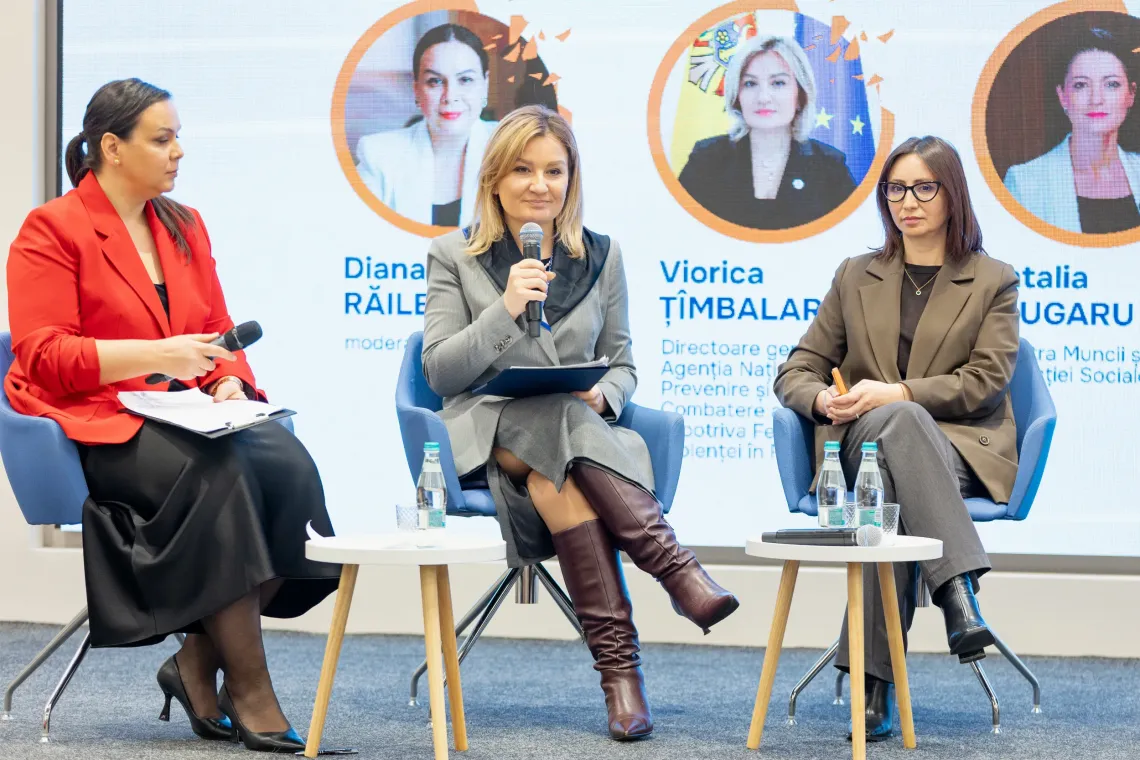
In her opening remarks, Viorica Țîmbalari, Director General of the National Agency for the Prevention and Combating of Violence against Women and Domestic Violence (ANPCV), emphasized that the study findings once again confirm the need for a unified and coherent system-level response:
“We cannot view violence against children and violence against women as two parallel realities. A paradigm shift requires an integrated, coordinated and consistently applied response. It means moving beyond fragmented systems and strengthening intersectoral mechanisms that work in practice, not only on paper.”
Member of Parliament Marina Morozova highlighted the openness of the Parliamentary Committee on Social Protection, Health and Family to support, through legislative instruments and ongoing dialogue with experts, the strengthening of violence prevention mechanisms and the improvement of services for women and children.
“Violence does not affect women and children separately. It manifests in the same space, within the same family, in the same context of vulnerability. Therefore, the state’s response must also be connected and coordinated. From Parliament’s perspective, we are committed to working together with institutions, field specialists and experts to improve the legislative framework so that we can more effectively protect women and children and strengthen support services.”
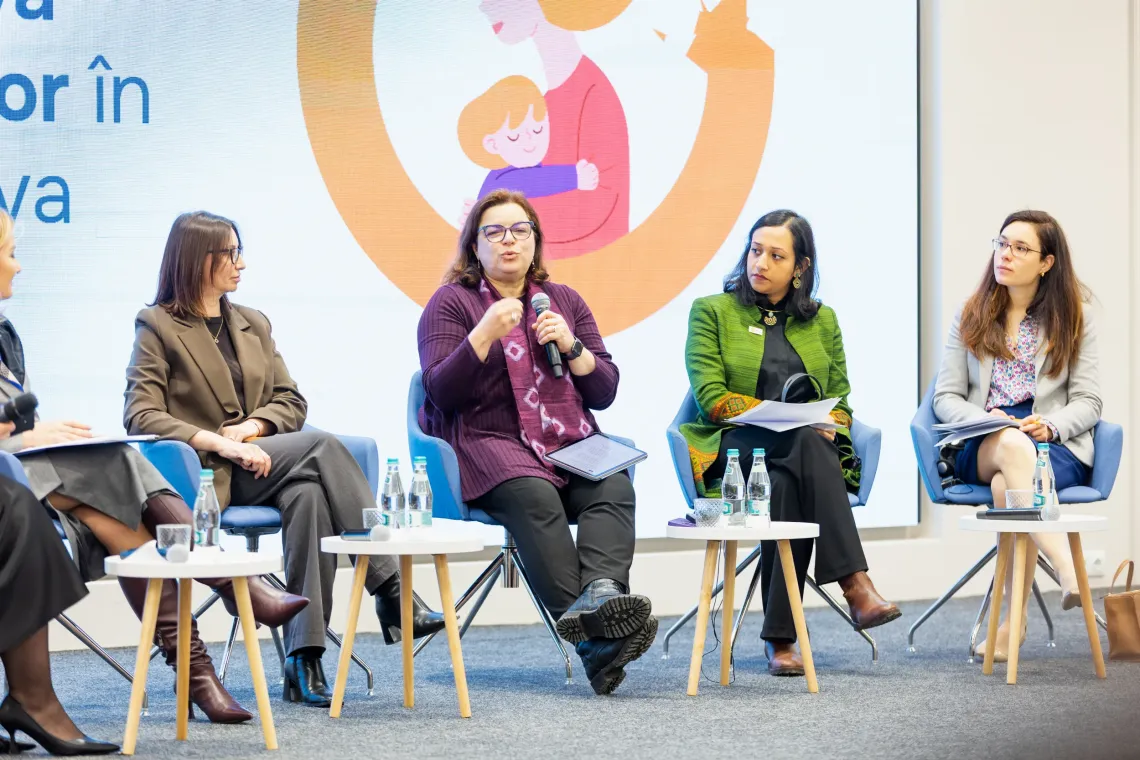
Maha Damaj, UNICEF Country Representative in the Republic of Moldova, stated that violence against women and children has common roots and must be addressed as an interconnected phenomenon affecting the entire family.
“The Republic of Moldova already has dedicated structures and professionals in place. The next step is to strengthen intersectoral collaboration and develop professional capacities for the early prevention of violence cases. In this regard, the study provides essential evidence to guide public policies and reinforce partnerships between authorities and international organizations.”
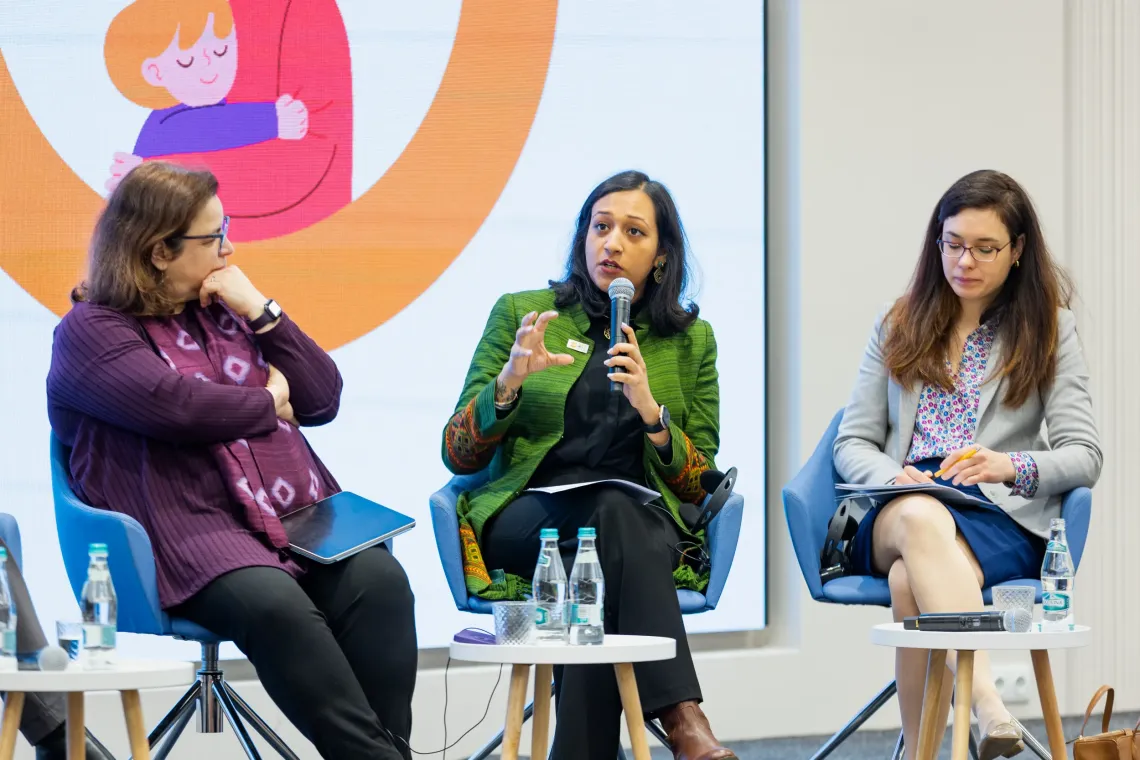
In the same context, Ashereen Jessy Kanesan, Gender-Based Violence Specialist at UNFPA, underlined that “UNFPA, together with the Government of the Republic of Moldova, supports the prevention and response to gender-based violence by addressing root causes, strengthening survivor-centred services and promoting intersectoral interventions for an effective and coordinated response. We believe that only by protecting children and women together can we break the cycle of violence and build a future of safety, dignity and equality for all.”
Rose Thomson, Development Director at the British Embassy, reaffirmed the United Kingdom Government’s commitment to supporting the Republic of Moldova’s efforts to prevent and combat violence against women and children. She highlighted the study’s role in providing solid evidence for developing effective interventions and emphasized the importance of long-term investments, national programmes and coordinated efforts to ensure the continuity and impact of protection measures.
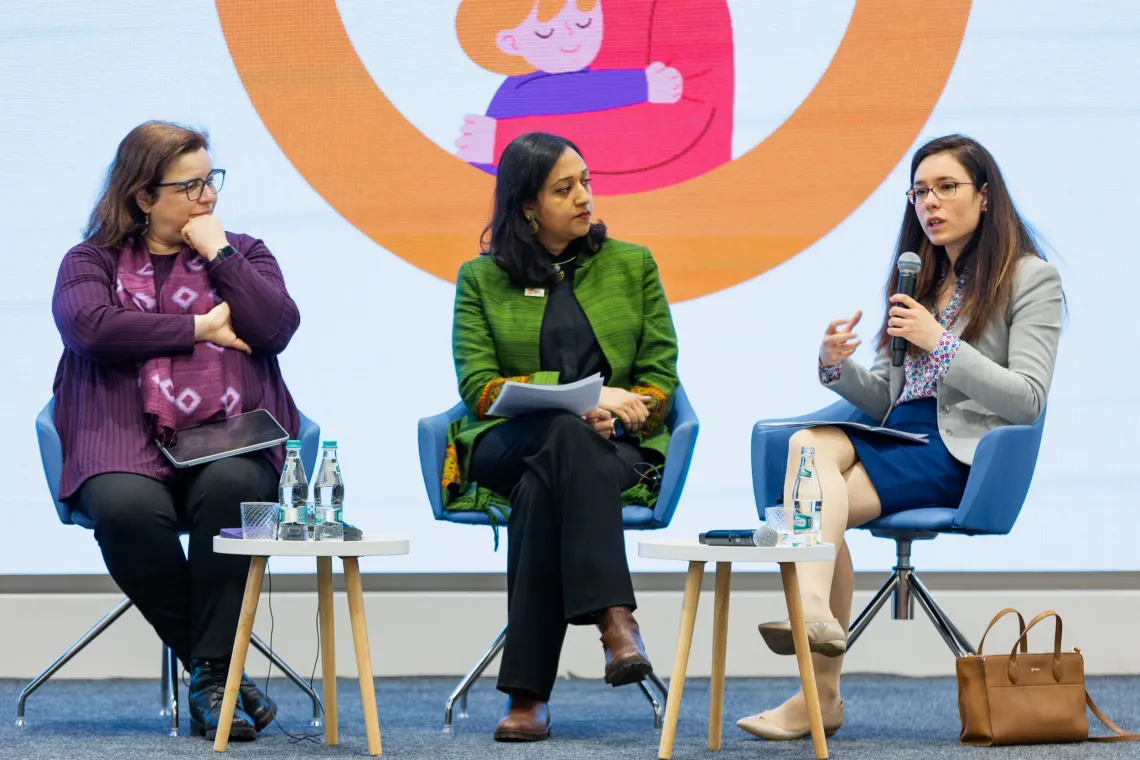
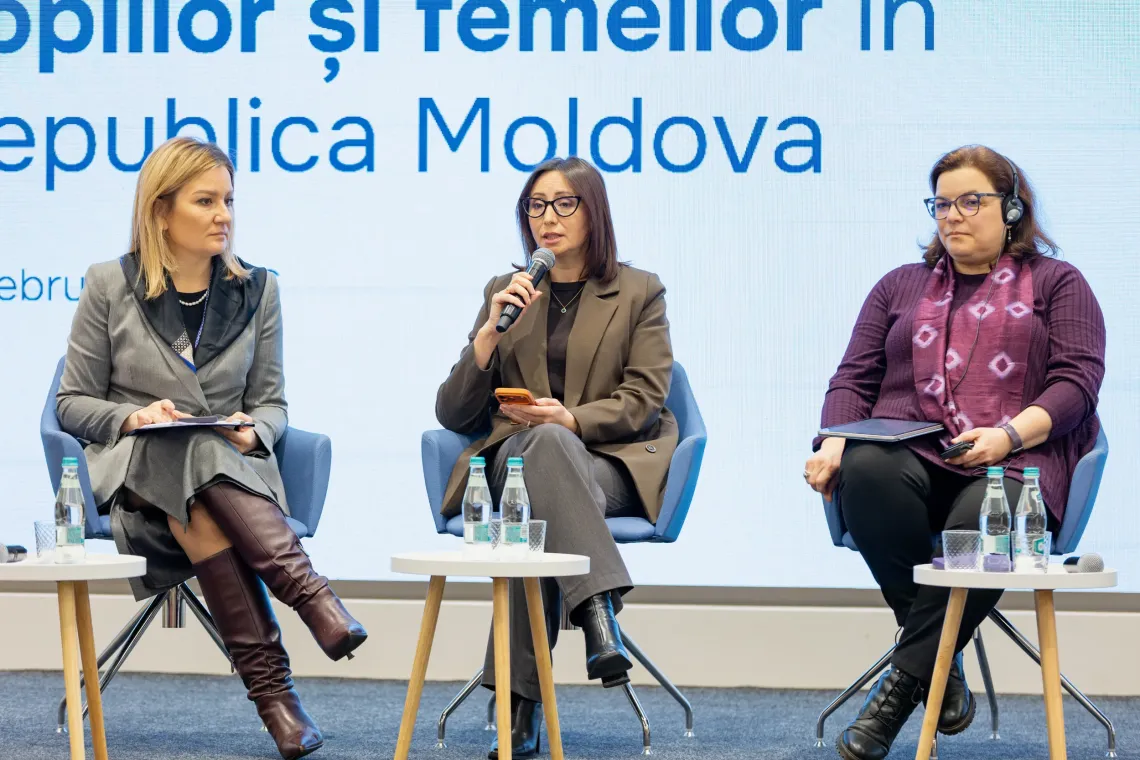
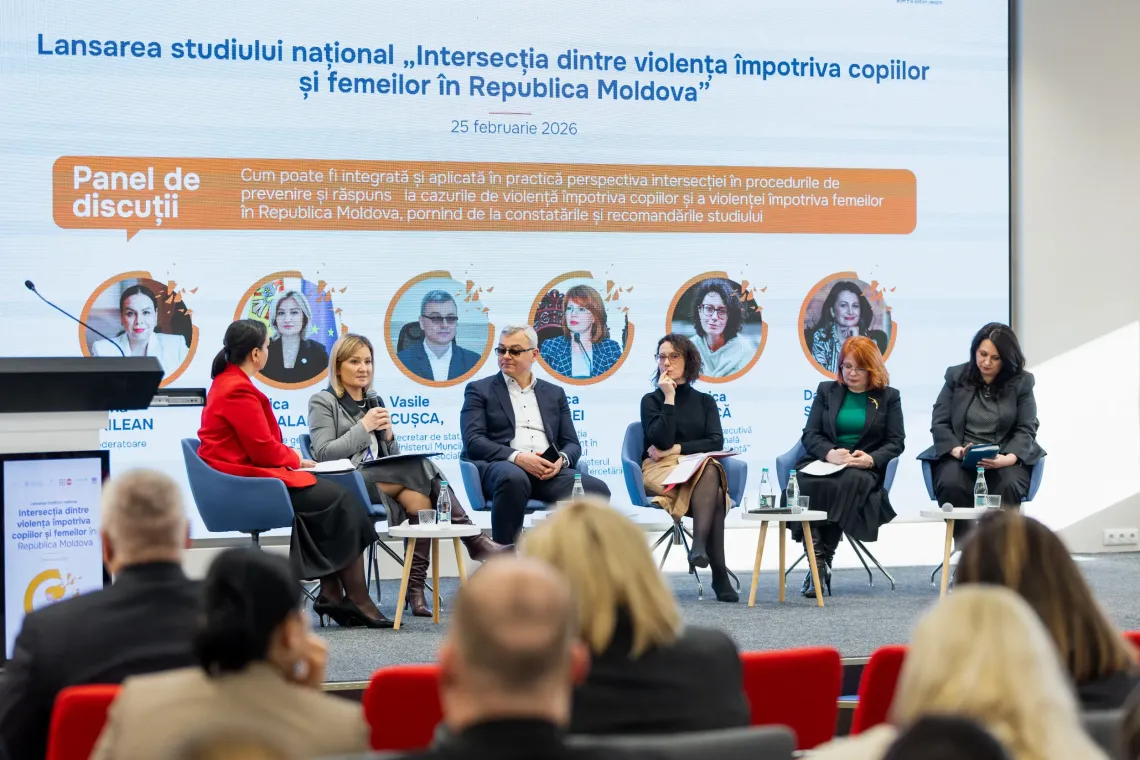
The discussion panel focused on identifying concrete solutions for translating the study’s recommendations into practice. During the dialogue, Viorica Țîmbalari, Director General of ANPCV; Vasile Cușca, State Secretary at the Ministry of Labour and Social Protection; Viorica Negrei, Head of the General Education Management Directorate at the Ministry of Education and Research; Veronica Teleucă, Executive Director of the National Coalition “Life without Violence”; and Daniela Sîmboteanu, President of the National Centre for Child Abuse Prevention, addressed the need to align the normative and programmatic framework with the interconnected reality of the phenomenon.
The discussions also highlighted the importance of investing in interventions that contribute to transforming attitudes and social norms that perpetuate violence. Institutional representatives noted that some initiatives already under implementation respond to the study’s recommendations and can serve as a solid foundation for strengthening a coordinated and sustainable response.
Conducted by the international company Tsunagu, the research provides a comprehensive analysis of how violence against women and violence against children coexist and reinforce one another within the same family, throughout the life course. The findings show that the phenomenon is widespread and manifests in multiple forms — emotional, physical, sexual and digital — affecting women and children simultaneously and perpetuating intergenerational cycles of harm.
The short version of the study is available in Romanian and English at this link. The full study will be published later.
The study was based on a mixed methodology, including an analysis of the legal and policy framework, mapping of existing interventions, and the collection of primary data through an online survey completed by 1,129 service providers nationwide, 38 key informant interviews, and 8 focus groups organized across several regions of the Republic of Moldova. This approach enabled a systemic understanding of both persistent gaps and progress achieved.
The conclusions indicate that, although the Republic of Moldova has made important progress in strengthening the normative framework and national-level coordination, the institutional response remains largely fragmented. Interventions are often developed and implemented separately for women and for children, without fully reflecting the interconnected nature of the phenomenon. In this context, the research marks a moment of maturation for the national system for preventing and combating violence and opens a new phase of reconfiguring interventions to respond to the reality in which violence affects women and children simultaneously, ensuring more effective protection for both groups.
The National Study “The Intersection between Violence against Children and Violence against Women in the Republic of Moldova” was conducted under the joint UNICEF–UNFPA Programme “Breaking the Cycle of Violence against Women and Children”, funded by the Government of the United Kingdom, under the coordination of the National Agency for the Prevention and Combating of Violence against Women and Domestic Violence, and in collaboration with the Ministry of Labour and Social Protection and the Ministry of Education and Research.
Media contacts
About UNICEF
UNICEF promotes the rights and wellbeing of every child, in everything we do. Together with our partners, we work in 190 countries and territories to translate that commitment into practical action, focusing special effort on reaching the most vulnerable and excluded children, to the benefit of all children, everywhere.
For more information about UNICEF and its work for children, visit www.unicef.org
Follow UNICEF on Twitter, Linkedin and Facebook