One mother’s love, a stronger future for her child
How ASUH KL is helping parents in PPRs like Ima nourish their young children through cash support and practical nutrition guidance.
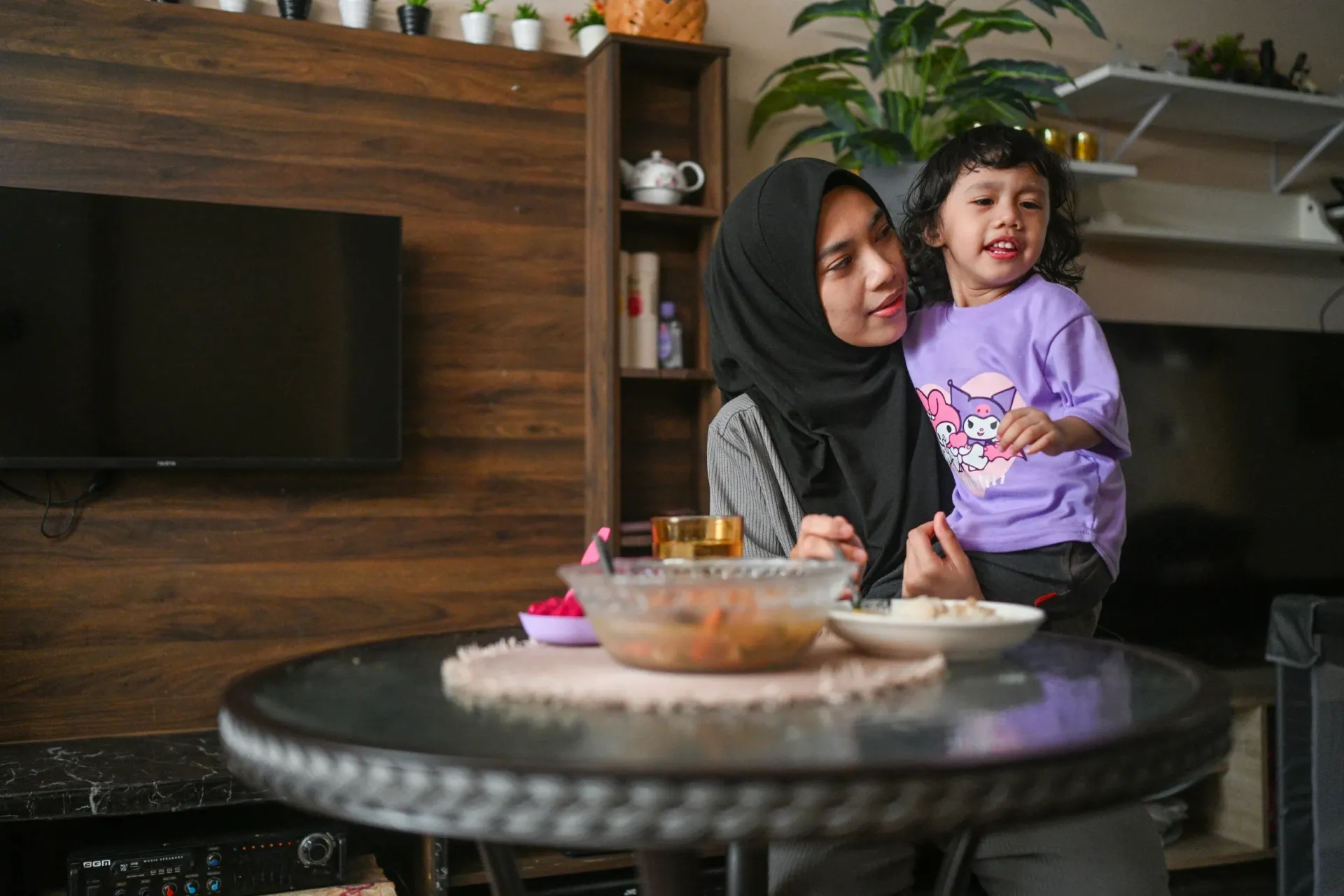
In Kuala Lumpur’s low-cost public housing (PPR), housewife Ima spends her days caring for her three daughters. She used to work but left her job to look after her youngest child, Aaira. Like any mother, Ima hopes her children will grow up healthy and strong. But life has not been easy.
Aaira, who is two and a half years old, is underweight for her age. Like many toddlers, she can be a fussy eater.
“She used to fall sick often, and her health got worse. Even her speech is slower than other children.”
With her husband as the sole breadwinner and work coming in irregularly, there are days when money feels especially tight. Still, Ima holds on to what she believes matters most to her children – love.
For Ima, that love is shown in the meals she prepares each day.
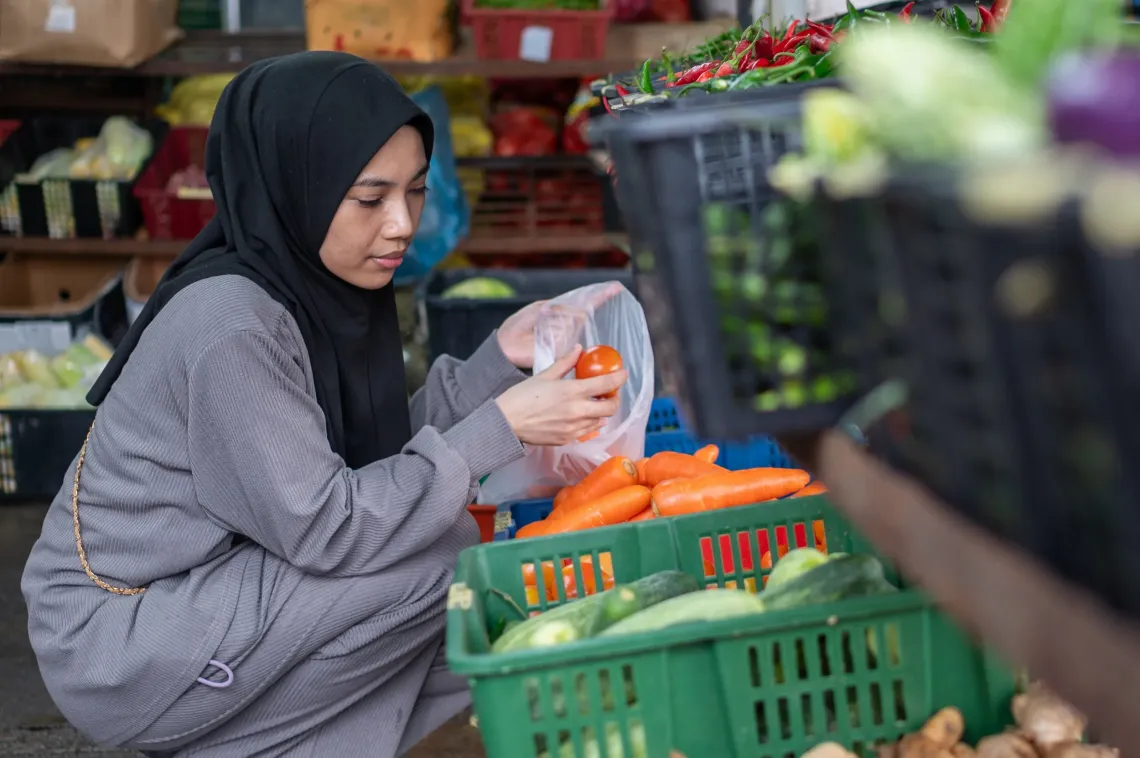
“Every ringgit matters,” she explains. Stretching her grocery budget requires careful planning and difficult choices. When money is tight, she buys one chicken and stretches it across several meals with rice. “The girls love fried chicken, especially Aaira,” she adds with a smile.
When food becomes a daily struggle
Across many PPR communities, families like Ima’s are feeling the burden of rising living costs.
“Rising food prices are putting increasing pressure on low-income urban families,” says Farqani Mohd Noor, UNICEF Malaysia Social Policy Specialist. “When households have fewer choices, young children are at greater risk of malnutrition during these critical years of growth.”
UNICEF Malaysia’s research across PPR communities in Kuala Lumpur shows how deeply families are feeling the strain. One in two households are cutting back on food and some children are skipping meals altogether. When meals become less varied, young children miss out on the nutrients their bodies and brains need to develop well. Today, one in three children in PPR communities are affected by malnutrition, including being underweight or stunted.
Yet, even in the face of hardship, one thing stands out. Parents remain determined to give their children a better future.
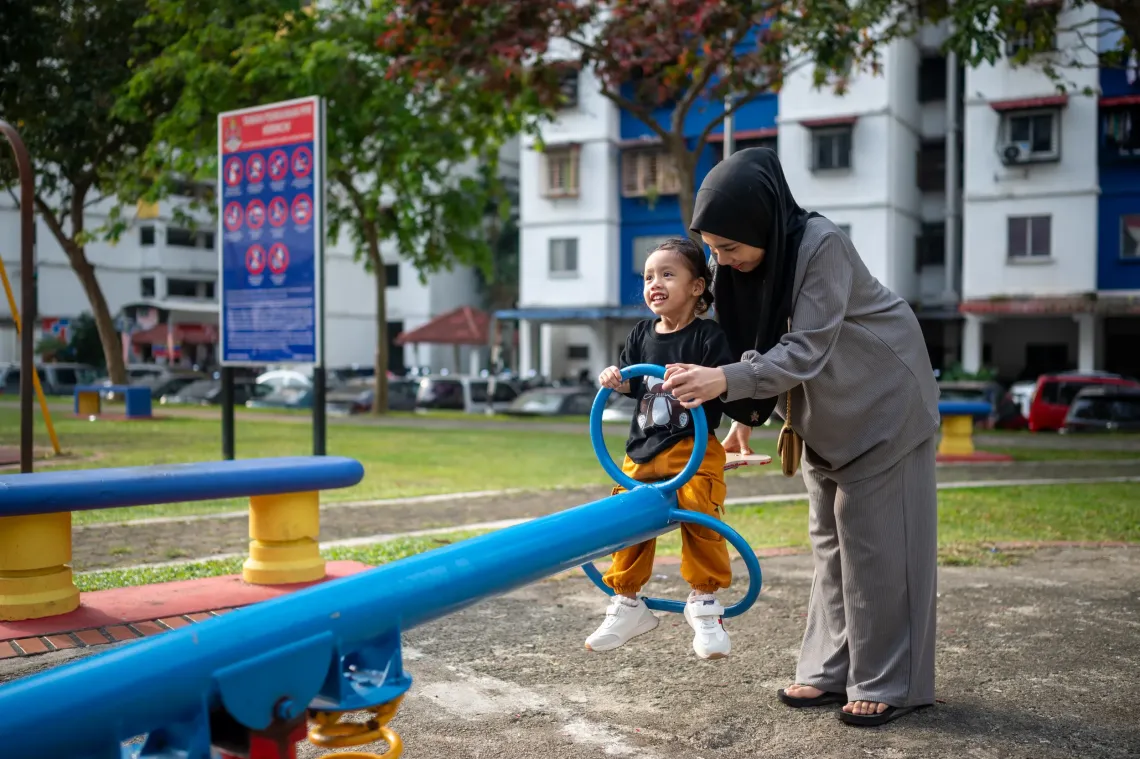
ASUH KL Cash Plus Pilot Initiative
In response, UNICEF launched the ASUH KL Cash Plus pilot initiative in October 2025, supported by the Ministry of Finance and the Kuala Lumpur City Hall (DBKL), under Belanjawan 2025.
The programme provides RM 150 every month to children below five and pregnant mothers, alongside practical guidance on nutrition, feeding, breastfeeding and women’s health.
“This “Cash Plus” approach recognizes that while financial help is essential in addressing poverty and financial constraints, social support and guidance are just as important in helping parents make lasting choices for their children’s health.”
Aaira is among some 800 beneficiaries – children under five and pregnant mothers – currently supported through ASUH KL.
“At first, I thought it was a babysitting service,” Ima recalls with a laugh. Over time, the extra money helped her make better choices on daily groceries while easing her financial burden. “Food is expensive now. I use the money to buy food for Aaira.”
Still, for Ima, the biggest change did not come from cash alone. It came from learning.
Feeding a child, feeding the future
Determined to help Aaira grow stronger, Ima attended a UNICEF-supported nutrition clinic at a nearby community library. There, Dr Lucy Lam, a paediatrician, and a team of nutritionists from Universiti Malaya shared simple, practical advice on feeding young children.
In a warm and supportive space, Ima learned how to prepare balanced meals using everyday ingredients – combining proteins, carbohydrates, vitamins and minerals in her daily cooking.
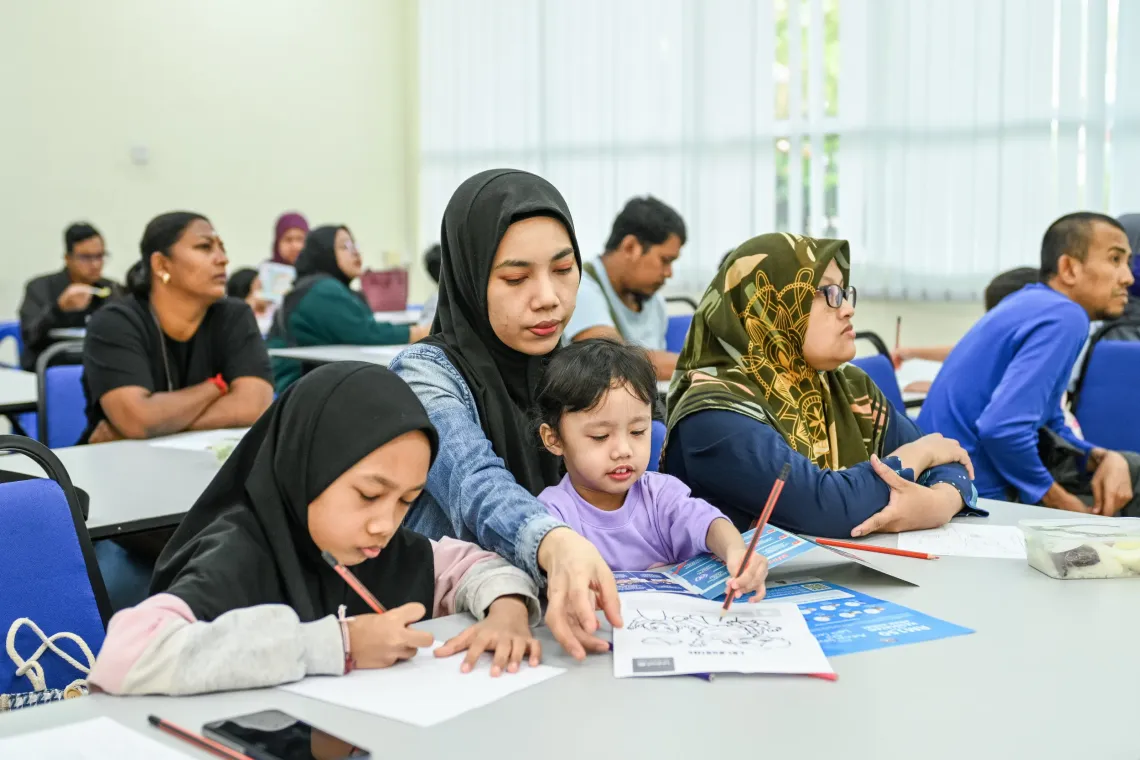
Encouraged, Ima began trying new recipes at home. “Before, it was mostly rice and fried chicken. Now, I cook vegetables, soups and different meals each day,” she says.
She prepares simple, affordable dishes such as chicken soup with potatoes, carrots and onions. Slowly, Aaira’s appetite is improving. “Instead of just drinking milk, Aaira now eats rice and soup too,” Ima beams.
With the added support and right knowledge, Ima can now confidently provide three healthy meals a day for her children.
Learning that lasts beyond the cash
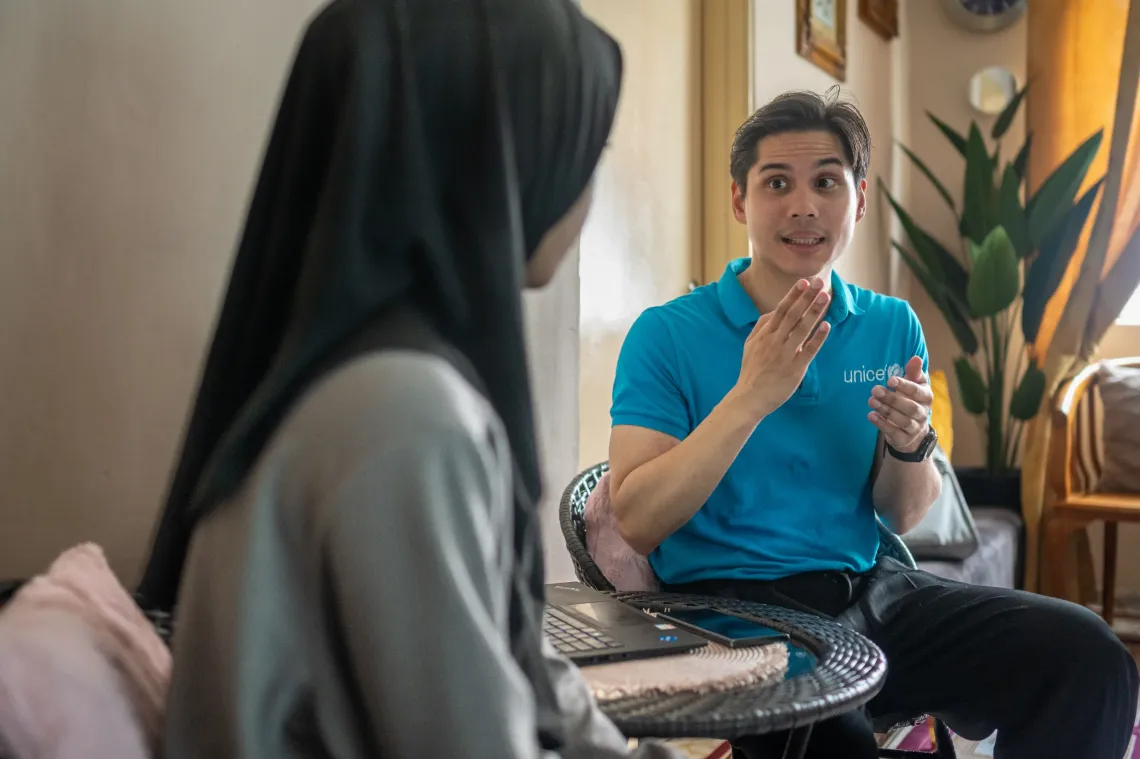
Through regular engagement with families and community-based sessions, UNICEF continues to shape nutrition-focused support based on what parents say they need most.
“A quick pulse survey shows that more than 90 per cent of families use the assistance for their children’s nutrition, care and education,” added Farqani.
As a pilot, ASUH KL is closely monitored to understand how this integrated social protection approach helps children thrive. The insights gathered will help the government strengthen and expand similar approaches to reach more communities across Malaysia.
ASUH KL is not just about helping families get through today. It is about building a better future where every child, no matter where they are born, has the chance to grow up nourished, healthy and able to reach their full potential.
With a little more support and the right knowledge, Ima can look beyond just getting through each day – and focus on helping her children grow stronger, one meal at a time.