Re-engaging young people to close gaps in HIV care in Nsanje
Bringing adolescents back to care is addressing HIV treatment interruptions

Nsanje District in southern Malawi is confronting a hidden but urgent health crisis: nearly half of adolescents on antiretroviral therapy (ART) are disengaged from care, missing the medication that keeps them healthy and alive.
For Mwayi, a peer provider in Nsanje, this crisis became painfully personal when he saw the name of someone he knew on the list of those lost to follow up: 19-year-old Yankho*
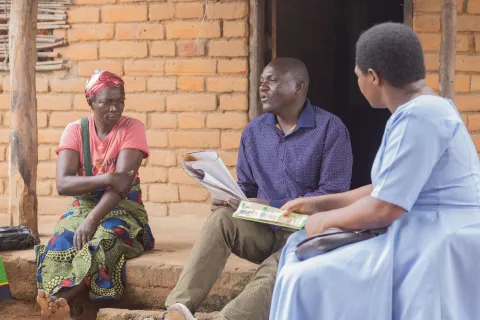
“It touched me deeply,” Mwayi recalls. “I had to follow up so that Yankho could return to treatment. As a peer provider, we act as a bridge between the clinic and the community, helping adolescents return to care when they fall off treatment. When young people experience treatment interruptions, it shows us that more must be done to keep them supported.”
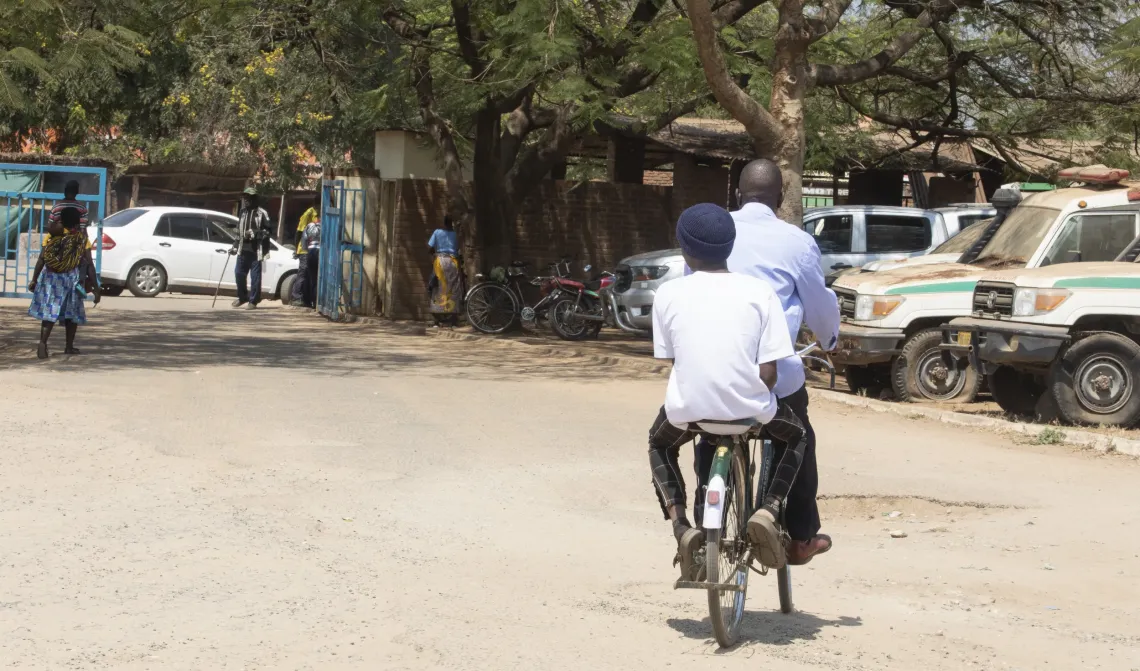
The weight of stigma
Yankho, born HIV positive, admits that stigma and ridicule were the main reasons he stopped taking his medication.
“Friends would mock me,” he says dejectedly, pulling his knit cap down over his face.
“It felt easier to stop than to face the laughter and questions. After a while, I stopped taking my medicine because I felt ashamed and alone.”
Yankho’s story is not unique. Across Nsanje, stigma—combined with poverty, mobility challenges, natural disasters and lack of a culture of open disclosure—continues to push many adolescents off treatment, threatening their health and futures.
Mcknowledge Tembo, Nsanje District HIV Coordinator, says adolescent treatment interruption has been worsened by recent natural disasters.
“Cyclone Freddy displaced families, destroyed homes, and even washed away health records,” Tembo explains. As families were forced to relocate, many adolescents lost continuity of care and follow-up.

On top of this, he says many adolescents born with HIV are not told about their status by their parents. “Without the disclosure, it becomes difficult for them to accept and manage their condition, leading to high rates of treatment interruption,” Tembo adds.
In Nsanje District, new HIV infections are increasingly concentrated in high-mobility areas such as railway construction sites — environments that expose adolescents and young people to heightened risk. For young people living with HIV, frequent movement and economic pressure also make it harder to stay connected to care.
“Some companies fail to provide HIV awareness or preventive supplies like condoms to their staff,” Tembo says. “This undermines broader efforts to reduce infections, including among young people.”
Strengthening systems to bring adolescents back to care
Since 2021, UNICEF has been working with Nsanje District to strengthen its health systems, including integrating HIV services into emergency and humanitarian responses. Support has included building the capacity of health care workers, promoting mentorship and supervision, and strengthening operational teen club structures – contributing to improved retention and follow up of adolescents on treatment.
The teen clubs, now reaching more than 1,000 adolescents, provide a safe, stigma-free space for young people to share experiences, learn about HIV, and access care and treatment — helping more adolescents remain engaged in care and return to treatment after interruptions.
“We also provide guidance and capacity-building to parents,” Tembo explains. “Encouraging them to disclose the HIV status to their children helps families track treatment and keeps adolescents on medication.”
Restoring hope
For young people like Yankho, this combined effort is a turning point. With support from Mwayi and the teen club network, he is back on treatment and committed to staying healthy — one of many adolescents being supported to re-engage with care in Nsanje District.
“Now I know I am not alone,” Yankho says with a smile. “I want to live positively and not feel ashamed.”
As Nsanje District works to support adolescents to stay on HIV treatment and return to care, collaboration between health care workers, district youth officers, parents, peer providers, and UNICEF is helping to protect their health today and - their futures.
*In the story, Mwayi and Yankho are not actual names.