Malawi launches MK1.3 billion Japan-funded emergency health, nutrition and WASH initiative
Project aims to safeguard children through improved vaccination, nutrition treatment and upgraded WASH systems
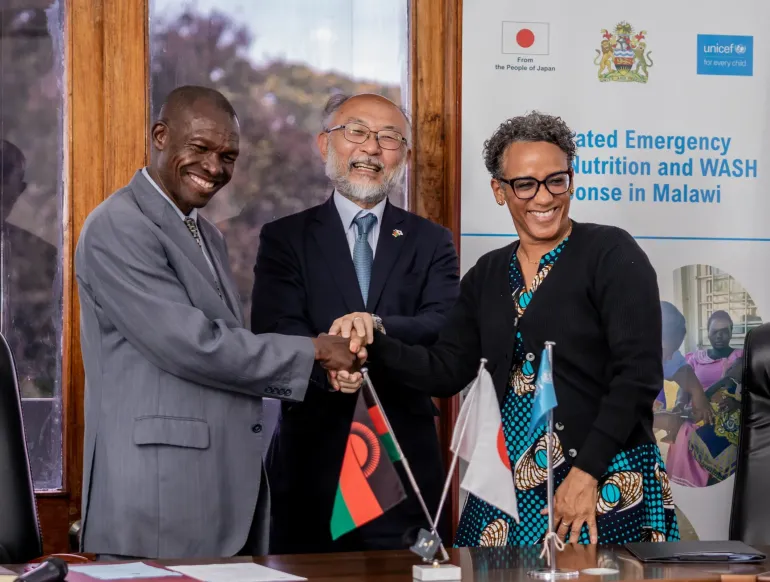
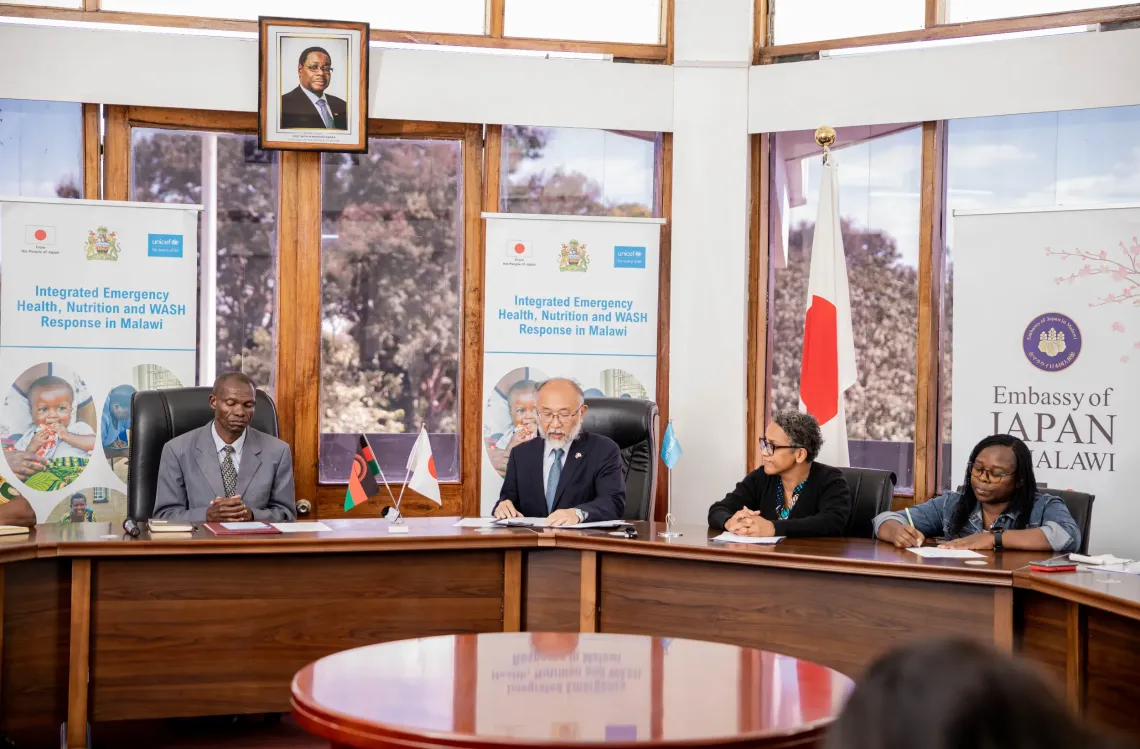
The Government of Japan and UNICEF, in partnership with the Ministry of Health and Sanitation, have today launched a new MK1.3 billion (US$746,666) integrated emergency project, funded through the Japanese Supplemental Budget (JSB), to protect children and communities from the escalating threats of measles, rubella, acute malnutrition, cholera and climate‑related shocks.
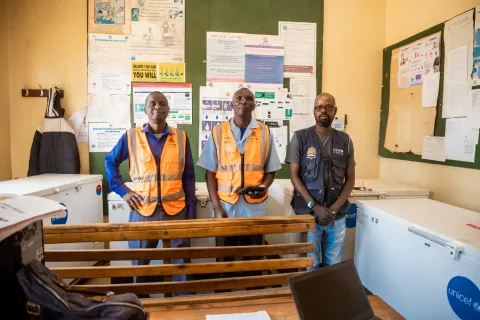
The one-year initiative, titled Integrated Emergency Health, Nutrition and WASH Response in Malawi, will deliver life‑saving services in Thyolo and Salima districts.
The project will strengthen immunization, expand early detection and treatment of severe acute malnutrition, and upgrade climate‑resilient water, sanitation and hygiene (WASH) systems in health facilities and surrounding communities.
Principal Secretary for Administration in the Ministry of Health and Sanitation, Bestone Chisamile, welcomed the timely support, saying the project’s integrated approach aligns with national priorities for emergency response, primary health care and resilience building.
“By improving vaccination coverage, strengthening nutrition services and upgrading WASH systems in health facilities, we are protecting children today while preparing communities for future shocks,” said Chisamile.
Japanese Ambassador, Naito Yasushi, said Japan is committed to supporting Malawi in safeguarding the lives of its people, especially children.
“This project reflects our long‑standing partnership and our shared commitment to human security, universal health coverage and resilience,” he said. “By strengthening immunization, nutrition and climate‑resilient WASH systems, we are building a stronger foundation for the wellbeing of children in Malawi.”
The assistance comes at a time Malawi faces overlapping emergencies, including rising measles‑rubella cases, a deepening nutrition crisis, persistent cholera outbreaks and lingering impacts of recent climatic shocks.
UNICEF Representative, Penelope Campbell, said: “The Japanese contribution enables us to deliver an integrated life‑saving response reaching children where the needs are greatest and strengthening the systems that protect them. We are deeply grateful for this partnership.”
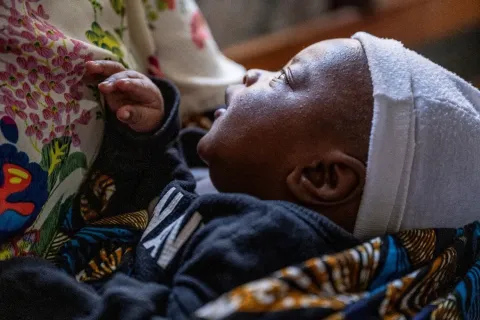
Among others, the project will provide measles–rubella vaccines for more than 50,000 under-five children and screen 145,000 children for malnutrition, with 3,000 expected to receive treatment for severe wasting.
The support will also upgrade water, sanitation, handwashing and waste-management systems in two health facilities, while enabling 1,600 vulnerable households to access affordable sanitation supplies, including toilet pans from a Japanese company, LIXIL SATO.
In Malawi, Japan and UNICEF have a long‑standing partnership supporting the government’s efforts to strengthen climate‑resilient WASH systems, maternal and newborn health, and emergency response capacities.
ENDS###
Media contacts
About UNICEF
UNICEF promotes the rights and wellbeing of every child, in everything we do. Together with our partners, we work in 190 countries and territories to translate that commitment into practical action, focusing special effort on reaching the most vulnerable and excluded children, to the benefit of all children, everywhere.
For more information about UNICEF and its work for children, visit www.unicef.org.