How community volunteers are winning the war against cholera in Rumphi
A community‑powered model proving cholera can be stopped at the source
In the rugged landscapes of Rumphi, where the hills of Northern Malawi meet the unpredictable shores of Lake Malawi, time is more than just a measurement, it is the difference between a life saved and a tragedy recorded.
In the world of infectious disease, particularly with a predator as swift as cholera, the first few hours are known as the "Golden Hour." If a patient is identified and rehydrated within this window, survival is almost certain. If they are not, a single case can become a funeral, and a funeral can become a super-spreader event that cripples an entire district.
The stakes reached a fever pitch in late 2024 when Cyclone Chido tore through the region. The storm was not just a weather event; it was a public health catastrophe. It shattered latrines, contaminated shallow wells, and disrupted the fragile healthcare infrastructure.
Rumphi, already designated a "hotspot" due to its geographic vulnerability, found itself on the front lines of a potential epidemic.
Yet, as 2026 unfolds, a remarkable story has emerged from the Mzokoto Health Centre and surrounding villages: while cholera ravages neighboring districts, Rumphi has held the line. The secret to this success lies not in high-tech hospitals, but in a sophisticated web of community coordination and the rapid-response skills of local volunteers.
The strategy, supported by UNICEF and the Rumphi District Health Office (DHO), pivots on the understanding that Health Surveillance Assistants (HSAs) cannot be everywhere at once.
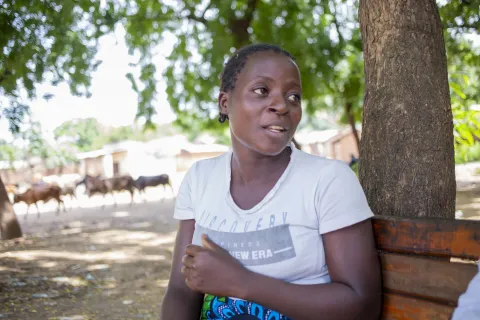
"We have HSAs in each area, which makes coordination easier," explains Ivy Kumwenda of the Muvina Village Community Response Team (CRT). "But we don’t have HSAs in every single village. We are their eyes on the ground."
Training has transformed these volunteers from concerned neighbors into clinical first responders. For Kumwenda, the most vital skill she acquired wasn't just detection, but the ability to act before the patient even leaves their home.
"They trained us on how to make oral rehydration salts (ORS) in the villages," she says. "In areas where health centres are far away, this initial treatment is the difference between life and death. We treat them right there and then rush to alert the authorities."
This shift—from waiting for help to initiating help—has fundamentally altered the district’s mortality rate.
The architecture of this response is a masterclass in multisectoral intervention. Sam Chirwa, the Chief Preventive Health Officer for Rumphi DHO, oversees a network that spans hotspots like Mlowe, Muhuju, and Chitimba.
Following the cyclone, the DHO, with UNICEF’s backing, trained 175 Community Rapid Response Teams (CRRT) volunteers to act as a bridge between the village and the clinical rapid response teams.
"When there is a suspected outbreak, the facility response team rushes to assess the situation while keeping the district team updated," Chirwa explains.
This "bottom-up" alert system was put to the ultimate test in October 2025. When a suspected case appeared, the CRT identified it, administered ORS, and alerted the HSA immediately. The response was so rapid that the situation was contained before a second person could fall ill. "They did a wonderful job," Chirwa notes, his pride evident.
Wiza Gondwe, a Senior HSA, emphasizes that this coordination isn't just about medicine—it’s about trust. The CRRTs are elected from within their own communities, working alongside traditional chiefs and Village Development Committees (VDCs).
“The success is evident,” Gondwe says. "There are reported cases in all surrounding districts, but here in Rumphi, we have zero. Before this intervention, there were a number of deaths. Now, there are none."
For Masankho Msukwa of the Lusimbo CRT, the work is a calling. His motivation is rooted in a sense of duty to uplift his community, but his effectiveness is rooted in the specialized training he received in CATI (Cholera Alert and Tracking Information) and CLUSTA (Cholera Surveillance and Tracking). These digital and methodology-based tools allow for real-time tracking, ensuring that no case is lost in a paper trail.
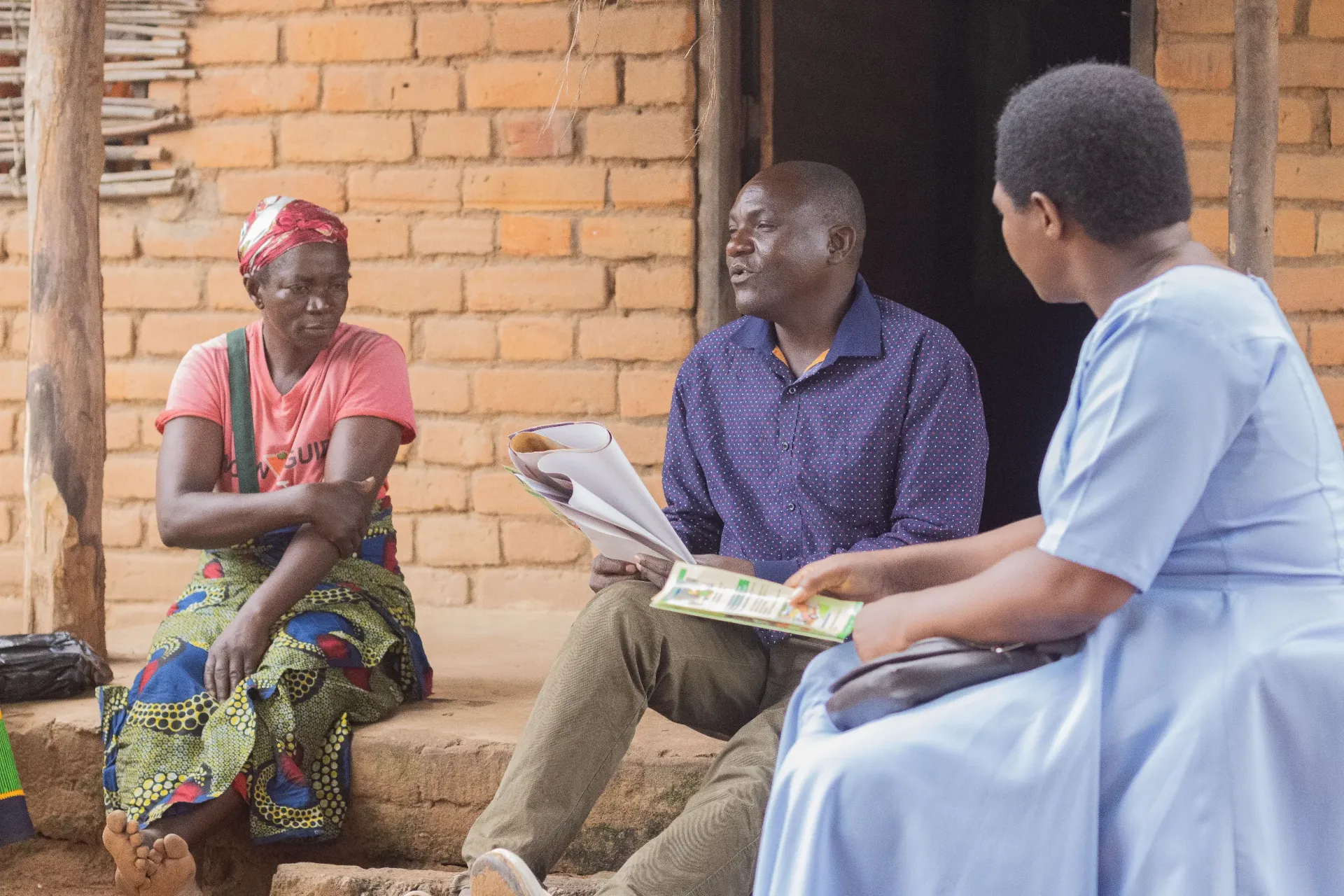
Msukwa and his colleagues don’t just wait for people to get sick; they practice aggressive prevention through house-to-house visits.
“We engage people in groups and individual homes,” Msukwa explains. “We have the right skills to identify a case and the skills to engage community leaders to ensure we don’t have any cases to begin with.”
These door-to-door interactions are more effective than traditional community meetings. They allow for a level of intimacy where families feel safe asking "the embarrassing questions" about sanitation and hygiene. It is in these quiet conversations, held in the shade of a thatched porch, that the cycle of infection is truly broken.
As climate-induced emergencies become more frequent, the Rumphi model offers a blueprint for resilience. By integrating outbreak preparedness with maternal and child health services, and by empowering the community to be the "first and fastest" responders, the district has turned a position of vulnerability into a position of strength.
The multisectoral approach ensures that when the next storm comes, the community won't just be victims of the weather, they will be the masters of their own health. In the villages of Rumphi, the “Golden Hour” is no longer a window of missed opportunity; it is a period of decisive, life-saving action.