Saving mothers and newborns through stronger health worker skills in Malawi
From knowledge to lifesaving action: How training is helping Malawi’s mothers and newborns

In nearly three decades of caring for mothers and newborns, health worker Mercy Chinkhunda has witnessed the joy of babies arriving safely- and heartbreak when they do not.
As a District Nursing Officer for Balaka district, Chinkhunda oversees nursing and midwifery services across six out of the 18 health facilities across the Balaka district, south Malawi. Yet despite her many years of experience, she believes there is always more to learn, especially when responding to emergencies where minutes can make a difference.
That is why Chinkhunda attended an Integrated Maternal and Newborn Health training to help strengthen her colleagues’ knowledge and practical skills in managing maternal and newborn complications in primary healthcare facilities in local health centers.
A total of 27 health workers completed a Training of Trainers session in Dedza, just south-east of Lilongwe, Malawi’s capital
The newly trained facilitators will now take their learnings back to Balaka, Mwanza and Nkhata Bay Districts, to help to strengthen the capacity of more health workers in their respective locations. Four additional training sessions are expected to begin later in the month.
The trainings are part of a two-year initiative led by the Ministry of Health, with UNICEF support and funding from the Government of the People's Republic of China through the China International Development Cooperation Agency (CIDCA). This component of the project is designed to build a cascade of expertise to save more mothers and their babies’ lives.
The urgency is clear: Malawi’s maternal mortality ratio stands at 224 deaths per 100,000 live births, while the neonatal mortality rate is 24 deaths per 1,000 live births. The target is to reduce these figures to 70 maternal deaths per 100,000 live births and 12 neonatal deaths per 1,000 live births by 2030.
“This training is helping us to adopt the current standards under the EMOTIVE bundle. We are here to take those changes back to the district,” she says.
Chinkhunda’s commitment to keeping her skills current is rooted in an experience from earlier in her career that she has never forgotten.
About 21 years ago in 2005, Chinkhunda treated a pregnant woman who became ill while travelling from her home village with her family. Pale and severely anaemic, she was quickly placed on a bed for urgent care.
“I saw the woman taking her last breath. It really hurt me” she recalls.
Nurse Chinkhunda believes an earlier referral could have saved the woman’s life. That experience gives new meaning to the skills she has gained through the training.
Among the trainers is another experienced health worker, Mercy Kulanga, a senior nursing and midwifery officer at Mangochi District Hospital.
Kulanga is also a beneficiary of the maternal and newborn health programme. She took part in an earlier cohort, where she was trained as a master trainer. Now she uses her training to mentor others.
Her own experience with a maternal emergency has shown her why the skills matter.
Kulanga remembers caring for a woman who developed severe bleeding after childbirth. She administered a Uterotonic hormone known as "oxytocin", massaged the woman’s uterus and waited. When the bleeding continued, another medicine was given. Still, the woman did not improve.
The woman was eventually taken to theatre, where health found a cervical tear requiring surgical treatment which was successfully done to control the bleeding.
Looking back, Kulanga says valuable time was lost as interventions were given one after another.
She said the training has strengthened her response to postpartum haemorrhage, particularly through a set of well-established, evidence-based best practices known as the Early detection followed by Massage, Oxytocic drug, Tranexamic acid, IV fluids, Examination and Escalation (EMOTIVE) bundle, which guides health workers to act quickly while identifying the cause of the bleeding.
“The change is visible. I don't have to wait. The bundle of interventions is very effective because it covers everything and there is a good set of interventions as we attend to pregnancy emergencies,” Kulanga said.
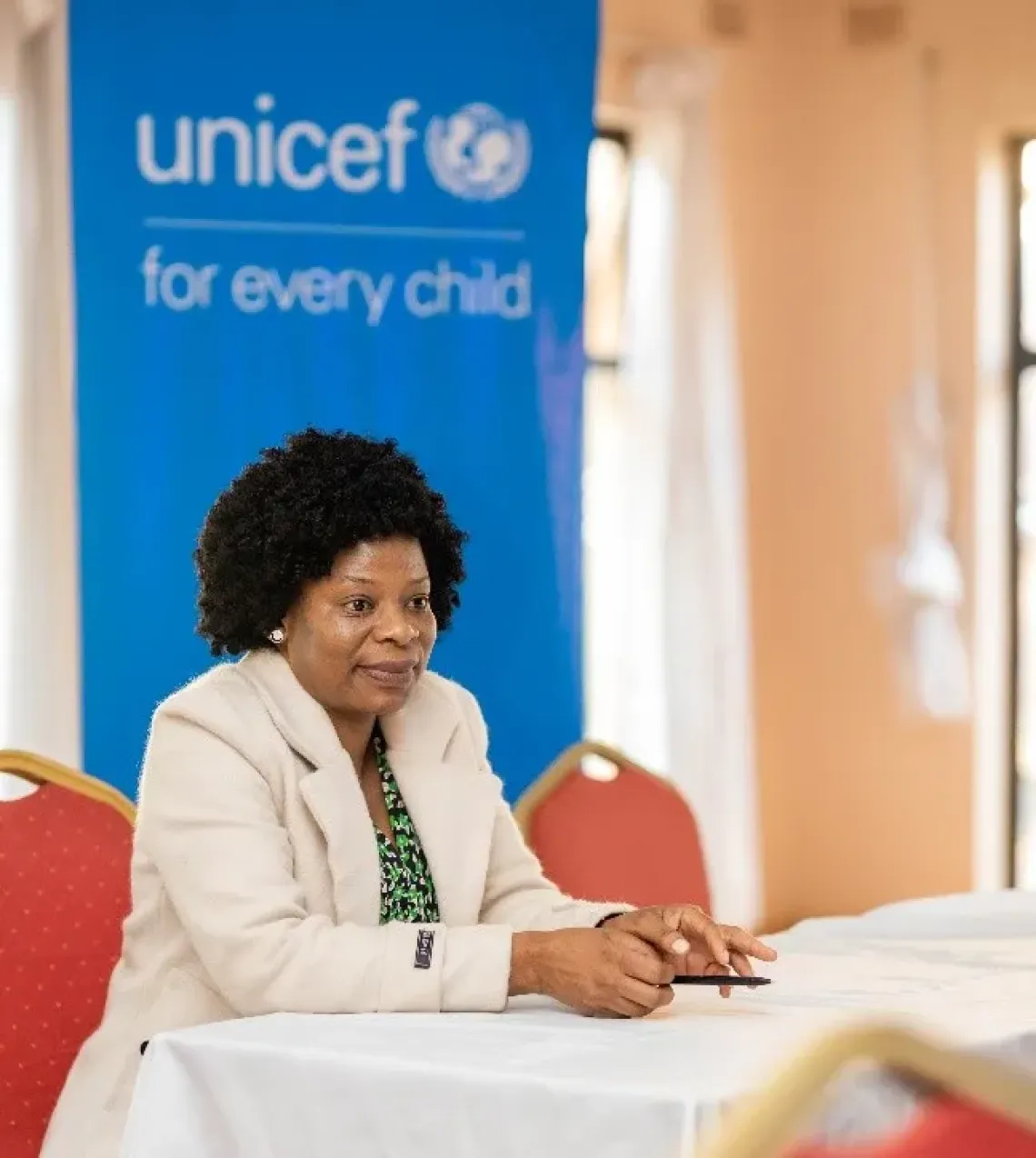
For Chinkhunda, the value of the training lies in turning knowledge into practical skills.
“It is not about what we know. It is about transferring what we know into skills.”
The training covers management of postpartum haemorrhage, maternal sepsis, hypertension and newborn resuscitation. Participants also learn how to mentor colleagues and maintain their skills through regular practice.
A training for women and men
The programme brings together both female and male health workers involved in maternal and newborn care.
Among them is Charles Chirwa, a Midwife Officer and Nursing Manager responsible for the neonatal unit at Nkhata Bay District Hospital. With 10 years of experience in maternal and newborn care, Chirwa joined the training to strengthen his knowledge of maternal care, an area where he has had less exposure.
“For the past eight years, I have been more focused on the neonatal side,” he says. “This training is helping me build my capacity on the maternal side so that I can also support my colleagues.”
Chirwa identifies newborn asphyxia, when a baby fails to establish or maintain breathing after birth, as one of the challenges health workers face. He plans to take the lessons back to Nkhata Bay, strengthen mentorship and help facilities identify gaps in essential newborn care.
Making the skills last
The initiative strengthens maternal and newborn health services through training, mentorship, supervision, infrastructure, and equipment. For Kulanga, knowledge continues beyond the training room.
The lessons are moving from one health worker to another and from the training room to health facilities where mothers and newborns need timely care.
Chinkhunda cannot change what happened to the woman she lost more than 20 years ago and Kulanga cannot change the experience of the mother whose bleeding continued while precious minutes passed.
For Chinkhunda, the stakes are personal. “I am also a mother. I may be the patient for the people who are being trained here,” she says.