A working fridge, a protected child: Mzimba’s cold chain success
Keeping vaccines cold, keeping children safe

A vaccine can travel a long way before it reaches a child's arm.
In Mzimba, part of that journey happens on a vehicle or on the back of a motorcycle, along roads leading to 33 health facilities scattered across the district.
Yautula Nkowani, Chester Msalire and Capson Mwale know those roads well.
These are the three technicians from Mzimba District Health office who are responsible for keeping cold chain equipment in working order.
Their days can involve travelling to a health facility, the furthest being at 320 km away, opening a refrigerator, checking its condition, cleaning solar panels, tracing a fault and making a repair.
With support from UNICEF, through Kamuzu University of Health Sciences, the district is strengthening Planned Preventive Maintenance (PPM) by providing technicians with fuel and airtime since 2024. This support helps the technicians reach facilities for routine maintenance and respond when equipment develops a fault.
The goal of PPM is straightforward: deal with problems before they breakdown. This is what is making all the difference to a refrigerator holding vaccines.
The work starts on the road
Mzimba being one of the largest districts in the country, distance is part of the technicians' job as a maintenance visit is not simply a matter of walking into a health centre and checking a machine, but someone has to get there first. The fuel support is making those trips possible.
“Once at the facility, we inspect the refrigerator, check its components and look for anything that might affect its performance,” Yatula Nkowani said.
Nkowani said that before the support, technicians could not visit every health facility at least once every quarter. With the support, they are now able to visit each facility once every quarter for repairs and maintenance, even when there is no alert or reported fault.
A warning before the breakdown
The technicians cannot be everywhere at once. That is where remote temperature monitoring is useful. Through data bundles supported by the project, they can access platforms such as ColdTrace, which provides information from connected cold chain equipment and can alert them when something is wrong.
For Chester Msalire, as a technician working across a district, an alert can mean knowing about a problem before arriving at the facility. He said action is taken immediately once an alert is received on his mobile phone.
“The alert helps to know of a problem before the refrigerator has completely failed. Through the alerts, we can know if the battery in the fridge tag is low, if there are any loose connections or if there is any problem,” Msalire said adding that when a problem is minor, it’s just a matter of advising the Health Surveillance on the ground on what to do with the equipment.
The alert give technicians hours or days before the fault becomes a complete failure, keeping vaccines safe and available when they are needed.
The people at Raiply
At Raiply Health Centre, the equipment is only one part of the picture.
Health Surveillance Assistants Webster Changaya and Rabecca Muva are among the health workers working at community level. They are closer to the families who depend on the services. When something goes wrong at a health facility, the Health Surveillance Assistants are the focal points who communicate with the technicians.
Changaya observed that when the ColdTrace is not functioning, he raises the alarm with the technicians at the district hospital through a phone call.
“After the call, the district team always follows up. Like last week, we had technicians from the district hospital, who were responding on our alert. They came to fix the fridge monitor, clean the solar panels as well as check the damage caused by rats that had chewed some wires inside the fridge,” he said.
Changaya said the intervention is helping the facility reach more people through walk-in services and its outreach activities, which are held four times each month.
Keeping the system moving
Mzimba district Expanded Programme on Immunization (EPI) Coordinator, Lusungu Sambo, said the work of maintaining equipment sits within the wider effort to keep immunization services running.
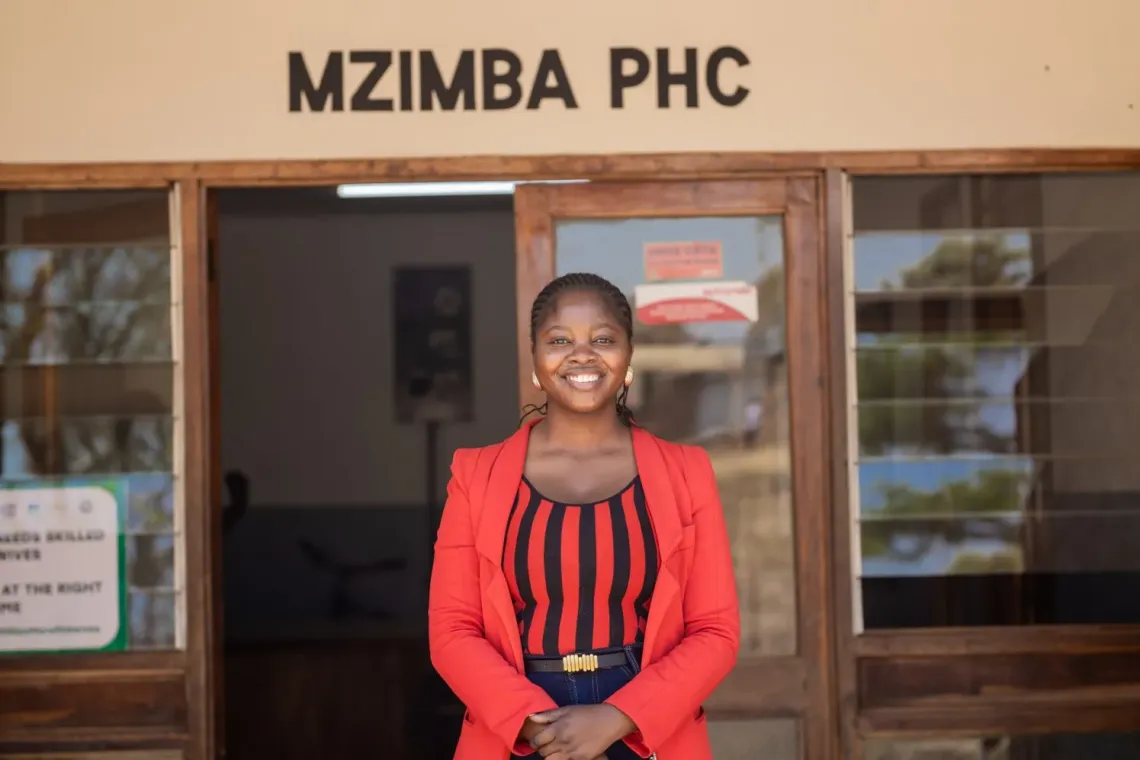
“That is why routine maintenance matters. The technicians do not wait for equipment to become unusable; they check it while it is still doing its job. They clean before dirt becomes a problem. They investigate before a warning becomes a breakdown and when something does fail, they have a way of getting to it,” she said.