Piped water eliminates cholera at Chimaliro Health Centre in Malawi
“This water is also critical for maternity services and general hospital functions", Somadi

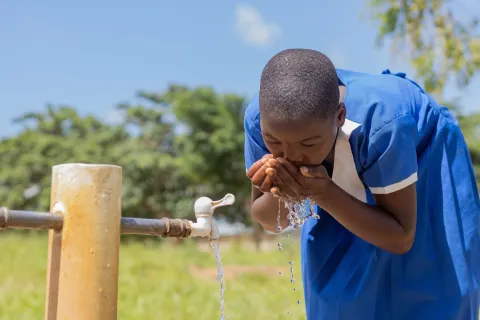
In a remarkable turnaround, Chimaliro Health Centre has recorded zero cholera cases in 2024, a first in many years, thanks to the installation of a solar-powered piped water system that has revolutionized access to clean water for both the facility and surrounding communities.
In 2023, the health centre battled 40 cholera cases, including one fatality, as villagers and patients relied on a single, often-contaminated borehole for water. But the installation of a solar powered water scheme by UNICEF, with funding from the Spanish National Committee has changed the narrative.
For Lucia Somadi, a nurse at the health centre, the difference is night and day.
“We faced ongoing water challenges due to the fact that the facility shared the same borehole with the surrounding community,” Somadi explained. “A mechanical fault with the borehole worsened the situation, especially during the rainy season when the water became contaminated with mud, making it unsafe to drink. As a result, we had no choice but to travel two kilometers to fetch water from another borehole. It was a serious hygiene issue for us.”
The newly installed piped water system now serves the health facility, maternity wing, and nearby households through a network of taps powered by solar panels.
“Now, patients can take their medication here without delay, and we can maintain proper hygiene standards,” Somadi added. “This water is also critical for maternity services, cleaning, and general hospital functions. The risk of waterborne diseases has drastically reduced.”
The transformation at Chimaliro is part of a broader effort to tackle cholera across Balaka District. Assistant Water Resources Officer Emmanuel Nkhonjera said the district identified Chimaliro as a hotspot due to frequent cholera outbreaks linked to a lack of safe water.
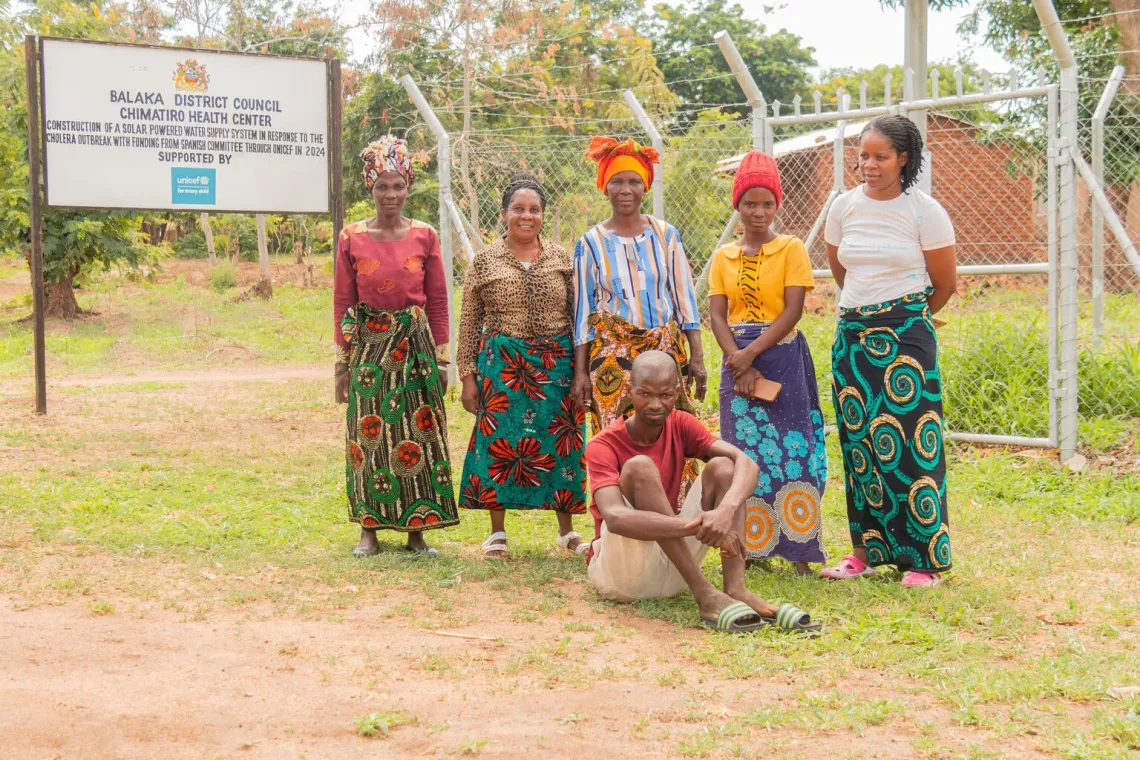
“In 2023, we recorded a spike in cholera cases in Chimaliro,” Nkhonjera explained. “We reached out to UNICEF, which got funding from Spanish National Committee and supported us by constructing a solar-powered water system. The project includes six community taps, a tap at the health centre, and one for staff housing. In 2024, we’ve had zero cholera cases.”
By decentralizing water access, the project has eased the pressure on Chimaliro Health Centre while providing clean water directly to over 300 households. Committees have been formed and trained to operate and manage the water system, and sustainable fund collection system is now in place to collect funds for repairs.
“Community ownership is key to sustainability,” Nkhonjera said. “We trained local committees to manage and maintain the system, ensuring the community will benefit for years to come.”
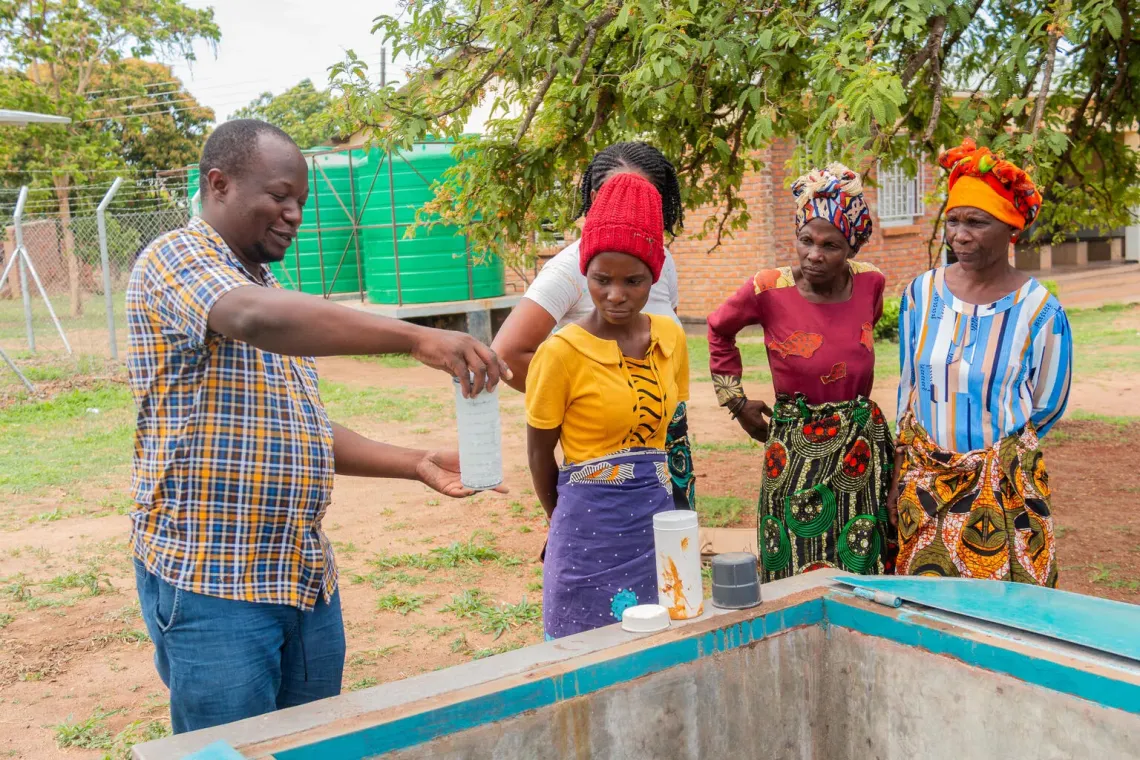
For residents like Ngunga Darzy, chairperson of a local water committee, the initiative is a lifeline.
“This project has changed our lives,” Darzy said. “Before, we depended on the health centre’s borehole or walked long distances to fetch water. Now, we have taps right in our communities. It’s a huge relief.”
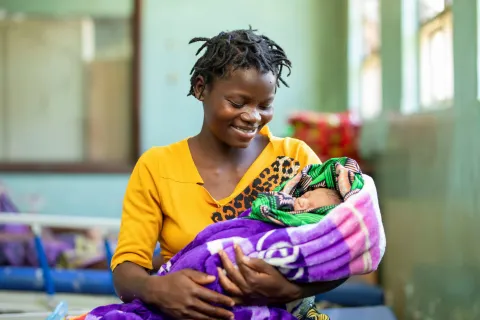
The water system has also unlocked new opportunities for the health centre. The maternity wing, previously unable to open due to lack of water, is now on track to becoming operational.
“With water now available, we’re working on equipping the maternity wing and completing plumbing activities,” Nkhonjera said. “This will ease pressure on Balaka District Hospital, 25 kilometers away, and save lives by providing maternity services closer to home.”
The project’s impact extends beyond health care, boosting hygiene and reducing the time women and children spend fetching water. At the trading center, businesses now have a steady water supply, which is enhancing local economic activities.
Despite the successes, the community hopes for an expansion of the project to reach more underserved areas.
“We’re grateful, but there are many other villages still struggling with water issues,” Darzy said. “We urge UNICEF to extend this initiative to those who need it most.”