

Breastfeeding is everything for my baby
Learning from Afikepo
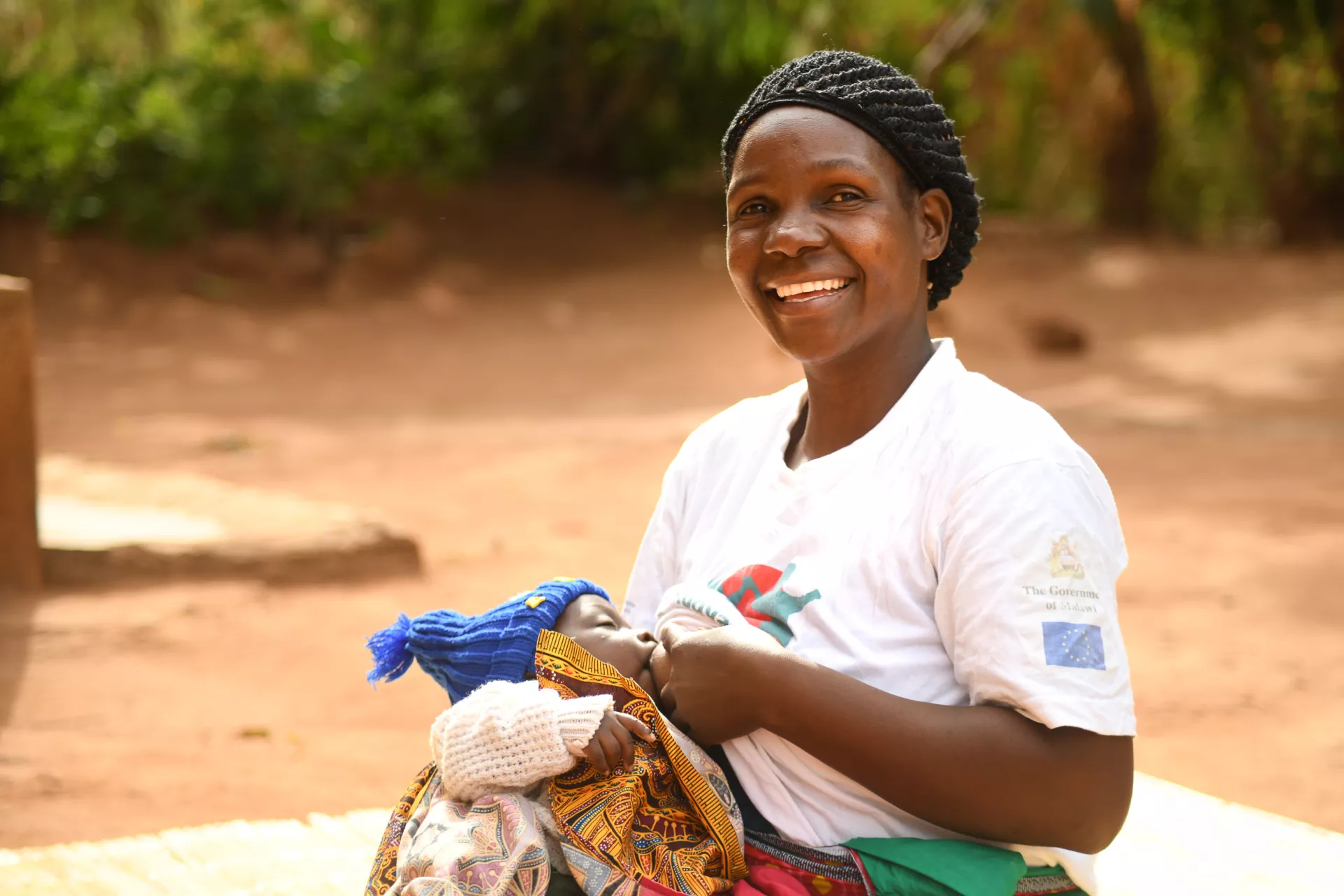
Ireen Mussa frequently breastfeeds her three-month-old baby boy because it keeps them smiling.
"Gone are the days a mother had to wait for a baby to cry before breastfeeding it. Now I breastfeed mine regularly and it keeps us happy all day," says the 34-year-old mother of four boys and a girl in Kachere Village, Traditional Authority Ntchema in Chiradzulu District.
The subsistence farmer is determined to exclusively breastfeeding her baby until he reaches six months old, when she can safely introduce a safe and diversified nutritious soft porridge and other foods.
"Breast milk is the best food for babies because it is rich in all nutrients that babies need and is suitable for their digestive system, which is not fully developed. After all, maize is less nutritious," she says.
Ireen learnt this from a volunteer who has been visiting her every two weeks since she fell pregnant. Before, she was getting such messages from her neighbours who were in contact with the nutrition promoters trained by the Afikepo Project supported by UNICEF and FAO with funding from the European Union.
The United Nations agencies also support the training of community volunteers and extension workers t to grow a variety of nutritious crops and diversify their diets to include the six food groups.
Ireen and her husband grow bio-fortified maize, groundnuts, potatoes, pumpkins and vegetables such as nkhwani, chisoso, rape and bonongwe. Her homestead plays home to chickens, goats and fruit trees such as pawpaws and oranges.
"I eat adequate food from the six food groups so I can stay healthy and produce enough milk for my three-month-old baby," she says.
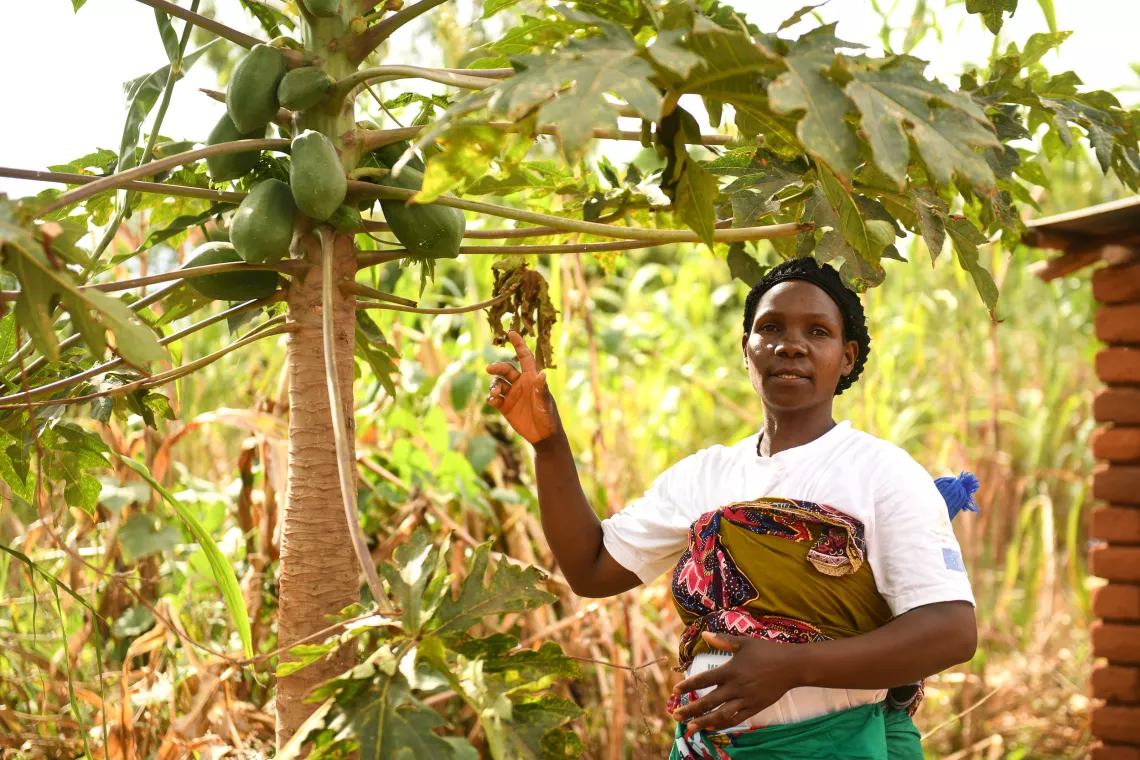
Afikepo has also taught Ireen and her neighbours to keep their households, water, utensils and hands clean.
Ireen thoroughly washes her hands to remove germs, including the fast-spreading coronavirus, before she starts breastfeeding the baby.
"I exclusively feed my child because I care about his well-being, but diseases caused by poor hygiene can wipe all the gains," she explains.
The baby looks healthy, strong and happy, giving Ireen more time to do household and farm chores.
"Malnutrition was high in my area because many parents were too busy tending to their crops, forgetting to feed their children. Others used to constipate their babies with thick pudding. A baby requires breast milk," Ireen states.
This is the first time Ireen is practising exclusive breastfeeding. The other four children started to eat porridge before the recommended six months.
She attributes the shift to Afikepo, which literally means "let the children reach their potential".
She narrates: "Before the project arrived in the village, we didn't know the importance of exclusive breastfeeding, and our children were mostly weak, underweight and malnourished.
Since she became a beneficiary of Afikepo, Ireen has never lacked friendly advice on how to take care of the baby.
"Now I know that breastfeeding provides all the essential nutrients for the baby in the first six months," she explains.
Day and night, her husband encourages her to frequently breastfeed the baby.
"I share Afikepo messages with my husband, who reminds me in the middle of work and wakes me up at night to breastfeed the baby because he appreciates the importance of breastfeeding," she says.
Ireen also gets key nutrition messages from health workers every time she takes the baby for nutritional checkups. Other messages emanate from radio programmes, drama performances, agriculture extension workers and cooking demonstration lessons that are part of Afikepo.
However, she salutes the community-based volunteers for building a strong foundation for her community to make exclusive breastfeeding a habit.
"The volunteers are doing a good job to ensure we give our children nothing but breast milk in the first half of a year. The natural milk contains vital nutrients for children's growth and well-being," she gushes.
Cluster leader Edith Aaron, 34, has four children aged between eight and 20. She dropped out of school at the age of 14 to marry.

"I quit school and became a mother at a young age because my parents couldn't afford school fees. Being too young to marry and become a mother, I struggled to bring up my first child. I often went to bed hungry and couldn't produce enough milk for the baby. I don't want any child to become malnourished as did mine," she opens up.
Currently, Edith visits a dozen of households a fortnight, sharing her story to encourage women to stop giving children below six months "hard food", but maintain exclusive breastfeeding.
"I visit six households per week, encouraging them to follow basics of child nutrition, sanitation and hygiene," she says. "I don't get any pay for this, but my heart is filled with joy when children benefit from the messages trickling down to the households with pregnant women, breastfeeding mothers and children aged under five through people like me."
From promoters to cluster leaders, the change agents know the people they serve and effectively reaching out to them.
"When children benefit from breast milk and other affordable diversified diets and good hygiene, the entire household benefits as well," Edith says.
Benjamin Somanje, Afikepo focal person in Chiradzulu, commends Ireen and her community for putting lessons from Afikepo to good use.
"The project targets 50 000 households in five traditional authorities in Chiradzulu, where malnutrition rates, including stunting and wasting, were high. The figures can only decrease with the commitment the volunteers are showing in their communities," he says.


