'I know my child is healthy': A mother’s gratitude for nutrition screening
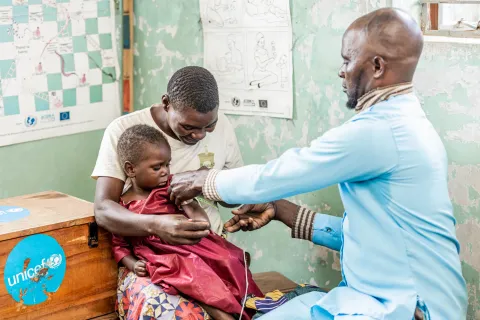
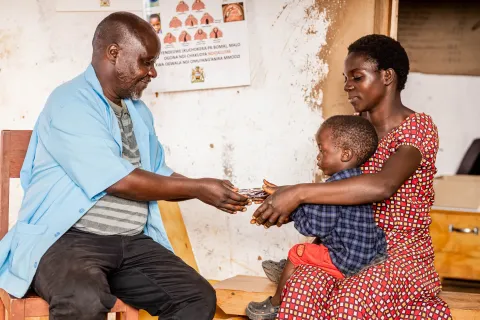
HSAs conduct regular nutrition screenings at Kanjedza CBCC in Thyolo

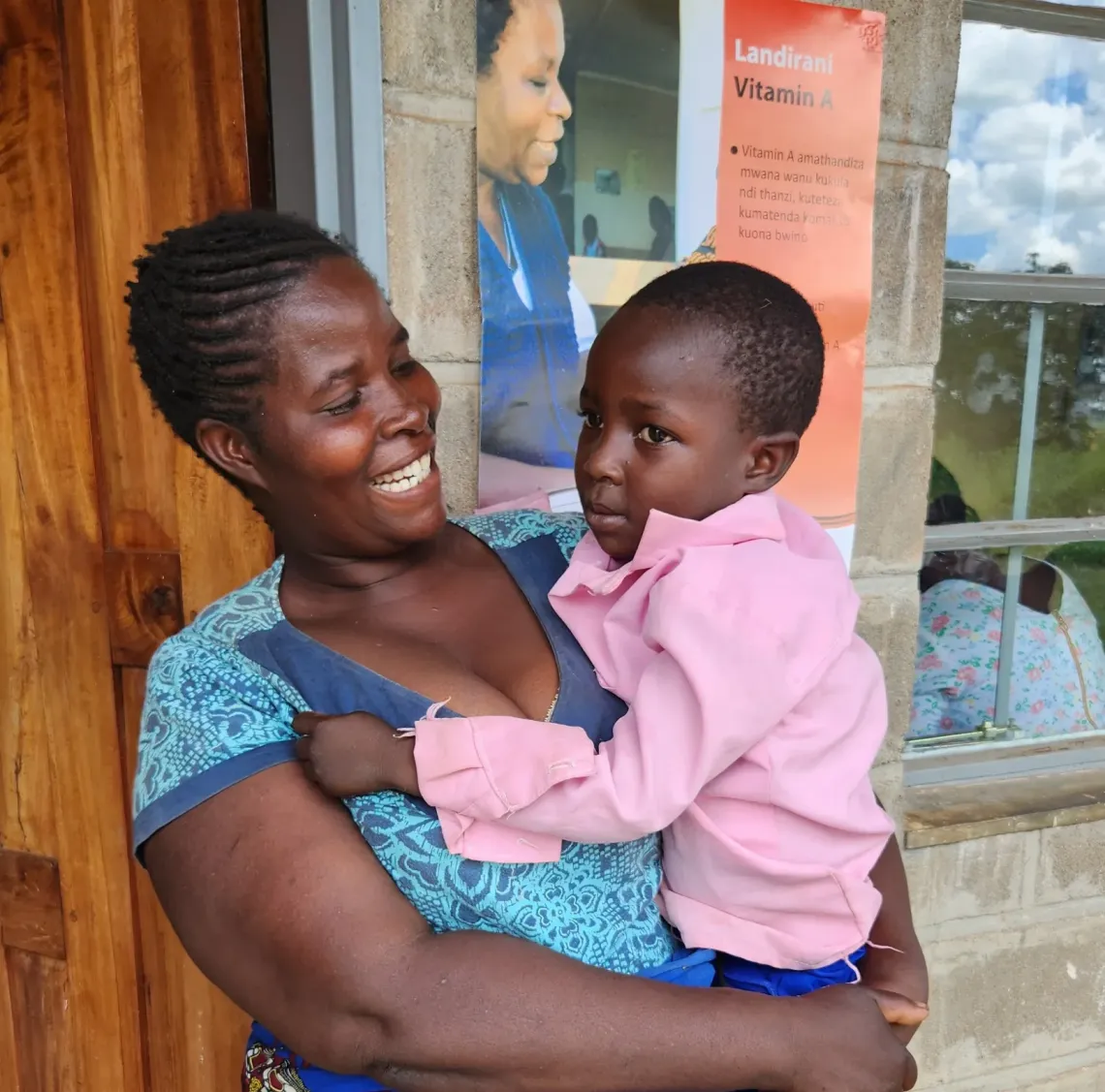
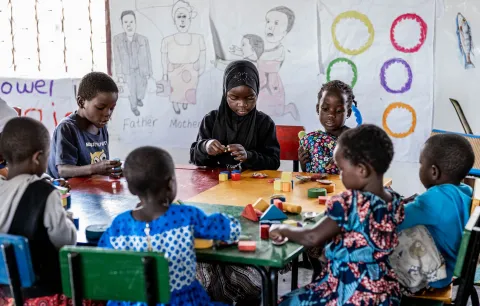
At Kanjedza Community Based Childcare Centre (CBCC) in Thyolo, southern Malawi, Thursdays bring more than just playtime for the children—they bring peace of mind for parents like Maria Mphando.
Maria’s four-year-old son, Hassan, has been attending the centre since February last year. Thanks to regular nutrition screenings by health surveillance assistant (HSA) Edward Likhomu, Maria says she feels confident about her child’s wellbeing.
“Before, I didn’t know how to tell if Hassan was healthy,” Maria shares. “But now, I understand because the health worker does regular checks on him, and I have also learnt what signs to look for from this centre.”
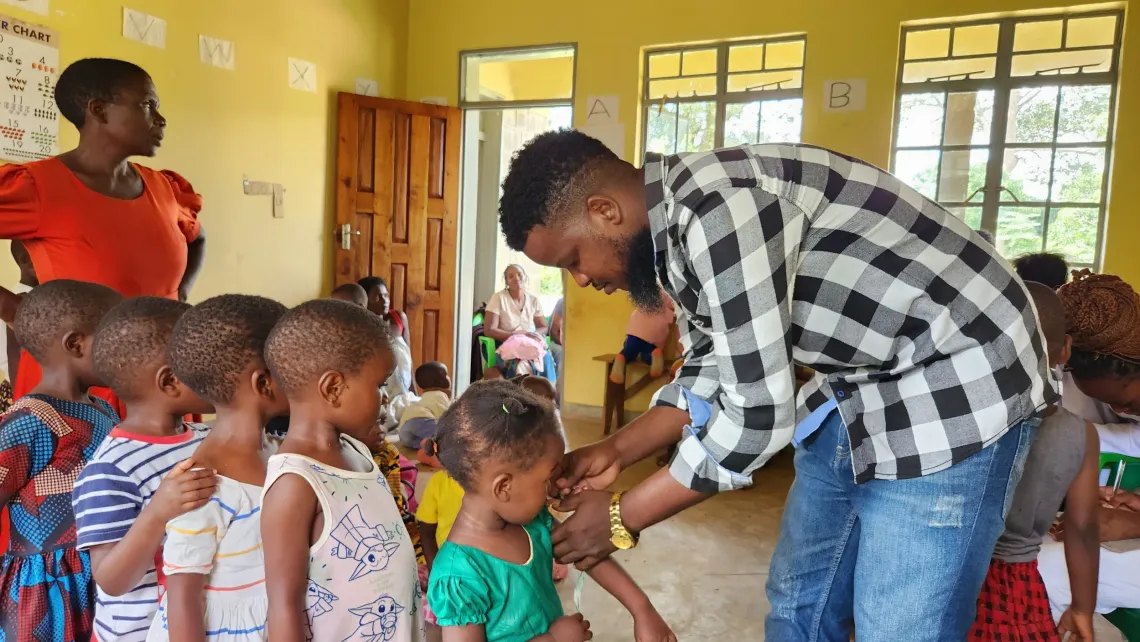
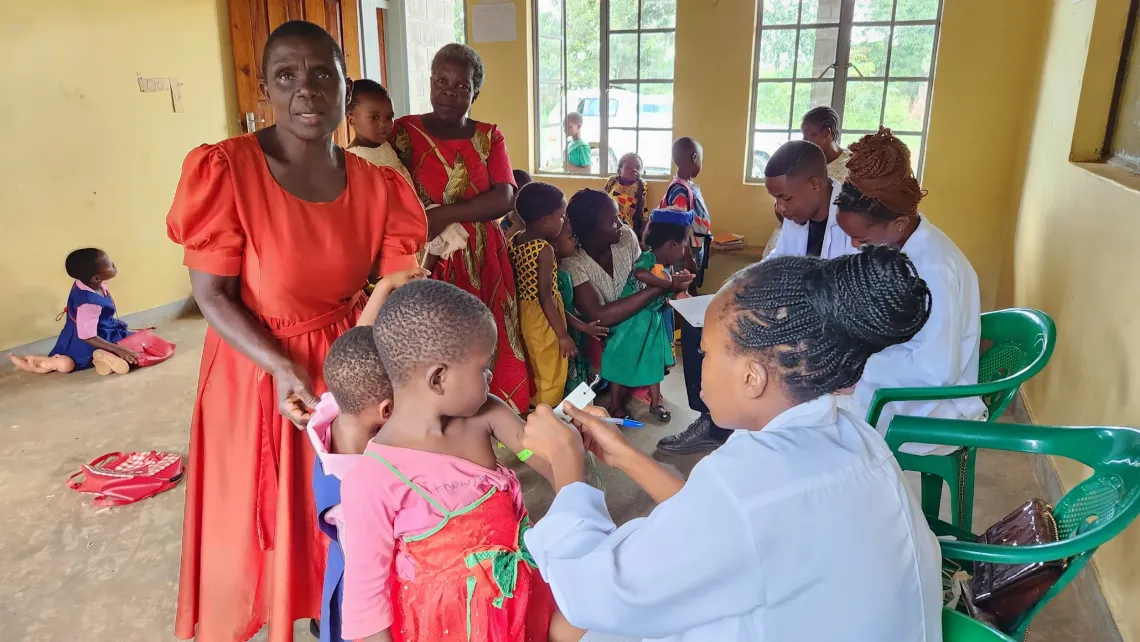
Likhomu visits Kanjedza CBCC weekly to screen children under five for malnutrition—a vital service in a community affected by El Niño-induced food insecurity. His visits begin with a check of the centre’s hygiene and sanitation, followed by health assessments using mid-upper arm circumference (MUAC) tapes.
“When I see Edward arrive, I feel relieved,” Maria says. “He’s not just checking the children—he’s teaching us how to care for them better and prepare nutritious meals for the children to be healthy.”
Through parenting sessions at the CBCC, Maria has learned how to prepare diversified meals using local ingredients.
"I used to think nsima and beans were enough. Now I always add vegetables from my garden and sometimes eggs. Hassan loves it, and I see the difference in his energy."
Maria says Hassan has never been diagnosed with malnutrition, and she credits the early screening and nutrition education for keeping him healthy.
“When the HSA checks him, he always says Hassan is doing well. That makes me proud as a mother,” she says.
The integration of health and nutrition services at Kanjedza CBCC is part of a broader initiative supported by UNICEF’s El Niño emergency response funded by the Humanitarian Aid department of the European Commission (ECHO). In Thyolo District alone, over 126,000 children aged 6–59 months have been screened through mass campaigns.
Eunice Laji, a caregiver at the centre, says the collaboration has transformed their approach as they not only focus on child stimulation and learning activities, but also their health.
“We now teach parents how to prepare balanced meals and follow up with them when a child is found to be malnourished so that they can be assisted. I am delighted to see that most of the children at this centre are healthy,” she says.
Maria agrees. “Now I’m not just a mother—I’m a nutritionist in my own home,” she says with a smile. “I used to worry a lot, but now I feel empowered.”
As Hassan runs back to her, giggling and full of energy, Maria scoops him up with joy. “He is growing strong,” she says. “And I know I’m doing something right.”