

Transition and Resilience Education Fund: Strengthening Lebanon’s Public Education System
The Transition and Resilience Education Fund (TREF) supports Lebanon’s public education system with predictable, multi-year funding to improve teaching, governance, cost-efficiency, and access for out-of-school children

- English
- العربية
What does TREF do? | TREF's Approach | Related Content
The Transition and Resilience Education Fund (TREF) was established in June 2022 to respond to multiple crises affecting access to quality and inclusive education for children in Lebanon. Since its establishment, and under the Ministry of Education and Higher Education’s direction, TREF has supported schools to remain open, sustain access to quality and inclusive education and strengthen the performance of an education system affected by multiple and compounding crises including on data collection and use, and on financial management and reporting at school, regional and central levels.

What does TREF do?
TREF channels international funding for education programmes, teachers and schools to ensure children have access to teaching and learning that builds the skills they need for a brighter future. Since 2022, TREF has been supported by the European Union, Germany through the German Development Bank KfW, France through the Agence Française de Développement (AfD), Switzerland, UK, Netherlands, Italy, Finland, Norway, USA, The Kuwait Fund for Arab Economic Development (KFAED), Al Ghurair Foundation, Akelius Foundation, CMA CGM Foundation, LEGO Foundation.
The TREF ensures impact through a mix of programme investments and technical assistance at national, regional, school, classroom and community levels. For out-of-school children – including those who have never seen the inside of a classroom – targeted approaches that improves learning outcomes, equity and inclusion provide a pathway to learning in the formal system.
Recovery and reform must move forward together, so that every investment we make today delivers better and more equitable outcomes for learners.
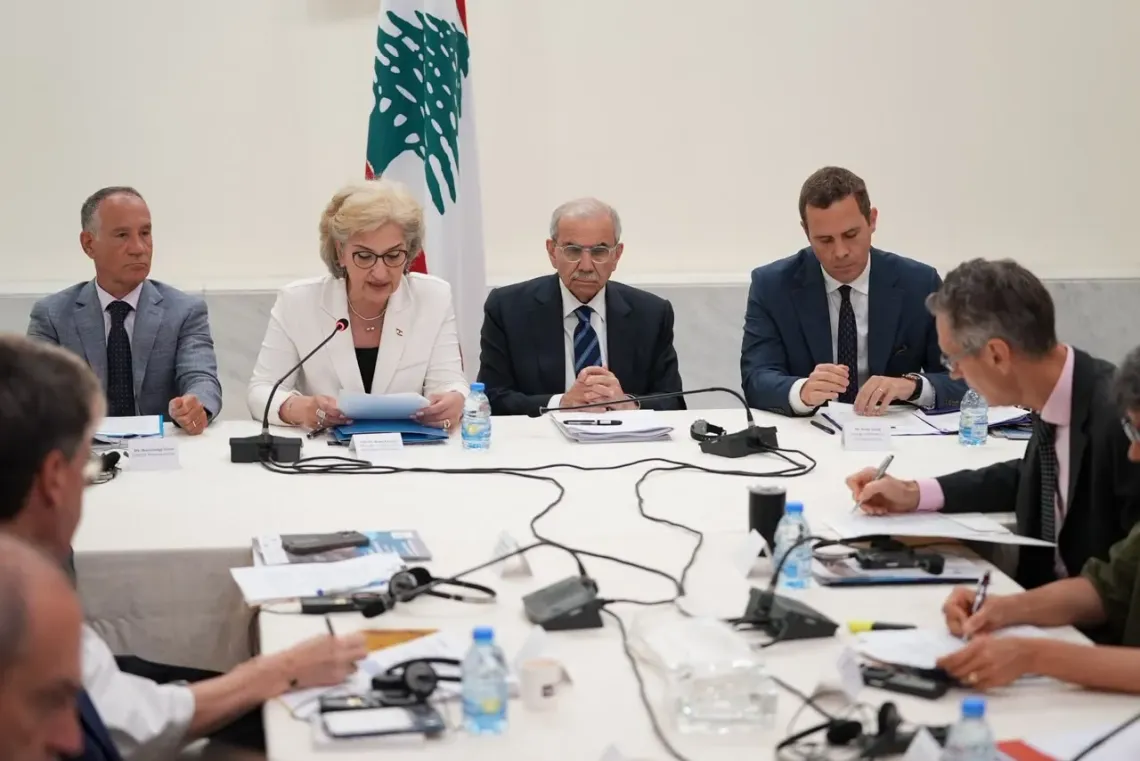
“Our priority is to ensure that every child returns not only to school, but to meaningful learning. As we restore learning after another year of disruption, we are also continuing the reforms needed to strengthen the public education system for the long term. Through our Strategic Vision for Educational Renewal 2025–2040, we are investing in better teaching and learning, more inclusive schools, stronger governance and clearer pathways for children who are outside education. Recovery and reform must move forward together, so that every investment we make today delivers better and more equitable outcomes for learners.” Dr. Rima Karami, Minister of Education and Higher Education
Investing in education recovery and reform is ultimately an investment in Lebanon’s children, its human capital and its future.
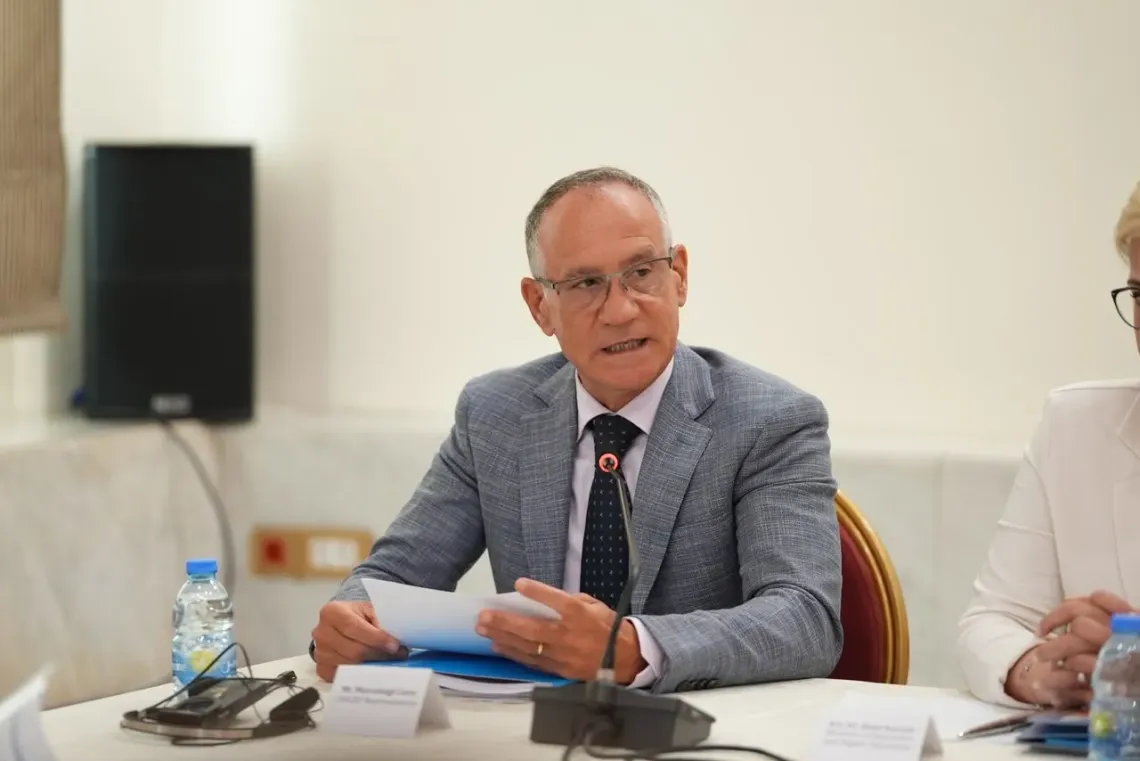
“Every disruption to education risks widening learning gaps and pushing the most vulnerable children further behind,” said Marcoluigi Corsi, UNICEF Representative in Lebanon. “With the sustained support of TREF contributing partners, UNICEF will continue working alongside MEHE to accelerate learning recovery, restore safe schools and sustain reforms that translate investment into better outcomes for children. Investing in education recovery and reform is ultimately an investment in Lebanon’s children, its human capital and its future.”
TREF’s approach supports:
TREF is an education system reform catalyst which supports practical solutions to expand access to quality, inclusive education for children in Lebanon.
Since 2022, it has built a track record of system-level reform:
- Unique IDs for children and teachers across AM and PM shifts enable evidence-based planning and budgeting, tracking attendance and informing need-based School Fund allocations.
- A need-based costing model, cost-shared between Government and TREF donors, gives schools funding predictability to maintain basic services and supplies for every child.
- SOPs on data and financial management at school, regional, and central levels improve transparency, governance, and value for money across domestic and external financing.
- Standardized data collection templates at school level.
- A National Policy on Inclusive Education, launched and endorsed by MEHE in June 2023 after wide national consultation, provides a framework for inclusive education built on lessons from the Inclusive Education Pilot and international best practice.
- Reform of the Non-Formal Education Curriculum and Transition Pathways, including the Accelerated Learning Programme (ALP) as a single-entry point for transition to Formal Education.