From Training to Income to Impact: Youth Empower Their Communities One Stitch at a Time
Through UNICEF’s Learning to Earning programme, youth in South Lebanon are gaining skills, income, and purpose—rebuilding their lives while supporting vulnerable families with clothing kits made with care and dignity
- English
- العربية
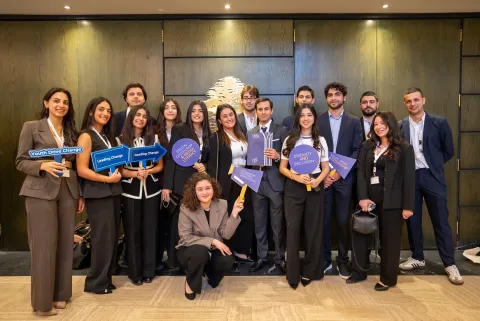
Through UNICEF’s Learning to Earning programme, hundreds of youth across South Lebanon are gaining more than just skills, they’re rebuilding hope, one stitch at a time. The initiative begins with competency-based training and progresses into paid opportunities through the Cash for Work programme, empowering vulnerable young people with professional skills, income, and a sense of purpose.
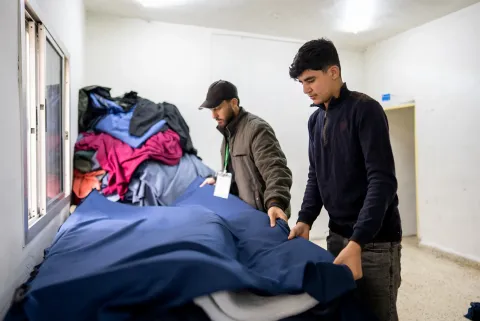
A total of 649 youth were employed to produce around 28,000 winter and lighter kits. These kits were the outcome of a structured journey that began with training and led to income generation through UNICEF’s Cash for Work programme. Out of these 649 youth, 18 youth were engaged in producing 1,000 Eid clothing kits for displaced and vulnerable children and youth aged 3 months to 24 years across the impacted regions in the south.
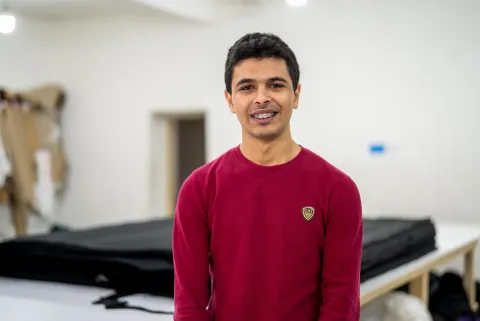
Azza Mohammad, 18 years old Syrian, has experienced displacement twice, first from Syria, and more recently from southern Lebanon. “It is painful to have been displaced twice,” she shared. “When I heard about this course, I signed up right away because I love sewing, and it could become my future profession.” “It was a great opportunity, not only because it is paid work, but because we were making Eid clothes for displaced children. It may seem simple, but it brings them so much happiness.”
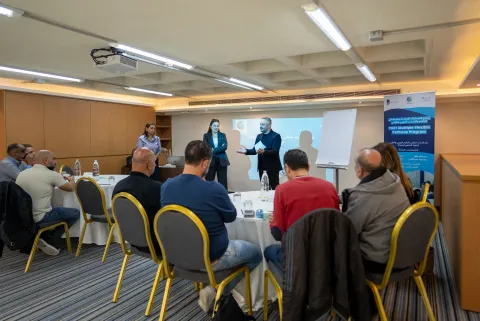
The training in Saida is part of UNICEF’s wider Learning to Earning programme, offering competency-based skills training for vulnerable youth, creating job opportunities, enhancing employability, and empowering young people to give back to their communities. Participants like Azza received a $600 stipend for 40 days of work, an essential income boost for those often excluded from the labor market. But the impact went beyond income: trainees gained practical experience, developed professional skills, and discovered the value of their contributions to the communities they live in.


For Mohammad Darzi, 21, the experience was deeply personal. “I registered right away with my friend, especially after learning that we would be making Eid clothes for children,” he said. “During the war, we couldn’t help or volunteer, so this was our opportunity. The course gave us practical, paid training, but most importantly, it allowed us to bring joy to children and feel of use to our communities who have suffered so much.”
The outcome of their work was not just fabric and thread, but dignity, care, and joy. The Eid clothing kits included bright new outfits, pants, jackets, and dresses for girls; vests and t-shirts for boys, distributed to families who remain in shelters following the war.
Silva Jamil, a mother of five from Kfarkela, shared “We can’t return home, our house was destroyed and we are left with nothing. Eid no longer feels the same, but small things like these new clothes bring smiles to my children’s faces; especially that we cannot afford them ourselves at the moment. It may seem like a small gesture, but it fills their hearts with joy.”
Zeinab Ali, now living in Adayseh, echoed that sentiment “We’re exhausted. My husband lost his job, and we lost everything in our village. What matters most is that my children are safe—and I’m grateful that generous people continue to support us. These clothes will make my children very happy.”
From training to distribution, this initiative was grounded in sustainability and dignity, merging economic empowerment with emergency response by creating local jobs, empowering youth to reclaim agency, and helping families regain moments of normalcy in the face of urgent humanitarian needs.
The Learning to Earning through its Cash for work programme empowers youth in Lebanon by providing the skills, resources, and confidence they need to achieve financial independence and fulfil their potential. This initiative is made possible by the generous support of the German Government through KfW Development Bank, driving positive change for both the community and the youth involved.