

Social and Behaviour Change (SBC) Programme
The Social and behaviour change (SBC) program strives to support children, families, and communities in nurturing well-being and protecting their rights by working together to encourage healthy, protective, and sustainable behaviours
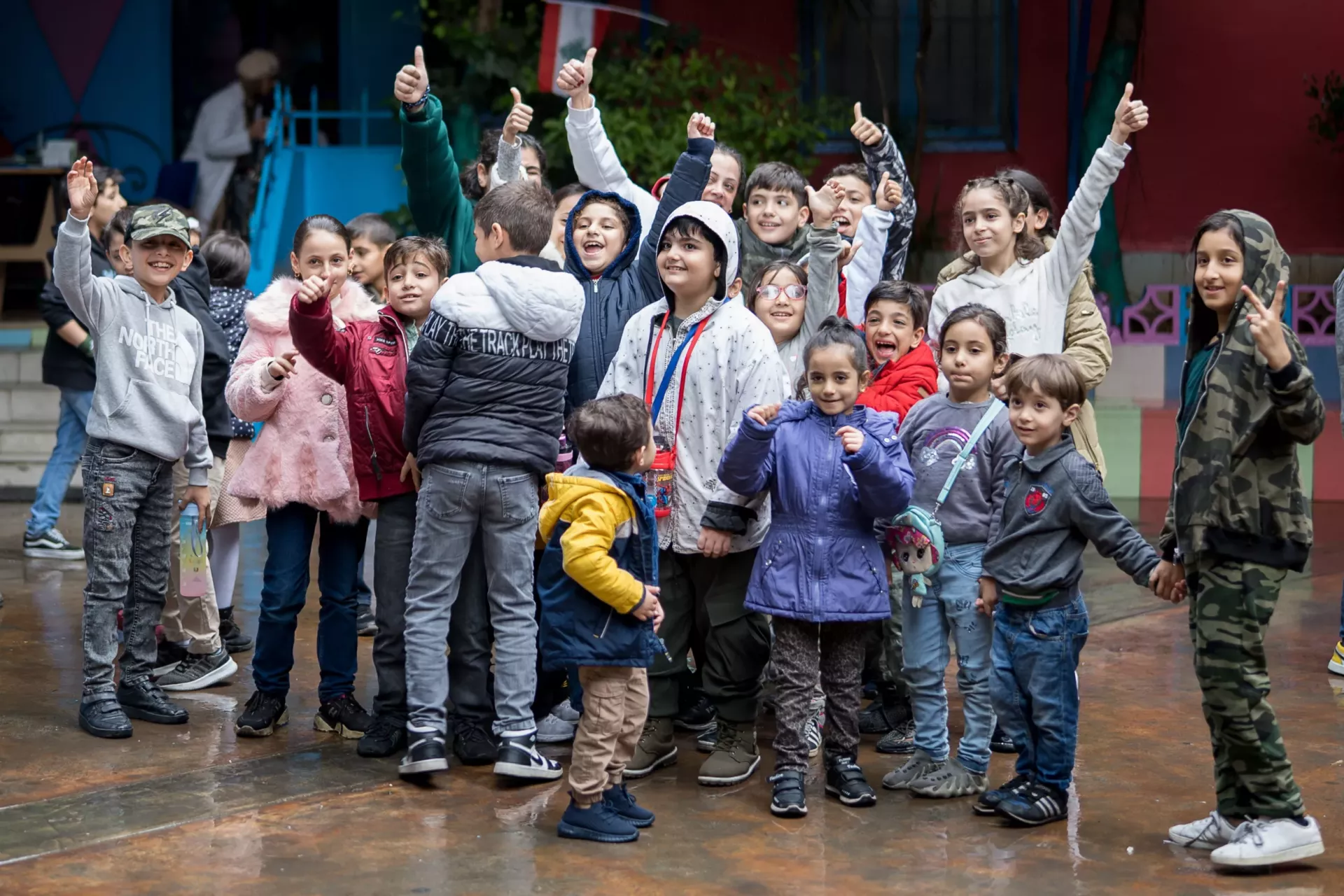
- English
- العربية
Within the Social and behaviour change (SBC) section at UNICEF, we don’t change who people are—we help shape environments and foster conditions that empower them to adopt positive practices that benefit children. By engaging communities and families, we promote healthy and protective behaviours, ensuring that individuals have the knowledge, resources, and support needed to make sustainable, positive changes in their daily lives. Through collaborative efforts and community-driven solutions, we help shape a future where every child can thrive in a safe and nurturing environment.
Definition of Social and behaviour change
Social and behaviour change is a systematic, evidence-based approach that influences behaviour by addressing psychological, social, and environmental factors. It works to remove barriers, shift social norms, and foster positive change through community engagement, mobilization, and participation.
In Lebanon, SBC collaborates with communities to identify challenges, co-develop solutions, and drive collective action on critical issues affecting children and families, such as out-of-school children, disability stigma, child labor, child marriage, low immunization uptake, hygiene, violence, and trust in public services. By ensuring locally driven, culturally relevant, and sustainable solutions, SBC empowers communities to create lasting change.
Challenge
Lebanon’s ongoing crisis has severely impacted children and families, making access to healthcare, education, and protection increasingly difficult. Many children face serious risks such as malnutrition, school dropout, hygiene challenges, low immunization rates, child labor, early marriage, and social stigma. The strain on mental health is also profound, diminishing their sense of hope and security.
The economic crisis, displacement, and the prolonged refugee situation have widened inequalities, forcing many to adopt negative coping mechanisms and deprioritize essential health and well-being practices. Vulnerable groups—especially women, children, and persons with disabilities—are the most affected, facing marginalization and reduced opportunities for growth.
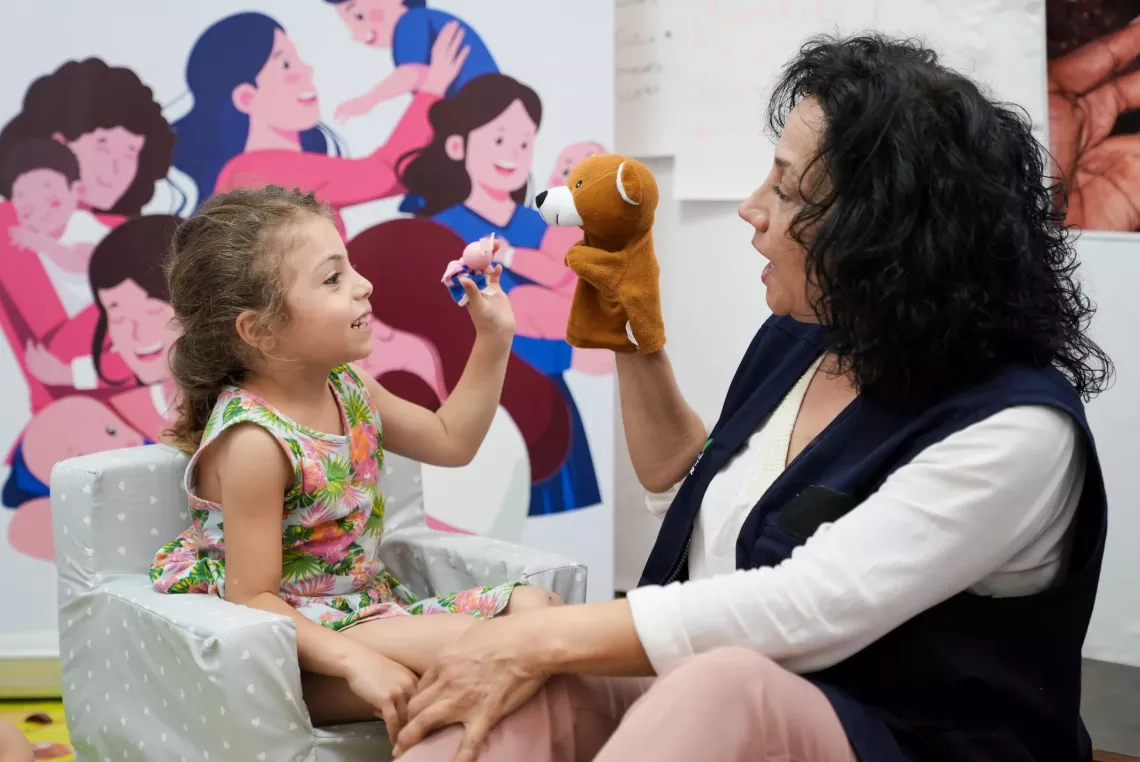
UNICEF’s Social and behaviour change is actively working to bridge these gaps by engaging directly with communities, strengthening local networks, and applying innovative approaches such as storytelling, forum theater, and community-led initiatives. SBC strategies address intersecting vulnerabilities across women, children, and persons with disabilities, by breaking down barriers at:
Three Levels
- Low trust in public services limits the demand for healthcare, education, and protection services.
- Social norms and stigma continue to normalize harmful practices like child labor, child marriage, and exclusion of persons with disabilities.
- Disconnected outreach and referral efforts create confusion and overwhelm communities, leading to resistance to change.
- Limited community participation prevents individuals from being actively involved in decisions that impact their lives.
- Local leaders and service providers require additional capacity-building in planning, budgeting, supervision, and monitoring of SBC Programmes at both national and sub-national levels.
- Children’s and women’s needs are often underprioritized, with limited efforts to drive demand for essential services such as education, healthcare, and protection.
- The difficulty in establishing partnerships with the private sector and local organizations is due to the limited scope of interests, resource constraints, and varying levels of commitment to child rights promotion.
- Effective coordination among municipalities, schools, and organizations remains a challenge due to fragmented efforts, competing priorities, and limited resources, making it difficult to develop and implement long-term, inclusive, and community-driven solutions for sustained Social and behaviour change.
- Absence of a unified national strategy focused on behaviour change and public engagement.
- Limited behavioural data to guide evidence-based policies and Programmes.
- Strengthening local government systems is essential to support cross-sectoral Social and behaviour change efforts for both long-term development and emergency response.
- Improved collaboration between government entities is necessary to ensure community voices are heard at the policy level and integrated into decision-making processes.
Solutions
The Social and behaviour change program is at the heart of UNICEF’s efforts to foster positive, sustainable change within communities. Through community engagement, mobilization, and behavioural insights, SBC works to empower individuals, families, and leaders to adopt healthy, protective, and inclusive practices that enhance children's well-being. By integrating engagement, edutainment, mobilization and behavioural science, SBC challenges harmful norms, promotes social responsibility, and encourages collective action. Capacity strengthening is key, ensuring that frontline workers, educators, and community members are equipped with the tools to drive meaningful change, especially in health crises, child protection, and humanitarian contexts. SBC also monitors and evaluates its interventions, measuring shifts in knowledge, attitudes, and behaviours to refine strategies and maximize impact. The program’s collaborative and adaptive approach, including its use of digital platforms and social networks and references, continues to expand its reach, engaging a big number of people and strengthening community-led solutions to protect children and build a more inclusive future.
UNICEF Solutions
A key part of Social and behaviour change is fostering social responsibility by empowering communities to take ownership of change. Rather than just delivering messages, we actively listen, engage people in the process, and collaborate to develop solutions and alternatives that drive positive transformation. SBC works closely with UNICEF Programmes and line ministries, ensuring that interventions are mainstreamed into existing initiatives and aligned with program priorities to maximize impact and sustainability.
- Routine immunization campaigns are a core component of SBC engagement efforts. In collaboration with health Programmes, SBC works with local health workers, parents, and community leaders to ensure children receive life-saving vaccines, address misinformation, and enhance vaccine uptake.
- SBC collaborates with WASH Programmes, local communities, and schools to promote sustainable water management, hygiene awareness, and improved sanitation practices, creating safer environments for children and families.
- SBC contributes to the integration of Infant and Young Child Feeding (IYCF) and Early Childhood Development (ECD) approaches into school health and nutrition Programmes, fostering healthy lifelong habits. By working with nutrition and education sectors, SBC promotes optimal feeding practices, and training community health workers to provide counseling on responsive caregiving and early childhood stimulation. Additionally, SBC can drive demand generation for nutrition services by mobilizing communities, tackling myths and misconceptions, and enhancing trust in health systems to improve service uptake.
- Multi service community centers called “MAKANI” serve as a hub of multiple services, ensuring a holistic approach to education, protection, and well-being. SBC Through initiatives like QUDWA, immunization campaigns, and community platforms, engages with children, families, and community leaders to identify challenges and develop locally driven solutions that enhance access to essential services and promote protective behaviours.
- Child protection and SBC adopted the role modeling approach through QUDWA to mobilize communities to address child labor, child marriage, and violence against children and women. By leveraging trusted community networks, including religious leaders, barbers, taxi drivers, municipal police, grandparents, and other influential members, SBC creates safe spaces for discussions, challenges harmful norms, and promotes positive role models to strengthen community-led protection efforts.
- Destigmatizing disability remains a key SBC priority, working closely with education team, families, teachers, Organizations of Persons with Disabilities (OPDs), and local leaders to build inclusive environments. Through targeted training and community dialogues, SBC ensures that children with disabilities have equal opportunities in education and social participation, fostering a culture of inclusion and acceptance.
Social change requires strong networks and collaboration. SBC works with:
- Municipalities, religious leaders, and local organizations to promote inclusion, positive practices and child protection.
- Families and caregivers to ensure children are supported in safe environments.
- Social media campaigns and strategic partnerships with local influencers to amplify outreach, disseminate key messages and engage the community.
- Local mobilization and leverage on existing resources goes beyond just discussions; it encourages people to use shared spaces, local assets, and collective efforts to drive positive change, fostering collaboration, resilience, and sustainability.
People are more likely to connect with stories, emotions, and shared experiences than with mere statistics or instructions. That’s why Social and behaviour change leverages entertainment as a tool to educate, engage, and inspire change in an enjoyable and impactful way.
Here are some creative approaches used in SBC to shift perceptions and foster dialogue:
- Interactive Tools for Engagement – Resources like the QUDWA toolbox, Destigmatizing Disability Toolkit, and SBC Booklet encourage meaningful discussions and promote inclusive mindsets.
- Theater and Role-Playing – Interactive workshops and performances challenge stereotypes, build empathy, and create space for transformative conversations.
- Storytelling and Children's Books – Literature and narratives introduce young audiences to diversity, inclusion, and social change in an engaging, relatable way.
- Media and Video Production – Digital content on social media and multimedia platforms amplifies key messages, reaching audiences through familiar and accessible formats.
By weaving education into entertainment, SBC not only raises awareness but also inspires action, shifts mindsets, and fosters lasting social change.
When tackling social challenges like WASH (Water, Sanitation, and Hygiene), child labor, and child marriage, understanding why people behave the way they do is key to creating real change. By listening to communities and exploring what influences their decisions, we can design solutions that make positive behaviours easier and more natural to adopt.
Here’s how behavioural insights help shape better solutions:
- WASH & Hygiene Promotion: Easy-to-Use Hygiene Toolkits – Creating practical guides based on real-life habits to make hygiene practices more accessible for all. Community-Led Solutions – Hosting interactive sessions where communities co-design ways to improve hygiene, ensuring long-term impact.
- Tackling Child Labor: Child Labor (North Lebanon Pilot with child labor taskforce and Tripoli municipality) – Engaging children, caregivers, and local leaders in open discussions to uncover why child labor happens and explore better alternatives. Practical Intervention Tools – Designing realistic, community-driven solutions to reduce child labor and improve children’s well-being.
- Understanding Child Marriage Behaviours: Using behavioural insights to identify key beliefs, social pressures, and economic drivers that influence child marriage. Crafting awareness campaigns and interventions that shift perceptions and offer alternative pathways for girls' futures.
By nudging behaviours in the right direction, we can encourage positive choices that empower communities and create lasting change.
To create sustainable change, capacity building is essential. Strengthening the skills of frontline workers, community leaders, and responders ensures that Social and behaviour change strategies are effectively implemented in diverse contexts, including emergencies, crises, and conflict situations.
Here are key focus areas for capacity development:
- Social and behaviour change – Training teams on evidence-based strategies to shift behaviours, influence social norms, and drive meaningful engagement.
- Interpersonal Communication (IPC) – Equipping individuals with the skills to actively listen, build trust, and communicate effectively in behaviour change efforts.
- AAP, SBC, and PSEA for First Responders – Providing first responders with the tools to ensure Accountability to Affected Populations (AAP), integrate SBC principles, and uphold Protection from Sexual Exploitation and Abuse (PSEA) in conflict and crisis settings.
- Community Engagement (CE) – Training on inclusive and participatory approaches to ensure that communities are at the heart of program design and decision-making.
By investing in capacity building, we empower individuals and organizations to create sustainable, community-driven change—especially in high-stakes humanitarian contexts.
In times of health crises, Risk Communication and Community Engagement (RCCE) becomes a vital tool for ensuring that communities receive timely, accurate, and actionable information. Social and behaviour change plays a critical role in activating RCCE, shaping messaging that is culturally relevant, trustworthy, and responsive to people’s concerns. By fostering dialogue, addressing misinformation, and engaging community leaders, RCCE helps build trust and encourages protective behaviours that mitigate risks. Ensuring that people are not just informed but also actively involved in decision-making strengthens community resilience and improves health outcomes. For more details on RCCE strategies and implementation, visit Risk Communication and Community Engagement (RCCE) | UNICEF Lebanon
To ensure that Social and behaviour change initiatives create meaningful and lasting impact, we rely on innovative monitoring and evaluation tools that track shifts in attitudes, behaviours, and social norms over time. The Most Significant Change (MSC) approach helps capture real stories of transformation, highlighting how communities evolve through engagement. Tools like QUDWA provide valuable insights into progress in violence reduction and child protection across different settings.
In addition, ongoing analysis of two specialized questionnaires—one for adults and one for children—helps assess public attitudes toward disability and inclusion, ensuring that future SBC interventions are evidence-based and tailored to real needs. Knowledge, Attitudes, and Practices (KAP) surveys further support long-term analysis, identifying key behavioural trends and barriers to change.
By continuously gathering feedback, adapting strategies, and strengthening partnerships, SBC interventions remain dynamic, responsive to community needs, and effective in driving sustainable change.
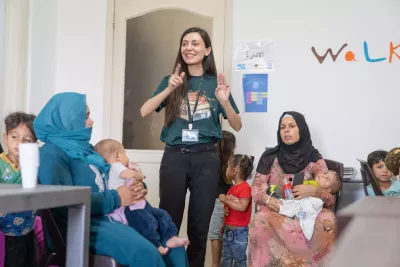

Our key achievements
During 2024, SBC efforts have seen significant progress:
- More than 43,000 community members, key stakeholders, local organizations and partners engaged in SBC initiatives.
- More than 250 community-driven campaigns and more than 40 community platforms were established allowing community participation in Programme priorities.
- Leverage the use of social media to reach over 3,000,000 people online through social media campaigns promoting behaviour change.
- Stronger networks of trained frontline workers, health workers, and community mobilizers working to create a more inclusive and protective environment for children reaching more than 1600 individuals.
- More than 1,000 QUDWAs have been trained and empowered to lead community initiatives, delivering key messages that promote positive behaviours. Among them, 400 have been fully equipped to facilitate referrals effectively.