Seeds of Change
Youth taking the lead on green-agriculture solutions through UPSHIFT

Luang Prabang province is a place renowned for its cultural richness and historical significance, a place where tradition meets nature. Through its heart runs a river, separating Luang Prabang and Chomphet districts - two areas in the province that share unique yet connected stories.
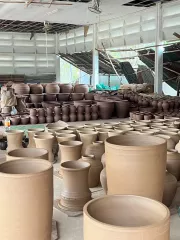
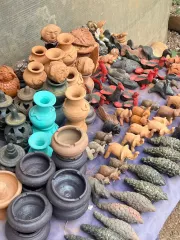
On one side of the river, Luang Prabang district is steeped in history. On the other side, Chomphet district is known for its pottery, handicrafts and agriculture. Getting to Chomphet district requires you cross the river by boat, making it an attractive place for tourists and locals alike. However, despite its charm, Chomphet and the people who live there face a recurring challenge that affects not only its inhabitants but also those living on the other side of the river.
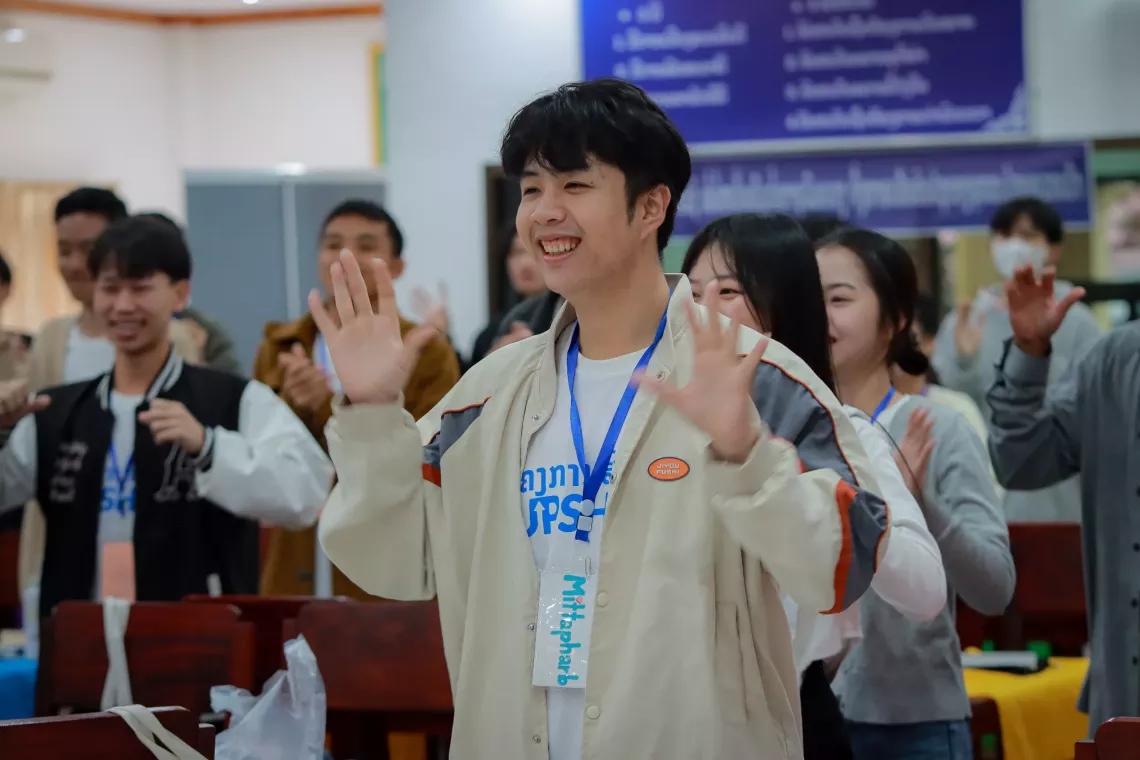
“Each year, especially between March and April, the farmers in Chomphet engage in land burning as part of their agricultural practices because it is cheap and fast. As local students there, we get affected by the land burning every year because it is our route to university. I can’t see anything except the smoke from the burning land."
The practice of burning land is a method that has long been used in farming, often seen as a quick and cost-effective way to clear fields for planting crops. However, the smoke produced by this practice is affecting not only farmers but the broader community, including students, families and neighboring areas like Luang Prabang district. While the practice highlights the challenges of limited agricultural alternatives and resources, it has become an issue that requires collective action to address its environmental and health impacts.
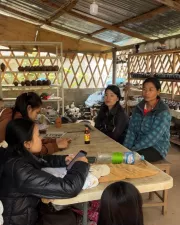
Group 10 is made up of university students from Souphanouvong University who has taken the initiative to address this pressing issue. As part of Project Sinxay: UPSHIFT, supported by WeMade and in partnership with the Lao Youth Union and XMT, they have been equipped with the skills and tools needed to drive positive change in their community.
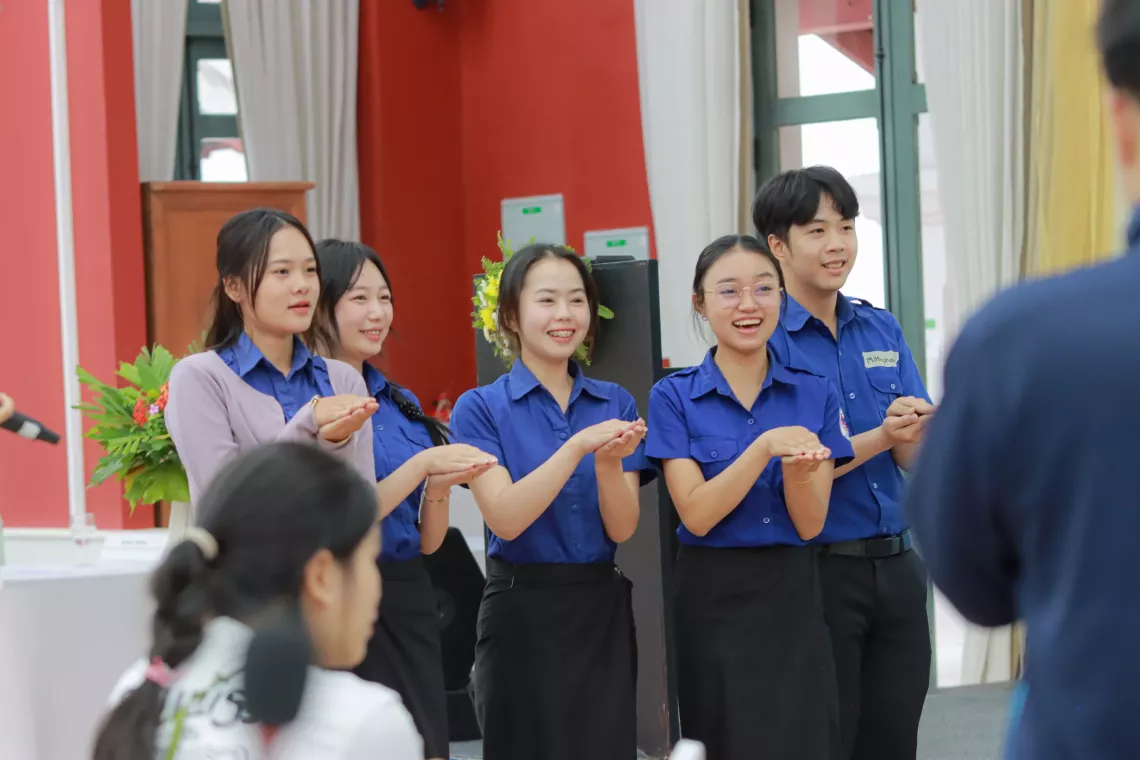
"During our data collection, one of the villagers talked about the field fire from two years ago. They explained that everyone, including the children, had to help stop it even though it was extremely dangerous for them. Since then, it has felt like a nightmare for everyone,"

"Our passion project is to introduce the farmers to the negative effects of land burning and help them understand how it harms the environment. We also want to introduce them to alternative crops that can grow throughout the seasons, as well as the tools to improve their land so that they can avoid land burning."


“The programme taught me to analyze the solutions that I thought were the best for our target group. After we received training on problem statements and using data during the programme, I realised that the real issue was not that farmers lacked knowledge about the harmful effects of land burning but there is no alternative solution for them, especially when it comes to seasonal crops. Burning land is the easiest method for them to clear fields and plant seasonal crops.” said Thanakone Soulivongxay, a member of group 10.

“To prove the effect of land burning, we came up with the installation of air quality measurement devices to ensure that the farmers can see the difference between burning and non-burning land.”
“In addition to promoting sustainable agriculture, we also came up with a plan to introduce eco-tourism in Chomphet. This initiative would focus on showcasing the region’s pottery and handicrafts while promoting environmental sustainability.”


Thanakone concluded, “Our long-term goal is to help farmers transition away from harmful land-burning practices by providing them with sustainable solutions. We believe that with the right support and resources, we can create a healthier, more sustainable future for both Chomphet and Luang Prabang districts.”
The efforts of group 10 are just the beginning of what they hope will be a long-term movement towards sustainability in Chomphet and Luang Prabang. By providing farmers with practical alternatives to land burning, improving agricultural methods, and introducing eco-tourism, group 10 aims to create a lasting change that benefits both the environment and the local community.