Addressing Air Pollution with Artificial Intelligence
Ensuring cleaner air – with and for children and young people

“Air pollution affects everyone. We can’t improve air quality in just one day but if we take action today, we can create a better future for all.”
Thanakone Soulivongsay, 19, Luang Prabang, Lao PDR
In East Asia and the Pacific, every day, over 100 deaths of children under five are linked to air pollution.
In Lao PDR, where seasonal wildfires and traditional slash-and-burn agricultural practices are an increasing concern, fine particulate matter, or PM2.5, exceeds safe levels and is putting the health of children and communities at risk.

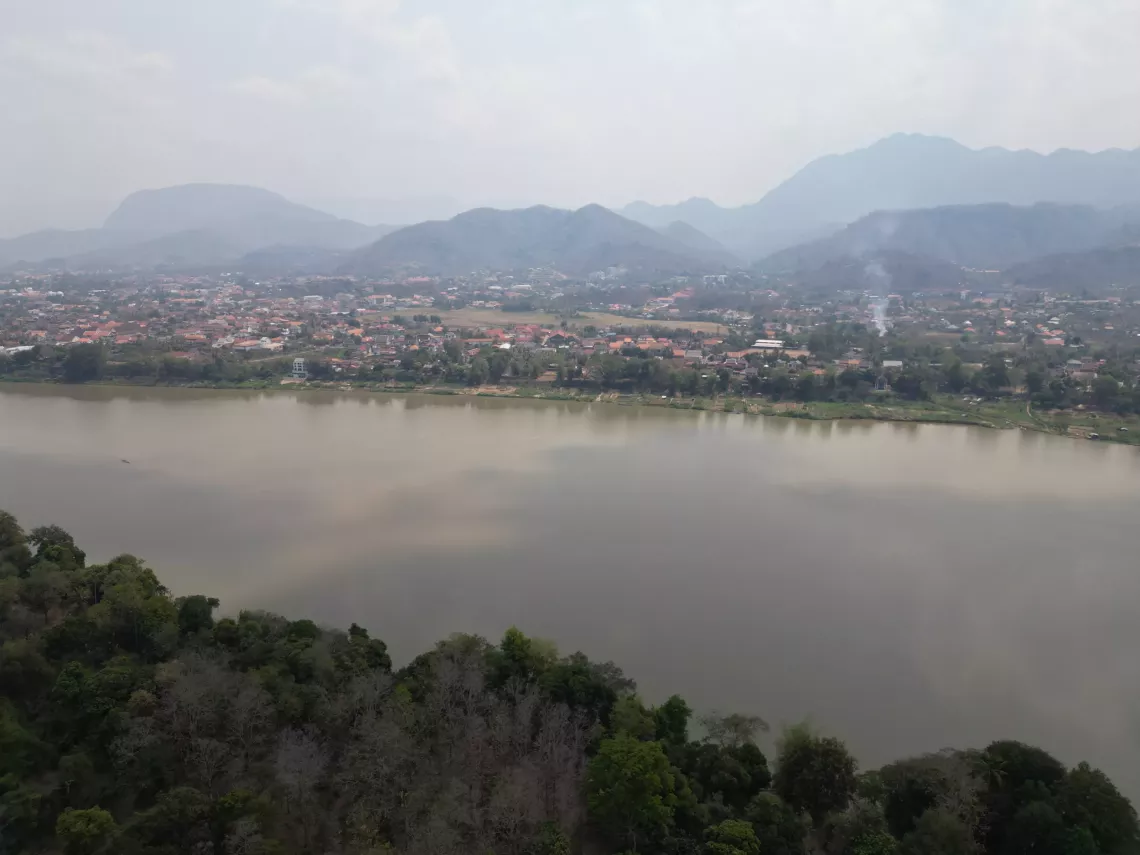

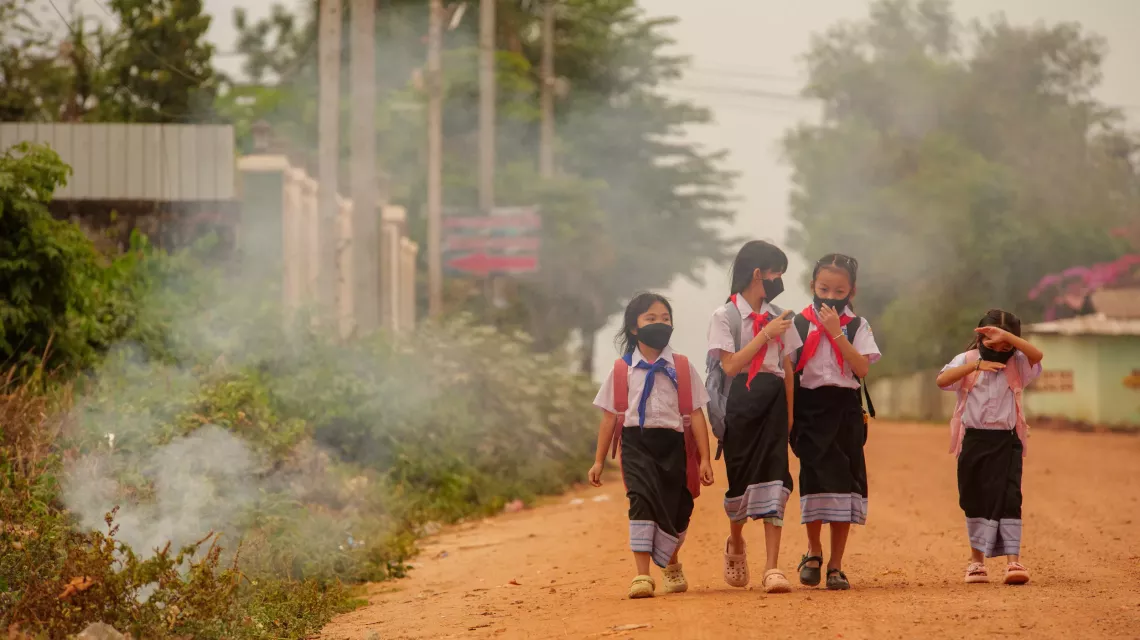

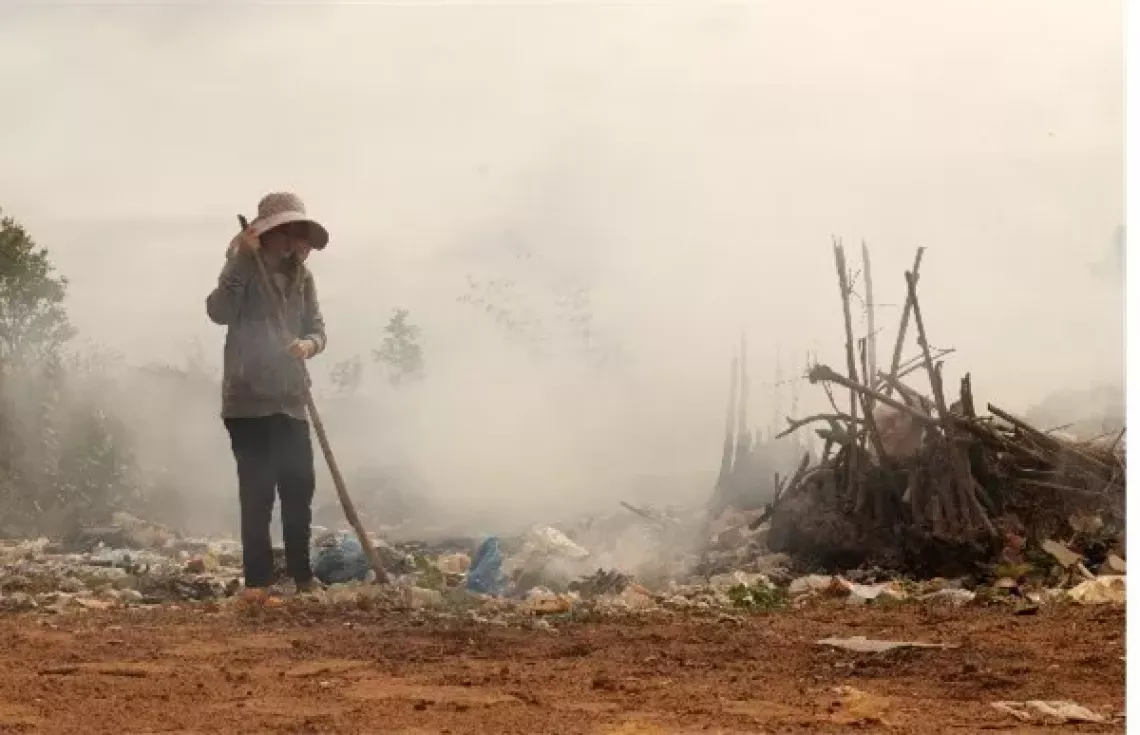

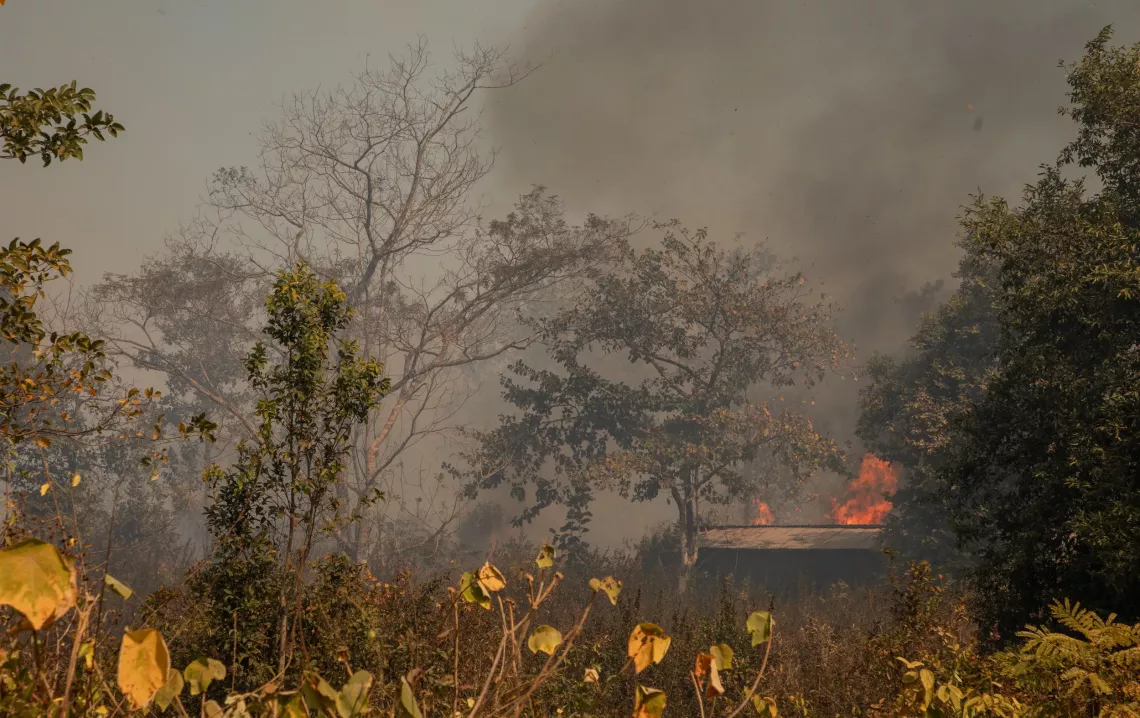
The challenge? PM2.5 is invisible to the naked eye, and limited public awareness coupled with a lack of accessible data on its impact makes it hard for families and policymakers to respond. But change is on the horizon.


Making an invisible threat impossible to ignore
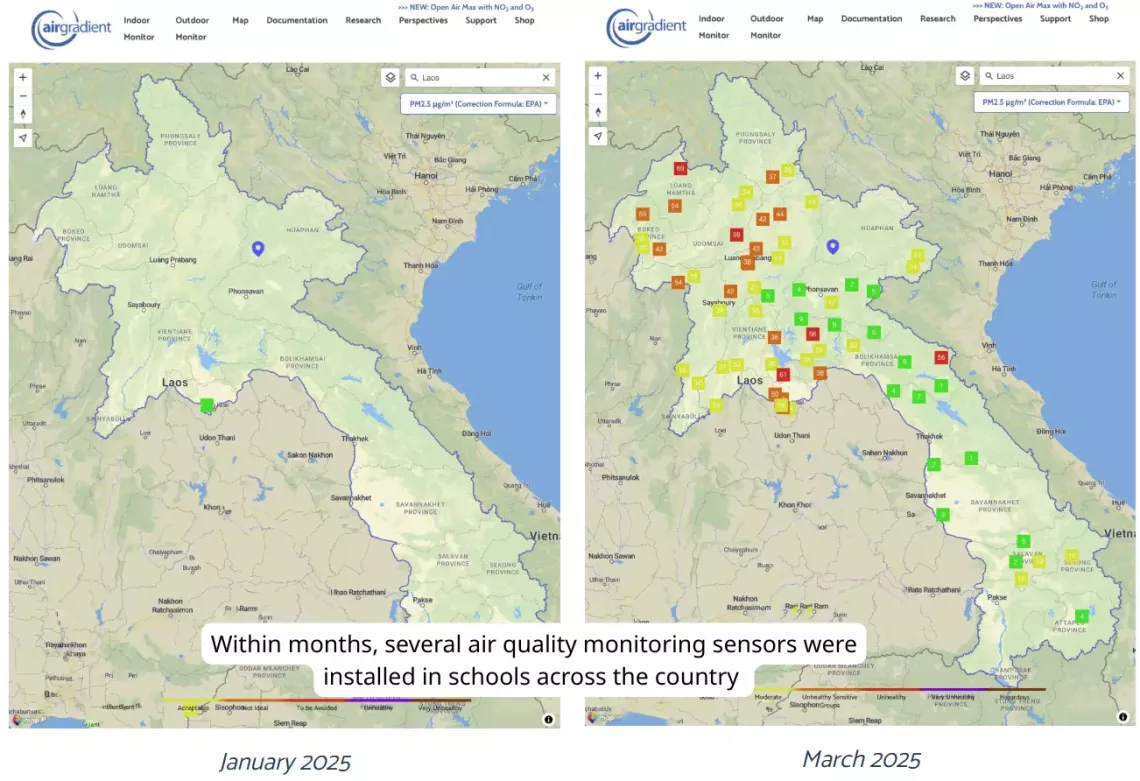
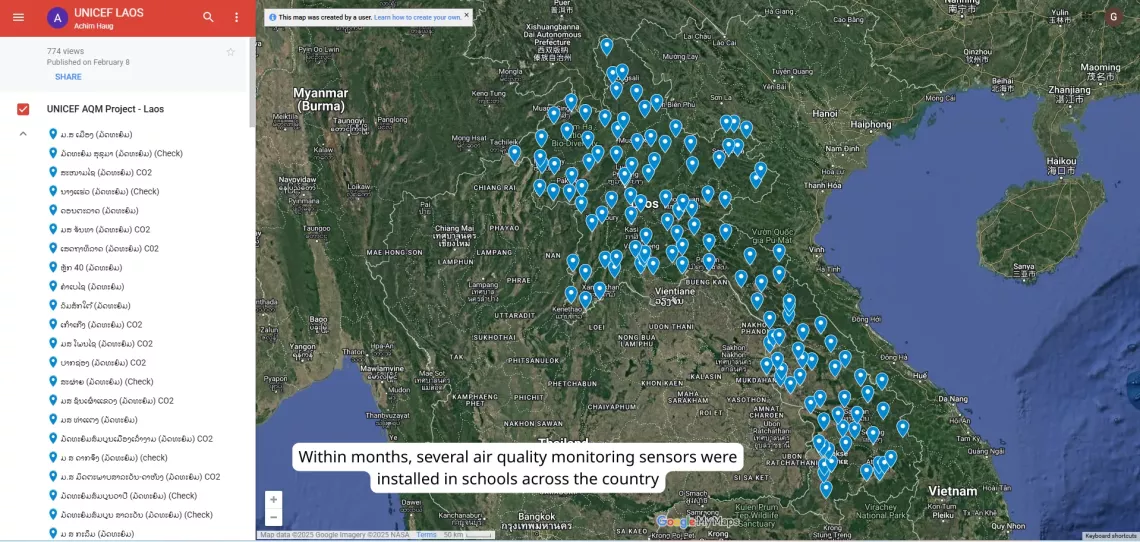
To bring this hidden threat into focus, the Government of Lao PDR, UNICEF, and Arm launched a new initiative to install 148 real-time air quality monitoring sensors in schools across the country.
Using open-source, AI-based technology, the sensors track PM2.5 and provide real-time air pollution data. Combined with satellite and ground-level sources, the data feeds into a machine learning model that helps analyze and predict pollution patterns across the country.
Linked to open-data platforms like AirGradient and OpenAQ, the information becomes publicly accessible, providing students, teachers, parents, community members and policymakers with the insights they need to take action.
From data to action
For youth like Thanakone and her peers in Luang Prabang Province, the data represents more than just numbers – it’s a powerful tool for change. They understand that the stakes are high: air pollution damages children’s lungs, hinders brain development, and threatens children’s ability to live, learn and thrive.
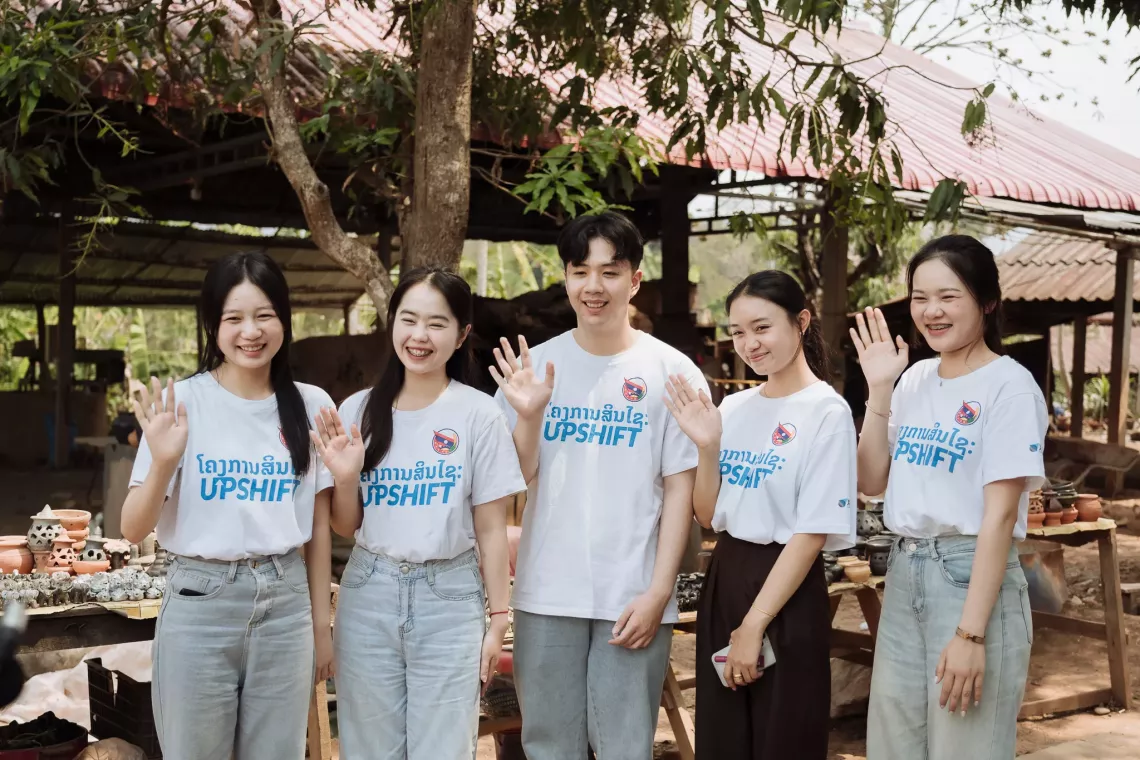
Determined to raise awareness, Thanakone and four classmates formed Team Social Spark and joined Project Sinxay: UPSHIFT, a youth social innovation initiative by UNICEF and the Lao Youth Union. Their mission: spotlight the dangers of air pollution, especially its effects on children’s health.
“We chose air quality because it’s an issue that affects everyone, but people don’t really notice it,” said Thanakone. “PM2.5 can’t be seen, but it can really harm your health, especially for children. We wanted to do something about that.”
Youth in the lead
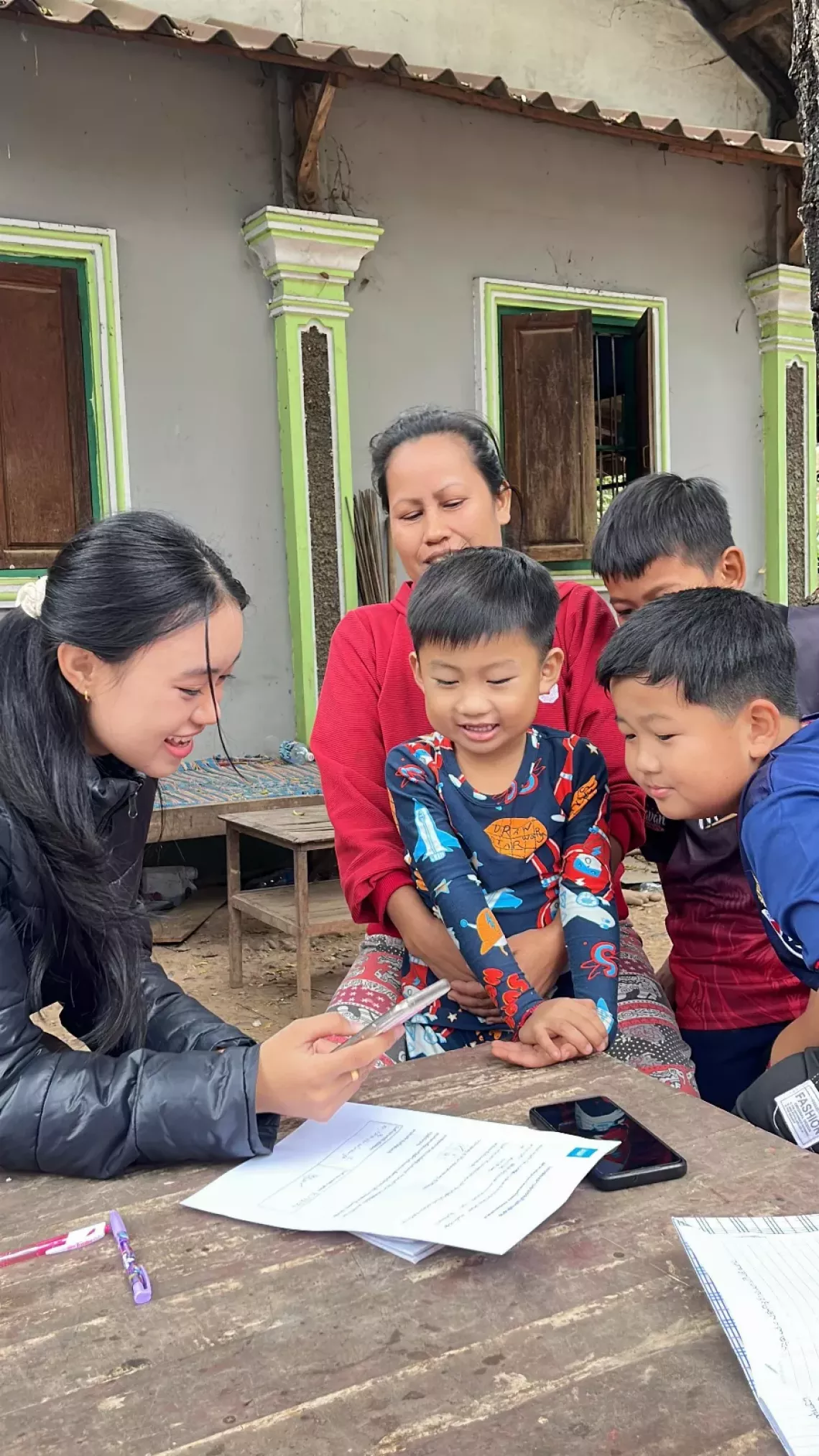
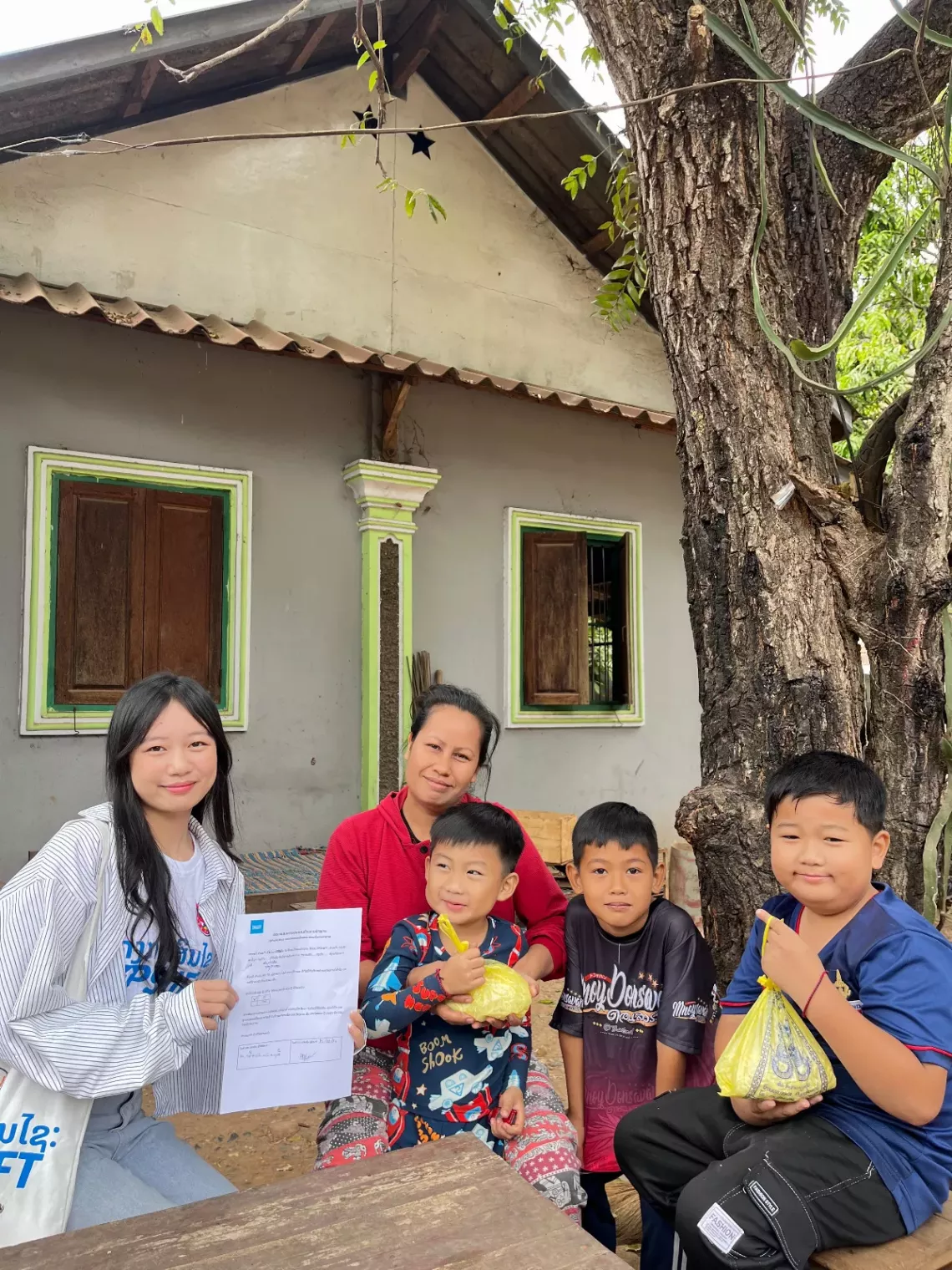
To better understand the root causes and impacts of air pollution, Team Social Spark conducted field visits in Chomphet District – one of the areas most affected by seasonal agricultural burning and wildfires. They met with farmers, families and students to raise awareness about the health risks of PM2.5 and explore sustainable farming alternatives to slash-and-burn practices.
“What I enjoy most about this project is visiting the project sites,” said Thanakone. “We saw firsthand how communities were impacted by air pollution. Even very young children shared what they were experiencing, and we got to exchange our own perspectives with them.”


Partners on the ground
Over the past decade, the Arm–UNICEF partnership has directly supported over 770,000 children and their families, reaching more than 11 million people indirectly. Combining Arm’s expertise in real-time data and AI with UNICEF’s global reach, the partnership focuses on scalable, open-source frontier technologies to improve health, education, climate resilience, and data transparency—especially in areas with limited digital infrastructure.
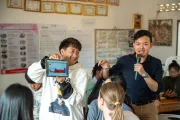
Technical experts from Arm joined Team Social Spark on a trip to Chomphet Secondary School, one of the first schools in the province to install a sensor.
Through interactive sessions, they helped students to explore how PM2.5 affects health and to understand how the data collected helps identify preventative measures that can protect children’s health in the short and long-term. For many students, it was their first time seeing air quality data from their own surroundings and realizing their role in shaping solutions.




Looking ahead
For Thanakone, the message is clear: when youth are trusted to lead and equipped with the right tools, they can drive real change.
“We are very fortunate to have received the air quality monitoring devices,” she said. “Although PM2.5 is invisible to the naked eye, these devices allow us to detect it and clearly show people the problem. This encourages them to protect themselves early, before their health is harmed.”
She continues to share what she’s learned with others in her community. “As a young person, I might start with my own actions, beginning with small steps first. I will share the information I learned from the UPSHIFT project with peers and family members and help create changes that will lead to results in the future,” she said.
By installing these cutting-edge air quality sensors, mainly in local schools and communities, UNICEF is equipping decision-makers with real-time data to better protect children from harmful pollution with Arm’s support. This initiative is enabling youth led community action towards a cleaner air and safer environment for children.