Four Startups Harnessing Artificial Intelligence to Strengthen Healthcare Systems for Children
UNICEF Venture Fund announces a new cohort improving access to quality health care services in emerging economies.
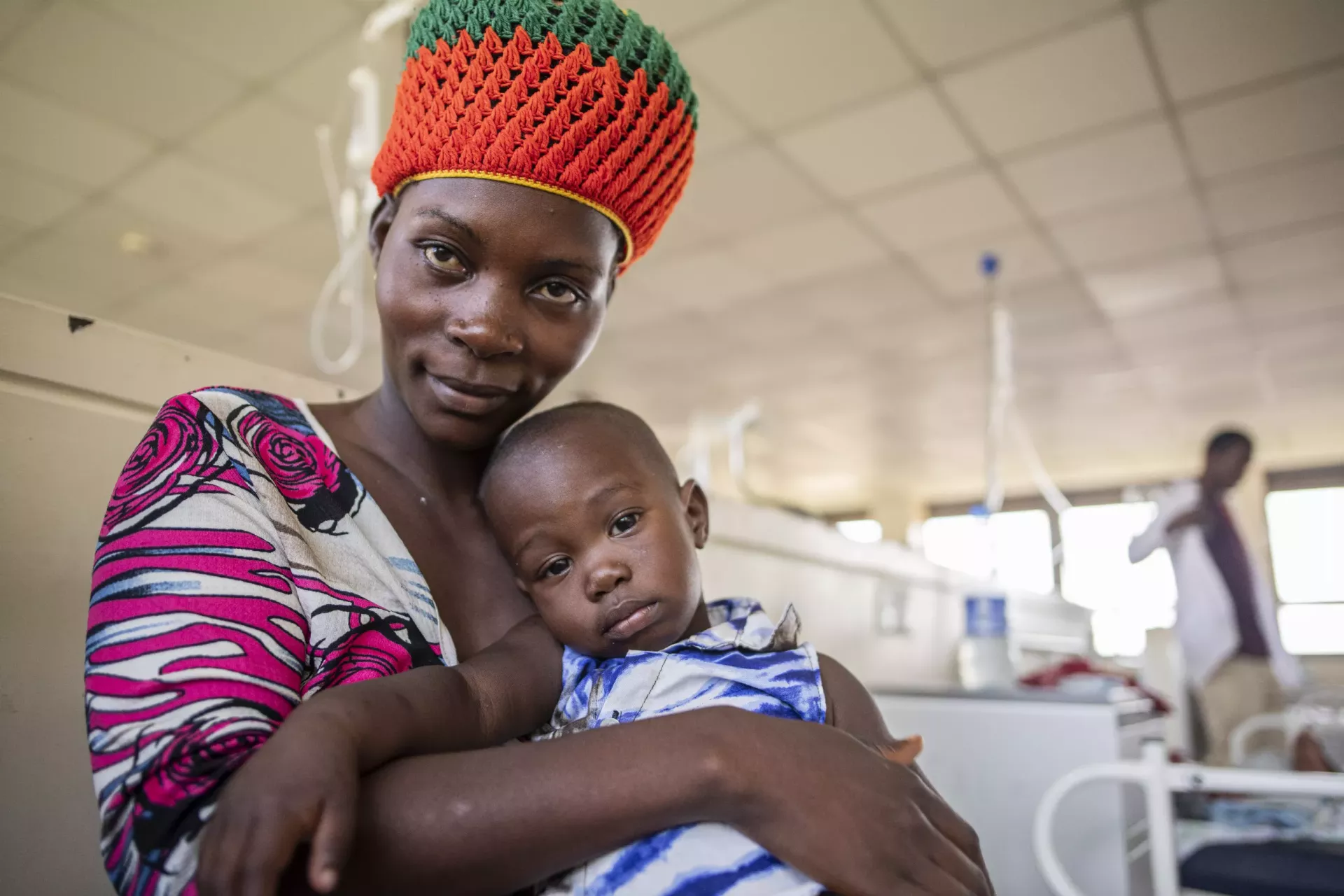
The UNICEF Venture Fund invests up to $100,000 in equity-free funding for early-stage startups in emerging economies, developing frontier technology prototypes and open-source licensing to meet the needs of the marginalized and underserved, especially children.
The Fund launched an open call for solutions designed to improve access to health services for children and communities (particularly in remote or fragile contexts), as well as those that enhance the capacity of healthcare workers and optimize data analysis.
In response, over 500 submissions were received from 71 UNICEF programme countries, with 66 per cent coming from women-founded or women-led companies. 70 per cent of applications leveraged artificial intelligence (AI) and sophisticated machine learning (ML) techniques to improve essential digital infrastructure, with most focused on developing:
- Diagnostic models for early detection of health issues for faster interventions.
- Predictive analysis, enabling more proactive health measures.
- Data-driven health insights to support better clinical decision-making.
Four companies, all working on AI solutions, were selected. They extend the Venture Fund’s reach across Bangladesh, India and Kenya, also making a footprint in Colombia for the first time. 50 per cent of this cohort are women-founded and -led startups.
The companies in the Health Systems Strengthening Cohort are:

CareNX (India) uses off-the-shelf devices and AI to develop the Fetosense App, a fetal heart monitor system that helps mitigate the shortage of gynaecologists in rural areas. During the investment period, CareNX will pilot in rural health facilities, training doctors and collecting data to improve the AI algorithm.

Bitz ITC (Kenya) is developing an AI-powered Open Source call management system for call centers in Kenya, Uganda, Tanzania and Lesotho, supporting survivors of gender-based violence and violence against children. During the investment period Bitz ITC will refine translation and voice recognition features, enhance real-time data analytics and develop AI that identifies patterns of violence and optimizes resources.

Moner Bondhu (Bangladesh) is offering accessible and affordable well-being services (in-person and online) for children and young adults via an AI-powered chatbot (Manush-E). During the investment period, Moner Bondhu will train new ML models, enhance intervention techniques and improve the user experience.

Docokids (Colombia) is developing an AI-driven, pediatrician-backed chatbot that provides parents in remote areas with 24/7 information and consultation. During the investment period, Docokids will develop and train the AI algorithm, test it with users (including doctors), and measure its impact.
By supporting these companies, the UNICEF Venture Fund will gather further evidence of promising use cases to scale solutions that can best deliver results for children. The ambition is to ensure every child, regardless of ability, socioeconomic status or circumstance, receives the healthcare they are entitled to.
In addition to funding, startups will receive technical assistance and support to ensure the sustainability of their business and readiness to scale. UNICEF will also leverage its network across 190 countries to match startups with complementary initiatives in their country of operation.
Transforming possibilities into realities
All children have the right to health services. Yet too many children do not have access in low-income countries - especially in fragile contexts. The world has already passed the midpoint of our collective journey towards the deadline for achieving the Sustainable Development Goals (SDGs). Despite some progress, we are falling short in some goals, including health.
While 146 of 200 countries have met or are on track to meet the under-five mortality target, 25 million children missed out on routine, potentially lifesaving immunizations in 2021. Across low- and middle-income countries, one in five children is vulnerable to vaccine-preventable diseases; nutrition-related non-communicable diseases cause half of all deaths and disabilities; and around 10-20 per cent of children and adolescents worldwide experience poor mental health, while 25 per cent have a parent with a mental illness.
The UNICEF Venture Fund believes that innovations are crucial to unlocking and accelerating the solutions that can address the complex and interlinked challenges at the heart of the SDGs.
Collaborating with partners like the Takeda Pharmaceutical Limited Company, UNICEF will continue investing in solutions that strengthen local health systems and leveraging user-centric frontier tech to increase access to services, apace with the rapidly evolving challenges facing children.