

How to Support Your Children During Emergencies
Here are some tips on how you can support your children during difficult times.
- English
- ລາວ
Children’s emotional well-being can be easily overlooked during emergencies. By attending to the needs of children and fostering a sense of stability in times of distress, you can ensure they receive the necessary support to navigate these difficult situations.
Below are some ways you can support your children’s emotional well-being during emergencies.
Watch for Signs of Emotional Distress
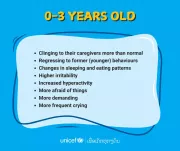
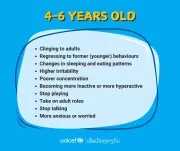
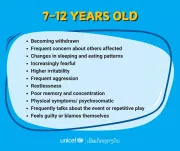
Children have different reactions to adverse events in their environment. Culture influences the ways in which we express emotions. Some signs of distress may not be so obvious.
Here are some of the signs of distress at different ages. Different children will show different signs of distress.



All Age Groups - Physical Reactions
These may also be signs of physical illness, so please take your child to see a doctor to rule out any physical condition.
- Tiredness
- Tight chest
- Shortness of breath
- Dry mouth
- Muscle weakness
- Stomachache
- Dizziness
- Shaking
- Headaches
- General aches
Start the Conversation and Keep it Open
- Give your children space to openly share their thoughts and feelings.
- Show your children you are listening and care about how they are feeling.
- It is okay to share that you are feeling scared too. This helps your child to understand that you are both going through this together.
Provide Reassurance
- Give your children reassuring affection by spending time together and providing lots of extra hugs.
- Because children pick up on emotional cues, whether it’s through body language or facial expressions, try to be as calm as possible and speak to your children in a reassuring way.
- Try to maintain some kind of routine like going to bed or eating at the same time to give your children a feeling of stability.
Emotional Check-Ins
To check-in emotionally is to ask children “how they are” in a direct or indirect way.
One check-in method is to ask your child to draw or paint a picture. For example, ask them to tell you more about the picture, what they have drawn, or why they used a specific colour. This may help some children talk about how they feel.
While many children will seem okay for a month or so following a disaster, the numbness can wear off and they can begin showing symptoms of trauma. Some ongoing anxiety is to be expected, but if it does not stop after a few months or if your child is experiencing more extreme symptoms, such as panic attacks or wanting to harm themselves or others, reach out to your family doctor or mental health professional immediately.
What Are Some Ways to Calm Myself and My Children?
Belly Breathing
Deep belly breathing is very helpful and is something you can do together with your older children. If you have a younger child, you could make it into a game: Every hour on the hour, see how you can calm your mind and body down by slowing down your breath.
'My Special Place'
Sometimes the world around us can feel overwhelming. By taking a moment to imagine being somewhere calm without stress, children can feel less stressed. Here’s an activity to help your child imagine such a place.
- Sit or lie down in a comfortable position, close your eyes, and relax.
- Take several deep slow breaths through your nose and into your belly. Breathe out through your mouth.
- Keep breathing slowly and softly. Gentle long inhales then gentle long exhales.
- Listen and follow the story in your mind.
Contact Information
If you need support, you can contact the following numbers:
- Call the Lao Women's Union hotline at 1362 if you are experiencing violence.
- Call the Vientiane Youth Center at 137 (male) or 1361 (female), or the Lao Youth Union at 97721042, 55774438, 23999629 or 77880044 if you need psychosocial support.
- Seek help immediately. It's your right.