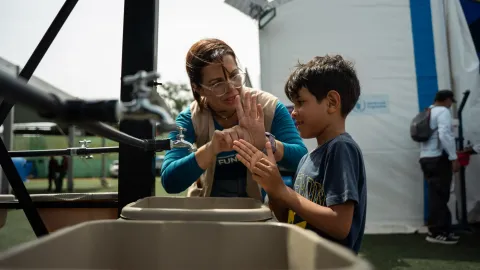
Protecting maternal and child nutrition during crises in Latin America and the Caribbean
Key messages
Highlights
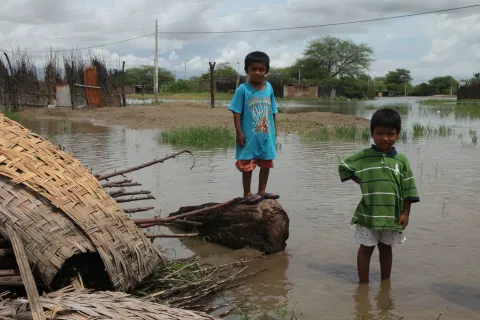
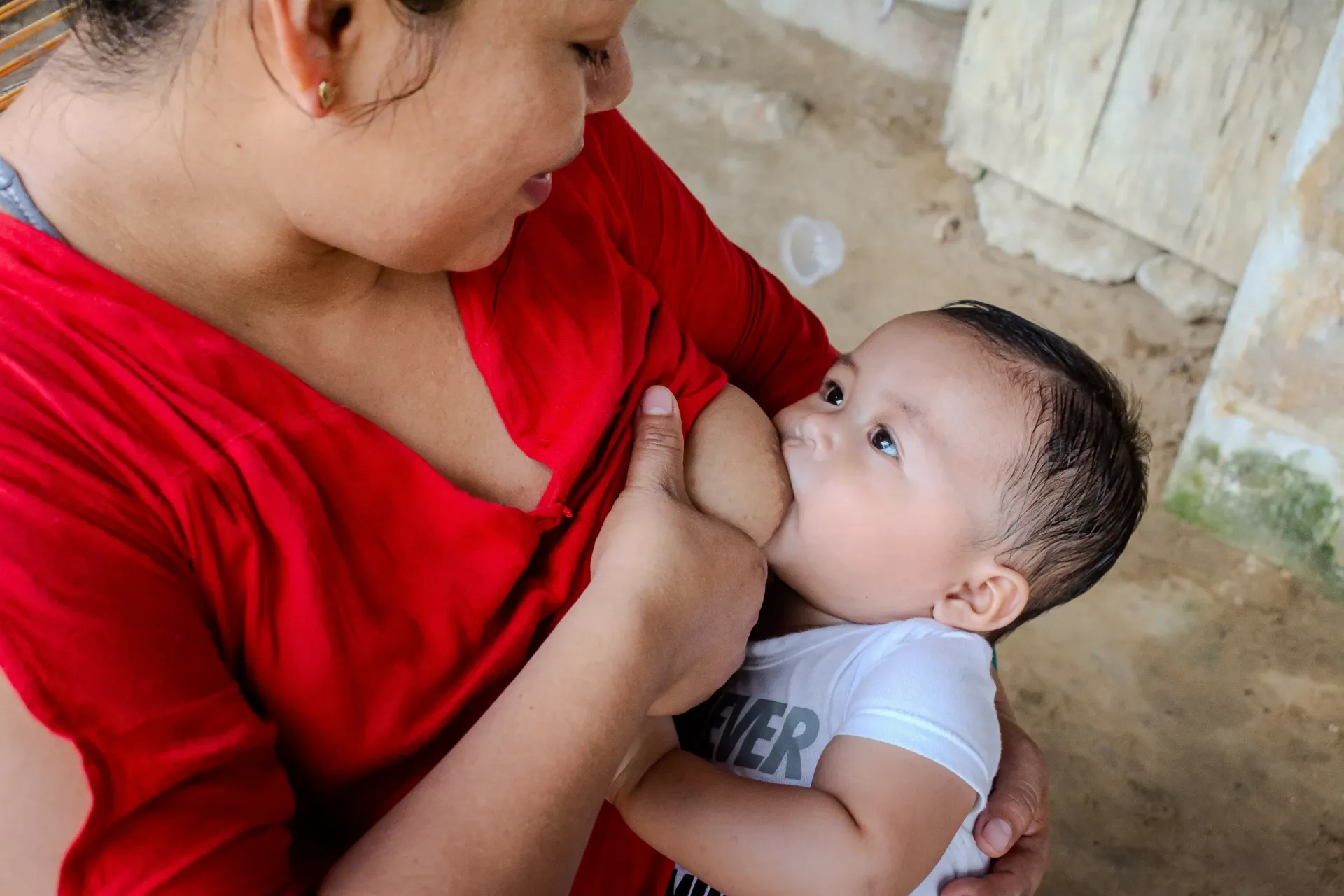
Emergencies pose an immediate threat to child survival and development. When food systems fail, health services are disrupted, and families are displaced, children’s nutritional status can deteriorate rapidly. In these contexts, nutrition is a lifesaving priority. Nutrition in Emergencies (NiE) is at the frontline of humanitarian action, providing proven interventions to prevent and treat malnutrition among the most vulnerable—particularly pregnant and breastfeeding women, infants, and young children. When delivered early and at scale, NiE saves lives, protects development gains, and supports recovery and resilience. In Latin America and the Caribbean, recurrent hurricanes, floods, droughts, and migration crises heighten the need for strong nutrition preparedness and response. Behind every statistic is a child or caregiver facing impossible choices, often without adequate support. Yet malnutrition in emergencies is preventable. With timely, coordinated, and well‑financed action, every child can survive and thrive, even in the most challenging circumstances.
Guided by its Core Commitments for Children in Humanitarian Action, UNICEF supports governments to prepare for crises, coordinate nutrition responses, expand lifesaving services, and drive advocacy to ensure that mothers and children receive essential care when disasters strike. As part of the NiE Advocacy Strategy for LAC (2025–2026), UNICEF developed this document to present key advocacy messages that mobilize action and investment across the region. It offers concise, evidence‑based arguments—technical, human, and ethical—to strengthen advocacy with governments, donors, and humanitarian partners. Ultimately, it highlights a simple truth: protecting nutrition safeguards the right to life, dignity, and hope in every emergency.