Ecological well-being and early childhood development
A necessary paradigm shift to address the repercussions of the climate and environmental crises and cultivating resilience
- Español
- English
Highlights
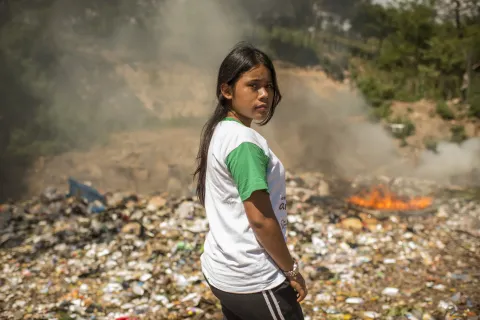
The world continues to witness how the frequency and severity of natural disasters are escalating due to climate change and environmental degradation, triggering simultaneous crises. Despite having contributed the least to this crisis, younger children are particularly vulnerable to environmental degradation.
It is projected that 90 per cent of all climate change-related illnesses and fatalities will afflict children under 5 years old and air pollution ranks as the second leading cause of death among children under 5 years old. Addressing the repercussions of the climate and environmental crises demands a paradigm shift in how we perceive the world, transitioning from an anthropocentric to a biocentric viewpoint (regarding all life forms on the planet as equally significant entities).
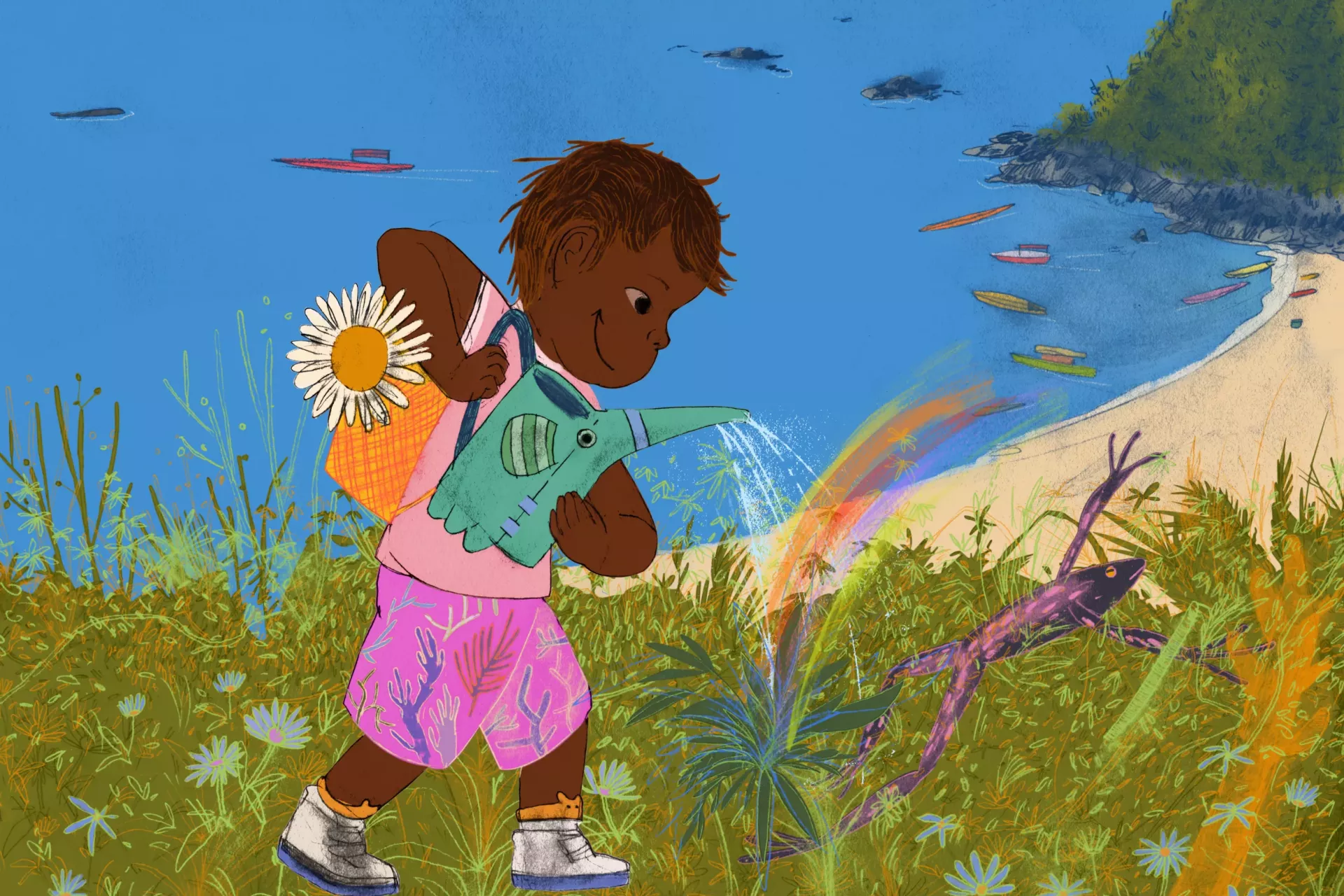
This paradigm shift also requires cultivating resilience from the earliest stages of life to prevent, resist, adapt and recover from adversities that impact the rights of all children. In this discussion paper, this aspiration for paradigm shift is defined as “ecological well-being”, a powerful concept which can pragmatically be integrated into early learning programmes to promote transdisciplinary, context-sensitive, experiential, and transformative learning.
In the face of an uncertain future, prioritizing the concept of ecological well-being can serve as a strategic approach in any endeavour to enact meaningful transformation. By recognizing the dual relationship between early childhood development and sustainable development. And by understanding that the holistic approach to child development aligns seamlessly with environmental education and education for sustainable development.