Cyberbullying: What is it and how to stop it. A 9-steps guide for parents
What you need to know to have an honest conversation to help your children
- Español
- English
👉 Follow us on WhatsApp channel: UNICEF Parenting Portal for daily tips.
You may also be interested in: Parenting | Food and nutrition | Early learning | Nurturing care | Health | Security and protection | Short masterclasses for parents and caregivers
What is cyberbullying??
Cyberbullying is bullying with the use of digital technologies. It can take place on social media, messaging platforms, gaming platforms and mobile phones. It is repeated behaviour, aimed at scaring, angering or shaming those who are targeted. Examples include:
- spreading lies about or posting embarrassing photos or videos of someone on social media.
- Sending hurtful, abusive or threatening messages, images or videos via messaging platforms.
- Impersonating someone and sending mean messages to others on their behalf or through fake accounts.
Face-to-face bullying and cyberbullying can often happen alongside each other. But cyberbullying leaves a digital footprint – a record that can prove useful and provide evidence to help stop the abuse.
If you are worried about your safety or something that has happened to you online, you can seek help by calling your national helpline. If your country does not have a helpline, please urgently speak to an adult you trust or seek professional support from trained and experienced carers.
1. Is it cyberbullying? What is the difference between a joke and bullying?
All friends joke around with each other, but sometimes it’s hard to tell if someone is just having fun or trying to hurt, especially online. Sometimes they’ll laugh it off with a “just kidding,” or “don’t take it so seriously".
But if you think your children might feel hurt or think others are laughing at them instead of with them, then the joke has gone too far.
If it continues even after they’ve asked the person to stop and are still feeling upset about it, then this could be bullying.
And when the bullying takes place online, it can result in unwanted attention from a wide range of people including strangers. Wherever it may happen, no one should have to stand for it.
It’s worth getting help. Stopping cyberbullying is not just about calling out bullies, it’s also about recognizing that everyone deserves respect – online and in real life.
2. What are the effects of cyberbullying?
When bullying happens online it can feel as if the victim is being attacked everywhere, even inside home. It can seem like there’s no escape.
The feeling of being laughed at or harassed by others, can prevent people from speaking up or trying to deal with the problem. The effects can last a long time and affect a person in many ways:
- Mentally – feeling upset, embarrassed, stupid, even afraid or angry
- Emotionally – feeling ashamed or losing interest in the things you love
- Physically – tired (loss of sleep), or experiencing symptoms like stomach aches and headaches
In extreme cases, cyberbullying can even lead to people taking their own lives.
But the consequences of cyberbullying can be overcome, and people can regain their confidence and health.
3. How can cyberbullying affect my child’s mental health?
When your child experience cyberbullying, he or she might start to feel ashamed, nervous, anxious and insecure about what people say or think about them. This can lead to withdrawing from friends and family, negative thoughts and self-talk, feeling guilty about things you did or did not do, or feeling that is being judged negatively. Feeling lonely, overwhelmed, frequent headaches, nausea or stomachaches are also common.
He can lose the motivation to do the things that he usually enjoy doing and feel isolated from the people he loves and trusts. This can perpetuate negative feelings and thoughts which can adversely affect the mental health and well-being. Skipping school is another common effect of cyberbullying and can affect the mental health of young people who turn to substances like alcohol and drugs or violent behaviour to deal with their psychological and physical pain.
Talking to a friend, family member or school counsellor can be a first step to getting help.
4. Why talking about cyberbullying and reporting it is important?
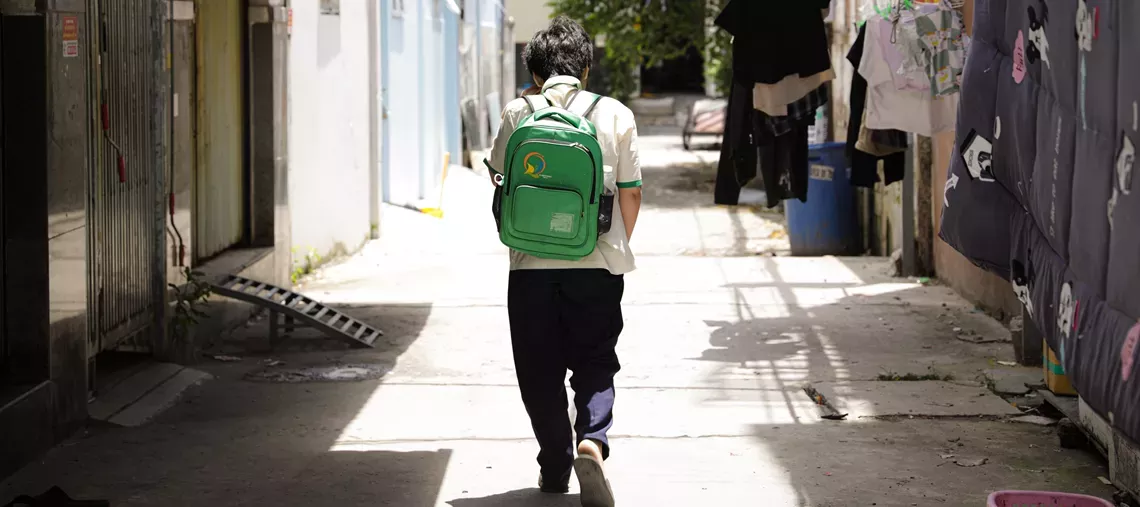
If you think your child is being bullied, the first step is to offer help. At the school you can reach out to a counsellor, a coach, or a teacher. At home they should also be able to find someone to talk to: give them confidence. You can also search for a helpline in your country to talk to a professional counsellor.
If the bullying is happening on a social platform, consider blocking the bully and formally reporting their behaviour on the platform itself.
Social media companies are obligated to keep their users safe.
It can be helpful to collect evidence – text messages and screen shots of social media posts – to show what’s been going on.
For bullying to stop, it needs to be identified and reporting it is key. It can also help to show the bully that their behaviour is unacceptable. If there is immediate danger, then you should contact the police or emergency services in your country.
5. You think your child is a victim of cyberbullying but is afraid to tell you. What should you do?
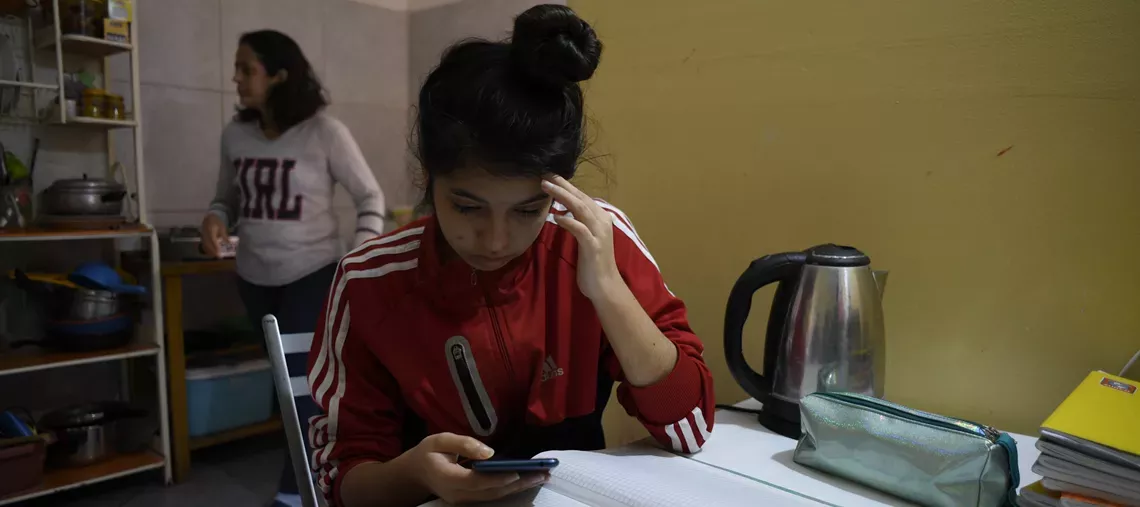
If your child is experiencing cyberbullying, speaking to a trusted adult – someone they feel safe talking to – is one of the most important first steps to take.
Talking to parents isn’t easy for everyone. But there are things you can do to help the conversation. Choose a time to talk when you know you have their full attention.
6. How do we stop cyberbullying without giving up access to the Internet?
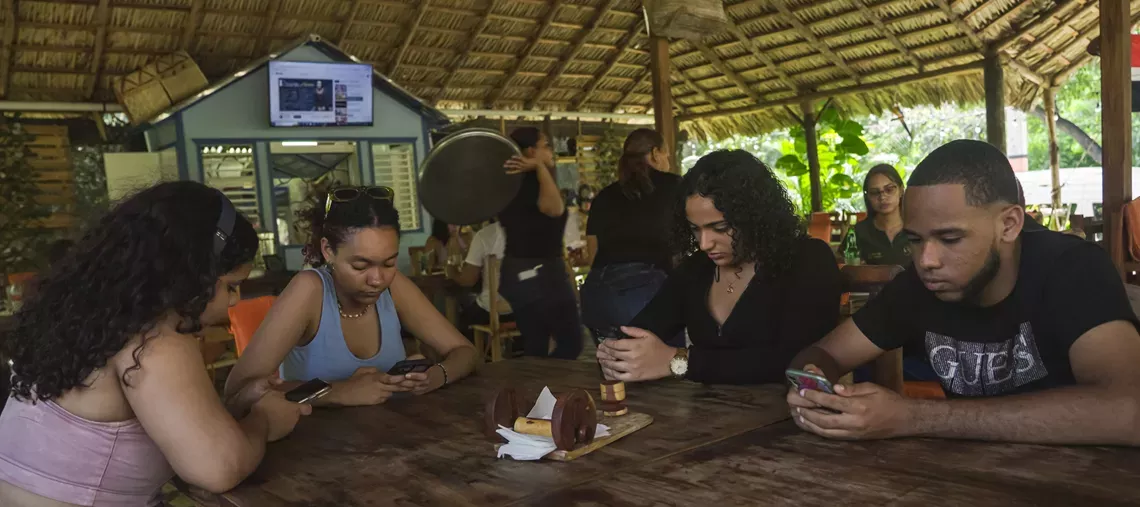
Being online has so many benefits. However, like many things in life, it comes with risks that you need to protect against.
If your child is experience cyberbullying, you may advice to to delete certain apps or stay offline for a while to give time to recover. But getting off the Internet is not a long-term solution.
Your child did nothing wrong, so why should he or she be disadvantaged? It may even send the bullies the wrong signal — encouraging their unacceptable behaviour.
We all want cyberbullying to stop, which is one of the reasons reporting cyberbullying is so important. But creating the Internet we want goes beyond calling out bullying. We need to be thoughtful about what we share or say that may hurt others. We need to be kind to one another online and in real life. It's up to all of us!
7. How to prevent your children personal information from being used to manipulate or humiliate them on social media?

Advice to think twice before posting or sharing anything on digital platforms – it may be online forever and could be used to cause harm later. Don’t give out personal details such as address, telephone number or the name of your school.
It is important that you also reflect before sharing information about your children on social media or other platforms. Some questions you can ask yourself are: What am I sharing? Why? Who will see it?
Learn together about the privacy settings of their favourite social media apps. Here are some actions you can take on many of them:
- You can decide who can see your profile, send you direct messages or comment on your posts
- by adjusting your account privacy settings.
- You can report hurtful comments, messages, photos and videos and request they be removed.
- Besides ‘unfriending’, you can completely block people to stop them from seeing your profile
- or contacting you.
- You can also choose to have comments by certain people to appear only to them without
- completely blocking them.
- You can delete posts on your profile or hide them from specific people.
On most of their favourite social media, people aren't notified when you block, restrict or report them.
8. Is there a punishment for cyberbullying?
Most schools take bullying seriously and will take action against it. If your child is being cyberbullied by other students, report it to your school. People who are victims of any form of violence, including bullying and cyberbullying, have a right to justice and to have the offender held accountable.
Laws against bullying, particularly on cyberbullying, are relatively new and still do not exist everywhere.
This is why many countries rely on other relevant laws, such as ones against harassment, to punish cyberbullies.
In countries that have specific laws on cyberbullying, online behaviour that deliberately causes serious emotional distress is seen as criminal activity. In some of these countries, victims of cyberbullying can seek protection, prohibit communication from a specified person and restrict the use of electronic devices used by that person for cyberbullying, temporarily or permanently.
However, it is important to remember that punishment is not always the most effective way to change the behaviour of bullies. Sometimes, focusing on repairing the harm and mending the relationship can be better.
9. Are there any online anti-bullying tools for children or young people?
Each social platform offers different tools (see available ones below) that allow you to restrict who can comment on or view your posts or who can connect automatically as a friend, and to report cases of bullying. Many of them involve simple steps to block, mute or report cyberbullying.
We encourage you to explore them with your child.
Social media companies also provide educational tools and guidance for children, parents and teachers to learn about risks and ways to stay safe online.
Also, the first line of defense against cyberbullying could be you. Think about where cyberbullying happens in your community and ways you can help – by raising your voice, calling out bullies, reaching out to trusted people or by creating awareness of the issue. Even a simple act of kindness can go a long way.
The first line of defense against cyberbullying could be you.
If you are worried about your child´s safety or something that has happened to you online, urgently speak to them, in a trust environment. Many countries have a special helpline you can call for free and talk to someone anonymously. Visit United for Global Mental Health to find help in your country.
Find some resources here
We have a number of anti-bullying tools across Facebook and Instagram:
- You can block people, including any existing and new accounts they might create.
- You can mute an account and that account will not be notified.
- You can limit unwanted interactions for a period of time by automatically hiding comments and message requests from people who don’t follow you, or who only recently followed you.
- You can use ‘Restrict’ to discreetly protect your account without that person being notified.
- You can moderate comments on your own posts.
- You can modify your settings so that only people you follow can send you a direct message.
- We will notify someone when they’re about to post something that might cross the line, encouraging them to reconsider.
We automatically filter out comments and message requests that don’t go against our Community Guidelines but may be considered inappropriate or offensive. You can also create your own custom list of emojis, words or phrases that you don’t want to see.
For more tips and ideas, visit Instagram’s Safety page and Facebook’s Bullying Prevention Hub. We also offer resources, insights and expert guidance for parents and guardians on our Family Center.
Alongside the work that our safety teams do to help keep bullying and harassment off our platform, we provide an extensive range of tools to help you control your TikTok experience. You can find these in full on our Safety Centre. Here are a few highlights:
- You can restrict who comments on your videos to no one, just friends or everyone (for those aged under 16, the everyone setting is not available)
- You can filter all comments or those with specific keywords that you choose. By default, spam and offensive comments are hidden from users when we detect them.
- You can delete or report multiple comments at once, and you can block accounts that post bullying or other negative comments in bulk too, up to 100 at a time.
- A comment prompt asks people to reconsider posting a comment that may be inappropriate or unkind, reminding them of our Community Guidelines and allowing them to edit their comments before sharing.
We want everybody to be safe on X. We continue to launch and improve tools for people to feel safer, be in control and manage their digital footprint. Here are some safety tools anyone on X can use:
- Select who can reply to your posts – either everyone, only people you follow or only people you mention
- Mute – removing an account's posts from your timeline without unfollowing or blocking that account
- Block – restricting specific accounts from contacting you, seeing your posts, and following you
- Report – filing a report about abusive behaviour
- Safety mode – a feature that temporarily blocks accounts for using potentially harmful language or sending repetitive and uninvited replies or mentions.