

Decentralization and local governance
Improving child equity through subnational efforts.
- Español
- English
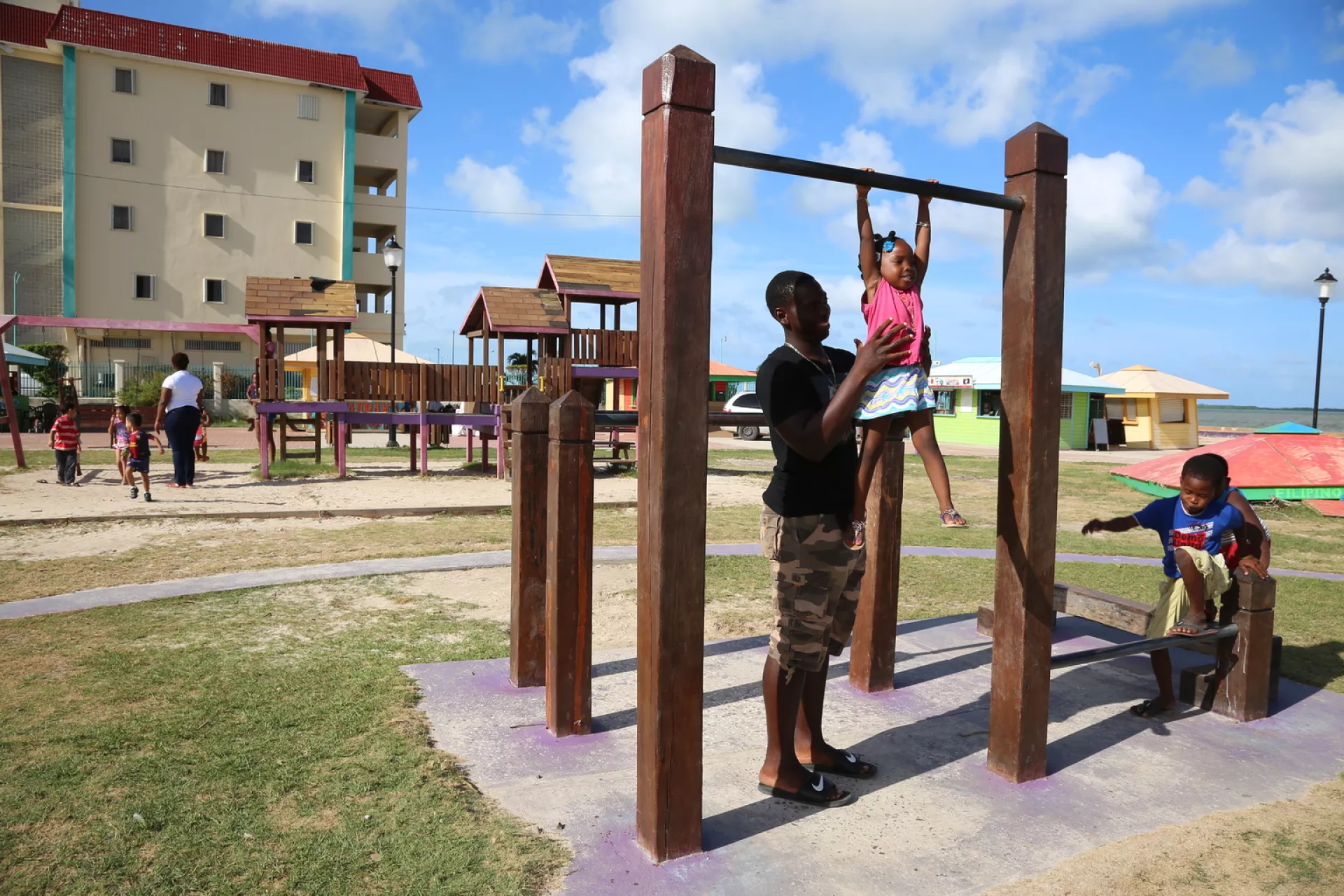
Latin America and the Caribbean is the third region with the highest urban growth (after Asia and Africa). Its unplanned urban growth has generated the proliferation of informal settlements that expose children, adolescents and their families to situations of discrimination, exclusion, limited access to public services and infrastructure, risks associated with violence, among other barriers that violate and diminish the possibilities of an integral development.
Currently, 165 million children and adolescents live in urban areas, of which, more than 40 million live in conditions of precarious housing, such as: overcrowding, deprivation of sanitation and low access to basic services. This directly affects the segregation of the population, in which children and adolescents who live under this condition are directly affected in indicators such as health and education.
That is why from UNICEF we seek to develop a territorial approach to sustainable development, by strengthening the services of local governments for children, to ensure that their budgets are equitable and that the allocation of funds is for the benefit of the most vulnerable children and adolescents.
Resources

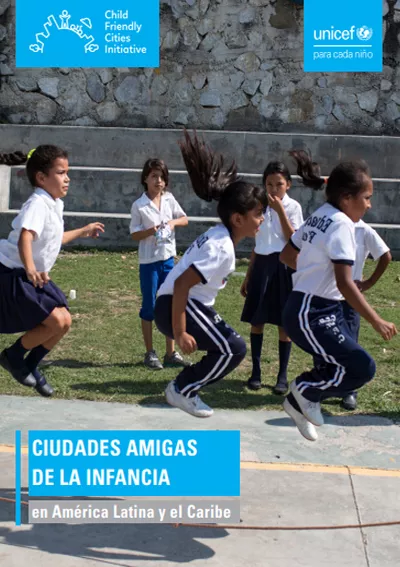
| Country/ Area | Publication title | Year | Author |
|---|---|---|---|
| Argentina | Observatorio de los derechos de la niñez y la adolescencia. Provincia de Santa Fe | 2015 | UNICEF - Provincia de Santa Fe |
| Argentina | La niñez y la adolescencia de Tucumán. Herramientas para la planificación, monitoreo y evaluación políticas públicas | 2015 | UNICEF - Gobierno de Tucumán |
| Belize | Child participation in Local Governance - UNICEF Country Office Case Studies | 2017 | UNICEF |
| Brazil | Plataforma dos Centros Urbanos 2017-2020 | 2018 | UNICEF |
| Brazil | Folder da Plataforma dos Centros Urbanos 2017-2020 | 2018 | UNICEF |
| Colombia | Documento Resumen Territorios Amigos de la Niñez | 2017 | UNICEF |
| Latin America and Caribbean | Infancia y desigualdad habitacional urbana en ocho países de América Latina | 2016 | UNICEF |
| Global | Child Friendly Cities and Communities Handbook | 2018 | UNICEF |
| Global | Shaping urbanization for children | 2018 | UNICEF |
Some Child Friendly Cities Initiative in the Region
| Sello Municipal - Perú | www.midis.gob.pe/sello_municipal | |
| Municipios Amigos de la Infancia - Paraguay | www.unicef.org/paraguay/spanish/32247_38595.html | |
| Child Friendly Cities Initiative | https://childfriendlycities.org |


