Kyrgyzstan and Global Partners Unite to Strengthen Vaccine Access for Every Child
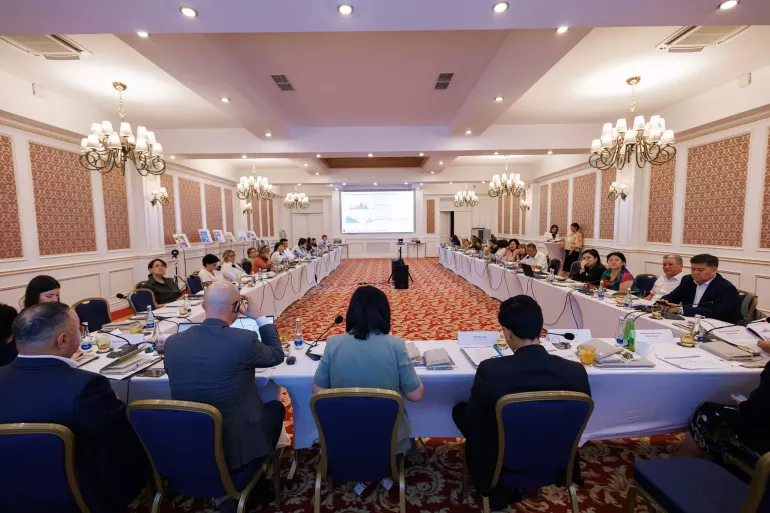
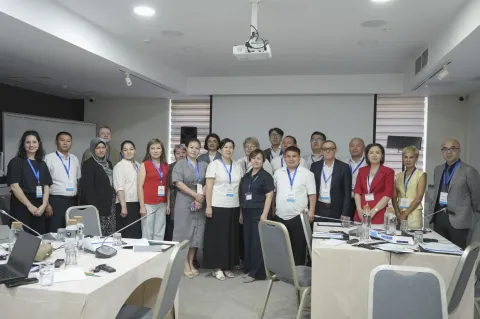
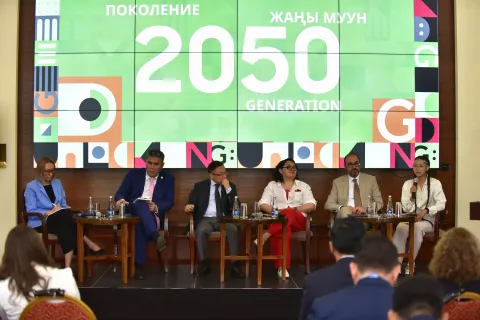
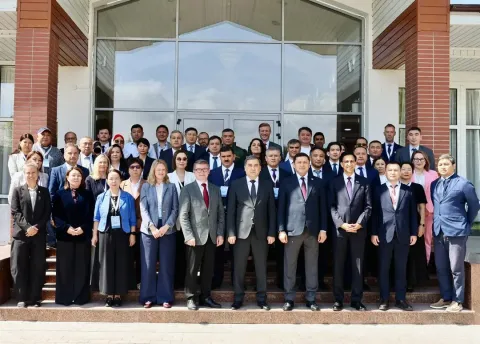
From June 30 to July 2, 2025 – The Ministry of Health of the Kyrgyz Republic, UNICEF, WHO, and Global Alliance for Vaccines and Immunization (GAVI), conducted an annual review of their cooperation under the GAVI 5.1 strategy. They also discussed next steps to strengthen the national immunization program ahead of the launch of the GAVI 6.0 strategy (2026–2030).
As a result of implementing GAVI 5.1, Kyrgyzstan has made significant progress: an electronic vaccination registry was introduced, cold chain infrastructure was modernized, and vaccine logistics and storage were improved. Special attention was given to reaching vulnerable groups: over 55,000 children in hard-to-reach areas were vaccinated by mobile teams. During a measles outbreak, with UNICEF's support, more than 1.8 million doses of measles and rubella vaccines were delivered.
However, challenges remain. According to the Republican Center for Immunoprophylaxis, coverage for the PENTA-3 vaccine in 2024 was 84%, down from 86% in 2023. Vaccine hesitancy is also growing, particularly among vulnerable populations. This highlights the importance of public awareness efforts and ensuring equitable access to services.
“The Ministry of Health of the Kyrgyz Republic considers the Immunization Program one of the key public health priorities. Strengthened political commitment has enabled significant progress in its implementation. Routine immunization remains one of the most cost-effective strategies to reduce child morbidity, mortality, and disability. Through close and coordinated collaboration with GAVI, WHO, and UNICEF, we have built a systematic approach to immunization and developed sustainable solutions to reach both children and adults, including the most vulnerable,” said Deputy Minister of Health Bubuzhan Arykbaeva.
“Thanks to the leadership of the Ministry of Health, the Republican Center for Immunoprophylaxis (RCI), and the dedication of our partners WHO and UNICEF, Kyrgyzstan has made strides in expanding vaccine access and strengthening immunization systems,” said Dr. Leo Karrer, Senior Country Manager, Gavi, the Vaccine Alliance.
UNICEF has led efforts to counter vaccine hesitancy by applying behavioural science and engaging communities. Over 1,500 imams have been trained to share pro-vaccination messages, reaching more than 500,000 families through mosques and community forums. As a result, the share of vaccine refusals due to religious concerns fell from 62% to 45% between 2019 and 2024.
“Vaccines are one of the most powerful tools we have to protect children’s lives,” said Samman Jung Thapa, UNICEF Representative to Kyrgyzstan. “But tools alone are not enough we need trust, community leadership, and a system that reaches every child, no matter where they live or who they are.”
“Vaccination is more than a medical service. It’s a human right, a public good, and a pathway to a healthier society. We must continue identifying and closing immunity gaps—particularly among vulnerable groups—while investing in vaccine safety monitoring, strengthening cold chain infrastructure, and using digital tools to modernize data systems,” said Dr.Liviu Vedrasco, WHO Representative in Kyrgyzstan.
Despite progress, challenges remain. Children from migrant families, those with disabilities, and communities with low trust in health services still face barriers to vaccination. Under Gavi 6.0, UNICEF, the Ministry of Health, and partners will focus on integrating immunization into primary health care, applying behavioural science to address hesitancy, and strengthening cold chain, financing, and health worker capacity.
Kyrgyzstan remains one of only two countries in Central Asia receiving Gavi support. This renewed partnership offers a critical opportunity to close gaps and ensure every child is protected.
Media contacts
About UNICEF
UNICEF promotes the rights and wellbeing of every child, in everything we do. Together with our partners, we work in 190 countries and territories to translate that commitment into practical action, focusing special effort on reaching the most vulnerable and excluded children, to the benefit of all children, everywhere.
For more information about UNICEF and its work for children, visit www.unicef.org.