

How do you know if your child is being bullied
Many children and adolescents experience bullying. But it isn’t always easy for a parent to know when it is happening – or when to intervene. Here are the main signs of bullying at school and online.
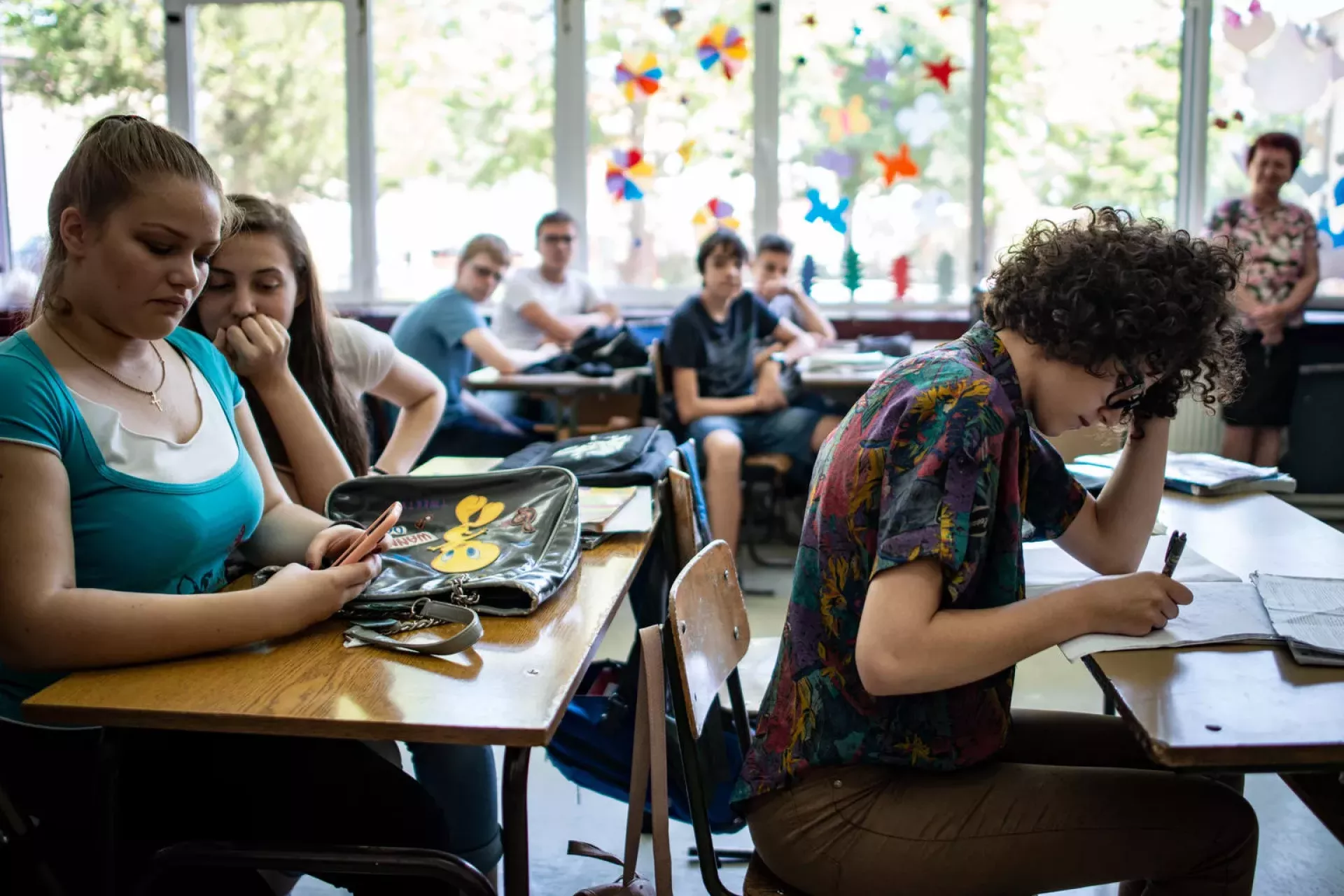
Up to one in five children experience bullying at school, while as many as one in three have been bullied online.
Being bullied can affect a child’s mental health, their physical health and their school performance. You might hear from some people that bullying is no big deal, or a phase that all children need to go through in order to ‘toughen up’. But this is untrue. In addition to its immediate impacts, bullying can have significant consequences long-term. Some research indicates that children or adolescents who are bullied are at a higher risk for depression, anxiety, panic disorder and suicide into adulthood.
This means it is crucial for parents and teachers to intervene when a child is being bullied. But it is common for children to not immediately talk about bullying to their parents or other adults, and it’s not always easy to tell when it is happening.
Here are some signs to look out for.
Changes in behavior. While the behavior of a child or adolescent can change (even suddenly) for many reasons, otherwise unexplained changes can be a sign of a new kind of stress in their life – such as being bullied. Some children might be quieter, or seem withdrawn. They might appear to lose confidence that they used to have. They might seem more nervous or anxious. Or they might seem especially angry. They may also become unusually secretive.
Aggressive behavior – verbal or physical – towards others can be a sign of bullying, too. In fact, children who have experienced physical or emotional abuse (whether by peers or adults) are more likely to exhibit such behavior themselves.
Problems eating or sleeping. Changes in eating or sleeping habits can be a sign of something else going on. This could include, for example, suddenly eating a lot more or a lot less than usual, not being able to sleep, or having nightmares.
Physical symptoms. Stress can manifest through physical symptoms. If a child or teenager complains of problems such as stomach aches, headaches or nausea, it could be a reaction to a negative experience like bullying.
Avoiding friends, school or social media. If a child or teenager seems afraid or anxious about going to school, skips school, or says they are unwell in the morning – for reasons that cannot be physically explained – it could be that they’re being bullied at school. Or they may perform worse at school than they used to.
Of course, bullying can take place outside of school, too. If a child no longer sees their friends or peers after school or on weekends, it might be an indication that they have been ‘cut out’ of their social groups and are being bullied.
Similarly, if they used to use social media and now avoid it, it is worth considering if they have experienced online bullying.
Not wanting to talk about friends, school or social media. Similarly, if a child once spoke about their friendships and now does not, this can be a sign of tensions in friendships, including potential bullying. When a parent or teacher asks about what they were doing on social media, a child who is being bullied may get angry or avoid explaining.
Physical signs. If a child is being physically bullied, you might see them have injuries, like bruises. Their clothes might get torn. Or their belongings might get ‘lost’, or be damaged.
It is very important to keep in mind that any or all of the above can occur for many reasons. On their own, they do not necessarily mean that a child is being bullied. However, if you recognize these warning signs, you can take the following steps to learn more and take action as needed.
If you are worried that your child is showing the signs of bullying, what can you do? First, it is important to dedicate time to connecting with your child. Let your child know that you are available to listen and that they are welcome to share challenges with you so that you can provide support and help to consider options. Gently ask your child about bullying and let them know that if they are being bullied, it is not their fault.
If your child confides that they are being bullied, thank them for sharing with you and try to establish what has occurred. It can help to write down each instance of bullying (including to have a record to share with the school or other actors as needed). Consider possible actions to take together. Avoid encouraging your child to use aggression or violence as a response to bullying, as this can often make things worse; rather, consider walking away and speaking to a teacher or other authority. Let your child take the lead in determining steps to take and try to resist ‘jumping in’ to provide solutions until you have listened to them first. (Here are some tips from UNICEF on how to communicate with your teen).
If your child is being bullied at school, or if they are being cyberbullied by other students, reach out to their school and work with them together to solve the problem. Most schools take bullying seriously and will take action against it. But bullying needs to be reported in order for them to do so. Remember that people who are victims of any form of violence, including any kind of bullying, have a right to justice and to have the offender held accountable.
It can also help to support your child in other ways. For example, you can help to build their self-confidence by encouraging them to join classes or activities that they enjoy and that may allow for developing new friendships. Recognize and reinforce your child’s strengths by giving them opportunities to excel and providing positive feedback. Treating them with kindness and reminding them that they can always talk to you about anything is crucial, both so that they feel supported by you and also so that they understand that they deserve to be treated with respect and compassion, not bullied.


