UNICEF and Experts Discuss Reforming Energy Subsidies in Kazakhstan
Prioritizing Protecting Children and Supporting Vulnerable Groups

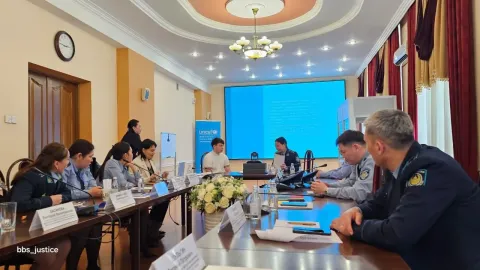
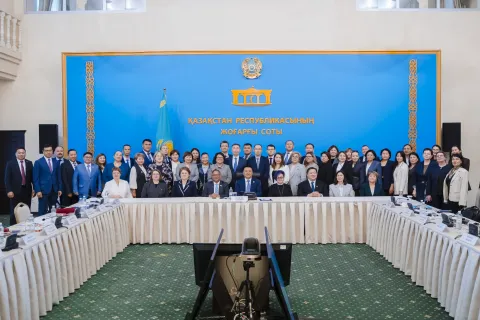
ASTANA, Kazakhstan, 18 March2026 — Today, stakeholders in Astana held a validation meeting to discuss the results of the study ‘Analysis of Potential Fossil Fuel Subsidy Reforms for Fair and Sustainable Development in Kazakhstan.’ UNICEF in Kazakhstan organized the event in partnership with the Economic Policy Research Institute (EPRI).
Key national partners attended the meeting, including representatives from the Supreme Audit Chamber, the Kazakhstan Institute for Strategic Studies (KISI), the Ministry of Energy, the Ministry of Labor and Social Protection of the Population, KazMunayGas JSC, and experts from the Economic Research Institute and other specialized professionals.
The meeting aimed to validate the preliminary research results, exchange expert opinions, and collect recommendations to prepare the final report, which will serve as the basis for further policy dialogue.
Research Context
Kazakhstan possesses rich natural resources but heavily depends on fossil fuels: coal, oil, and gas account for 98 per cent of the country’s energy balance. Energy subsidies historically formed part of the nation’s social contract, ensuring affordable prices. However, according to EPRI, these subsidies cost $16.6 billion in 2024 (around 7.7 per cent of GDP). A significant share of this funding benefits higher-income groups, while 15 per cent of citizens, especially in rural areas, remain energy poor.
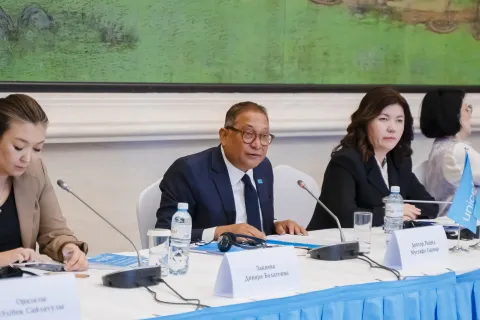
“Many countries historically used fossil fuel subsidies to protect their populations,” said Ayslu Bekmussa, Acting Deputy Representative of UNICEF in Kazakhstan, in her opening remarks. “However, international experience shows that such measures often have significant fiscal and social consequences. The key question for us is how reforms in the energy sector can promote sustainable development, social equity, and the well-being of children.”
Key Findings and Recommendations
Mr. Nard Huybregt, the EPRI lead advisor on social policy, presented the main results of quantitative modeling. The study found that:
- Removing subsidies without compensatory measures increases poverty, but combining reforms with expanded social assistance not only offsets this increase but also reduces poverty below current levels.
- Adopting a phased approach allows for social testing: Experts recommend starting the reform in the electricity sector, which is the most prepared. This approach will moderately impact poverty levels and allow testing of compensation mechanisms.
- Ensuring social protection is key to success: Modelling shows that directing some of the freed funds to targeted social assistance (TSA) or child benefits can not only offset price increases but also reduce overall poverty below current levels.
- Reforming subsidies directly supports Kazakhstan’s climate commitments (NDC) by reducing the economy’s carbon intensity, which currently exceeds the global average by 70 per cent.
Participants also emphasized the importance of transparent communication with the public to implement the proposed reforms and highlighted the need to modernize energy infrastructure using the saved funds.
UNICEF will incorporate all recommendations from the meeting into the final report and a policy brief, which it will present to the Government of Kazakhstan and the public in the coming weeks.
Media contacts
About UNICEF
UNICEF, the United Nations agency for children, works to protect the rights of every child, everywhere, especially the most disadvantaged children and in the toughest places to reach. Across more than 190 countries and territories, we do whatever it takes to help children survive, thrive, and fulfil their potential.
For more information, visit www.unicef.org.