Sachets that support growth: How Therapeutic Food Gave Hassan a Second Start
A stronger start through nutrition care

Born two months premature and weighing less than two kilograms, Hassan needed close medical care from his first day of life. Months later, a routine community nutrition screening identified severe acute malnutrition, a condition that required immediate treatment. At a UNICEF-supported Nutrition clinic in Azraq Refugee Camp, Hassan was enrolled in treatment, receiving ready-to-use therapeutic food (RUTF), regular follow-up, and nutrition counselling to support his recovery.
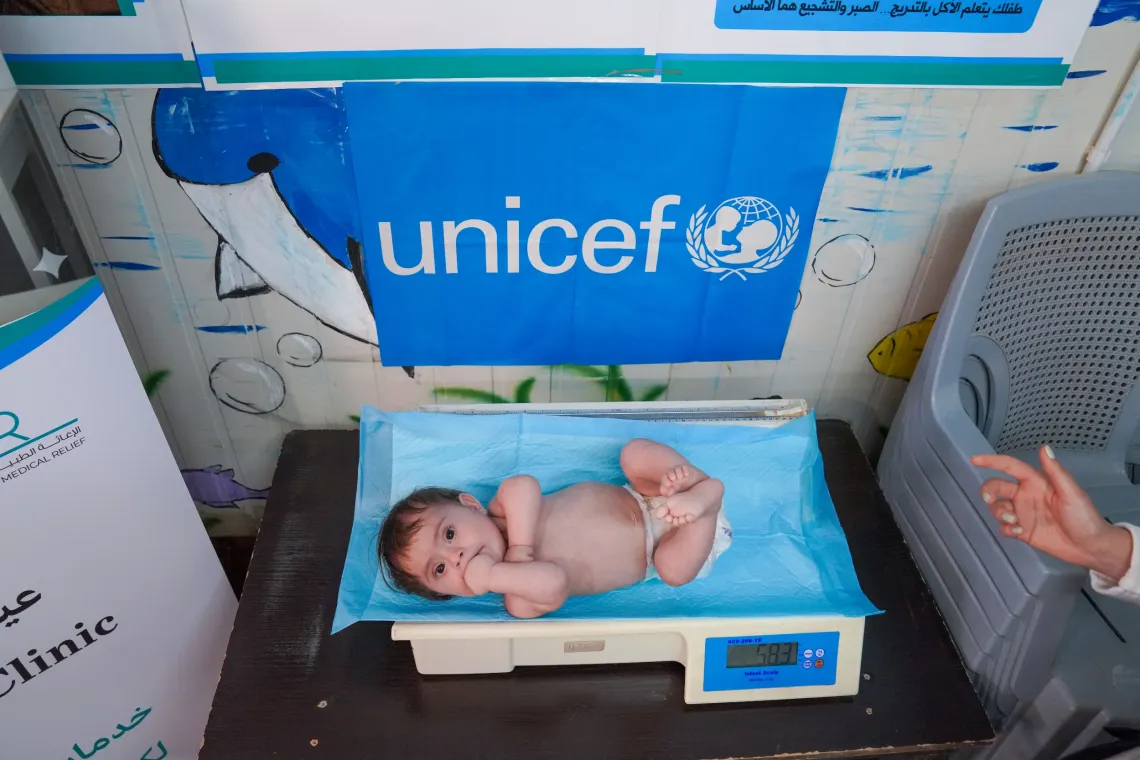
When Hassan was born in Azraq Refugee Camp, just seven months into his mother’s pregnancy, he weighed only 1.7 kilograms.
“He was very small and weak,” recalls his mother, Khadija. “I was afraid for his life. ”
After several weeks of care at the camp’s health facility, Hassan returned home with his family. Because he had been born prematurely, Khadija continued to monitor him closely as he grew. During a routine home visit, community nutrition workers screened Hassan and identified severe acute malnutrition. He was referred to the UNICEF-supported Nutrition clinic, where health workers enrolled him in treatment within the out-patient therapeutic programme (OTP) right away.
The diagnosis came as a surprise to Khadija, who had not realized how severe her son’s condition was. Through regular visits to the Nutrition clinic, Hassan’s growth was monitored closely, his mother received nutrition counselling, and he was given ready-to-use therapeutic food. Slowly, Hassan began to regain strength, recover, and grow stronger.
What’s in the Sachet
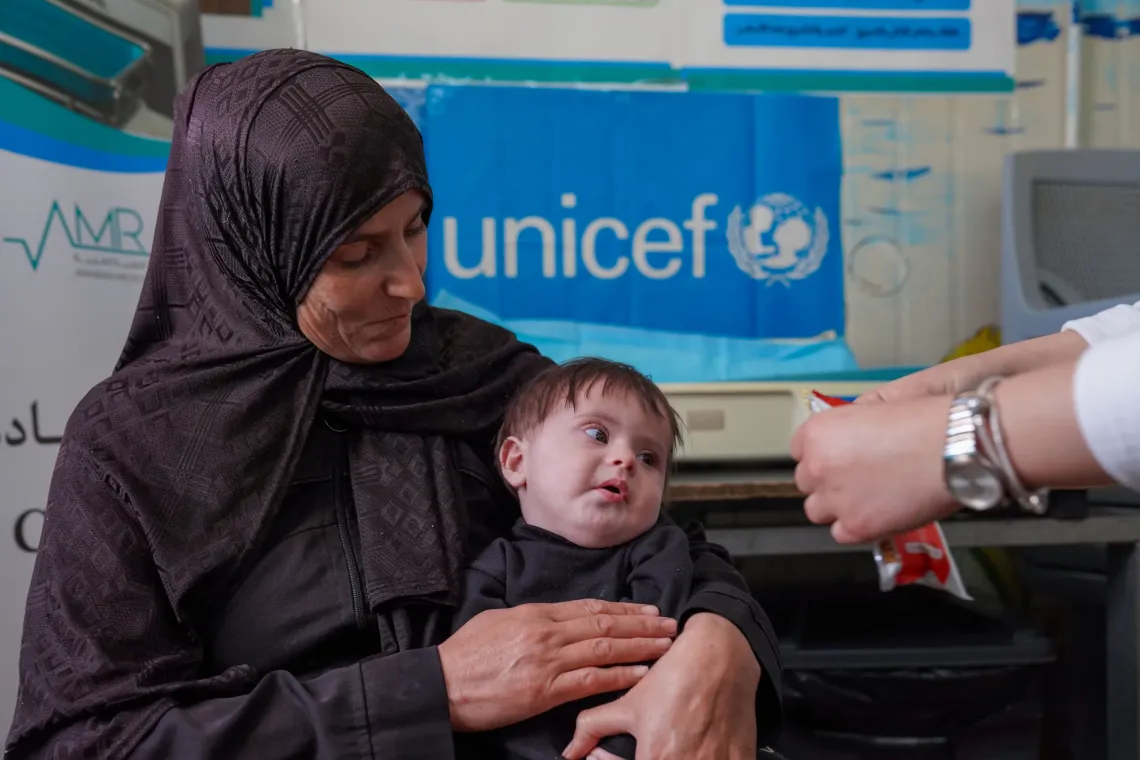
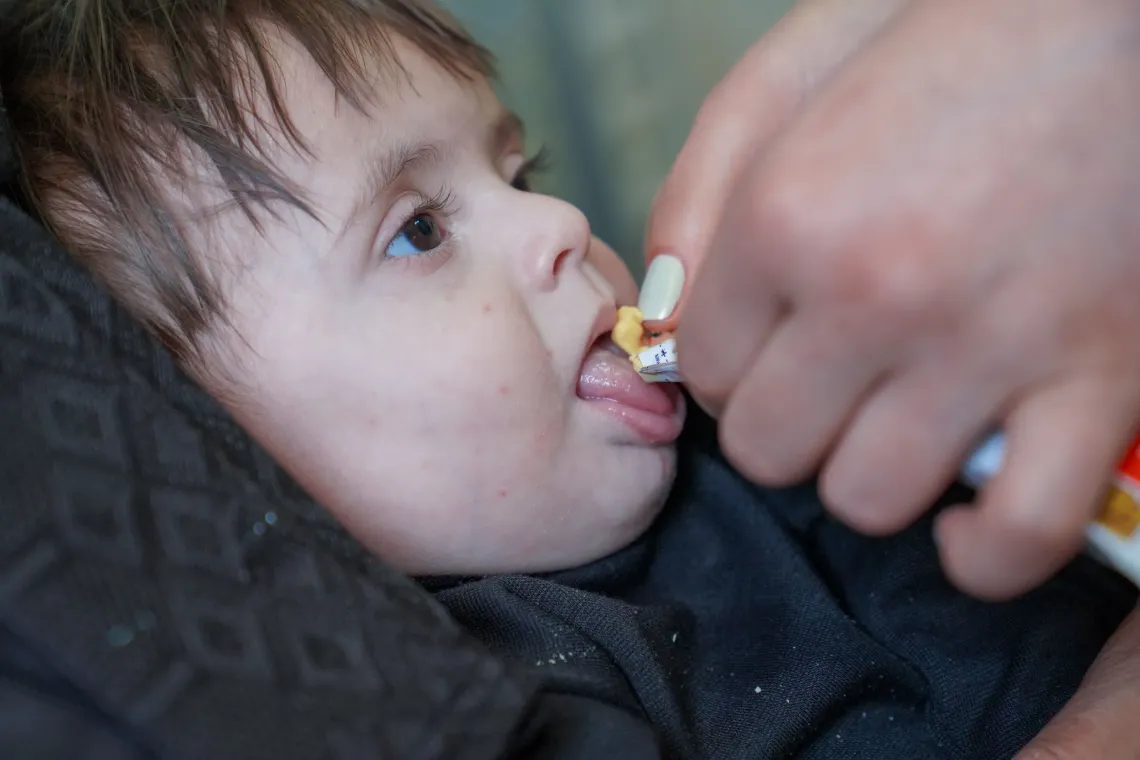
Hassan was enrolled in a course of ready-to-use therapeutic food (RUTF), a peanut-based paste made with milk powder, oil, vitamins and minerals, which is part of UNICEF’s support in the camp to treat severe malnutrition in young children. The paste requires no water, no cooking and no refrigeration, so it is easy to give safely at home, sachet by sachet.
But the sachets were only one part of Hassan’s care. Alongside the RUTF, the nutrition team taught Khadija how to breastfeed a baby as small in size as Hassan, checked on him regularly, and referred him onward when needed. Later, once he was old enough, they showed her how to safely introduce solid foods, one type at a time.
Weighing hope, week by week
Recovery from severe malnutrition is needs time, follow-up and regular monitoring. It is measured in grams. “Hassan started gaining weight. Slowly, slowly,” Khadija says. “Every time I went to the clinic and they weighed him and he had gained, I felt so happy. It was like a victory each time.”
“The nutrition support we received saved my son’s life. I am so grateful to the team at the health clinic and to the health workers who visited our home.”
— Khadija, Hassan’s mother

Hassan is still small for his age, but he is active. He moves, he plays, and his older siblings help their mother take good care of him. “Everyone loves Hassan,” Khadija says, “and the kids love it when I bring them news of how their younger sibling is recovering.”
Care like this happens across Azraq Camp: starting at the camp’s hospital, where many children are born, continuing through home visits like the one that caught Hassan’s condition, and followed up at the camp’s nutrition clinics, sachet by sachet, checkup by checkup.
UNICEF’s Nutrition/out-patient therapeutic programme is generously supported by the United States Government.