Now She Draws Peace Instead of War
After years of loss and displacement, two siblings in Fallujah are rebuilding their childhood through learning, laughter and renewed hope.
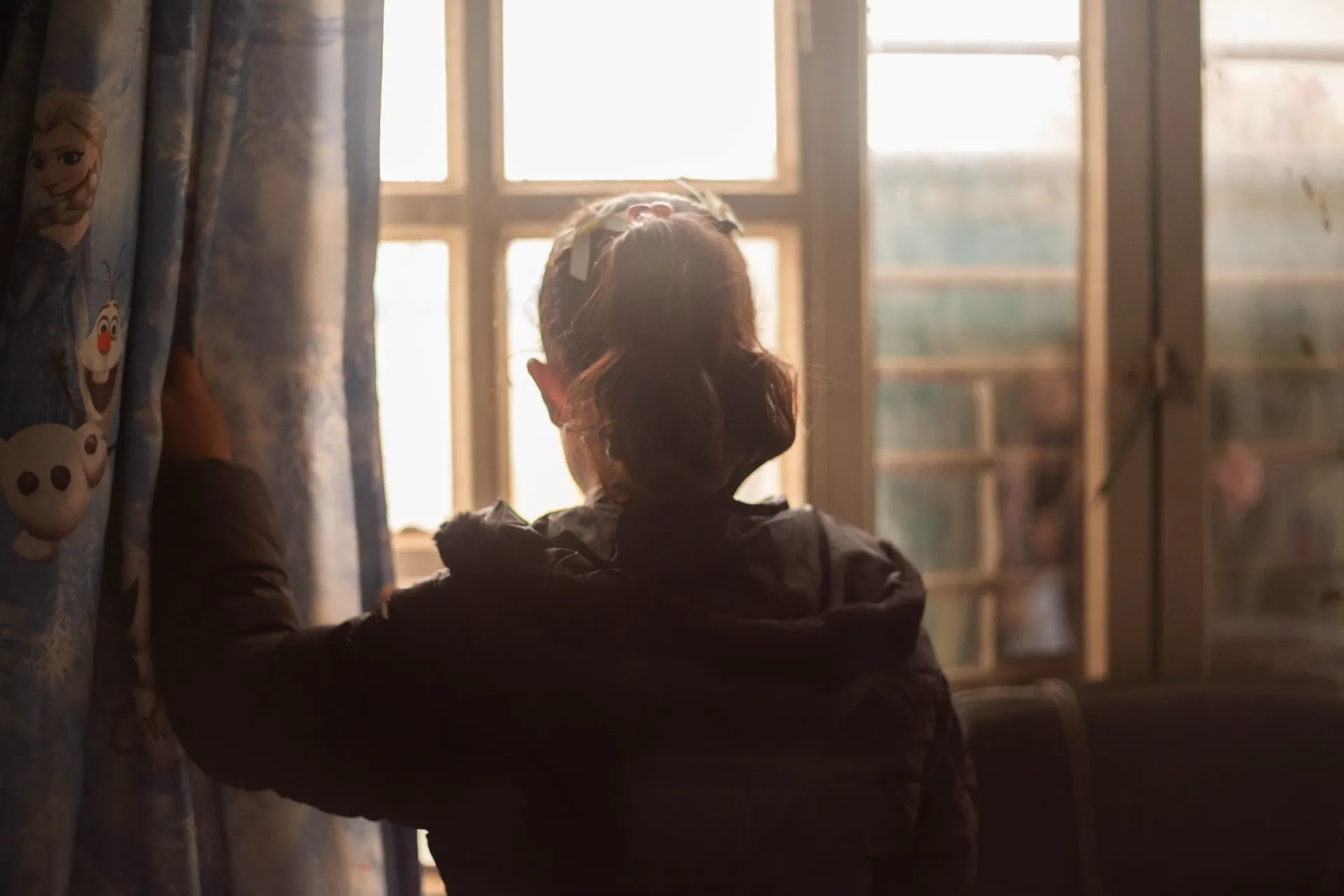
- English
- العربية
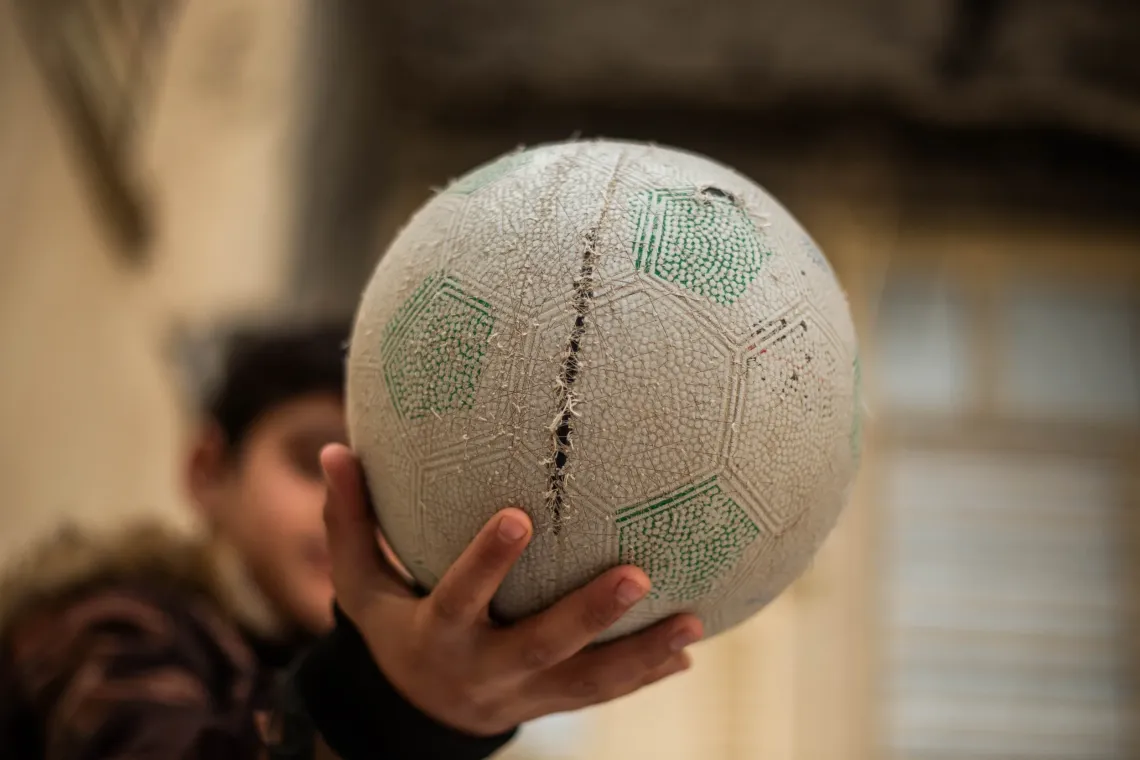
The classroom walls are covered with colourful drawings, trees, houses and bright blue skies. Outside, a football rolls across the ground as children’s laughter fills the air.
For “Rana” and her younger brother “Adam” in Fallujah, these sounds once felt very far away.
For more than two years, the children did not attend school. Going outside felt unsafe. Each morning brought uncertainty.
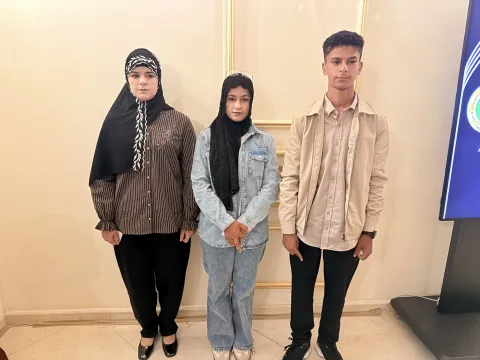
“We did not know if we would survive,” recalls their older sister, “Noor”. “Those were very difficult days.”
The family endured repeated displacement and profound loss. During the conflict, they witnessed the deaths of relatives, including their five-year-old brother. Their mother also passed away. Grief became part of daily life.
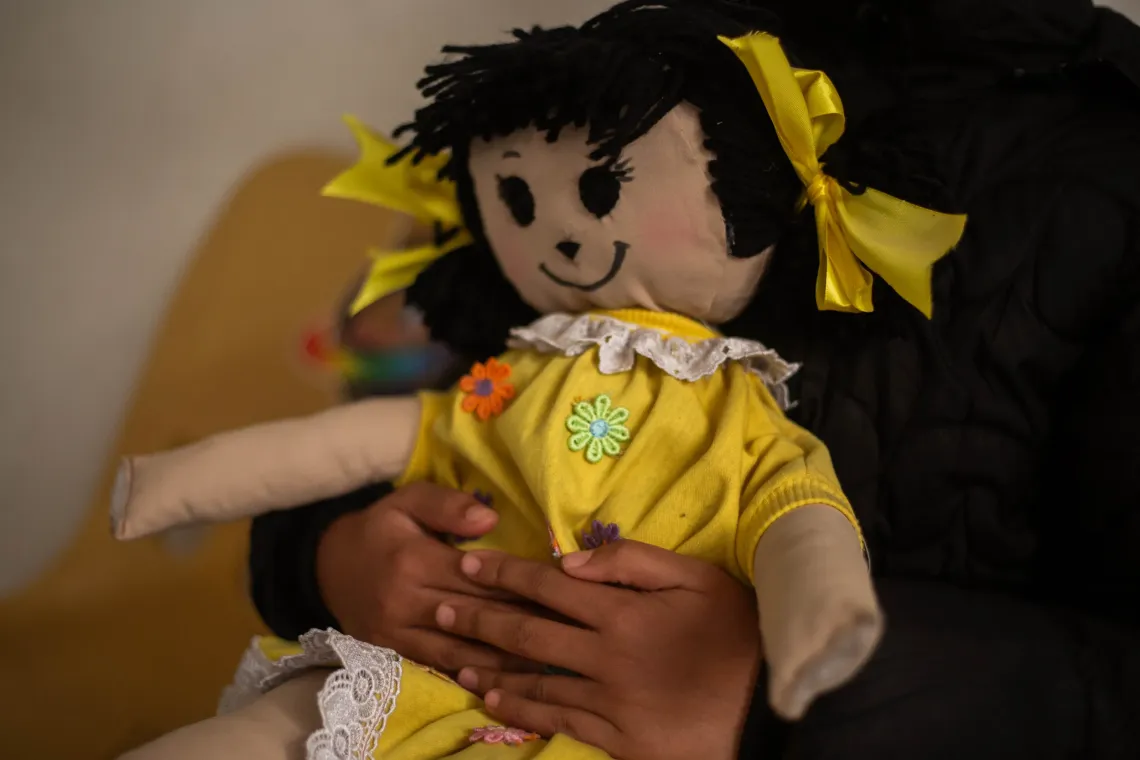
Their journey stretched across borders, from Al-Hol camp in Syria to Al-Amal Rehabilitation Centre in Iraq, before they were finally able to return home to Fallujah to live with their father and extended family.
Even now, Rana sometimes worries about what might come next. She fears war could return.
When they came back to Fallujah, the children were still out of school and lacked essential civil documentation. Without legal identity, access to education and services remained limited.
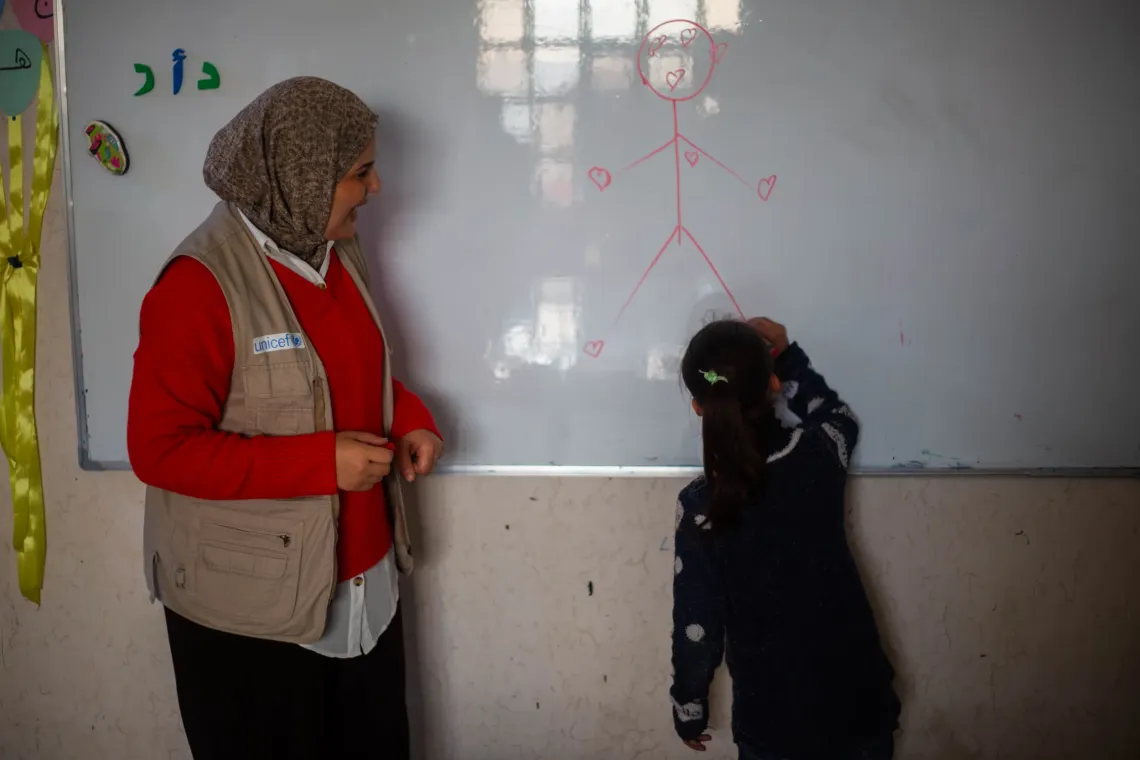
Change began when they enrolled at a UNICEF-supported centre in Fallujah, funded by the Government of Canada. The centre provides integrated services for children affected by displacement, including accelerated learning classes, psychosocial support and help obtaining civil documentation.
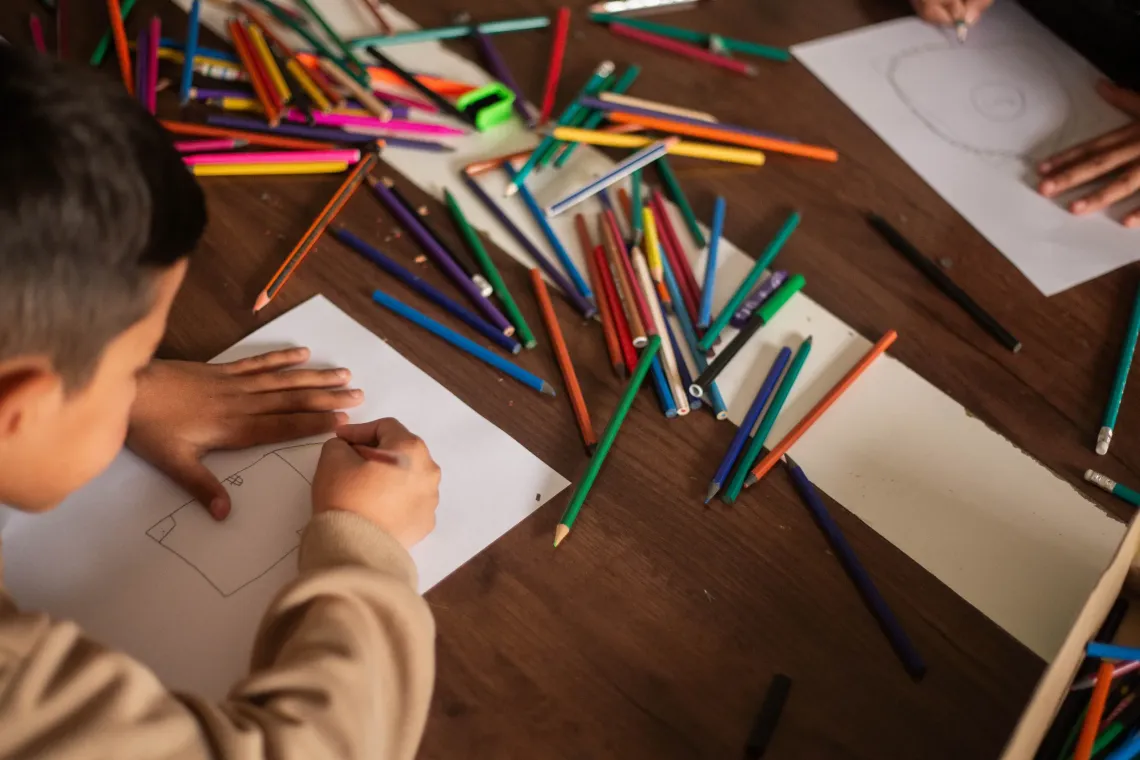
Inside, children’s crafts decorate the walls. A small garden with swings and a slide offers a space for play. The scent of paper and coloured pencils fills the classrooms as children learn side by side.
Rana remembers her first day back.
“It felt like life came back to me,” she says.
She chose her favourite clothes that morning. At first, she worried she might not have friends. Now, she says she has many.
“I come to this centre because I laugh here and I learn.”
After more than two years out of school, Rana joined accelerated learning classes designed to help children catch up and return to formal education. Her teachers encouraged her every day. Slowly, routine replaced uncertainty.
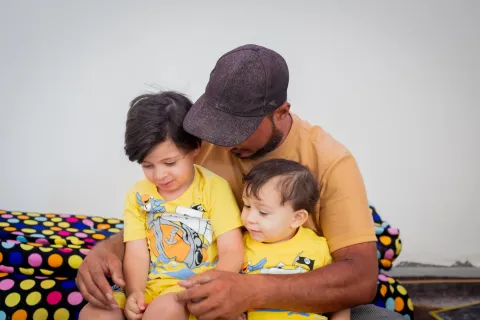
Adam’s recovery is visible in the small yard outside their home, where he proudly takes his place as goalkeeper. Before receiving support, Noor says he was much quieter. Now he plays and interacts with other children with growing confidence.
Their teacher has seen the transformation.
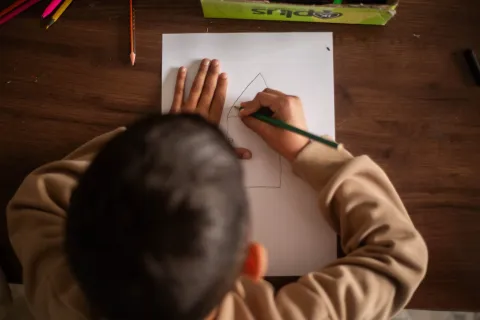
“At the beginning, their drawings showed scenes of war,” she says. “Now they draw peace.”
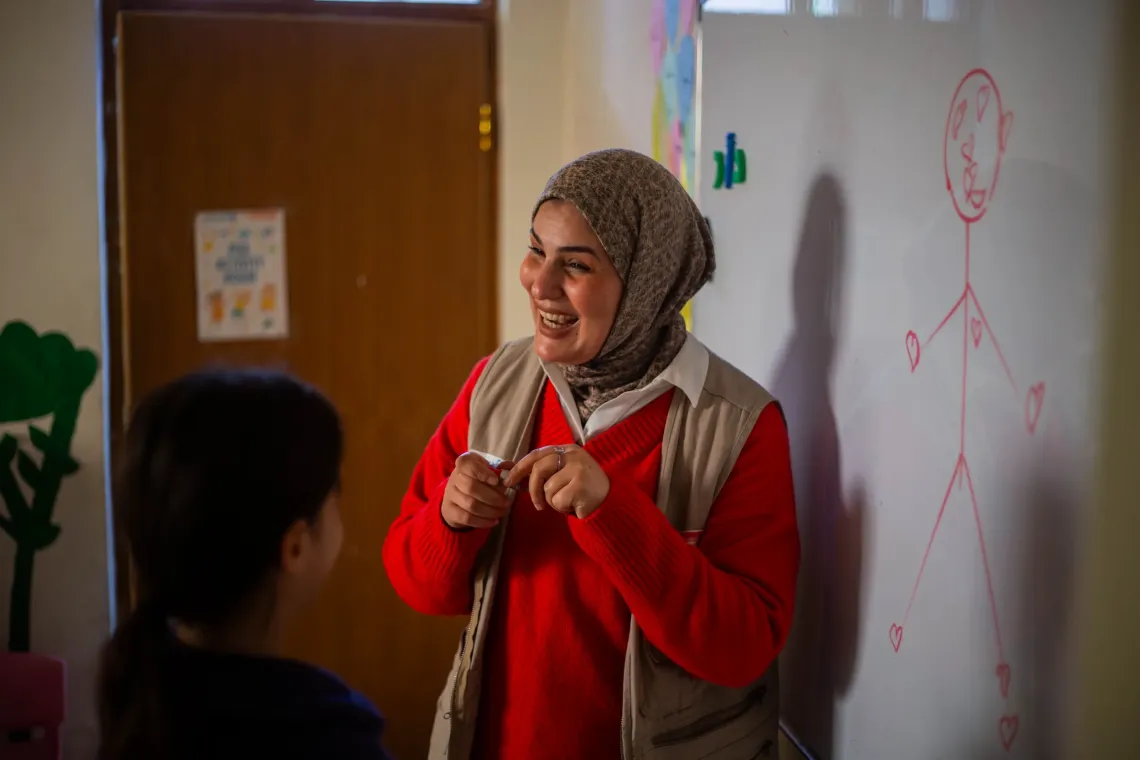
Asmaa, who works at the centre with UNICEF implementing partner Terre des Hommes Italy (TdH Italy), understands that change deeply. Displaced herself during years of instability and from the same community, she brings empathy shaped by lived experience.
“I know what it means to lose your sense of safety,” she says. “When I sit with these children, I do not only see students. I see children carrying heavy memories.”
“As a mother, I look at them and think this could be my child,” she adds. “Every day, I see progress. They speak more. They laugh more. They trust more. That is how healing begins.”
Beyond the classroom, social workers helped the family secure legal documentation, restoring access to services and reducing administrative barriers. Psychosocial support sessions created space to process trauma and rebuild confidence.
“Our life was very difficult,” Noor says. “This centre made things easier. They helped us with documents. They helped the children return to school. I wish our family could be together again. But now the children have hope.”
The pain of loss has not disappeared. The children still miss their brother and their mother. The future is not without uncertainty, but stability has begun to take root.
They sleep better. They have made friends. Their dreams are changing.
Rana hopes to grow up and make a positive difference. Adam dreams of becoming a professional football player, and a goalkeeper.
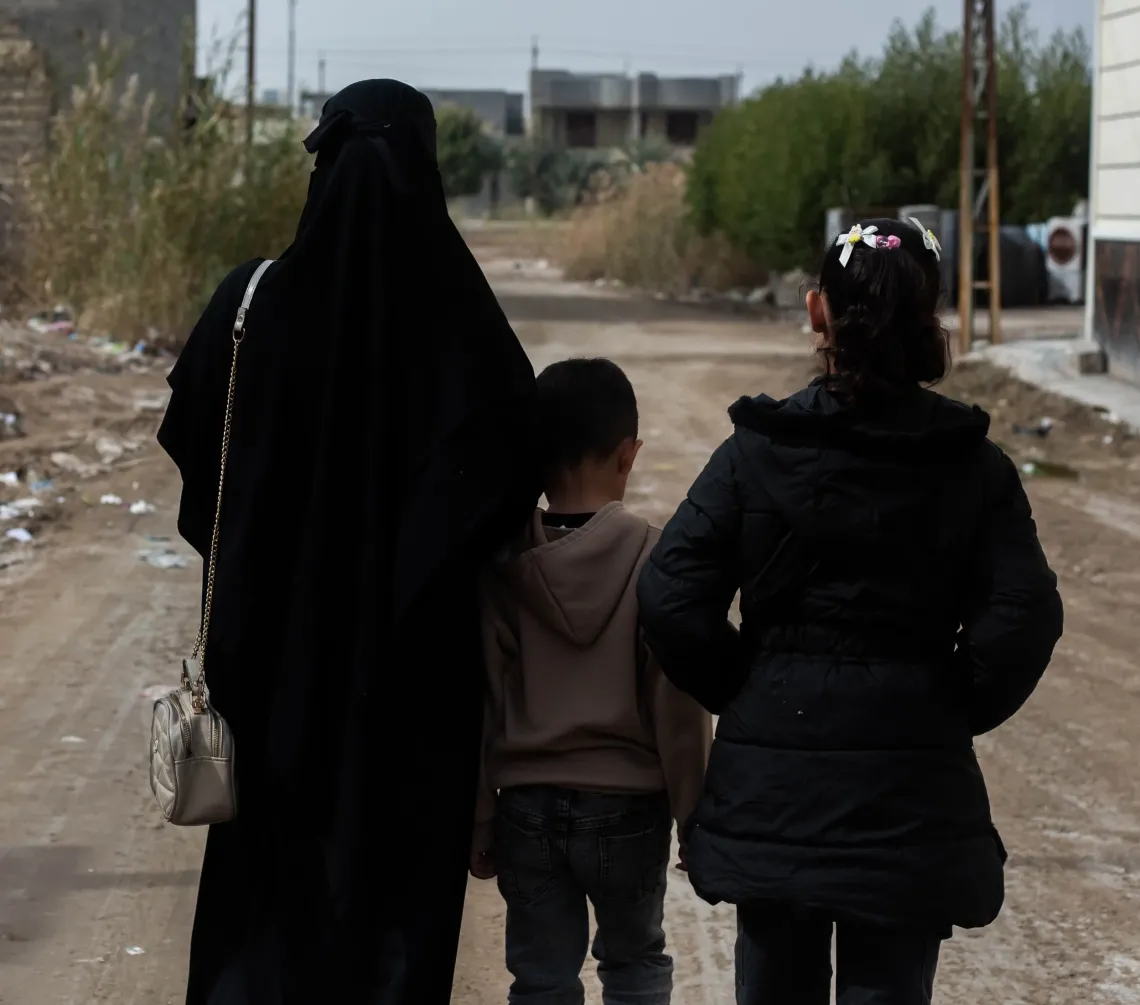
Childhood does not return all at once. It comes back slowly, in routines, in friendships and in drawings.
Now, when Rana picks up her crayons, she no longer draws tanks or explosions.
She draws peace.
With sustained support from partners such as the Government of Canada, centres like this one in Fallujah are helping children rebuild not only access to education and protection services, but also confidence, resilience and a renewed sense of possibility.
Names have been changed to protect the identity and privacy of the children and their family.