End to child marriage – Kani’s story
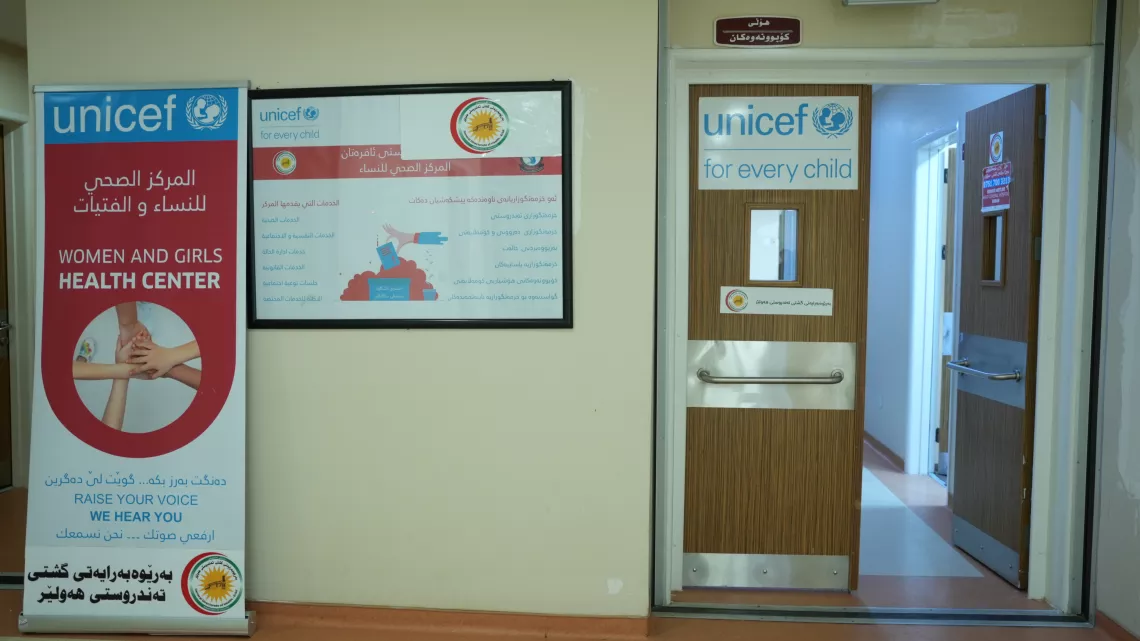
A UNICEF- supported Women and Girls center in collaboration with the Department of Health and funded by the US Department of State, transforms a girl’s life.
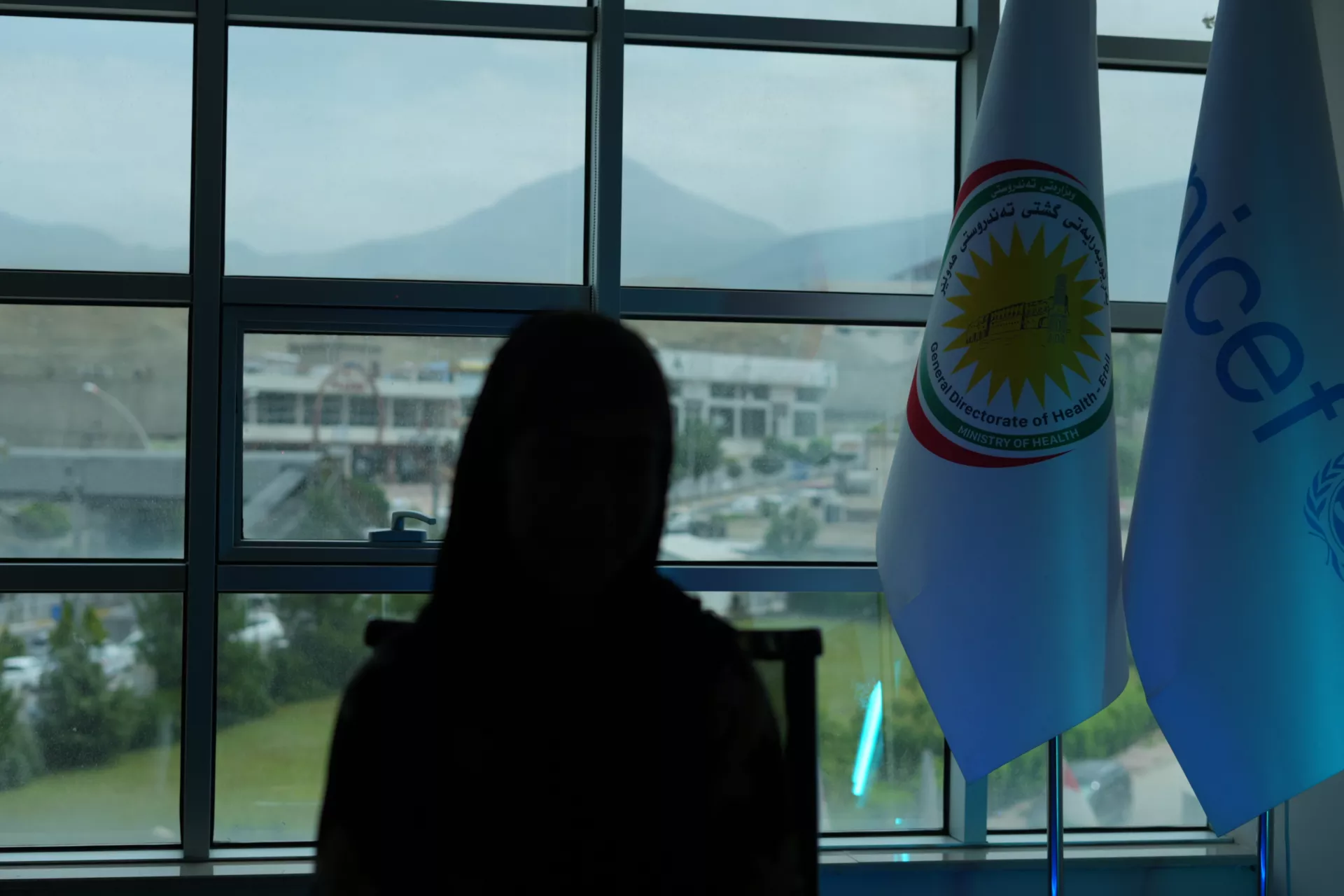
- English
- العربية
Erbil, 20 July 2023 – Despite not being able to see her mother since her parents’ divorce, Kani, 17, remembers her loving moments as a child. She fondly recalls her childhood, until a tragedy hit her hard.
Last year, Kani was kidnapped and forced into an unwanted marriage.
“I wanted to run away and seek help,” said Kani. “But I did not have access to a phone, I did not have any friends to talk to and most importantly, I was not aware of any existing available services that provide support to girls like me.”
Kani’s tragedy started at the age of 16. She was kidnapped by a relative and forced into marriage. She lived with her husband for a month and a half. During this time, she was constantly harassed and abused sexually, physically, and mentally. She was also forced to do all the house cleaning and had to take care of the needs of her husband’s family members.
According to the multiple indicator cluster survey, the percentage of women aged 20 to 24 years who were first married before the age of 18 is 28 per cent, with no differences between urban and rural women. Seven per cent of these women were married even before the age of 15.
“I was very devastated,” said Kani with a trembling voice. “I used to remember my mom and how I cannot see her or hold her or even cry in her arms that I used to cry hard to put myself to sleep every night.”
Following her parents’ divorce, Kani lived with her grandparents. She later moved in with her father, stepmother, and siblings. She loves her family but misses her mother the most. Due to traditions and family disputes, Kani never saw her mom after she remarried.
From the day she was forced into the marriage, Kani’s request to see her father was rejected by her husband. Six weeks into the marriage, Kani’s psychological situation deteriorated. It was only then that her husband allowed her to see her father.
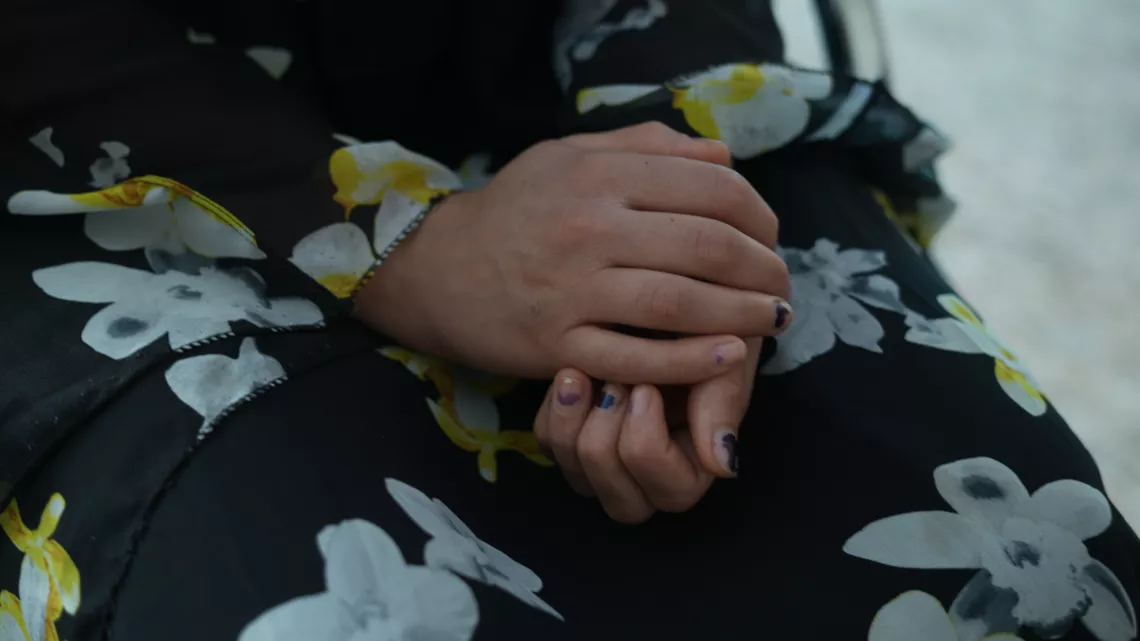
A gender-based violence center inspired hope
Kani had high hopes that her father is able to support her. Her hopes materialized when her father went to the police to file a complaint against her relative. The police referred Kani to a Women and Girl’s support center in Soran.
“I felt much better and relieved after I came to the center,” said Kani. “They provided me with psychosocial and legal support and accompanied me in my journey towards recovery.”
Supported by UNICEF and funded by the US Department of State, the center provides girls and women with comprehensive support including medical, case management, mental health and psychosocial support and legal counselling and representation, life support, linking and referral to other specialized services.
“After visiting the center, I felt I was not alone and that all problems have solutions,” said Kani.
Almost one year later, Kani started enjoying her daily activities such as knitting and watching cooking shows on television. She aspires to learn how to sew and sell her merchandise to earn a living.
“My advice to every girl is that our lives should not stop when a tragedy hits,” said Kani. “We should always look for options and seek support and never give up hope.”
Unfortunately, and due to cultural norms and traditions, Kani was never enrolled in school.
“I want to learn, secure a job and have my own family,” said Kani with a smile. “But there is no opportunity for my age to get enrolled into education,” said Kani with a smile.
Kani’s father is happy that his daughter is now back at home. He hopes that she lives in peace and learns how to practice her favourite hobbies.
“I advise all parents to prevent child marriage,” said Shivan, Kani’s father.
According to her father, child marriage can ruin girl’s present life and future. Shivan also believes that the parents and future children of the girl will suffer as a result of child marriage.
“Every girl has the right to choose her partner but not as a child,” ended Shivan.