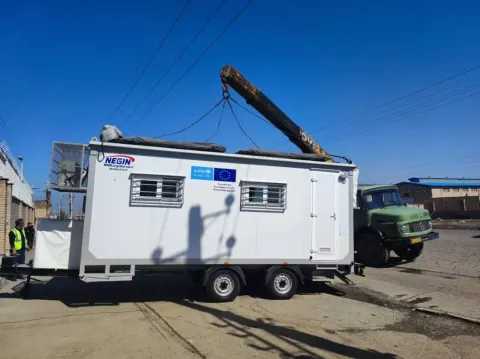
For Nine-Year-Old Fatemeh, School Feels Different Now
For thousands of children across Khorasan Razavi and Sistan and Balouchestan, better water, sanitation and school health services are transforming everyday experiences at school.

- فارسي، فارسي
- English
It was a cold night in Tehran on 23 December when my colleague Reza and I began our journey to Zahedan, in Sistan and Baluchestan province. We arrived early the next morning and, without much time to rest, headed straight to the schools.
Our first stop was the provincial Directorate of Education. Reza, UNICEF WASH officer, met with colleagues from the education sector to discuss the progress of UNICEF-supported interventions and the needs of schools in the province. Although the conversations covered different aspects of education and school services, they all came back to one shared concern: how can we make schools safer, healthier and more welcoming places for children?
Soon after, we began visiting schools to see how UNICEF-supported improvements, with financial support from government of France and ECHO,
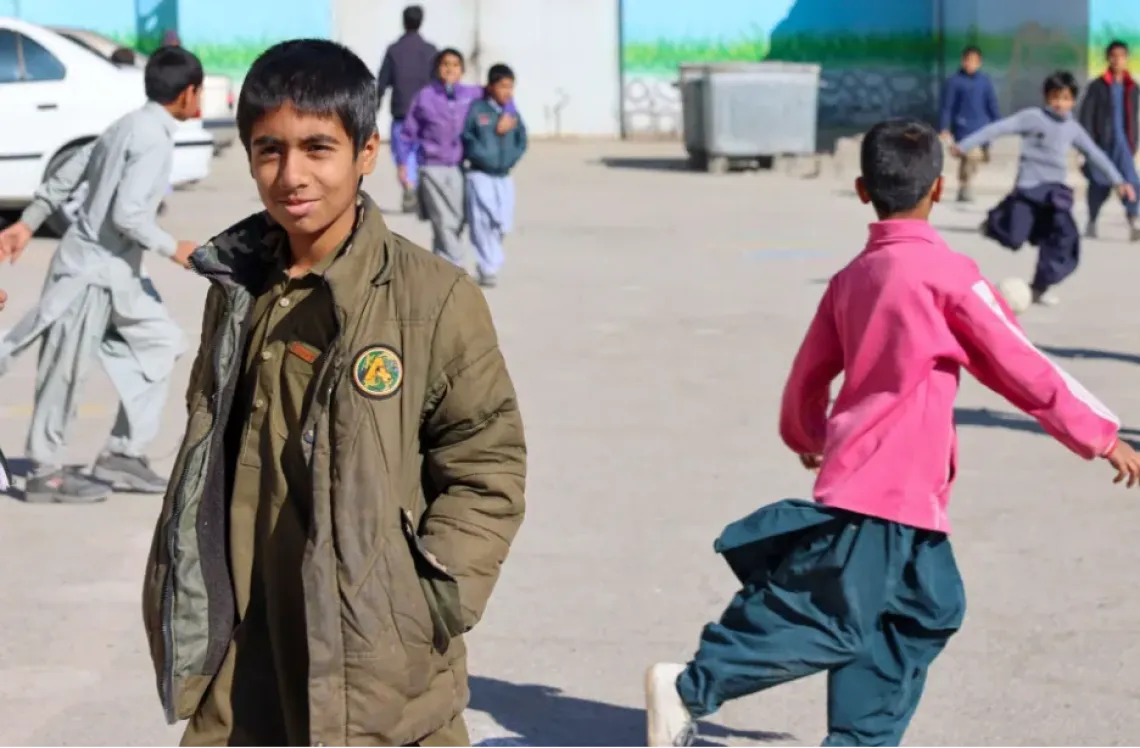
were making a difference in children’s everyday lives. Our first stop was a boys’ school on the outskirts of Zahedan. The students were outside when we arrived, running around the schoolyard and playing football. Their energy immediately changed the atmosphere. They were laughing, calling out to one another and enjoying an ordinary school morning.
For me, these moments are always a reminder of why visiting projects in person matters. Behind every activity, every number and every piece of infrastructure are children who should be able to learn, play and grow in a safe and healthy environment.
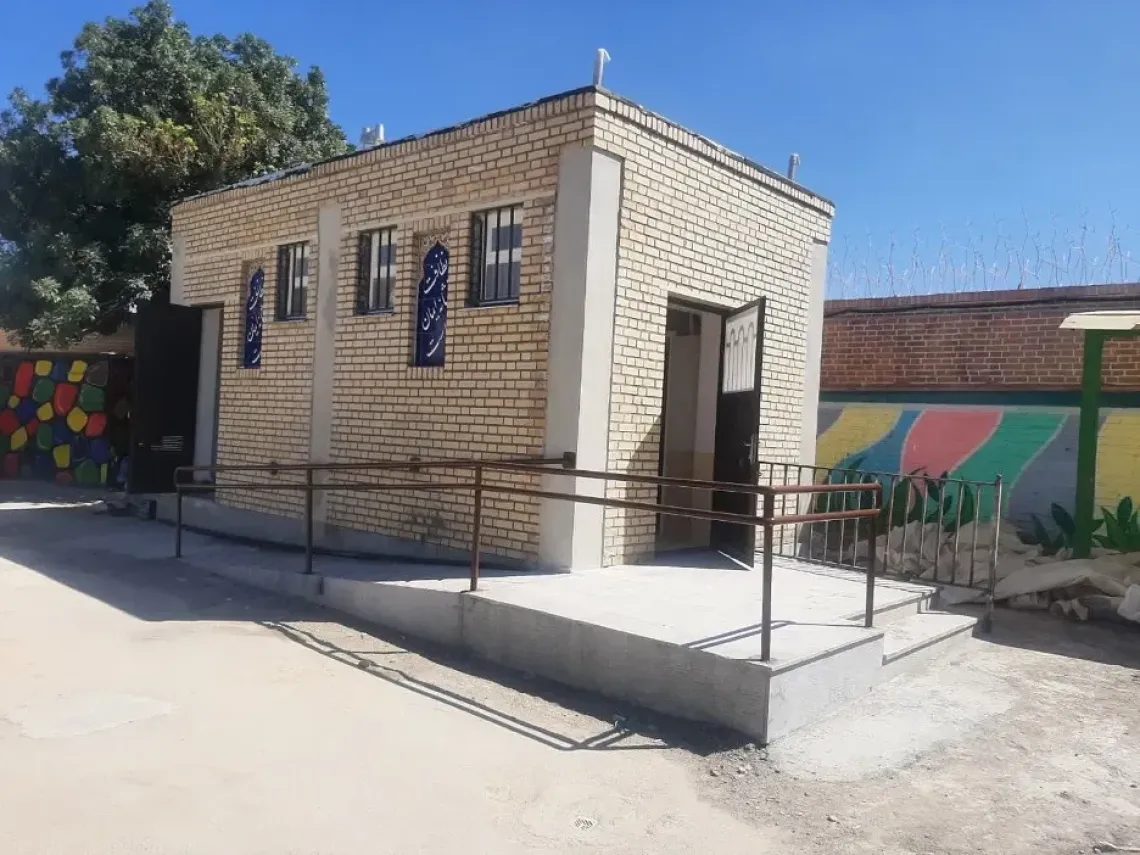
Inside the school, we looked at the renovated sanitation facilities. The toilets had been rehabilitated and equipped with improved facilities, providing students with a cleaner and more functional environment.
We continued our visits to several other schools in Zahedan, seeing different improvements to water, sanitation and hygiene, or WASH, facilities. With each visit, the purpose of the work became more tangible.
Then we arrived at a large girls’ school, serving 1,750 students (in two shifts) across different age groups.
This was where I had one of the conversations that stayed with me long after we left.
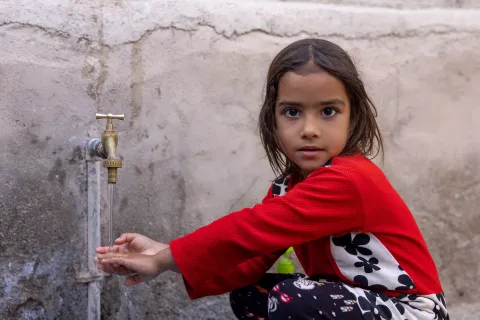
I spoke with several girls and asked them what had changed for them since the renovations. Nine-year-old Fatemeh explained that, before the improvements, the school had only one working toilet for the students out of 12. Long lines were common, and she told me that she would often try to avoid using the toilet at school altogether.
She had learned to plan her day around it.
For a child, this may sound like a small inconvenience. But listening to Fatemeh, I began to see how something as basic as access to a safe and functional toilet can affect a child’s experience at school.
Now, she told me, the school had all 12 toilets with improved facilities, as well as new water treatment equipment, water tanks, and water coolers. She felt much more comfortable.
Other girls shared similar experiences.
Their stories brought a very human dimension to something that is often described through technical terms such as “WASH rehabilitation” or “sanitation facilities”. For children, these improvements are much more immediate. They mean being able to use the toilet when they need to. They mean having access to clean water and places to wash their hands. They mean feeling comfortable and cared for at school.
They can also mean being able to focus on what children are meant to be doing at school: learning, playing and spending time with their friends.
We continued our visits throughout the day. At one of the final schools, we saw another important aspect of the programme: inclusion.
The school serves children with disabilities, and its WASH facilities had been adapted to improve accessibility, including facilities suitable for children using wheelchairs. The school was closed when we arrived, so I did not have the opportunity to meet the students. But the principal explained how the improvements had made the facilities more accessible and practical for the children.
It was another reminder that a school cannot truly be safe and inclusive unless its basic facilities are accessible to every child.
Across Sistan and Baluchestan and Khorasan Razavi provinces, 72,650 students are now benefiting from improved WASH services. This includes 36,069 girls and 36,581 boys, among them 9,156 Afghan refugee students and 63,494 Iranian students.
The programme has supported the rehabilitation of WASH facilities in schools, improved access to safe drinking water, sanitation and handwashing facilities, and equipped 81 schools with school health rooms and essential health kits. It has also supported the training of 80 health focal points and teachers, distributed 18,240 hygiene kits, including menstrual hygiene supplies, and strengthened health and hygiene awareness among students and parents.
These interventions are part of a broader effort to connect education, health and access to safe water and sanitation, rewarding child well-being. Better WASH facilities can contribute to children’s dignity, health, attendance and ability to participate fully in school life, while stronger school health services can help identify health and nutrition concerns and connect children with appropriate primary health-care services.
The programme has also reached both refugee and host-community children, helping ensure that access to essential services is not determined by where a child comes from.
By the end of our visit, I found myself thinking about numbers differently.
Seventy-two thousand six hundred and fifty students is a powerful figure. But after meeting the children, I could no longer see it simply as a statistic.
I could see the boys playing football in the schoolyard.
I could hear the girls telling us about their school.
And I could picture Fatemeh, a nine-year-old girl who no longer has to plan her school day around whether she can use the toilet.
That is what these numbers represent: small, everyday changes that can make a meaningful difference in a child’s life.
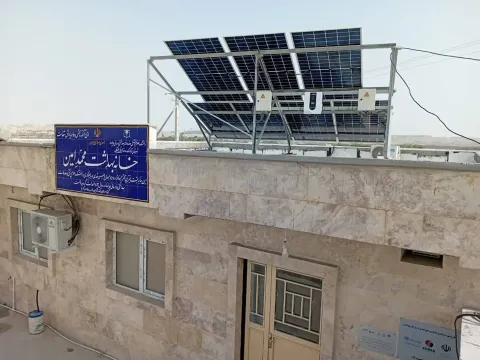
There is still much more to do. Many schools and communities continue to need support to rehabilitate and maintain WASH facilities, replenish school health equipment and strengthen health and hygiene promotion. In southern provinces such as Sistan and Baluchestan, where schools can also experience frequent electricity outages, UNICEF is exploring solutions such as solar power systems to help maintain essential services.
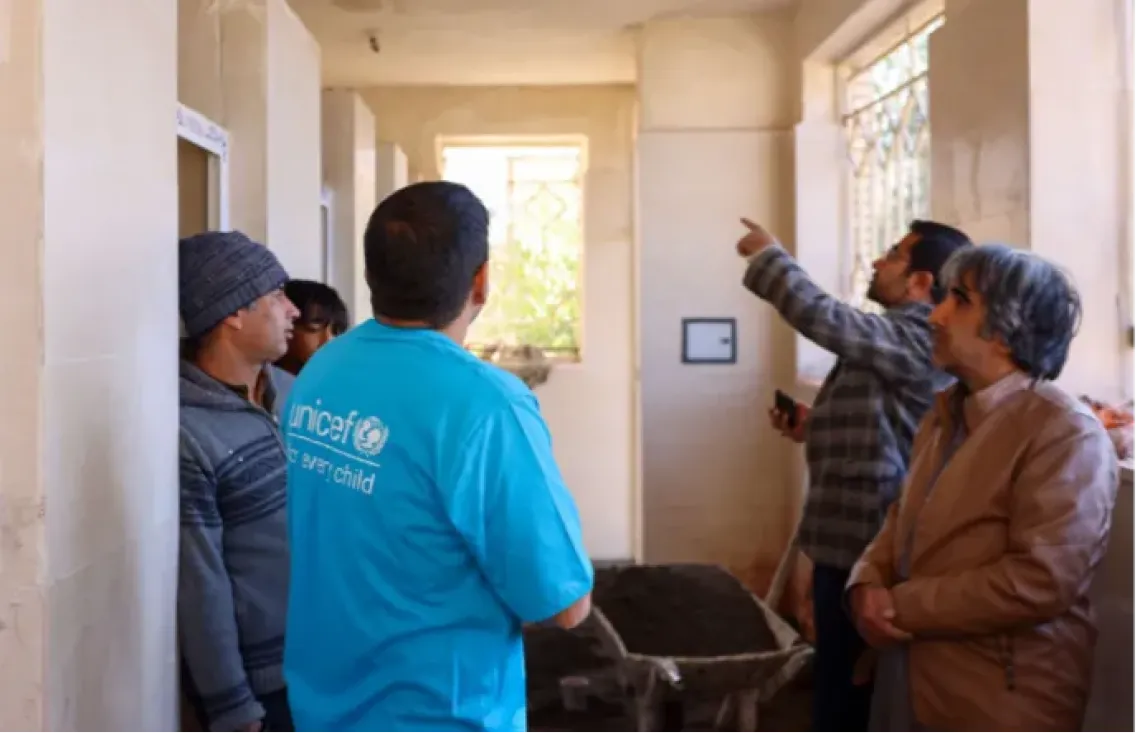
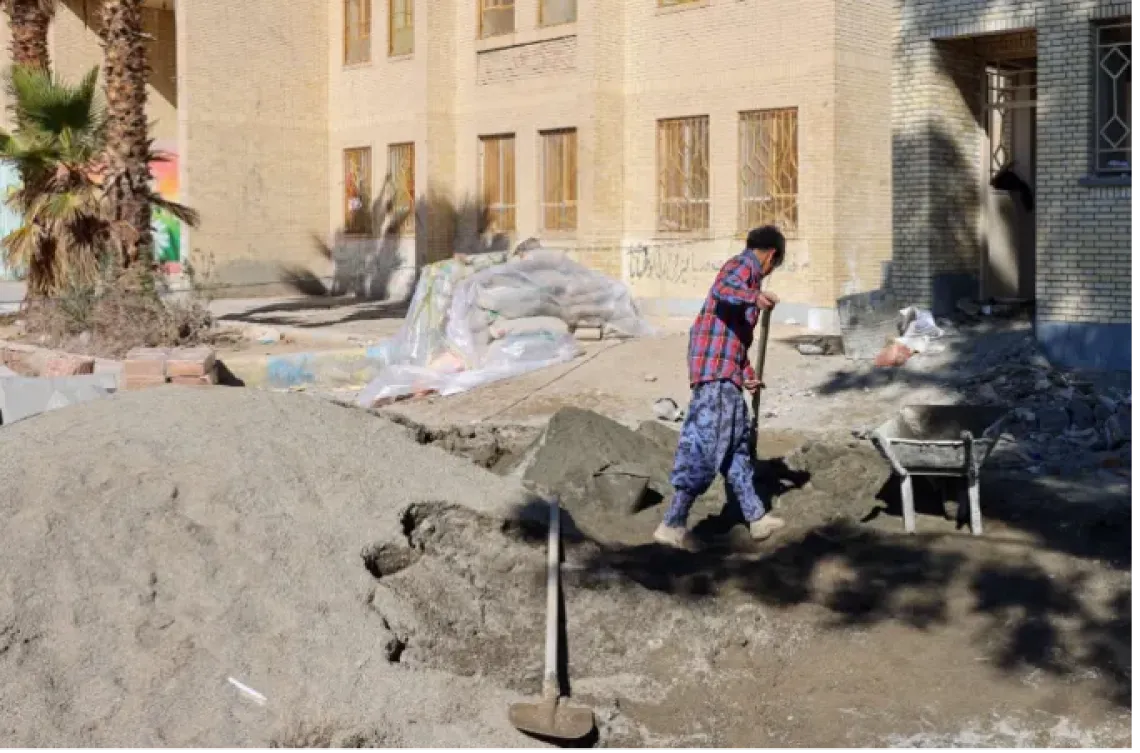
The journey to Zahedan began for me as a monitoring visit. I went there to see how a programme was being implemented and to document its results.
But by the time we left, I was thinking less about infrastructure and more about what that infrastructure makes possible.
A child who can use a clean toilet without waiting in a long line.
A student who can drink and wash her hands with safe water.
A child with a disability who can access the school’s facilities independently.
A girl who can stay focused on her lessons instead of worrying about whether she can use the toilet.
These may seem like simple things. For children, they should be.
And perhaps that is the most important measure of whether a school is becoming a safer, healthier and more inclusive place to learn.