Three additional countries, one shared mission
The UNICEF Game Changers Coalition expands to Bolivia, Bangladesh and Indonesia, equipping young people with the skills to shape the digital future
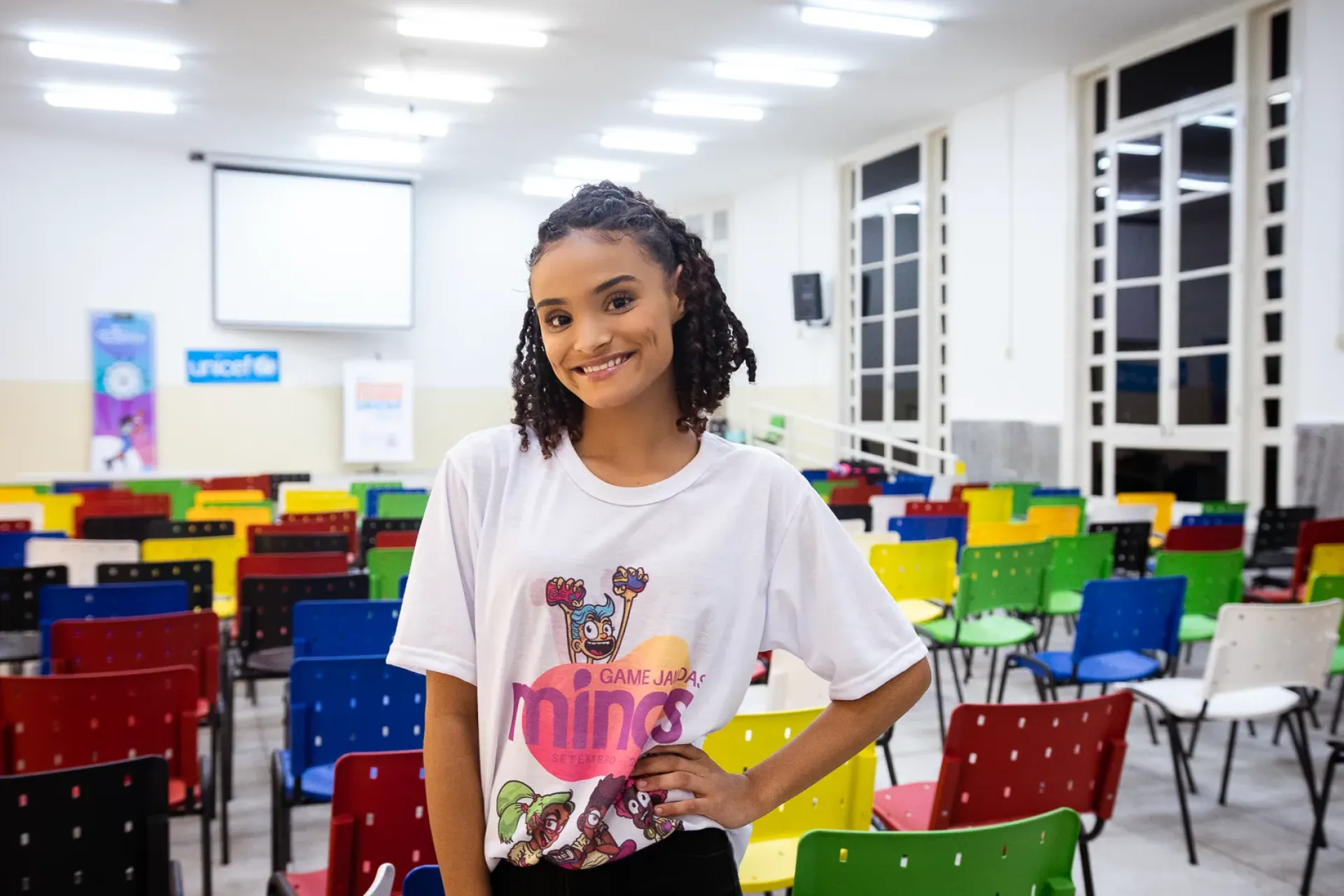
From artificial intelligence (AI) to blockchain, the digital economy is growing rapidly and transforming the future of work. Yet for millions of young people in emerging economies, especially adolescent girls, the pathways into these fields remain narrow, uneven or out of reach. That is the gap UNICEF’s Game Changers Coalition (GCC) is working to close.
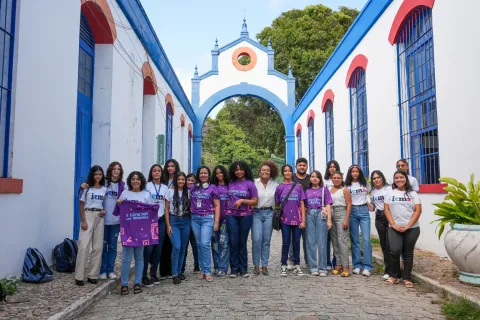
Since launching in 2023, GCC has brought its video-game-based, future-ready curriculum to more than 642,000 young people, parents and teachers across eight countries, with girls making up 52 per cent of participants. Nearly three-quarters of that growth came last year alone, and in 2026 the initiative is harnessing that momentum to expand into three new countries: Bolivia, Bangladesh and Indonesia.
At the heart of the model is a simple idea: the entertainment systems that keep billions of people engaged in video games can also serve as powerful environments for creativity, collaboration and skills development. For adolescent girls in particular, who are too often shut out of digital tools and the opportunities they unlock, video games provide a chance to participate, lead and thrive in the digital economy.
Through GCC, young people move from using technology to creating with it, designing and building video games from scratch while gaining digital skills and confidence.
Anchored in UNICEF’s broader Skills4Girls programme, GCC’s expansion focuses on countries where demand for digital skills and girls’ inclusion is growing, and opportunities for impact and scale are clear.
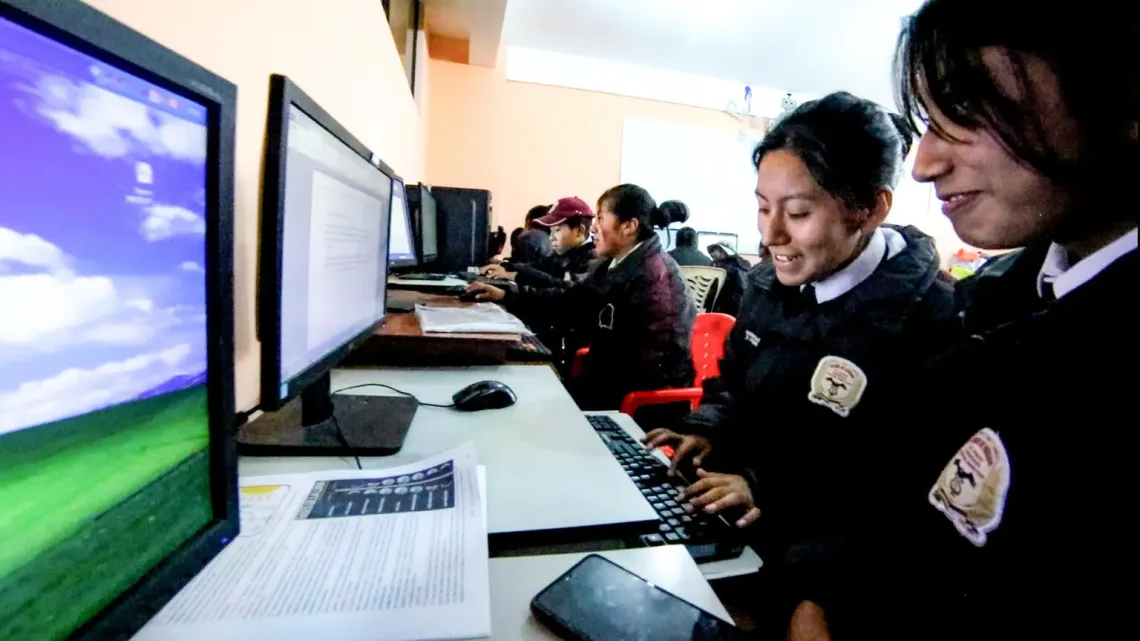
In Bolivia, adolescent girls point to gender bias and lack of encouragement to pursue Science, Technology, Engineering, Arts and Mathematics (STEAM) subjects as some of the major barriers hindering their futures. In a recent UNICEF survey, they were vocal about what they need to thrive: a stronger foundation in mathematics and literacy, access to digital and soft skills, and support to challenge gender stereotypes that discourage their participation in an increasingly digital world.
"Game development is more than coding. It nurtures creativity, collaboration and problem-solving while equipping young people and especially adolescent girls with the skills they need to thrive in an increasingly digital world. In Bolivia, we’re excited about the opportunities it can create for the next generation of change makers,” said Katya Marino, UNICEF Bolivia Representative.
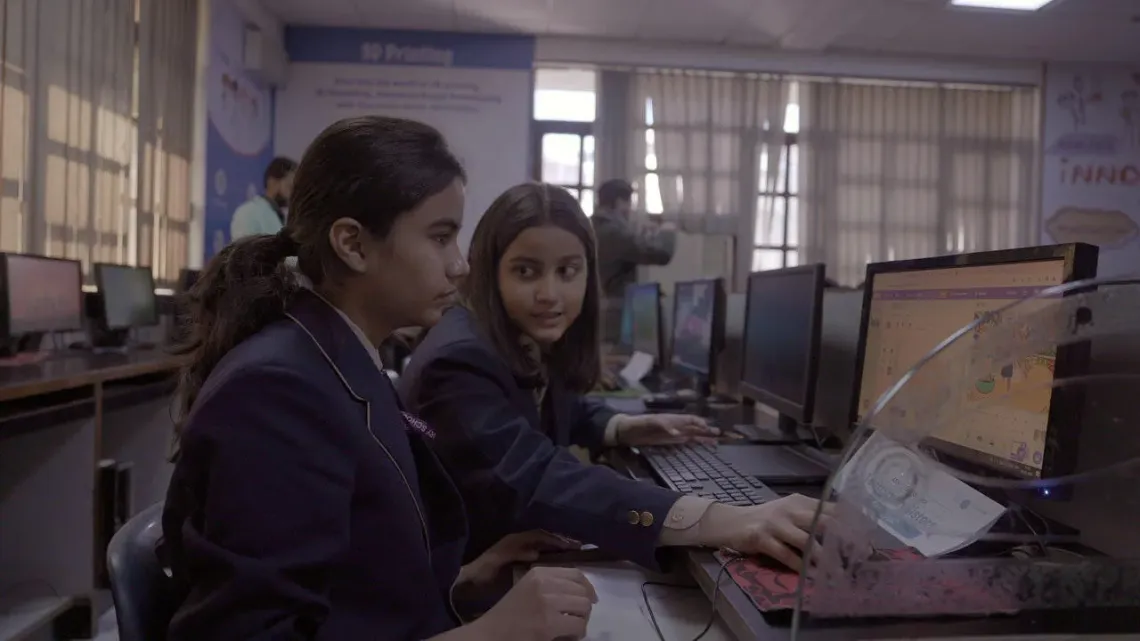
While Bangladesh is advancing national ambitions in AI and digital education, progress is slow: annually, more than 32 per cent of girls drop out of secondary school, and only 2 per cent of adolescent girls currently have basic digital skills.
Rana Flowers, UNICEF Bangladesh Representative, said, "Talent is everywhere, but opportunity isn't always. We’re proud to be supporting more young people in Bangladesh, especially girls, to build digital skills, unleash their creativity and shape their futures through game development."
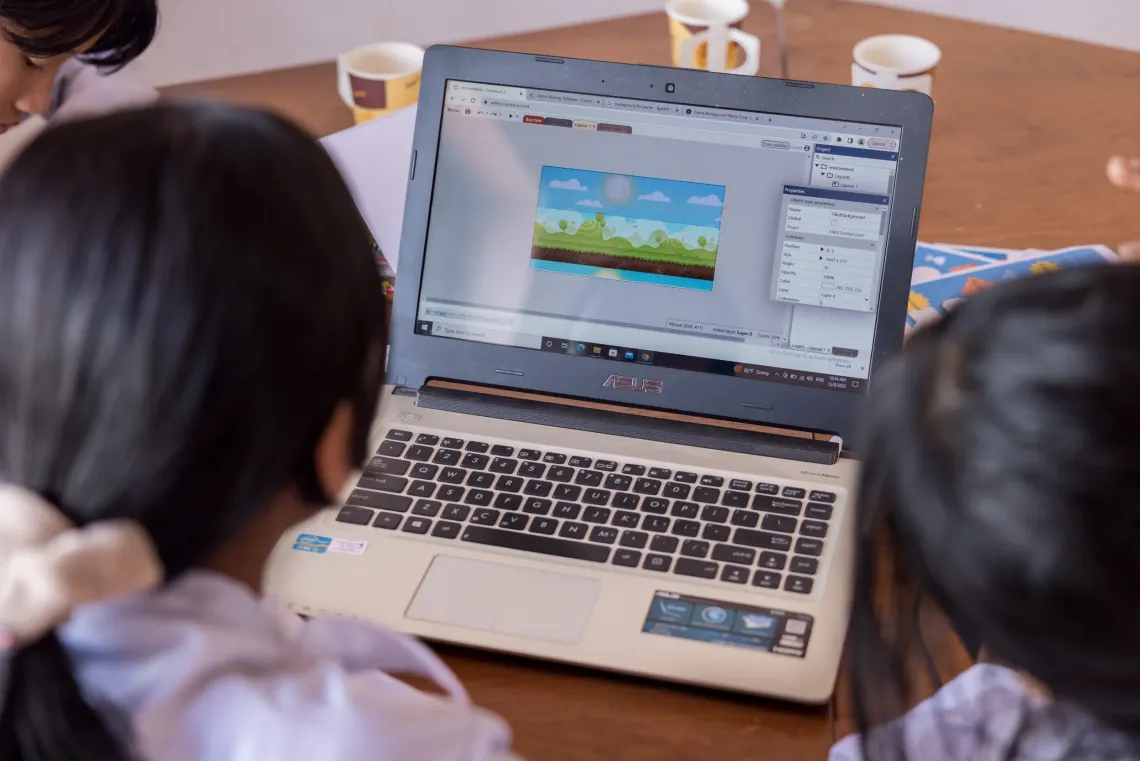
In Indonesia, the expansion will focus on East Java, where many adolescents remain out of school and girls in particular struggle to transition from the classroom to the workforce, especially into STEAM fields. Of the estimated 10.1 million young people in Indonesia who are out of education and employment, nearly 70 per cent are girls.
Indonesia also offers strong potential for scale. As local and national governments prioritize AI, coding and digital learning, there is a clear opportunity to make skills development for girls a lasting part of the national education system.
“Every girl has the right to reach her full potential. Evidence shows that investing in girls and their futures can drive significant gains in productivity and economic growth. Indonesia is on a dynamic growth trajectory. Through GCC, UNICEF will contribute to Indonesia’s efforts to equip young girls and boys with 21st-century skills and the confidence to become creators, innovators, and future leaders,” said Maniza Zaman, UNICEF Indonesia Representative.
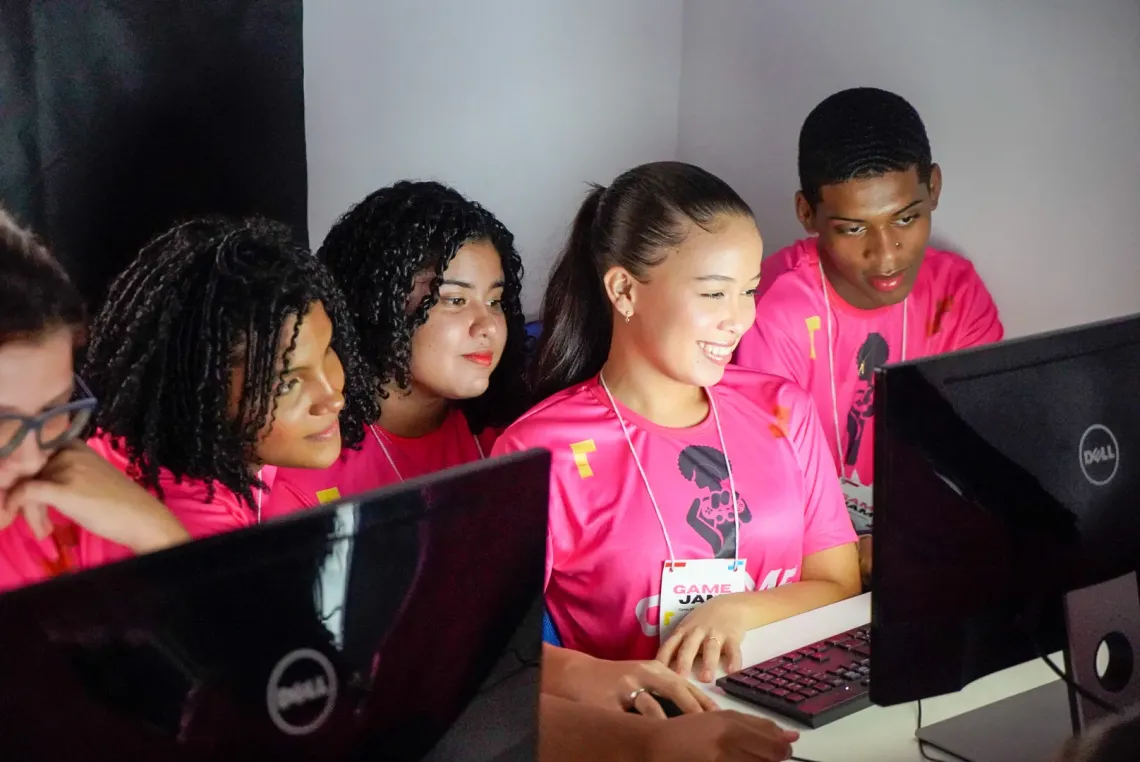
Across these diverse contexts, GCC is building on partnerships with educational institutions and government systems to support STEAM learning through innovative learning approaches, such as in-person and online game jams.
Together with like-minded partners the Global Video Games Coalition and Bitget, GCC will continue to support girls and young people to participate meaningfully in shaping the digital world by building the confidence, creativity, leadership and skills needed to create, influence and lead the technologies that are transforming their lives and societies.
GCC is one part of UNICEF's broader effort to make gaming a force for good. Around the world, we are bringing together industry leaders, researchers and innovators to unlock gaming's positive power, with children's rights, wellbeing and inclusion at the centre.