Advancing Sanitation in Cold Climates through Innovation
Helping improve safe sanitation in subzero temperatures through innovative containerised wastewater systems.
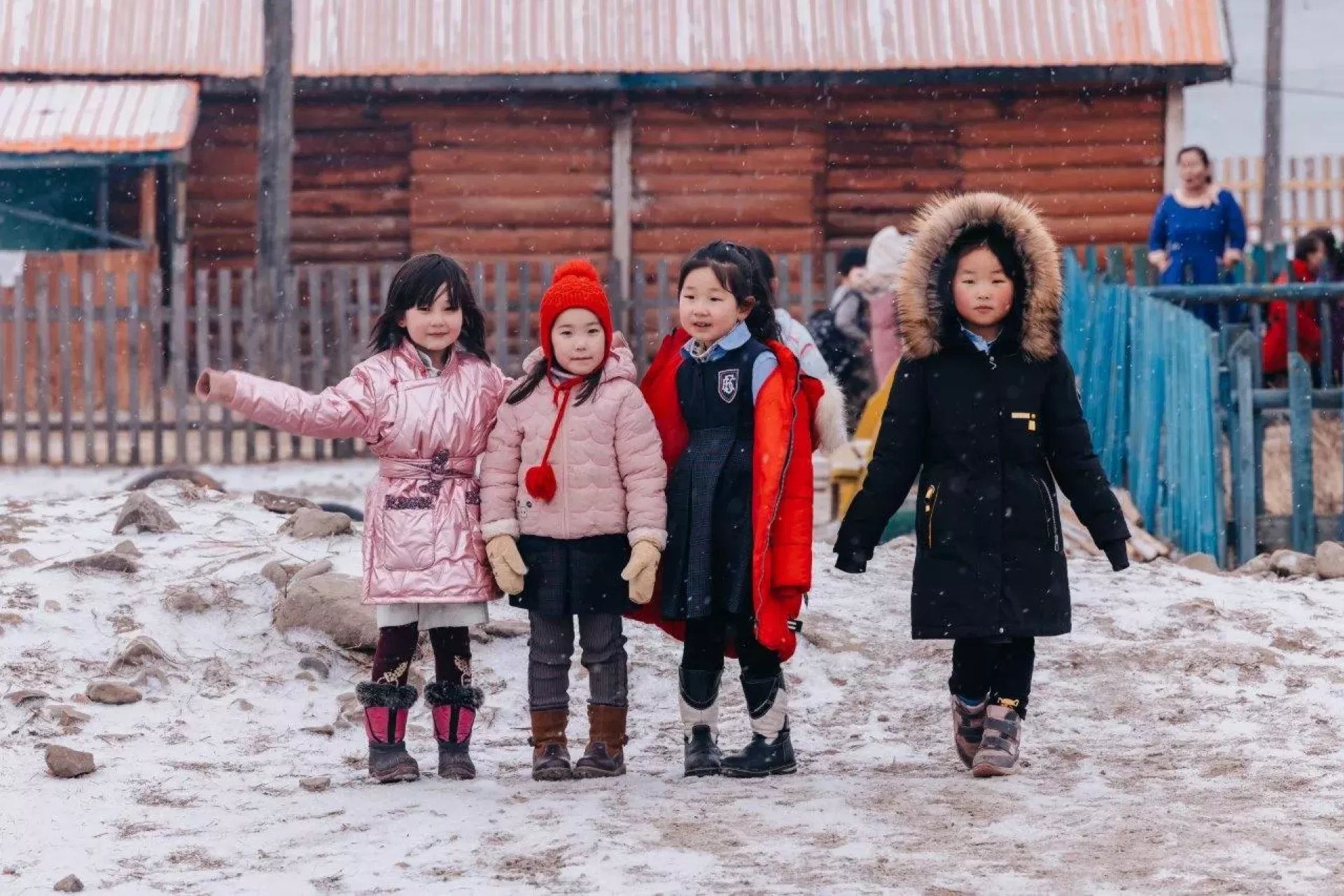
For people living in regions where temperatures plummet to below zero degrees Celsius for significant parts of the year, effective sanitation is a constant struggle. Pipes and filters can freeze, facilities break down, and thawing leads to pollution. Even construction is difficult when soil is frozen.
In low- and middle-income countries these challenges are intensified by remoteness, poor infrastructure, high costs, and environmental vulnerability. These conditions are further exacerbated in areas affected by conflict and climate change.
This challenge is stark in both remote, low-income regions and conflict-affected contexts alike. In Mongolia, for example, just 42 per cent of the population has access to improved sanitation facilities, with significant risks to children’s health and education. In Ukraine, war has devastated sanitation systems, which are strained further through the cold winter months.
This critical gap in suitable, cost-effective sanitation solutions for cold regions has long been neglected, as the complexities and increased expenses make conventional approaches unaffordable for many affected communities.
The innovation: containerised wastewater treatment systems for cold climates
In response to this urgent need, the UNICEF Mongolia country office, with support from the UNICEF Sustainable WASH Innovation Hub, launched a pioneering pilot: insulated containerised wastewater treatment systems specifically designed for these extreme climates.
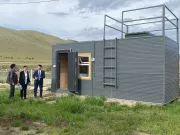
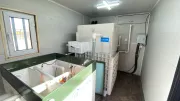
This innovative system, built within the region and adapted specifically for Mongolia’s cold climates, helps treat wastewater through a combination of biological processes within insulated containers that function even in extreme cold.
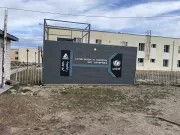
The containers, which are relatively easy to install and maintain, were positioned at one school and three health facilities enhancing access to sanitation, health and education for more than 27,000 people in Ulaanbaatar.
Treated water largely met national standards, a crucial step for public health and environmental protection, and systems successfully operated in extreme cold, including temperatures down to –30°C.
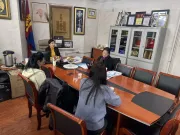
“Every January pipes used to freeze, this year no freezing occurred,” says Batchuluun Raash, a local leader, while speaking of a local health centre in Songino Khairkhan district. For staff and families, this means uninterrupted services, year-round indoor toilets, and reduced spread of communicable diseases.
The integration of solar energy into one of the sites, a school, also opened new avenues for the sanitation system to become even more sustainable.
“Every January pipes used to freeze, this year no freezing occurred.”


Catalyzing solutions in cold climate sanitation
The collaboration between the WASH Innovation Hub and the Mongolia country office shows what’s possible when catalytic support and strategic guidance are directed towards an under-resourced and under-researched area. Namely, that containersied wastewater treatment systems can offer a viable and innovative pathway to ensuring adequate sanitation in the world's coldest and most challenging environments.
Moving forward, UNICEF teams worldwide will build on the pilot’s learnings through an internal learning group, and further collaboration with key external stakeholders on cold climate sanitation is anticipated to grow through the Sustainable Sanitation Alliance (SuSanA).
Although this solution has exited the WASH Innovation Hub’s portfolio, learning can inform broader replication and resource mobilization efforts globally – for example, as part of reconstruction efforts in Ukraine. By embracing proven solutions and continuously refining technology through rigorous testing and strong partnerships, UNICEF is committed to ensuring that every child, regardless of where they live, has access to safe, sustainable, and climate-resilient WASH services.
About the Sustainable WASH Innovation Hub
The UNICEF Sustainable WASH Innovation Hub is dedicated to accelerating the scaling of transformative and climate-resilient WASH solutions for children and their families globally. To achieve this ambitious goal, collaboration is key.
Sign up to our mailing list for opportunities to learn more about WASH innovation and get involved.