Progress in Papua: Fulfilling the right of every child to an identity from day one
Health service providers and civil registration collaborate to guarantee access to birth certificates
- English
- Bahasa Indonesia
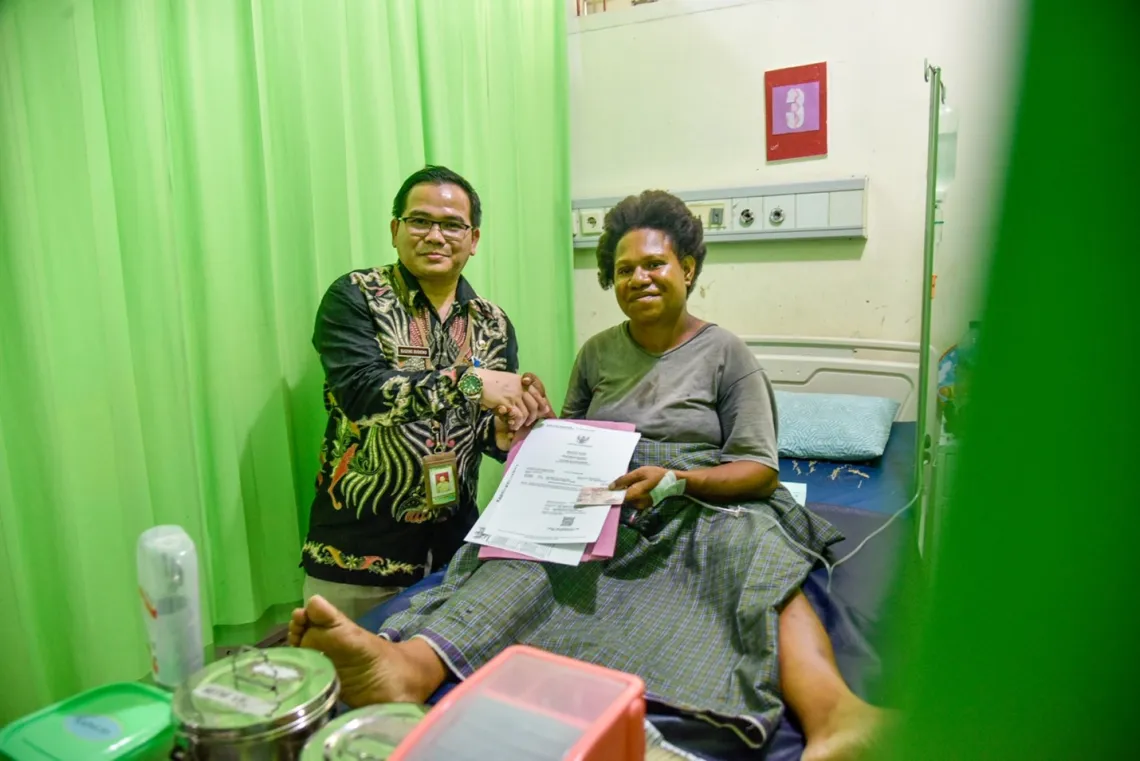
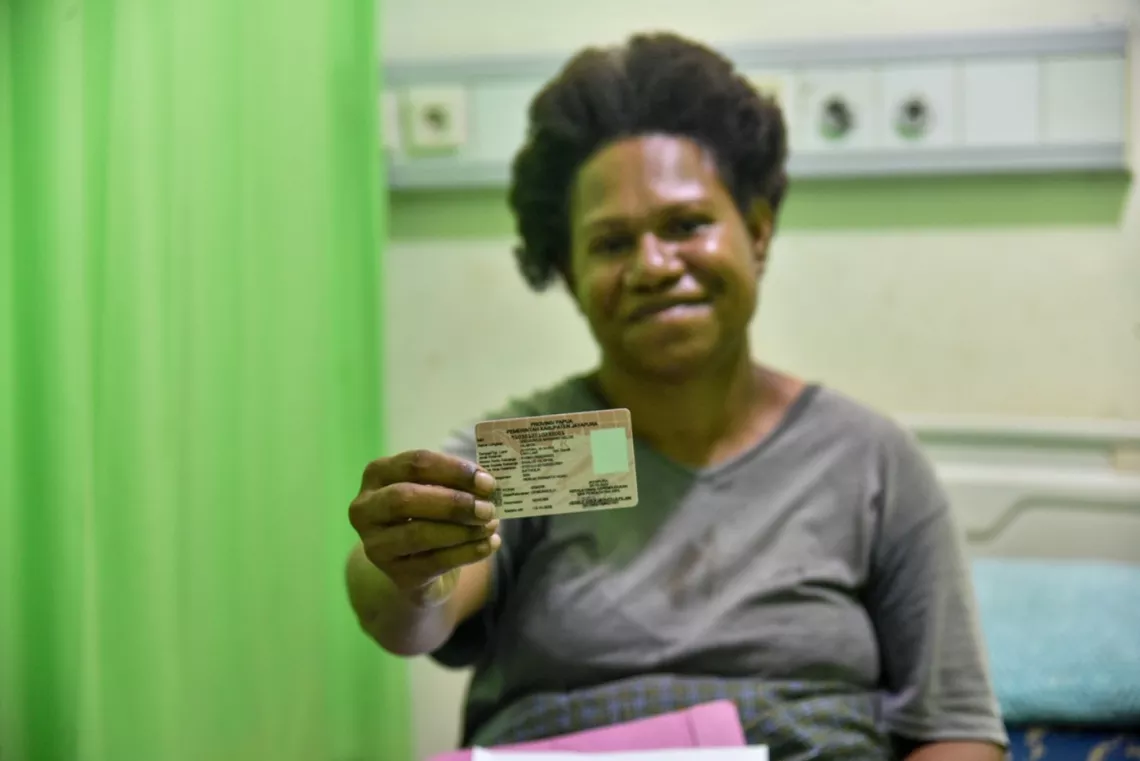
After giving birth at the Yowari Hospital in Jayapura, Papua, Cremilda Kwanimba grappled with physical discomfort. This gave way to joy when she was handed the birth certificate of her newborn son, Gregorius.
“I felt a tremendous sense of relief,” she says while wiping happy tears. "I gave birth at five o’clock this morning, and just five hours later, I had my child's birth certificate in hand, and there were no associated costs whatsoever."
Since Cremilda and her husband Paul's union in 2007, they vowed to protect their children's fundamental rights, including getting a birth certificate. But their two older children grew up without one. Cremilda struggled to prioritize obtaining the certificate while single-handedly caring for all her children at home. Paul, the family's breadwinner, faced difficulties taking time off work due to the civil registration agency office's distant location, which operated exclusively on weekdays.
The couple is not alone in this predicament. According to the 2022 National Socio-Economic Survey (SUSENAS) data, the coverage of birth certificates in Papua Province for children under 18 years is 86 per cent, and for those aged between zero and four years, it plummets to 50.26 per cent. These coverage rates are significantly lower when compared to the national averages of 92 percent and 81 percent, respectively.
According to UNICEF's 2019 bottleneck analysis on birth registration, the primary obstacles in Papua include cultural and social challenges, geographical barriers – where the birth certificate is free, but travel costs are expensive – and a lack of awareness about the importance of birth registration and the registration process.
"People from remote areas must travel significant distances to obtain birth certificates for their children, incurring substantial expenses,” says the Head of the Civil Registry Service Office Jayapura, Herald J. Berhitu. “This is not to mention the additional cost and inconvenience if they must stay overnight due to delays in processing the certificate, for various reasons."
In response to these challenges, UNICEF and partners in partnership with the Ministry of National Development Planning (Bappenas) and the Ministry of Home Affairs’ Strengthening the Civil Registration and Vital Statistics (CRVS) programme in Papua since 2021. The initiative aims to support the national government’s target of attaining 100 per cent coverage by 2024, in alignment with the Presidential Decree 62 of 2019 on the National Strategy for Accelerating Population Administration for Vital Statistics Development and the national target established in the National Medium-Term Development Plan 2020-2024.
The CRVS programme assists provincial and district governments in Papua and targeted districts to execute the CRVS National Strategy. It supports relevant stakeholders and governments to craft innovative civil registration models that are tailored to the Papuan context, using information technology. The programme also improves knowledge and awareness about civil registration and vital statistics among community members and in public places such as early childhood centers and hospitals.
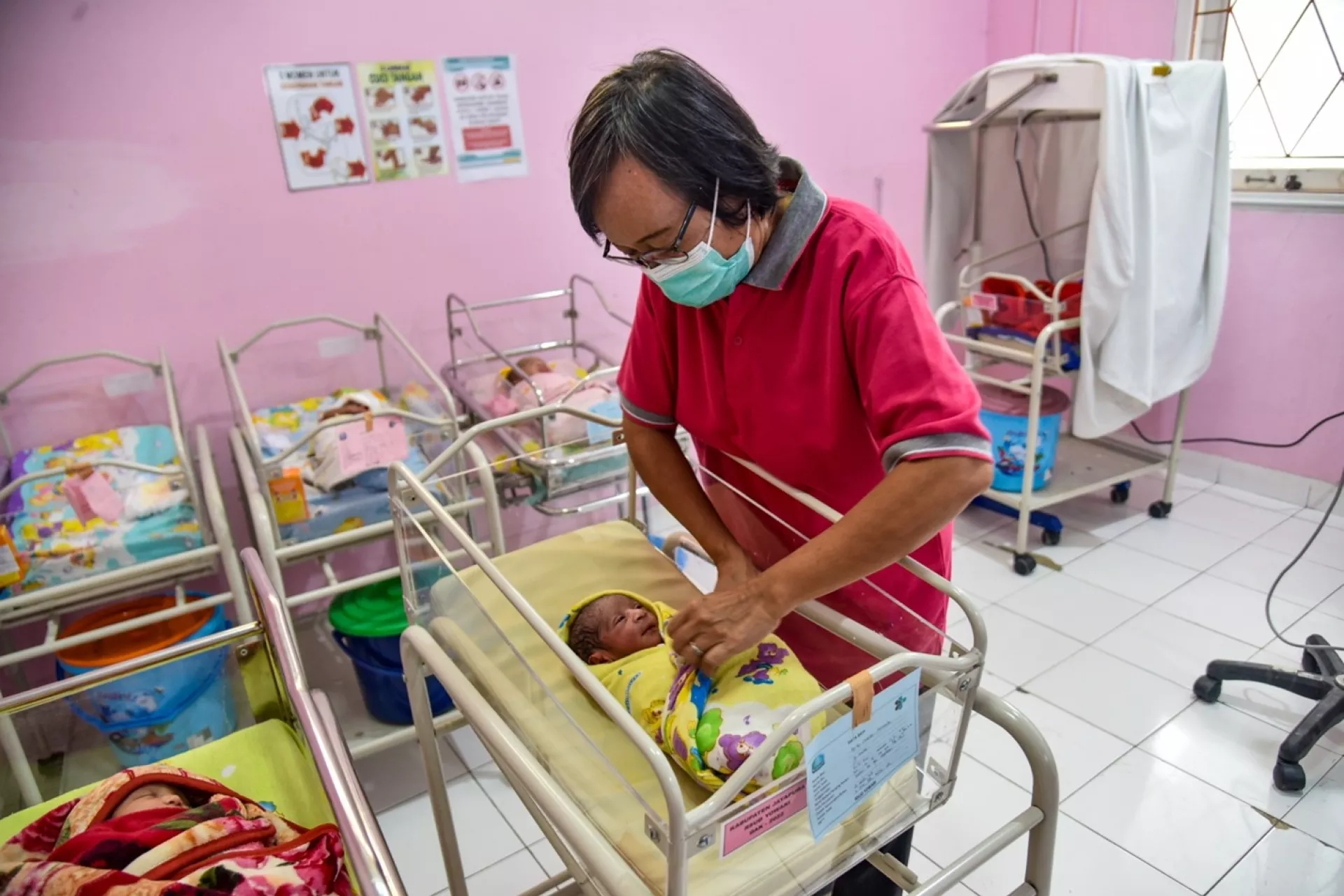
In March 2022, Yowari Hospital, where Cremilda gave birth, signed a Memorandum of Understanding with the Civil Registry Office in Jayapura District to ensure the processing of birth certificates for every child born at the hospital. As a result, the hospital has set up the Sistem Terintegrasi Pelayanan Adminduk dengan Rumah Sakit (SITANDUK RUSA) platform, an online system that seamlessly integrates population administration services with hospital records.
Since the signing of the MoU, the District Civil Registration Agency Office has issued 122 birth certificates (up to October 24, 2023) for newborns at the hospital.
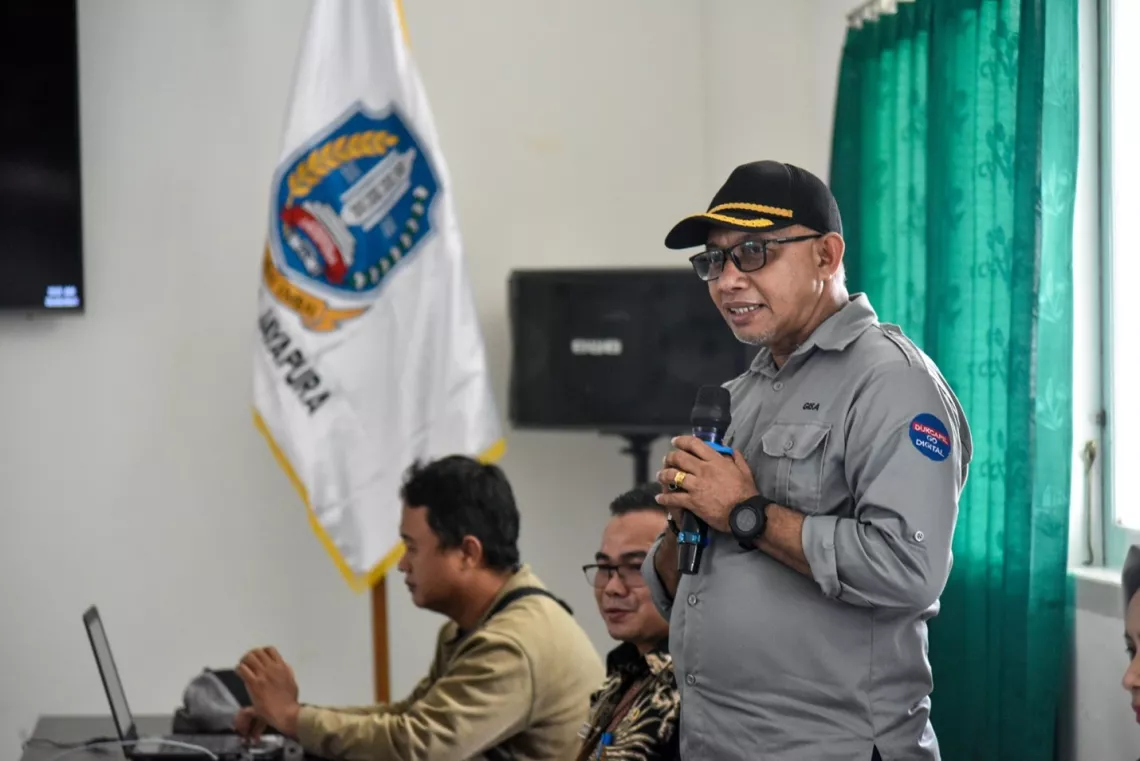
"Learning from the past, we have now implemented a policy to ensure that the entire birth certificate process is completed within one day," says Herald. "We have also established dedicated counters for the elderly, pregnant women and individuals with disabilities to access our services. We also go the extra mile by reaching out to remote villages to ensure that every child obtains their rightful birth certificate."
Since the new civil registration measures and policies have been implemented in Jayapura District, there has been a notable increase in birth registration coverage. The percentage surged from 85.27 per cent in 2021 to 96.19 per cent in 2022, as reported by the Population Administration Information System (SIAK). Expanding the issuance of birth certificates enhances access to essential services. For instance, it facilitates the timely dissemination of information on when a child should receive immunizations, contributing to a more precise identification of immunization targets.
Cremilda finds solace in knowing that that her two other children, who are gearing up for their early childhood education, can also obtain their birth certificates and secure their rights.
"To me, a birth certificate is more than just a citizen's recognition, it serves as a gateway to broader entitlements like education, healthcare and other rights that every one of my children deserves" said Cremilda with conviction.
UNICEF Indonesia is grateful for the support received from the Government of Canada.