Building Better Foundations for Young Learners in West Papua
Tackling barriers to improve early childhood education
- English
- Bahasa Indonesia
On a windy afternoon in Pegunungan Arfak district, West Papua province, five-year-old Gracia waits by the roadside, her school bag resting near her feet, where a cat twirls playfully. From across the street, her teacher Bertha calls out, “Gracia, be careful when you cross the road!”
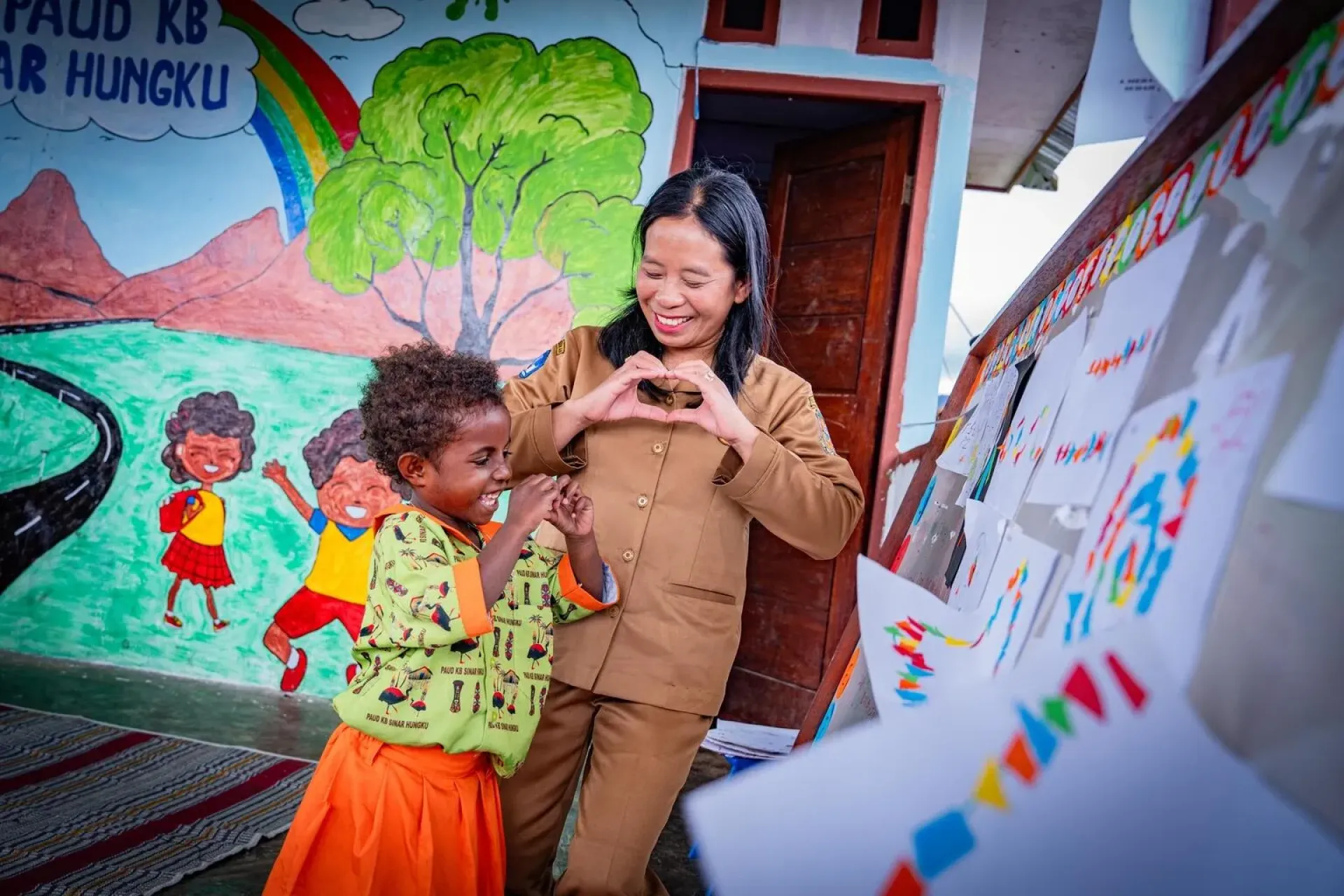
Inside the Sinar Hungku Early Childhood Development (ECD) Centre, laughter fills the air. One by one, the children line up and greet Bertha with hi-fives and giggles – a ritual that marks the start of learning at the centre.
“A good day is when I arrive at school and the children greet me with smiles and warm hellos,” Bertha shares, embracing the children as the cool breeze sweeps through. “It becomes a source of motivation for me, to be more enthusiastic in delivering lessons and organizing activities.”
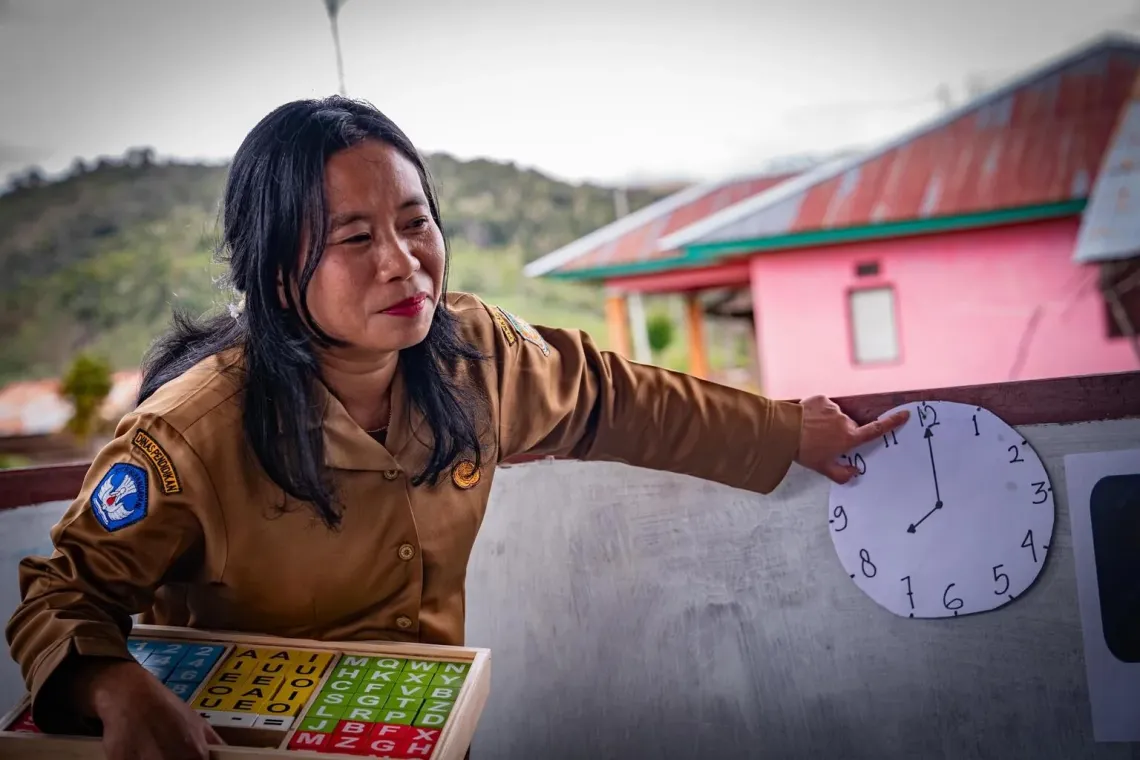
While the scene is lively today, the school is not always bustling with activity. Attendance fluctuates and sometimes dips significantly. Classrooms are often left empty due to harsh weather, children needing to join their parents in the fields to work, and absent teachers.
“There are not many teachers, and when they face obstacles or family matters, there’s no one else available to step in and take their place,” Bertha explains, her eyes reflecting deep concern.
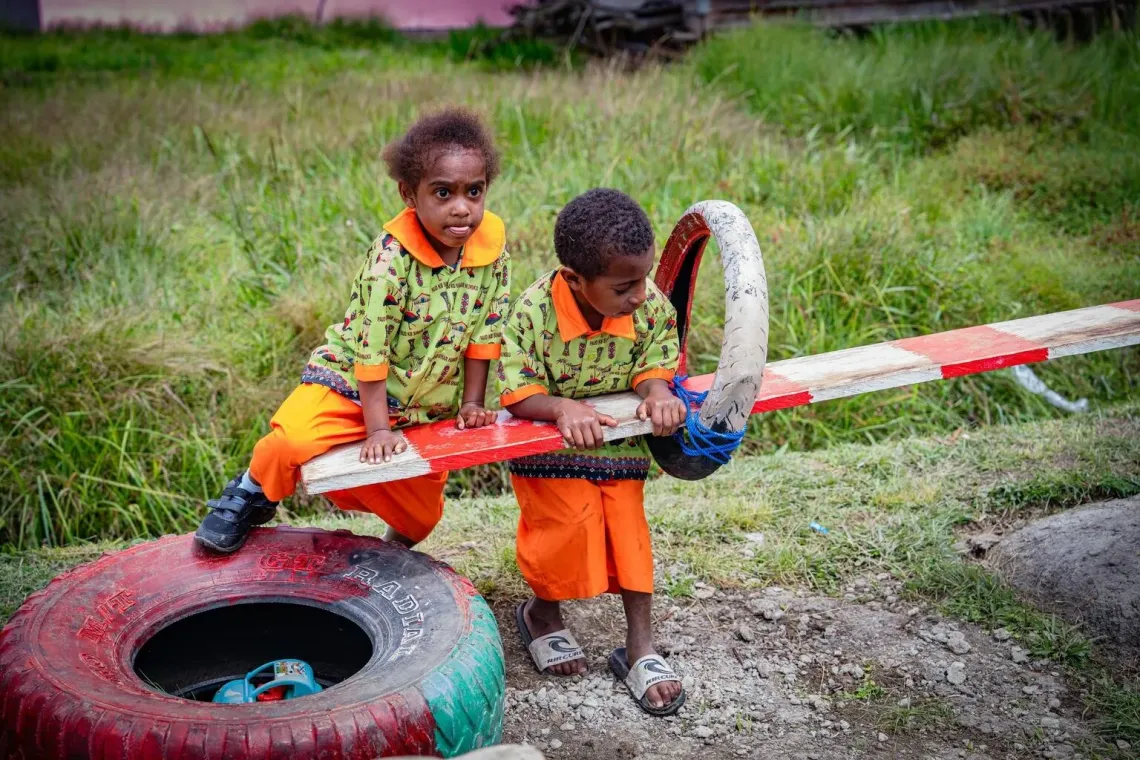
As of 2024, only three of every five ECD centres in Pegunungan Arfak operate consistently throughout the school year. Many have intermittent closures due to staffing shortages or weather disruptions. Other schools throughout West Papua face similar challenges.
Teacher capacity is a major concern – most educators lack formal training in early childhood pedagogy, making it difficult to deliver effective, interactive lessons. Student participation has declined over the years. There is also a lack of assessment tools to evaluate learning outcomes for children with disabilities.
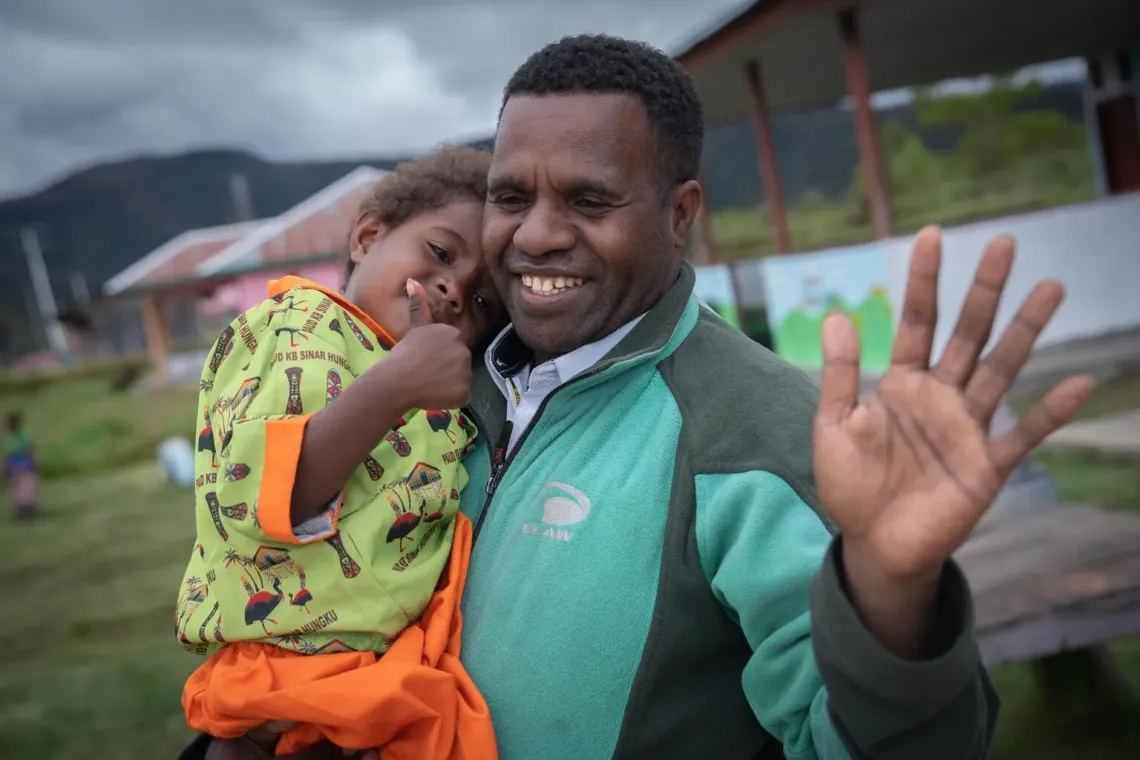
This uncertainty – never knowing when schools may reopen – leaves parents anxious. Yet, even as their hopes for their children’s future hang in the balance, many remain invested. “My hope is for my children to have a future that’s brighter [than mine],” says David, Gracia’s father, who continues to believe strongly in the value of education.
The stakes are high. Without access to quality, equitable and inclusive education, children miss out on developing their foundational skills, including basic literacy and numeracy. The consequences are long-term: limiting children’s learning and development, diminishing their opportunities for a better future.
To respond to these challenges, UNICEF, in collaboration with the Government of Australia, have partnered with local authorities since 2024 to improve learning in ECD centres across Pegunungan Arfak through the Early Grade Learning programme.
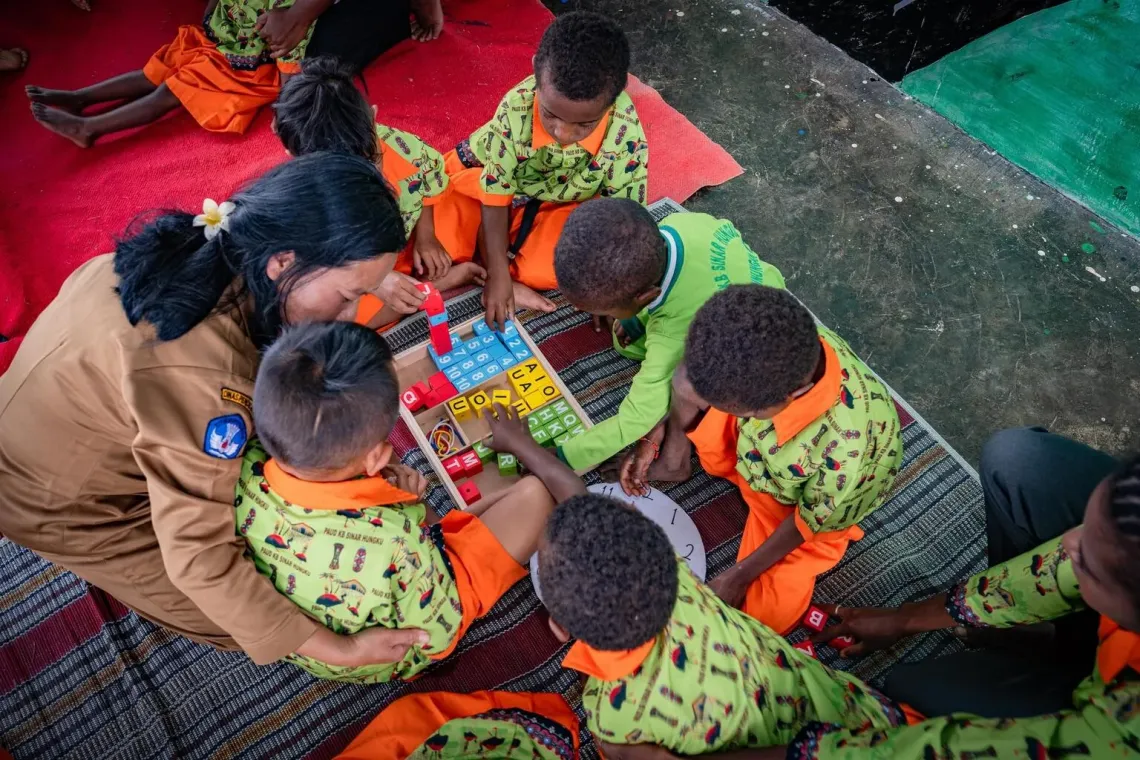
Efforts focus on building the capacity of teachers in play-based and interactive learning, providing culturally relevant local learning materials, and improving knowledge exchange between teachers in ECD centres and primary schools to help ensure a smoother transition from for students. The programme also empowers parents with skills and knowledge on positive parenting.
These joint efforts are making a difference. Teachers report greater confidence in using interactive methods and locally available materials to make lessons more engaging for their students. ECD centres that once struggled with irregular attendance are seeing more consistent participation, thanks to improved classroom practices and stronger support from parents. Parents are expressing a better understanding of the importance of early learning, nutrition and hygiene at home.
Local education officials are considering expansion of the approach to more centres across the regency. The district has begun mobilizing resources to strengthen ECD services, including monitoring teacher attendance and encouraging greater parental involvement, while addressing gaps in teacher capacity and learning materials.
“We will ensure that more training will be implemented and reach more teachers, so that every child in Pegunungan Arfak can experience quality early learning,” says the Head of the Early Childhood Education Section of the District Education Office.
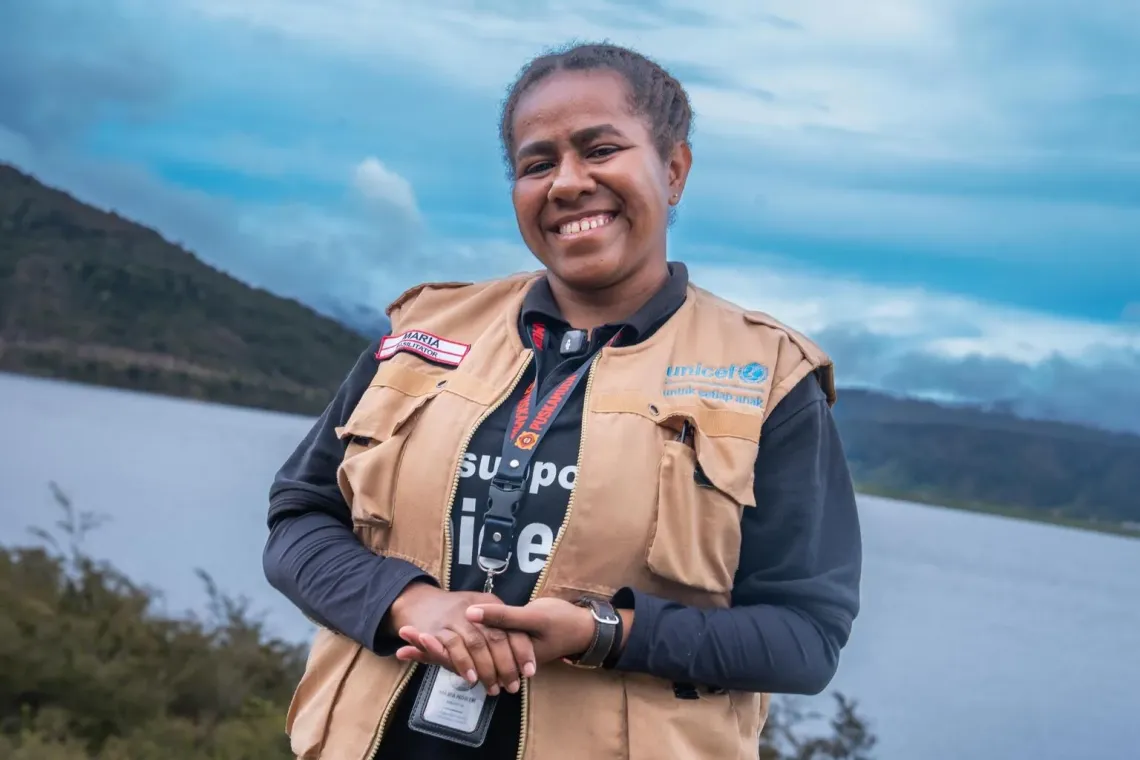
Among those driving change are teacher facilitators who support both ECD and primary schools. They are helping strengthen teaching skills across subjects through creative and engaging methods.
“Teachers didn’t know there should be a standard operating procedure (SOP) before starting classroom activities,” explains Maria, a facilitator based in the area. “Before, the teachers would simply prepare the students (pick them up at home to help ensure they get to school) and greet them upon entering the classroom.”
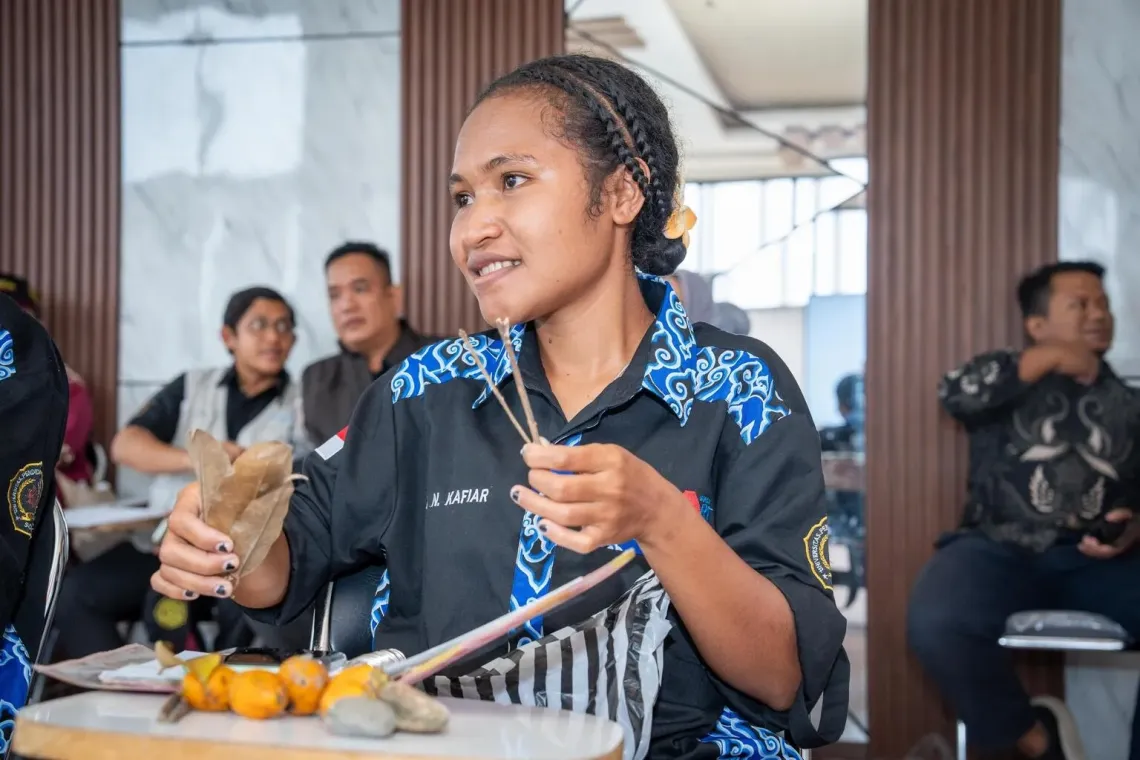
Maria introduced teachers to new routines to start the day and shared practical techniques using simple, locally sourced materials. “We don’t always have to use numbers written on the board. Sometimes we can use stones, leaves, and other everyday objects to help early childhood students learn to count more easily,” she says.
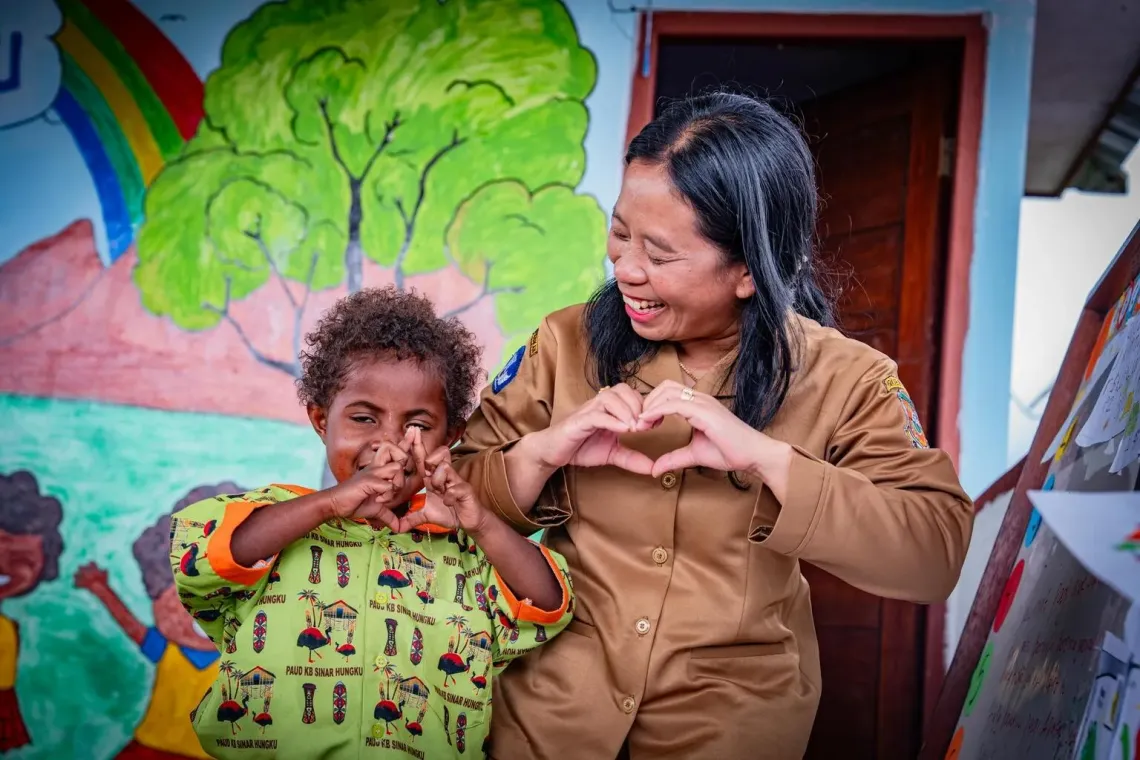
For Bertha, all these efforts – from her own role as a teacher to the work of facilitators and partners – are part of a larger vision. “Early childhood education is very important. As mothers, we hope that these children receive their full rights as children, and that in 20 or 25 years, they will become a generation of remarkable individuals who return to develop the Arfak Mountains, especially our village,” she says.