#CegahObatiWasting (#PreventTreatWasting)
A Guideline on Wasting, One of the Forms of Childhood Malnutrition
- English
- Bahasa Indonesia
What is Wasting & How to Identify Signs of Wasting
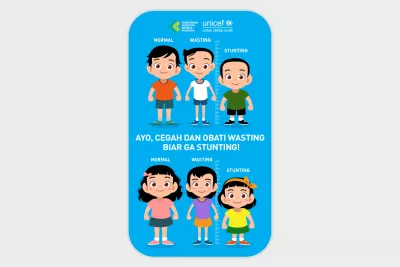
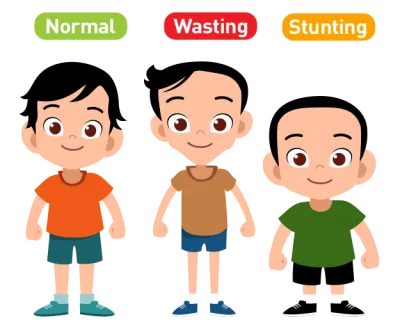
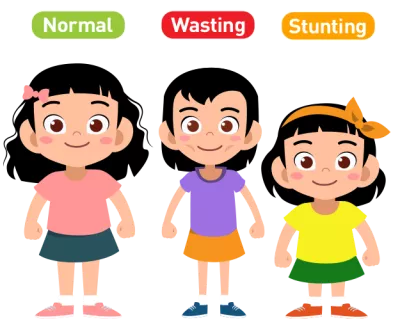
Wasted children have low weight for height and/or small mid-upper arm circumference (MUAC).
Boys
Girls
Signs of Wasted Children
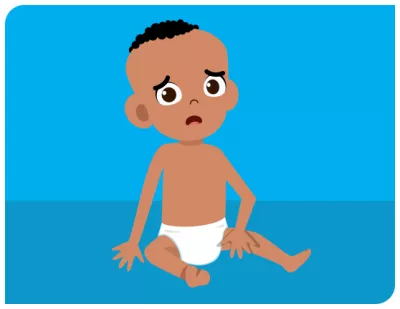
Appears very thin
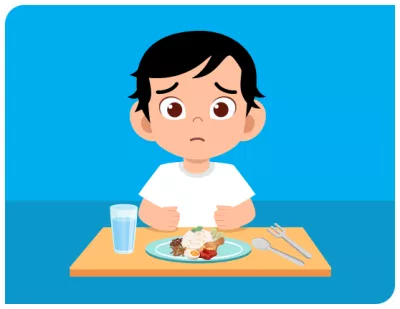
Loss of appetite or refusing to be breastfed
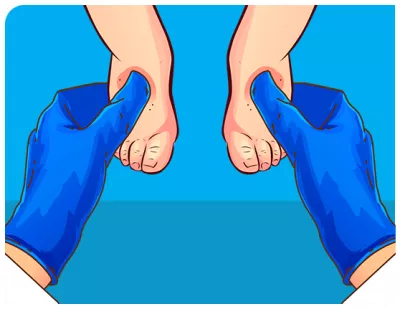
Swelling in both feet

Appears severely sick or too weak to breastfeed
Effects of Wasting

Low immunity
Children get sick easily due to infections
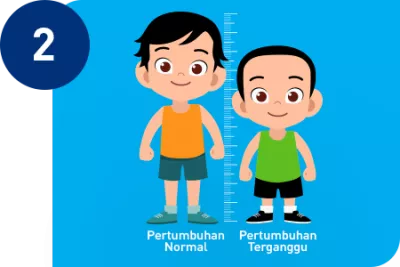
Hindered physical development
Wasted children are 3x more at risk to be stunted
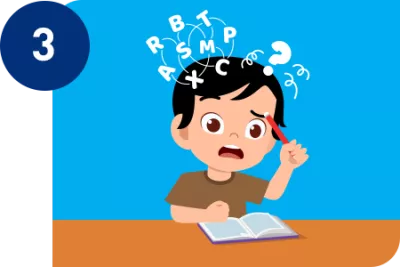
Impaired cognitive development
Affecting learning abilities and productivity as an adult
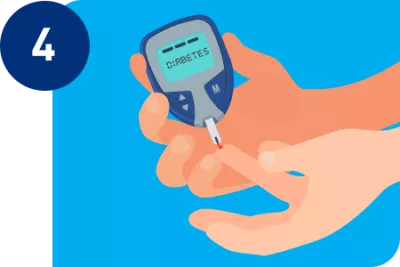
At risk of developing non-communicable diseases as an adult
Including diabetes and heart diseases

Life-threatening
The mortality risk of wasted children is 12 times higher
Factors that Contribute to Wasting

Non-exclusive breastfeeding
Infants up to six months old should be exclusively breastfed, which means they receive just breastmilk and no other liquids or solids, including water

Inadequate complementary feeding
After six months, infants may not receive adequate, nutritious complementary feeding in quantity and frequency

Frequent illness when under five years
Children under five may be infected with diarrhoea, respiratory infections, cough, common cold, shortness of breath, worm infections, and other infectious diseases

Incomplete vaccination
Children may not receive vaccination at the appropriate age as recommended by healthcare providers

Untreated illnesses
When sick, children may not be taken immediately for treatment at a clinic or to consult with a health worker

Challenging hygiene and healthy habits
Hygiene and healthy habits are not adhered to by family members, including children, e.g. handwashing with soap and water, stop practicing open defecation

Poor sanitation at home
Home has poor sanitation quality with contamination sources such as faeces from livestock or other animals, or from improperly disposed wastes
For Wasting Risk Factors to be Mitigated,

Exclusive breastfeeding from 0 to 6 months old. Breastfeeding is recommended to be continued until the child is 2 years old

Regular health check-ups and immediate care when sick

Age-appropriate, nutritiously balanced foods

Hygiene and healthy habits

Complete vaccination as recommended & vitamin A supplementary
Be Part of Our Campaign #CegahObatiWasting
Hi, we’re Lilo and Lila. We’re healthy and happy, because our parents know and care about preventing and treating wasting.
Come and join us in the campaign #CegahObatiWasting and create a brighter future for Indonesian children!

Jingle
Please feel free to use and share this jingle. Together, let’s raise awareness about wasting #preventwasting

Video
Events

November 2023
Campaign: Ayo, Cegah dan Obati Wasting biar Ga Stunting!
Makassar, November 2023

29-30 August 2023
Documentation: Ayo, Cegah dan Obati Wasting biar Ga Stunting!
Lombok Timur, August 2023
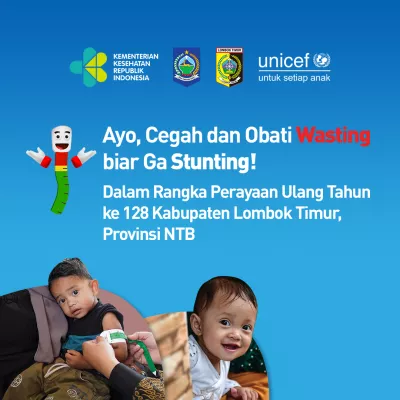
29-30 August 2023
Campaign: Ayo, Cegah dan Obati Wasting biar Ga Stunting!
Lombok Timur, August 2023