Lovenson's new lease of life
In Léogâne, mobile clinics are bringing health and nutrition services closer to families displaced by violence.

- Français
- English
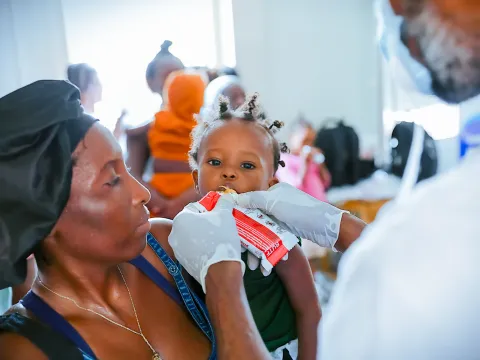
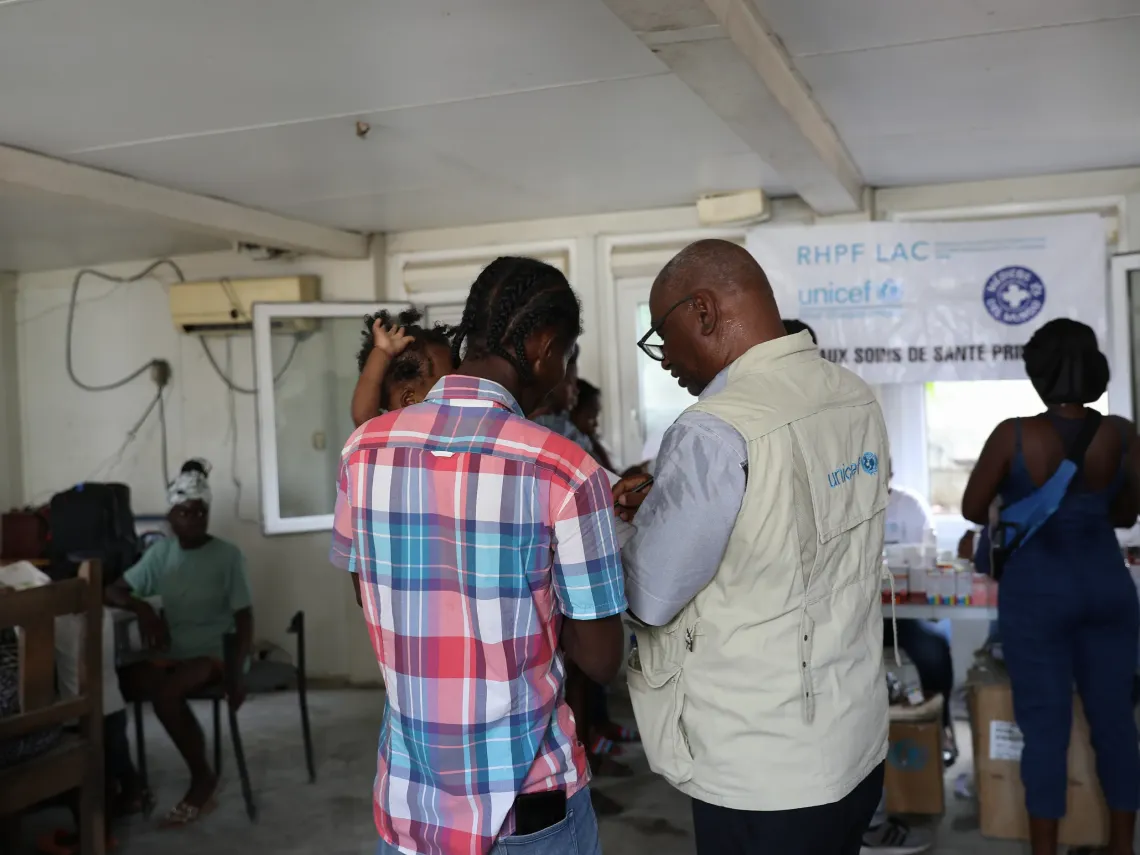
LÉOGÂNE, Haiti – At the Auditorium displacement site in Léogâne, in the West department, children's laughter mingles with the reassuring voices of the medical teams running the mobile clinic. Three days a week, the clinic receives hundreds of families who have had to leave everything behind to flee armed-group violence in the metropolitan areas. There they find essential care, vaccinations, prenatal check-ups for pregnant women and, for the youngest children, malnutrition screening, treatment where necessary, and advice for their mothers on feeding them well.
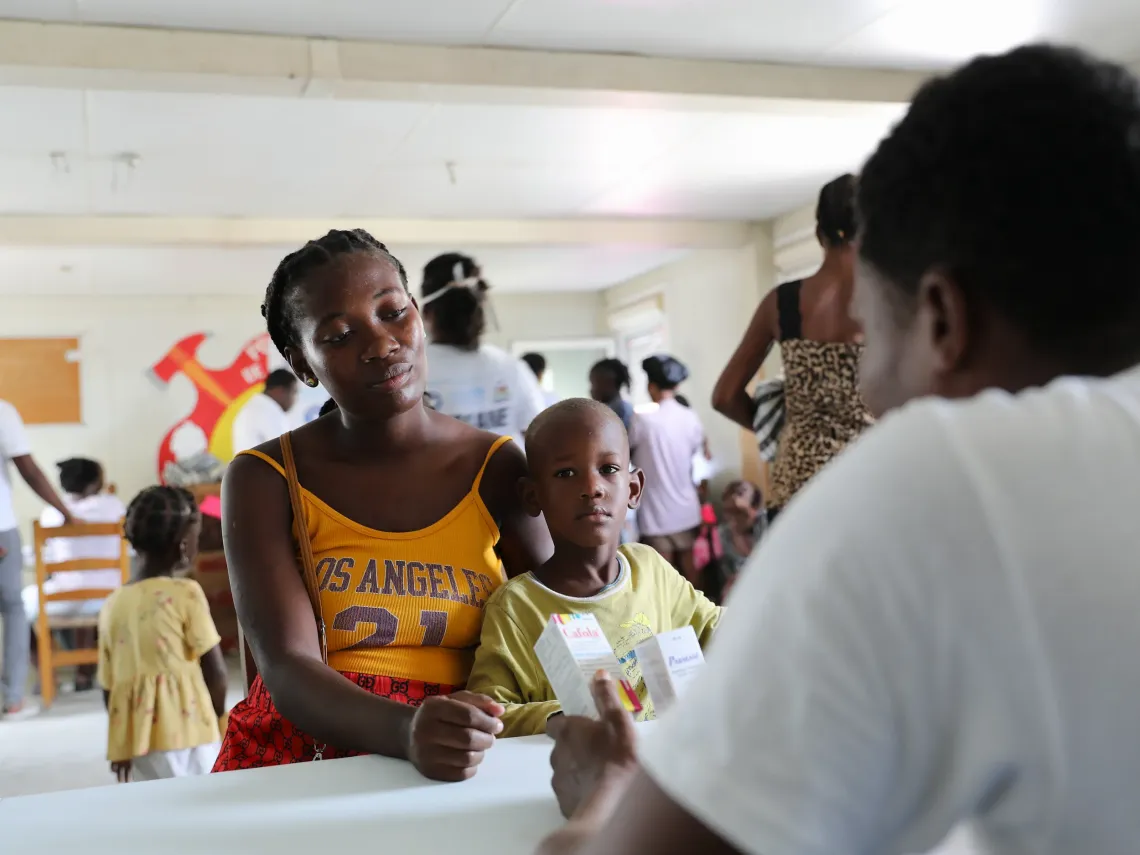
Sergeline and her five-year-old son Lovenson are among these families. Both had symptoms of respiratory infections accompanied by fever. But getting to hospital was difficult: the roads were increasingly unsafe, several nearby health centres had closed and the cost of transport had become too high.
Thanks to the mobile clinics run by the Ministry of Public Health and Population (MSPP) in partnership with UNICEF and Médecins du Monde Argentina, with the support of the Regional Humanitarian Pooled Fund for Latin America and the Caribbean (RHPF-LAC), they have been able to receive the care they need directly on site.
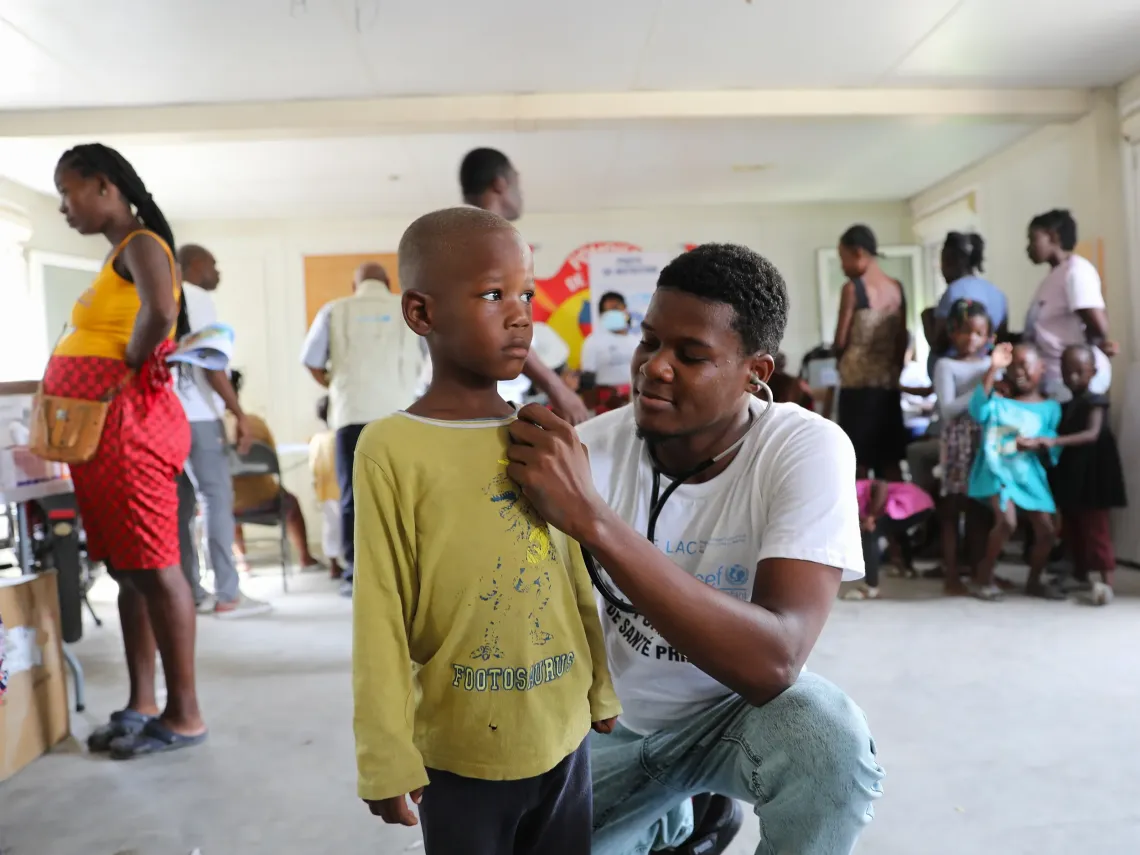
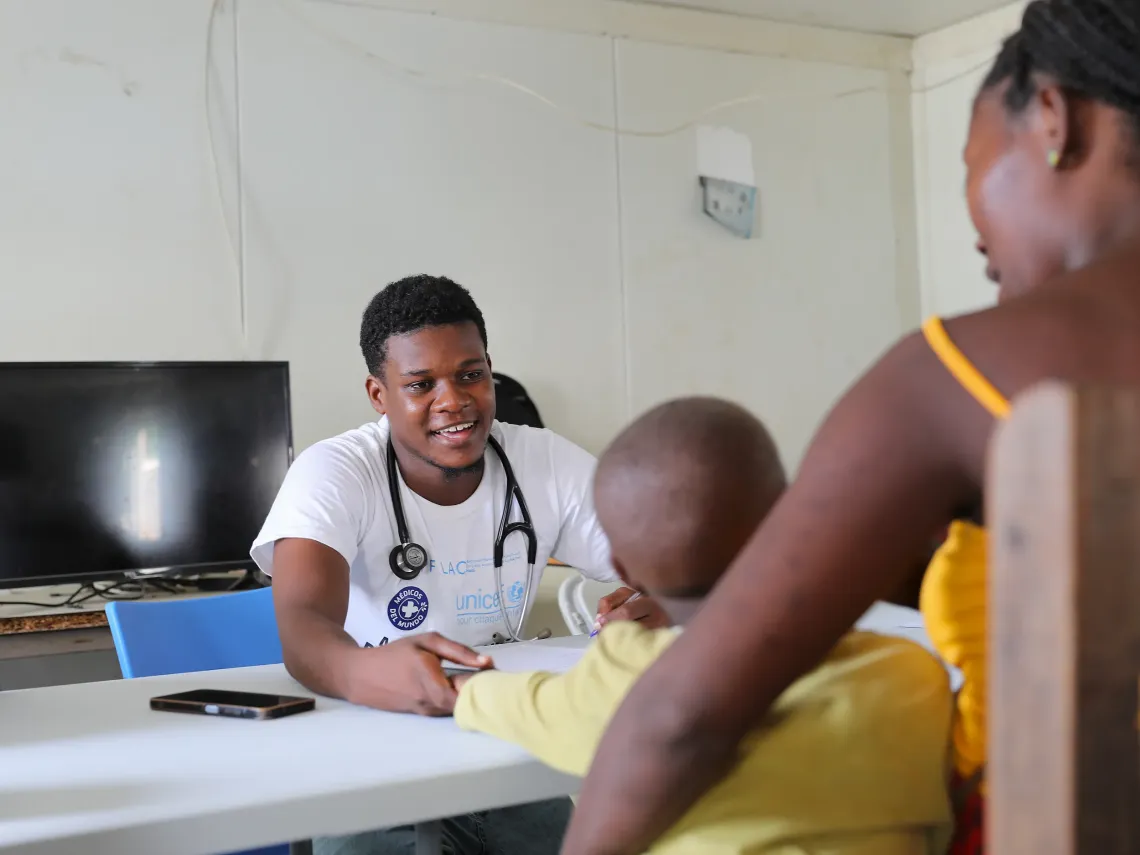
"My son was ill, and so was I. Going to hospital is becoming more and more complicated, but at the site the doctors are kind and regularly provide us with care and medicines," says Sergeline, relieved to see her son being treated by Dr Sonel, a dedicated doctor who supports displaced families at the Auditorium site.
Bringing essential care closer to the most vulnerable
With extreme insecurity making health facilities in the capital hard to reach, the UNICEF-supported mobile clinics enable displaced families to access essential health services where they are.
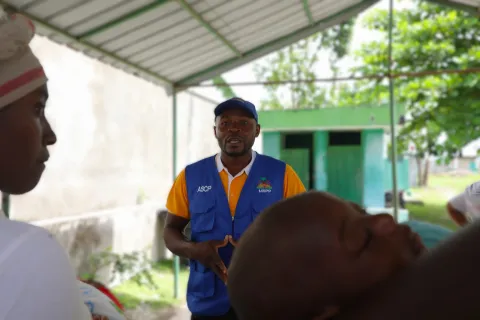
Between May and August 2026, around 3,500 medical consultations were carried out and nearly 1,000 children received their third dose of the pentavalent vaccine (Penta 3), which protects against five vaccine-preventable diseases. Around 4,000 people were also given information on good hygiene and disease prevention practices.
"When I see a little boy as brave as Lovenson, it gives me the strength to keep caring for hundreds of children like him," says Dr Sonel.
Screening for and treating malnutrition, and bringing back smiles
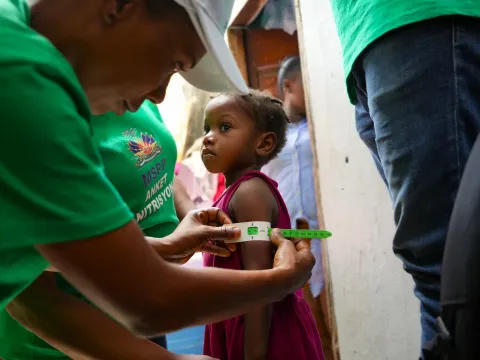
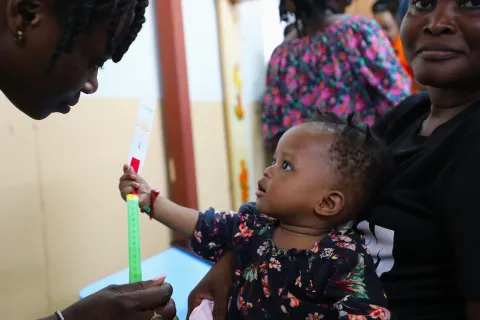
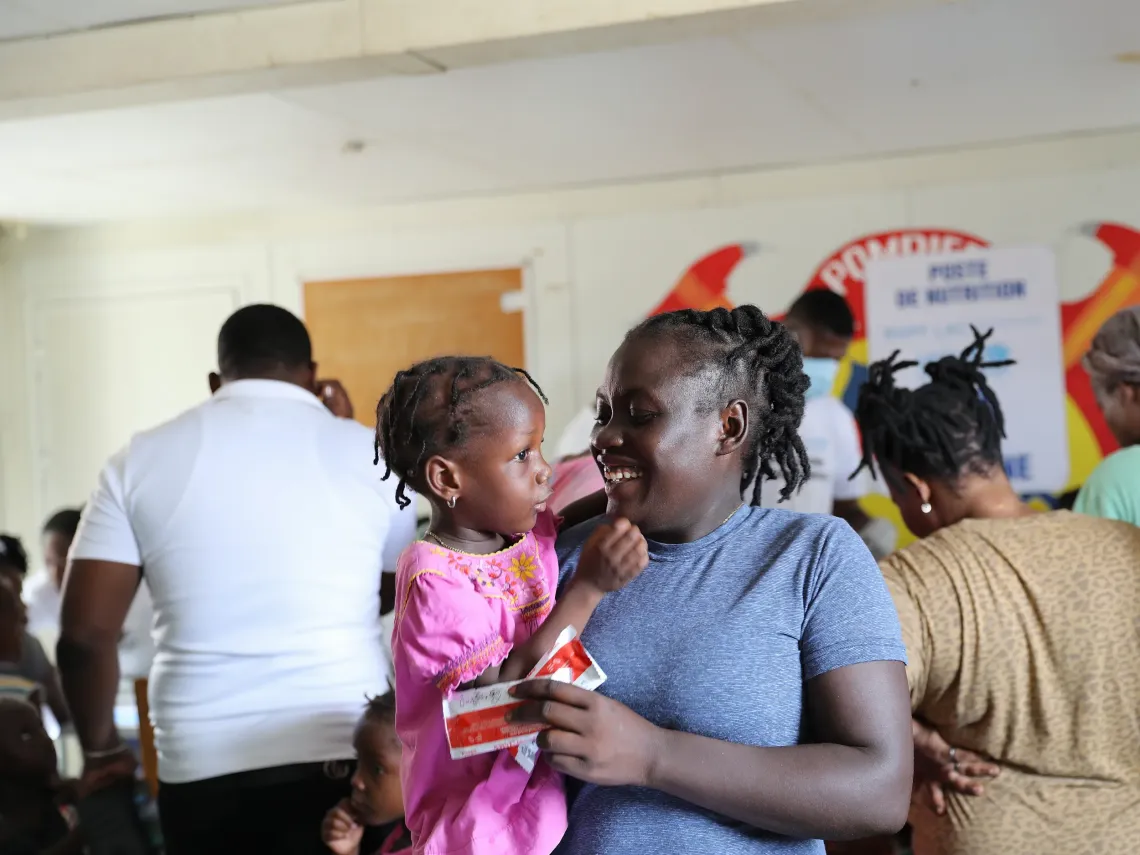
A few steps from the medical consultation area, children also undergo malnutrition screening at the nutrition station. From May to August 2026, around 3,850 children were screened, which made it possible to identify and treat 180 children suffering from acute malnutrition. More than 800 children also received antiparasitic treatment (Albendazole) to protect their health and support their growth. Among them is Rosediana, who has been receiving nutritional follow-up and care for three months.
"I'm relieved to see my daughter making progress day by day. She's putting on weight and her health is improving," says Rosena, a tender smile on her face as she holds little Rosediana in her arms.
Keeping services running despite the emergency
On the ground, UNICEF, in coordination with the Ministry of Public Health and Population (MSPP), continues its work to ensure continuity of basic healthcare and to respond to the changing nutritional needs of the most vulnerable families in the West, Centre and Artibonite departments.
Thanks to the support of the Haiti Humanitarian Fund (RHPF-LAC), these emergency interventions enable thousands of children, like Lovenson and Rosediana, to access the care they need despite the constraints of displacement and insecurity, and gradually to smile again.