Behind the Scenes of Haiti’s 2026 SMART Nutrition Survey
Despite the situation in Haiti, reliable data are essential to guide nutrition and health interventions. The 2026 SMART Survey was conducted to better address children’s needs and ensure that no child is left behind.

- Français
- English
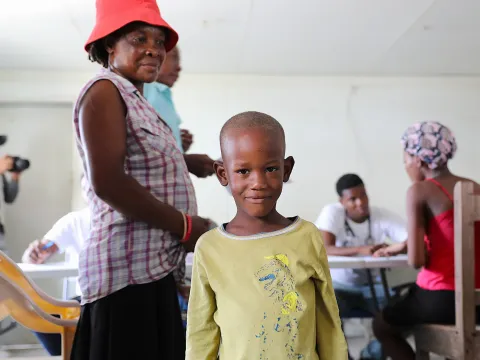
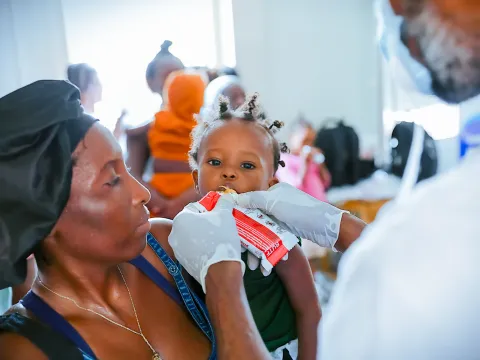
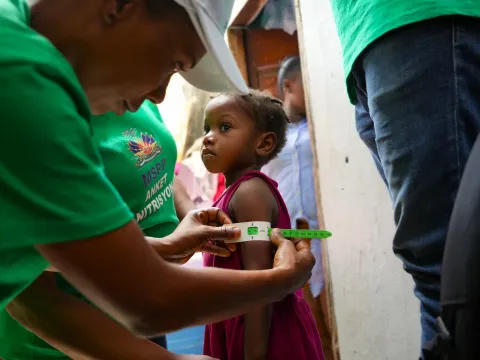
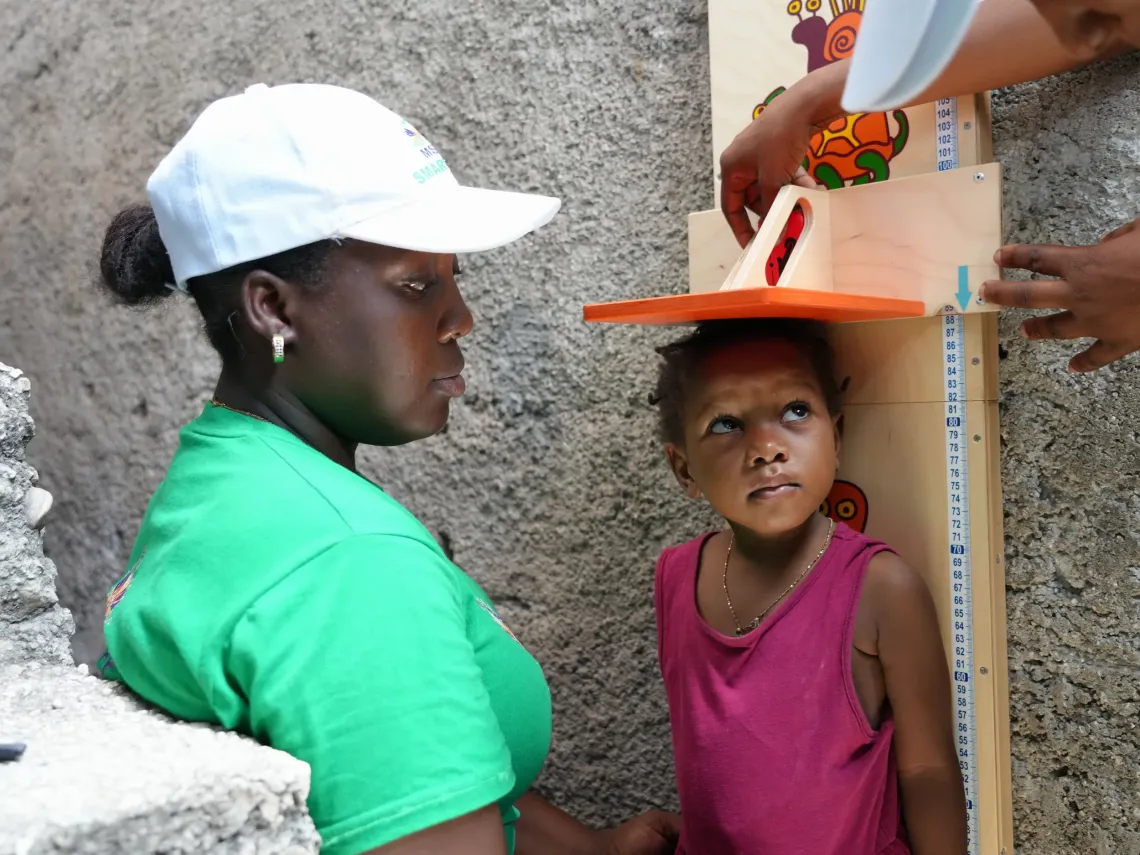
Measuring a child’s height, weight or mid-upper arm circumference takes only a few minutes. But when families across Haiti give their time, those measurements reveal a much bigger picture: where children are thriving, where nutrition risks are rising and where support is needed most. Behind every number is a family that opened its door and a survey team that made the journey to listen.
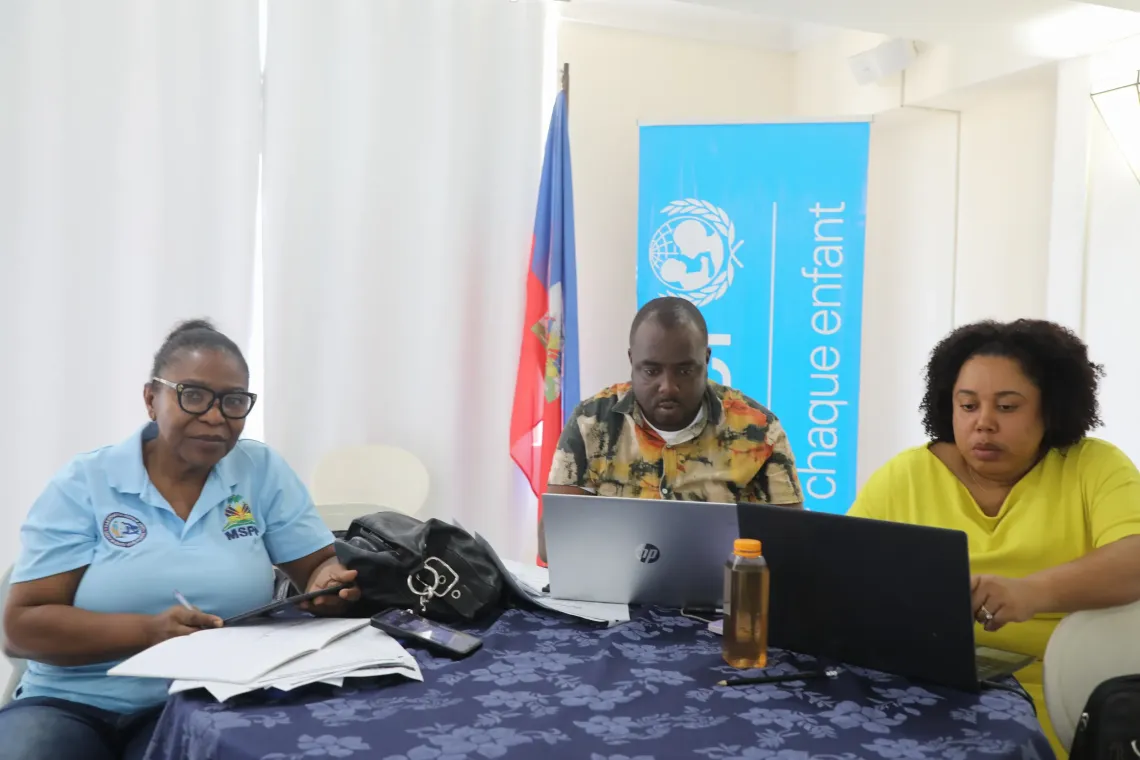
The survey began in a training room. In mid-May, a group of around ten health professionals completed specialized training in data-collection methods organized by the Ministry of Public Health and Population (MSPP), through the Coordination Unit of the National Food and Nutrition Programme (UCPNaNu), and UNICEF. As survey supervisors, they then guided teams in all ten departments, helping to build a reliable picture of the health and nutrition of children under 5 and women in Haiti.
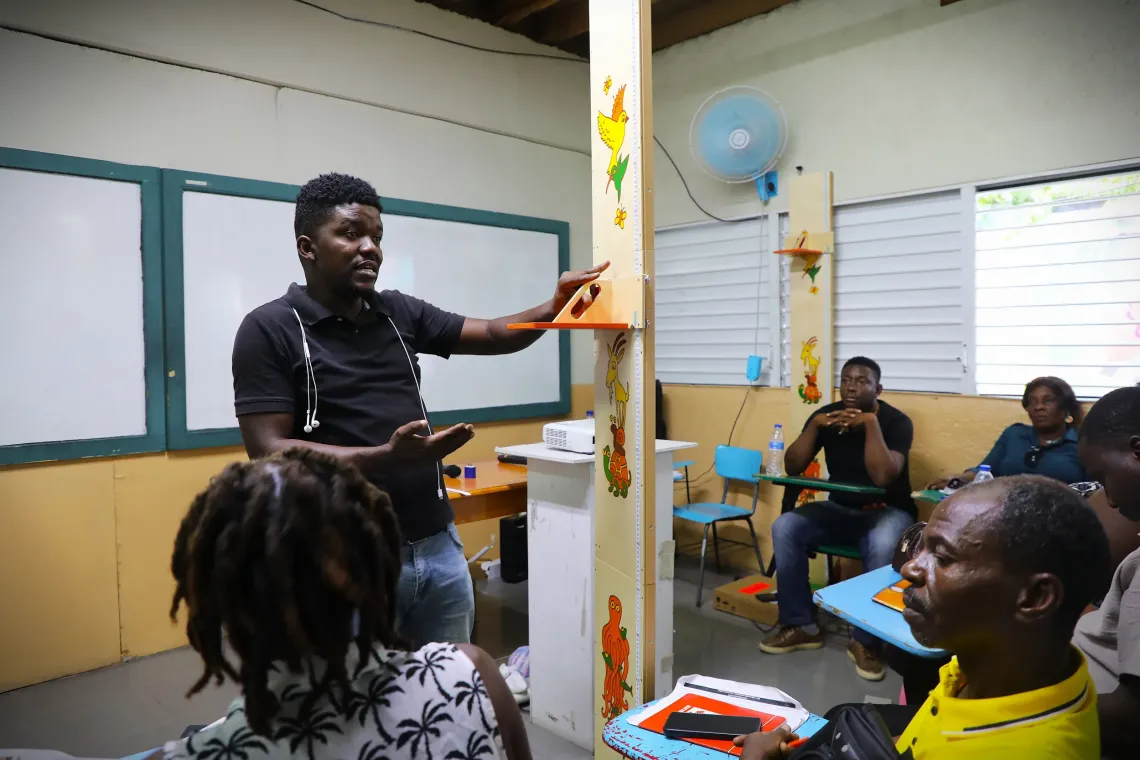
By late June, more than 500 enumerators from all ten departments had taken part in intensive training, combining classroom learning with practical workshops on measuring height and weight. Participants standardised their techniques using the SMART (Standardized Monitoring and Assessment of Relief and Transitions) methodology. Used by governments and humanitarian organizations around the world, this methodology provides a consistent way to collect reliable, comparable nutrition data to inform decision-making. With the voluntary participation of mothers and children from the community, the enumerators put these skills into practice.
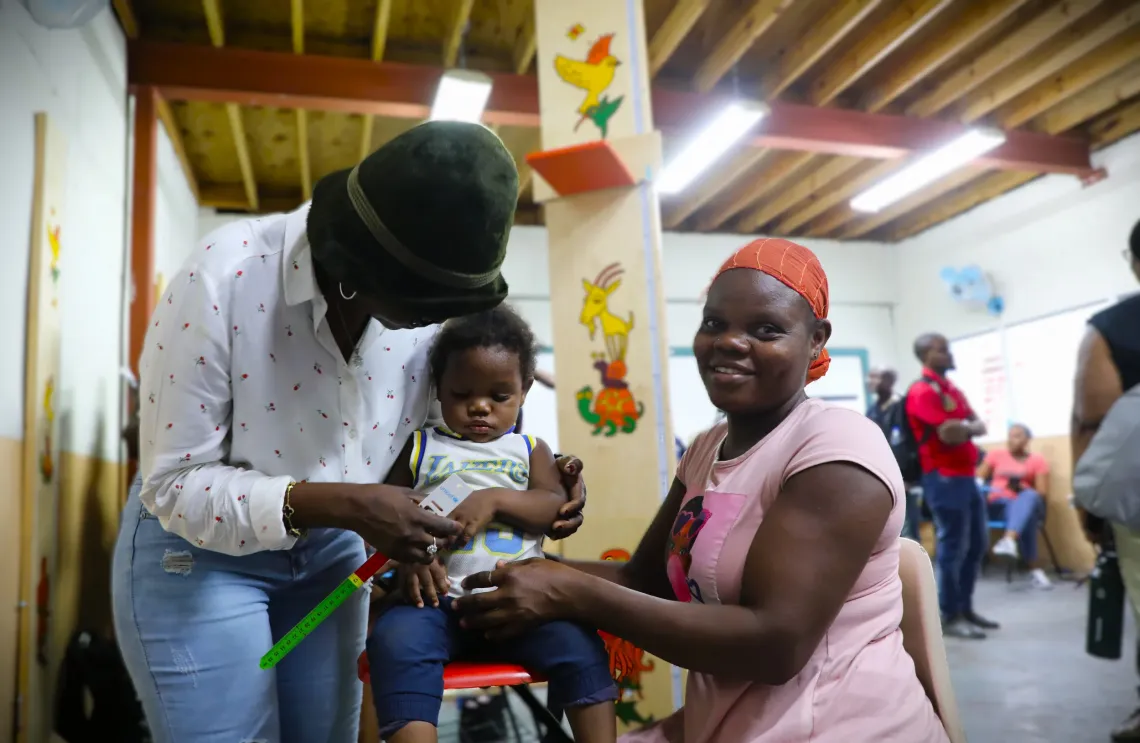
“It was much more than a training session. During the practical screening workshops, the enumerators examined my child and gave me valuable health advice,” says Bernadette, mother of Maxi, aged 1, who lives at Site Mormon, a site hosting displaced people, and took part in the sessions.
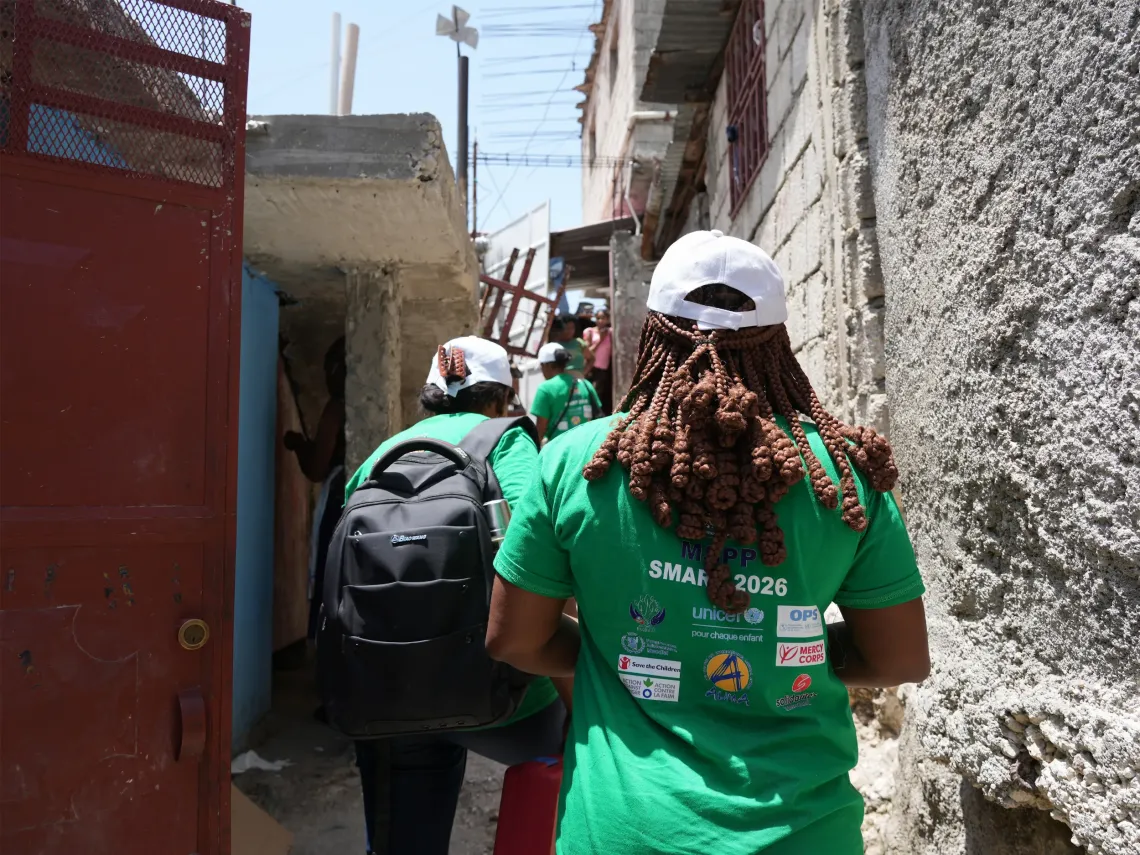
A week later, at the start of data collection, the teams set out each morning to meet households, listen to caregivers and gather the information needed to guide action for these children.
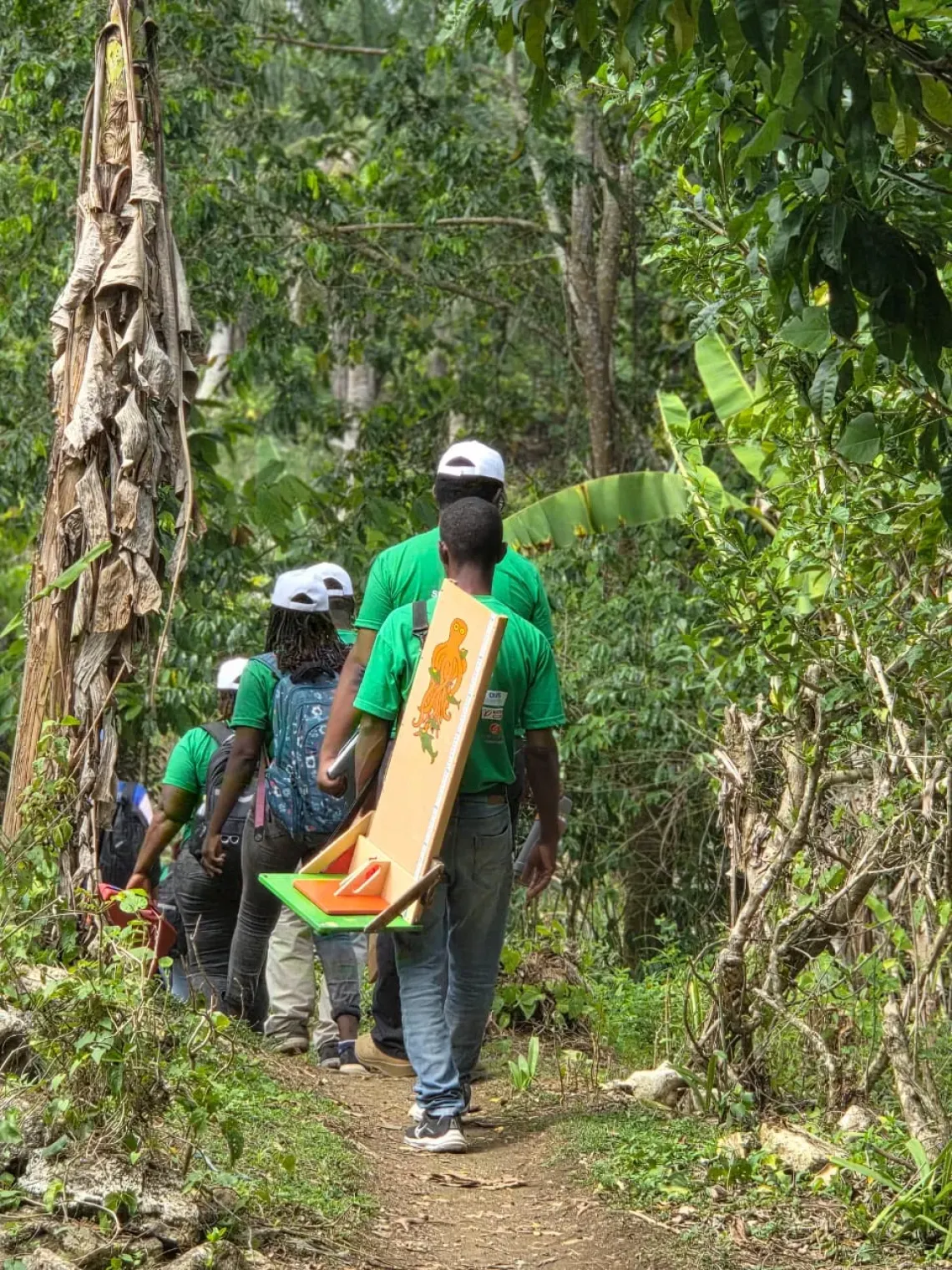
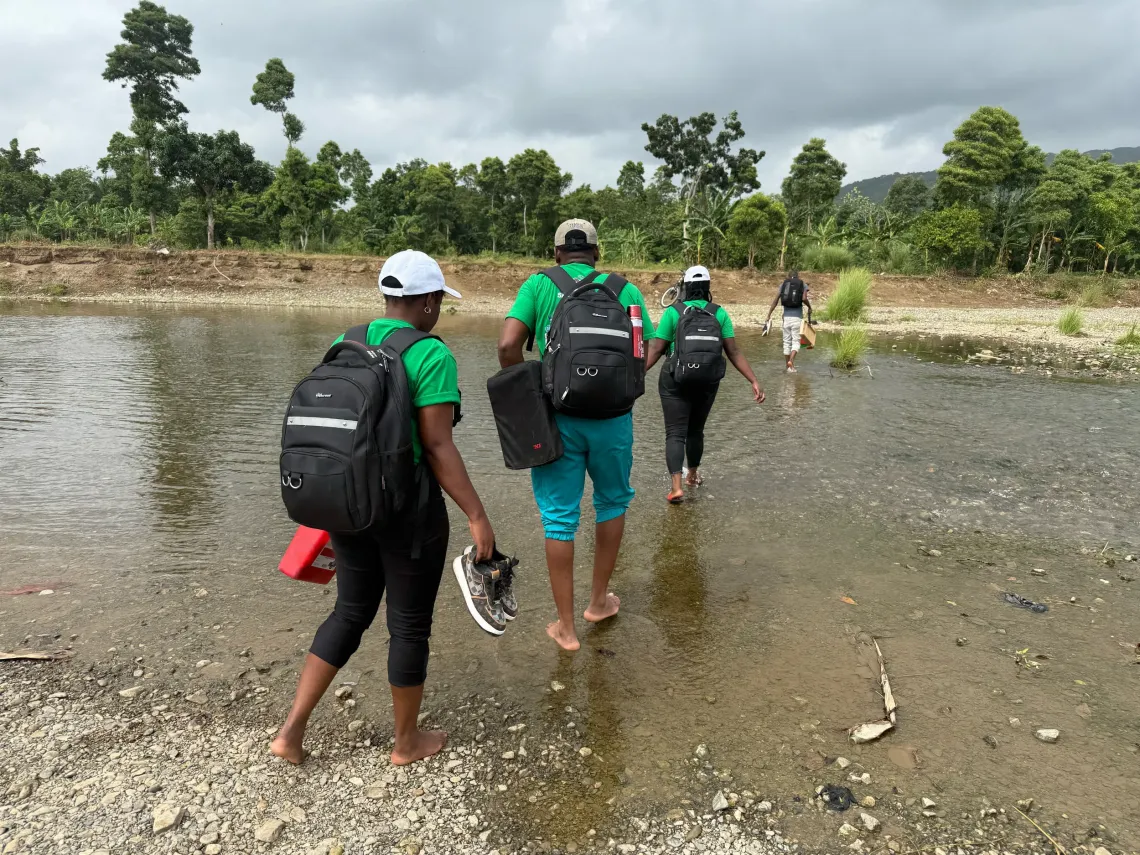
Reaching communities across the country required determination and local knowledge. Teams walked for hours through rugged terrain, crossed waterways by boat or on foot, and travelled by motorcycle or car where roads permitted. Across these different settings, Haitian enumerators applied a common methodology to document the realities facing children and families.
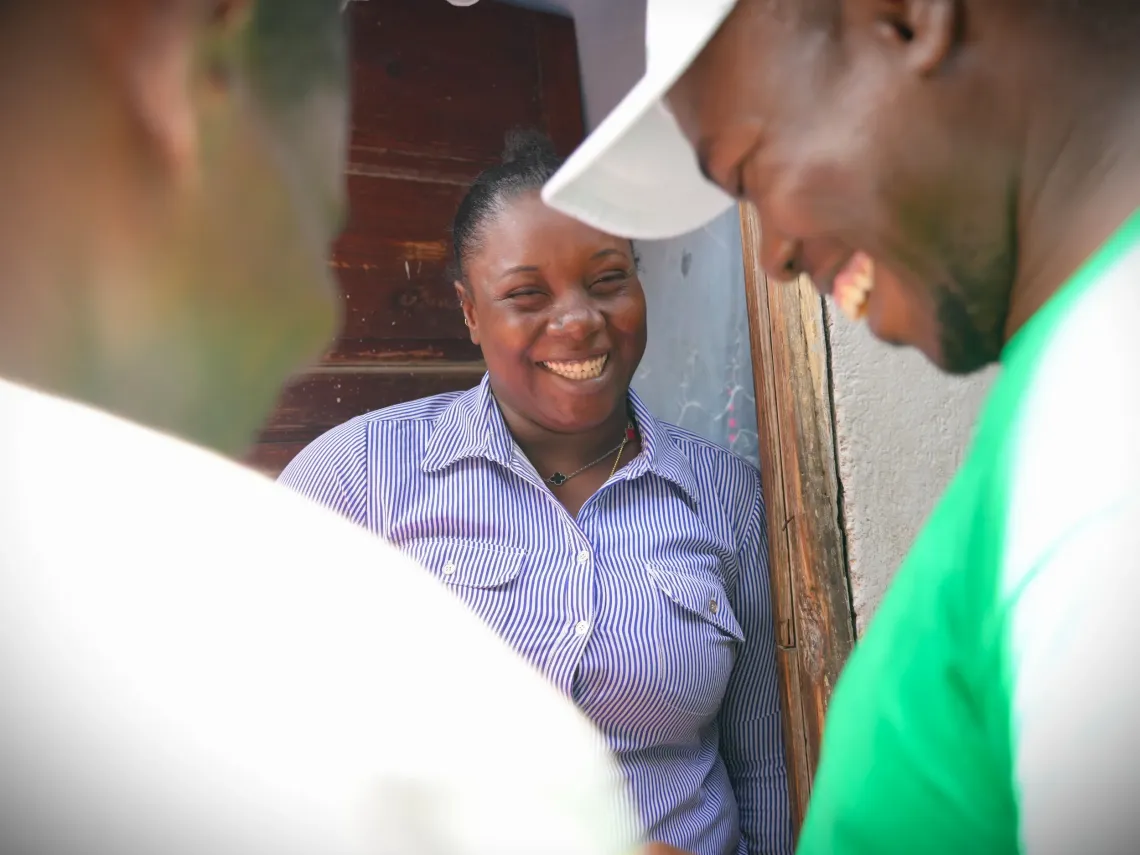
The survey also depended on the participation of residents like Sterline. By welcoming field teams and giving them a few minutes of their time, families helped build a clearer picture of children’s health and nutrition in Haiti.
“Welcoming the enumerators and answering their questions is my way of taking part in this work. I know it is for our own good,” says Sterline, a resident of Port-au-Prince.
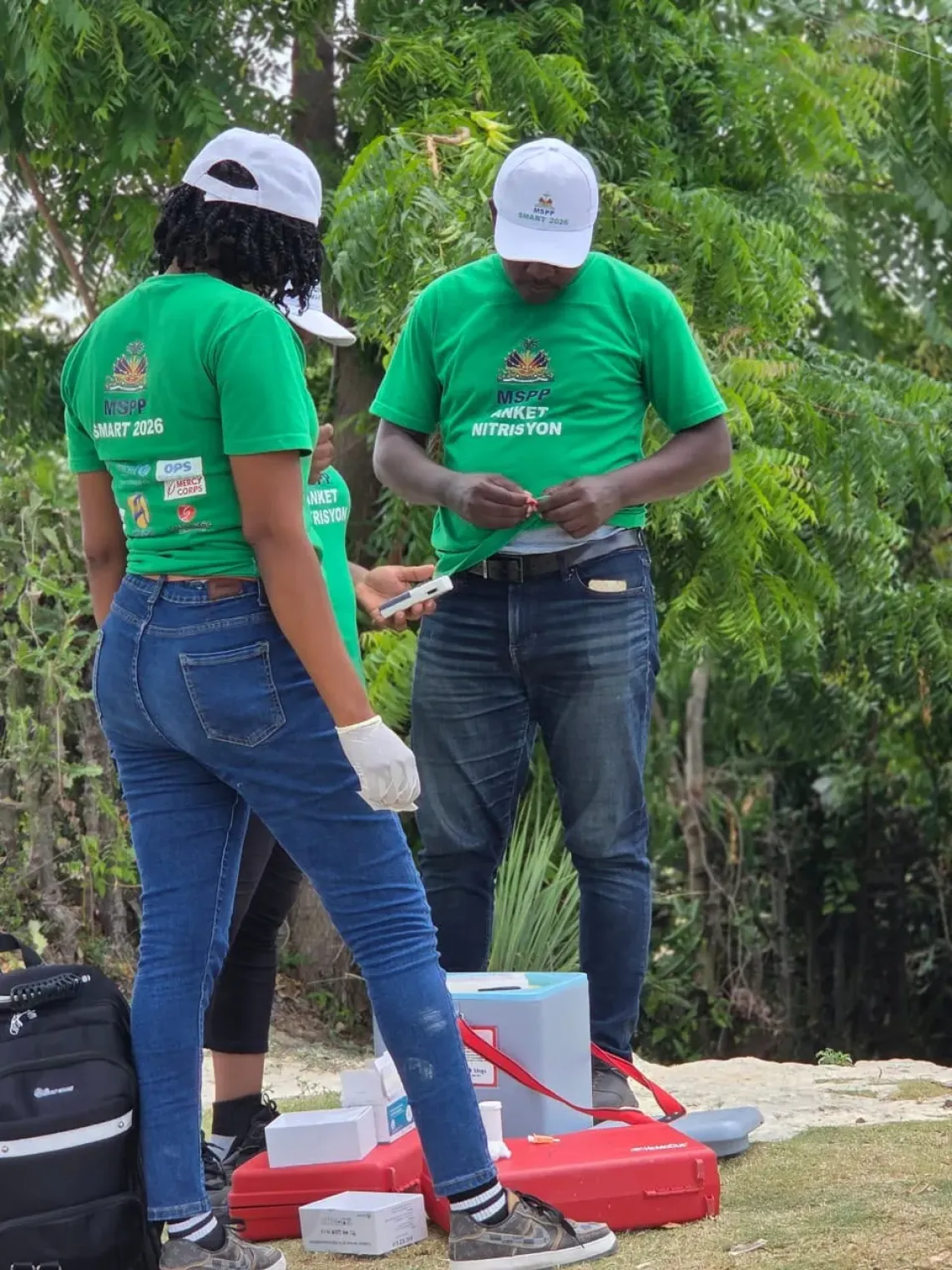
Before heading into the field each day, enumerators carefully prepared their equipment: measuring instruments, data-collection tools and everything needed to document the situation of the children they were about to meet: “Bonjou, nou se ajan Ankèt SMART yo” — “Hello, we are SMART Survey enumerators” — this is how teams began their exchanges with communities across the country.
Preliminary results will be released publicly in August 2026, with the full report expected in September 2026. The findings, which will be available at www.unicef.org/haiti, will give government institutions, humanitarian partners and communities timely evidence to target nutrition and health services where needs are greatest and strengthen programmes for children and women in the months and years ahead.
This national survey is conducted by the Ministry of Public Health and Population (MSPP), through the Coordination Unit of the National Food and Nutrition Programme (UCPNaNu), with technical and financial support from UNICEF, made possible by the support of the Governments of the United States and of Canada and of German Committee for UNICEF.