Haiti facing the challenge of climate change
UNICEF releases a report on children displaced by climate change. Weather-related disasters led to 43.1 million displacements of children over six years.
- Français
- English
Port-au-Prince, 04 November 2023 – Climate change, a pressing global issue primarily driven by human activities, is an undeniable reality that affects our planet. Haiti is no exception to this alarming phenomenon. The daily actions of the Haitian people play a significant role in exacerbating climate change, and the consequences are already visible. The country is repeatedly subjected to extreme weather events and the population pay the highest price of these catastrophes. According to a study carried out by UNICEF on weather-related disasters, 43.1 million children have been displaced by these disasters at worldwide level - the equivalent of around 20,000 child displacements every day. Almost all - 95% - of the child displacements recorded were caused by floods and natural disasters.
The destruction of fields and the loss of crops, temperatures soar, water sources dwindle, and landslides have a considerable impact on the lives of Haitians. These extreme weather events have physical and financial consequences in the community.
Tree felling, a leading contributor to climate change in Haiti, has become a means of survival for many families. Given the economic hardships that plague our nation, this is an understandable choice. However, our silence in the face of this environmentally destructive practice is inexcusable. It is imperative to implement educational, community-oriented, and normative initiatives to raise awareness about the imperative to protect our environment. Every citizen bears the responsibility of safeguarding our surroundings to stave off long-term climate-related calamities. Paradoxically, those contributing to the degradation of Haiti's environment are often the first to voice their complaints when droughts and floods ravage their communities.
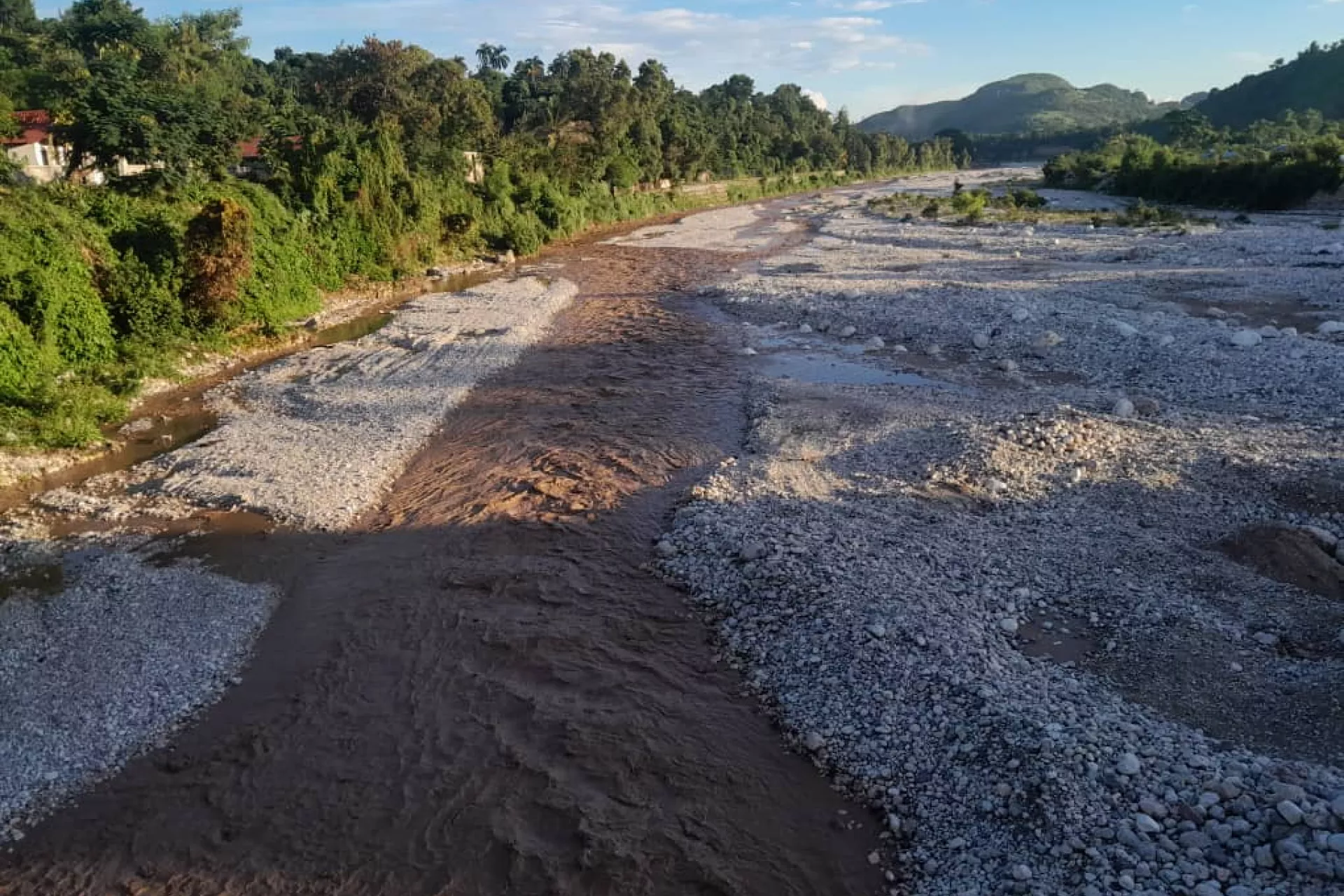
Climate change has already caused significant damage in Haiti, including the gradual disappearance of some fruit crops in some regions, such as sweet orange in Camp-Perrin, in the South Department of Haiti. The signs are evident in reduced agricultural yields and the disruption of seasonal patterns throughout the country. Added to this, the toxic waste thrown into the ground frequently finds its way into our rivers, leading to water contamination and the emergence of new diseases.
Floods and drought are becoming more frequent in Haiti, resulting in deaths, and forced displacement. Residents, especially pregnant women, and children are the hardest hit by these climatic shifts. The testimonies of people like Ynette Milor, who lived the terror of the floods and drought before settling in Camp-Perrin, moved me.
" I've lived in three different places, always looking for a better place to live. I originally lived in Chevalier, but I had to give it up for Milord. Unfortunately, Hurricane Matthew demolished our home, crushing our roof under a coconut tree. This forced my family and me to relocate to Tiby, one of Camp-Perrin locality."
While climate change is partially a natural phenomenon, human activities significantly exacerbate its impact. Therefore, meaningful dialogues and concerted efforts between Haitian authorities and citizens are imperative to mitigate these effects.
Reforestation, environmental preservation, the safeguarding of our mountains and rivers, and the reduction of the use of harmful products are all crucial measures to ensure a more stable climate and a healthier, more productive, and aesthetically pleasing environment for future generations.
Haiti must take concrete actions to combat climate change, as the cost of inaction is simply too high for our nation and its people.