Safe Water in Alta Verapaz
Transforming the Lives of Children in Communities

- Español
- English
In Vista Hermosa, Carolina and her daughters, Jasmín and Luzma, no longer have to walk long distances to fetch water. With support from the Guatemala Humanitarian Fund, UNICEF is helping improve access to water, sanitation and hygiene to protect families’ health, especially in emergencies.
Alta Verapaz, Guatemala. For years, fetching water was one of Carolina’s biggest concerns. Every day, she and her daughters, Jasmín and Luzma, aged 13 and 10, had to walk to the river, fill their water containers and carry them back home with the water they needed for cooking, washing clothes and maintaining their family’s hygiene.
During the rainy season, the situation became even more difficult. When the river rose, going to collect water could be dangerous or even impossible. Without a nearby and reliable water source, families in Vista Hermosa, a community in Alta Verapaz, faced constant challenges in meeting one of their most basic needs.
For Carolina, the problem went far beyond the physical effort involved. She was also concerned about the health of her daughters and the other children in the community.
In Guatemala, access to safe water remains a challenge for thousands of families, particularly in rural and Indigenous communities. According to the 2025 National Health and Nutrition Survey (ENDESA 2025), 52 per cent of the population consumes water contaminated with faecal matter, a figure that rises to 71 per cent in rural areas. This situation increases health risks, especially for children, who are more vulnerable to diseases associated with contaminated water and inadequate sanitation and hygiene conditions.
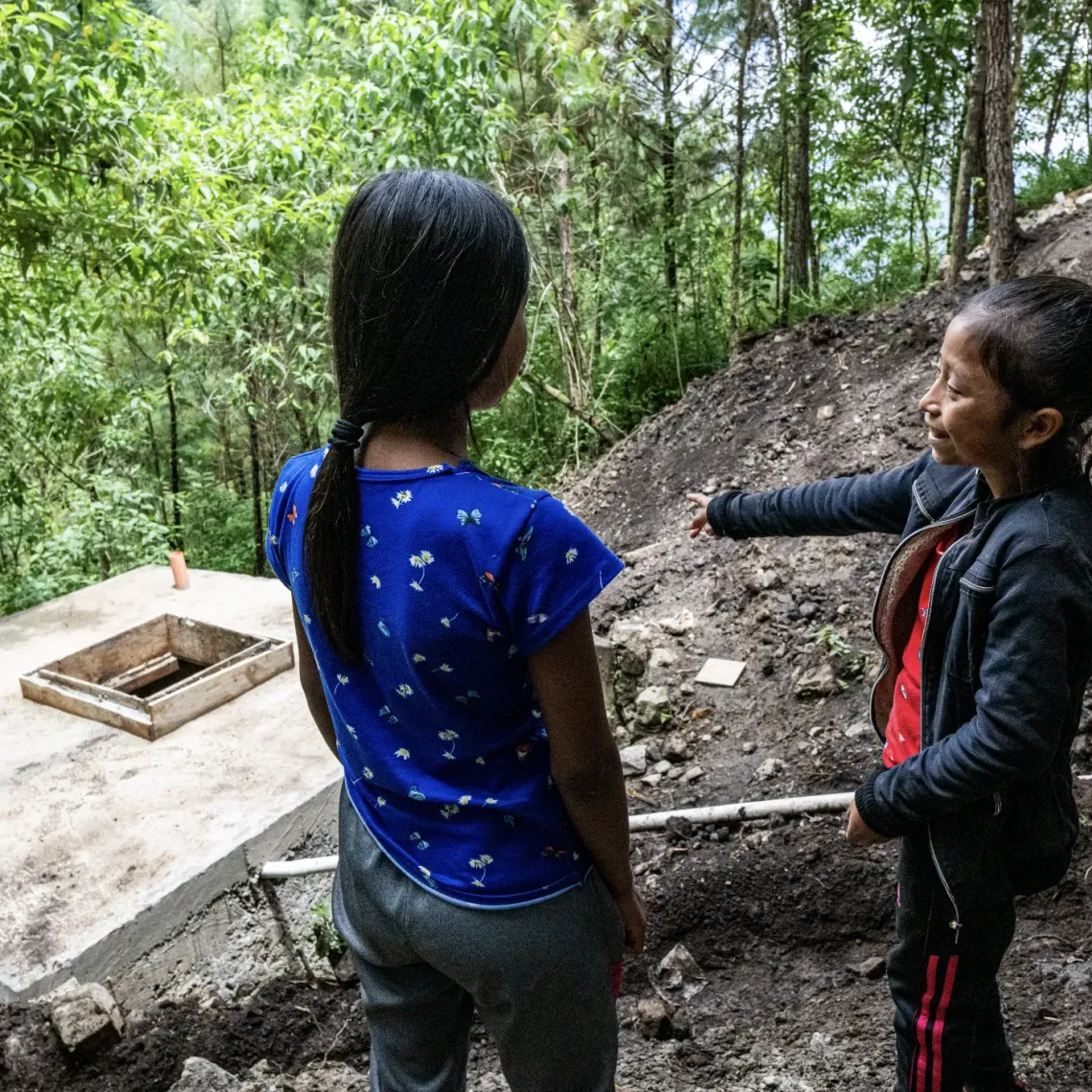
In departments such as Alta Verapaz, heavy rainfall, floods and landslides can make these challenges even worse by damaging water supply systems or disrupting communities’ access to water.
Recognizing the importance of having water close to home, Carolina took an active role as a community leader and helped organize families to build a water storage and distribution system.
It was a collective effort that helped improve living conditions in the community. However, over the years, rainfall and landslides damaged part of the infrastructure, once again putting the water supply at risk.
Today, thanks to rehabilitation and improvements to the water system, daily life for Carolina and her daughters is beginning to change.
Water is now closer to their homes, allowing families to carry out essential activities such as preparing food, washing clothes and practising good hygiene without having to rely on long trips to the river.
“Now water is very close to our homes, and our children wash their hands regularly. They don't get sick as often as they used to,” Carolina says with satisfaction.
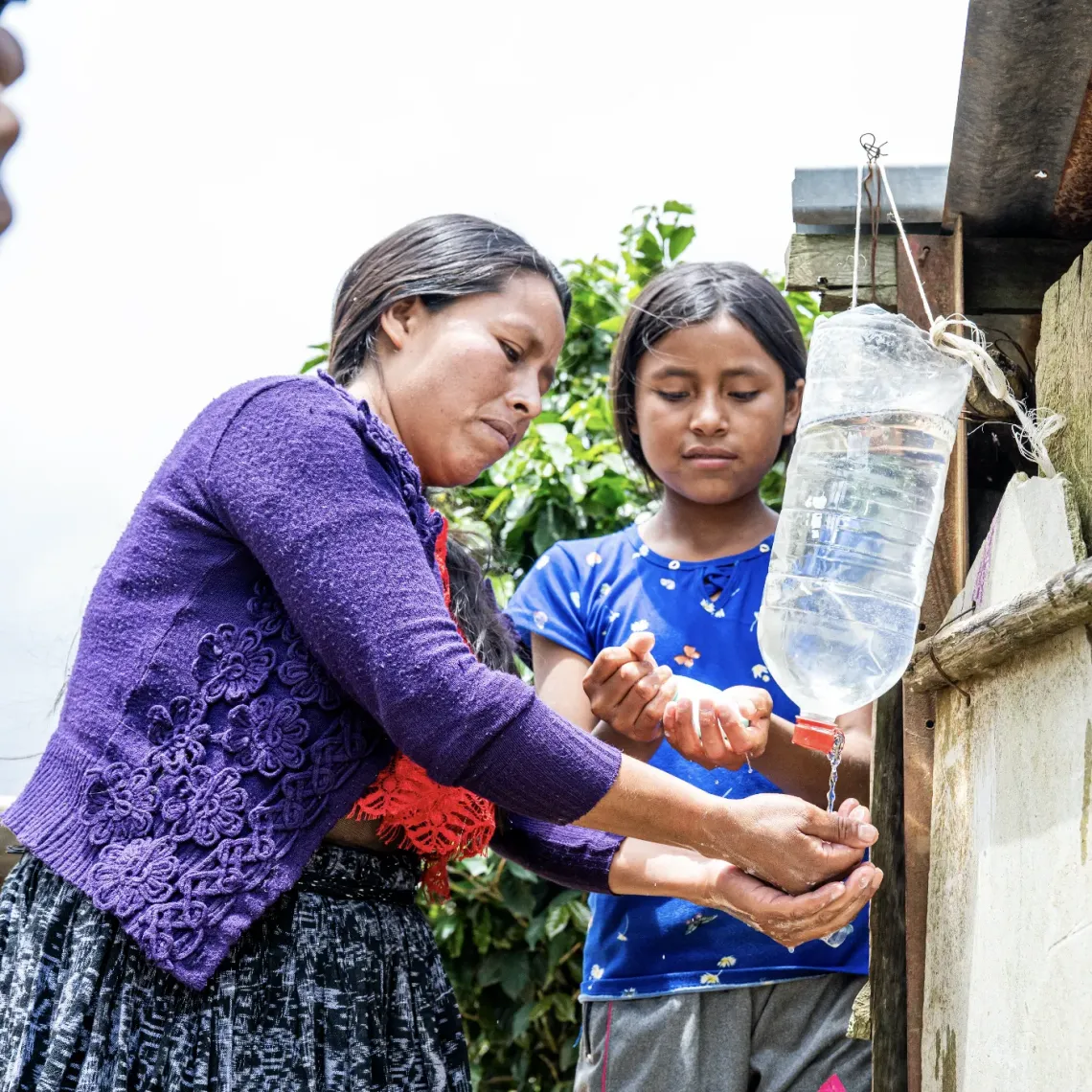
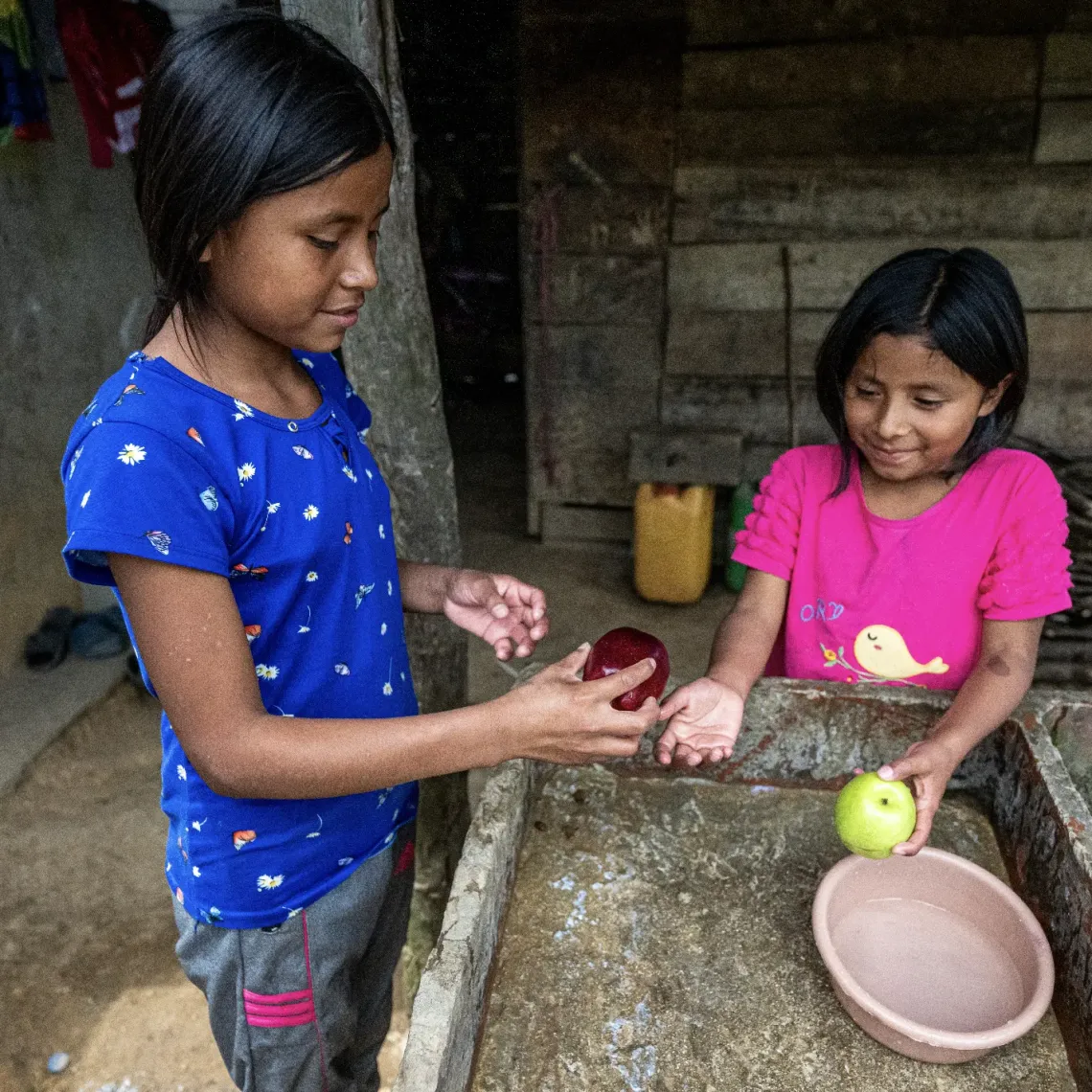
For Luzma and Jasmín, having access to water also means learning how to protect it. The girls know that keeping water storage tanks clean and covered is essential to prevent contamination.
“If there is no lid, leaves, dirt, animals and insects can get inside,” the girls explain.
These are simple but essential lessons. Because having water close to home is only part of the solution: storing it properly, protecting it from contamination and using it safely are also essential to preventing disease.
With funding from the Guatemala Humanitarian Fund (GHF), managed by the United Nations Office for the Coordination of Humanitarian Affairs (OCHA), UNICEF is working to strengthen access to water, sanitation and hygiene in communities vulnerable to emergencies.
In Vista Hermosa, the intervention includes the rehabilitation and improvement of water supply infrastructure, as well as measures to protect water sources and storage facilities from potential contaminants and strengthen community capacities to manage and maintain these systems.
The goal is not only to restore access to water, but also to help families benefit from safer and more sustainable systems that are better equipped to withstand climate-related events that may disrupt their operation.
As part of this intervention, the construction or rehabilitation of 450 sanitation facilities is also planned, including latrines, bathrooms and washing facilities, along with solutions to improve wastewater management.
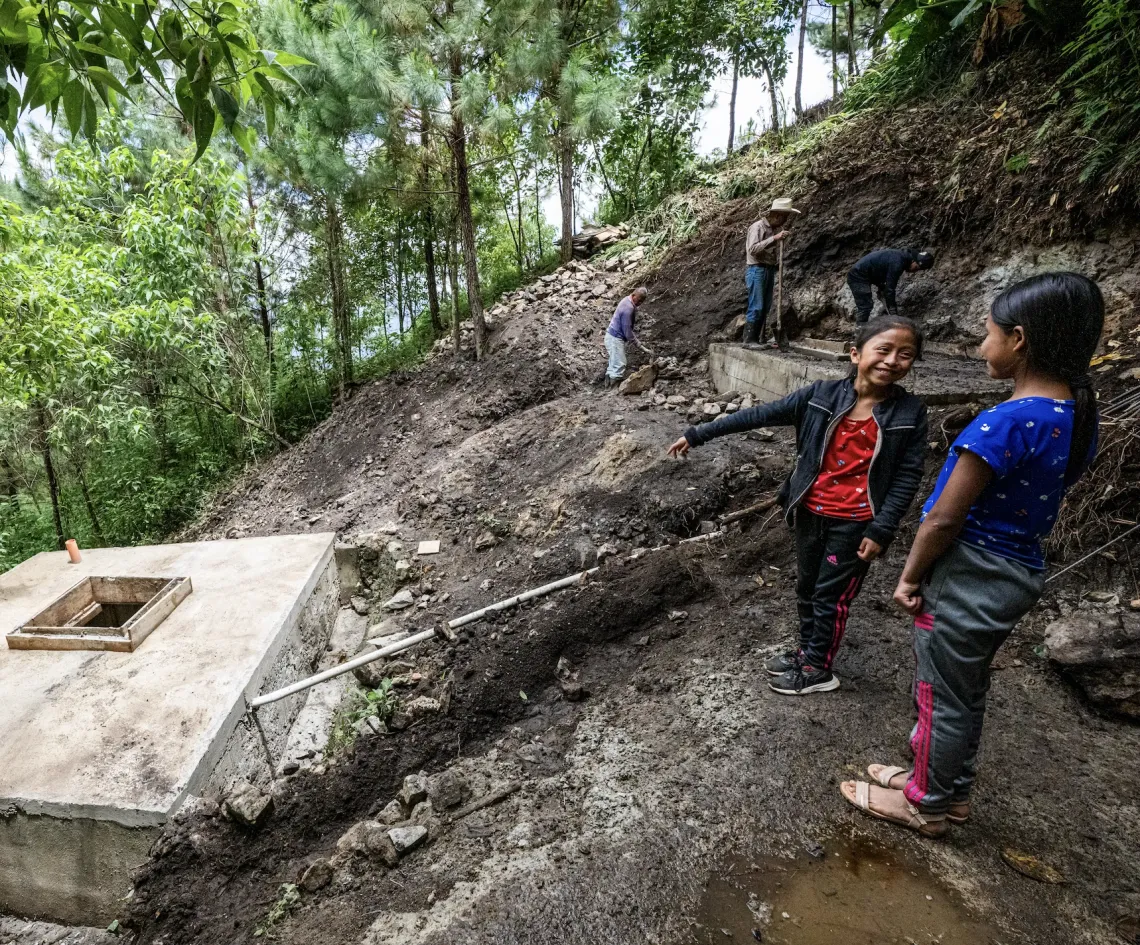
These actions help reduce health risks and create healthier, safer environments for children and adolescents.
For Carolina, having water closer to home means much more than an improvement in infrastructure. It means peace of mind, less time spent fetching water and better conditions to care for her daughters.
Strengthening access to water, sanitation and hygiene is also a way of protecting children's health, dignity and rights.
Because when safe water is closer to home, children have better opportunities to grow up healthy, learn and thrive. And when communities are prepared to face emergencies, they are also better equipped to protect their future.
